DUBAI— Emirates (EK) has restored 96 percent of its global network, signaling a strong recovery following recent operational disruptions.
The carrier currently operates flights to 137 destinations across 72 countries, supported by more than 1,300 weekly departures.
While capacity stands at around 75 percent of pre-disruption levels, the steady increase in frequencies highlights Emirates’ strategy to rebuild connectivity and passenger confidence.
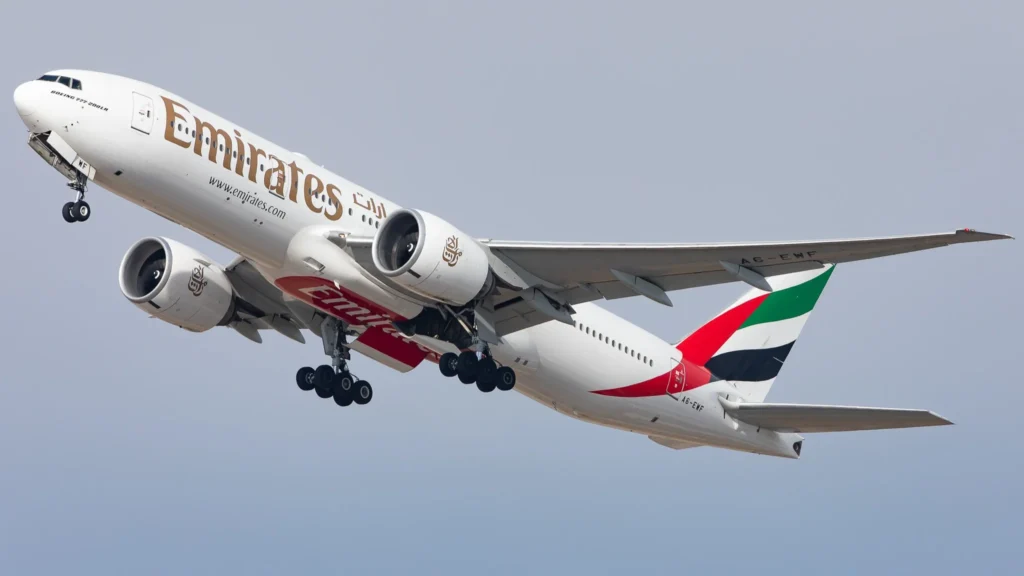
Emirates’ Network Restoration Progress
Emirates has resumed services across key regions including the Americas, Europe, Africa, West Asia, the Middle East, the Far East, and Australasia.
This phased restoration reflects improving operational conditions and growing travel demand across long-haul markets.
Despite reduced schedules during the disruption period between March 1 and April 30, the airline carried 4.7 million passengers. The figure underscores sustained demand even as network constraints affected flight availability and routing.
The airline continues to add frequencies and optimize schedules to improve connectivity.
It aims to provide passengers with more travel options while strengthening Dubai’s position as a major global transit hub.
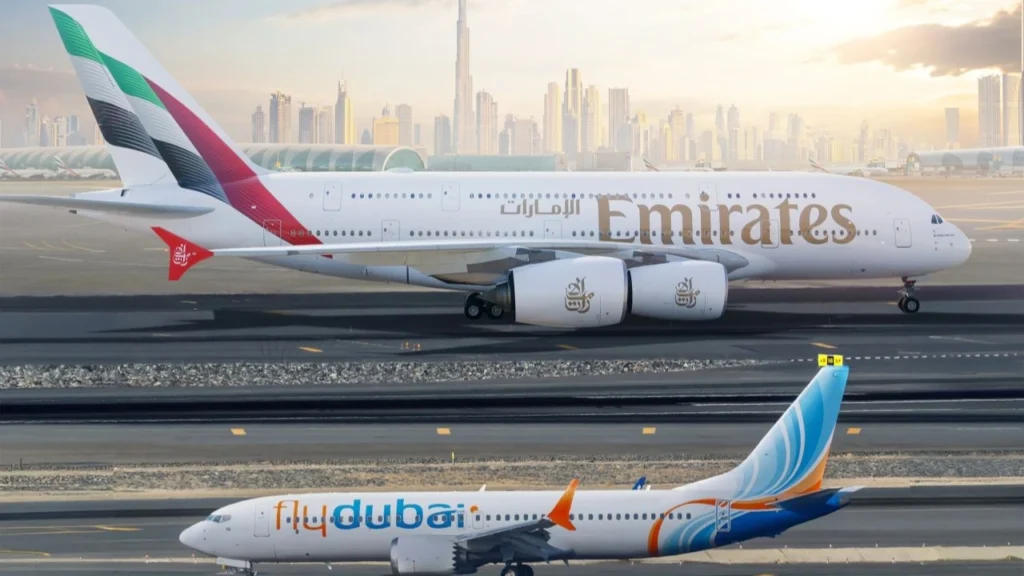
Passenger Travel Flexibility for Emirates
Emirates has introduced flexible booking options to support travelers during the recovery phase.
Customers booking from April 2 can benefit from one free date change across all cabin classes, offering greater control over travel plans.
Passengers can also hold fares for up to 24 hours without additional charges, allowing more time to finalize itineraries. These measures aim to reduce uncertainty and encourage bookings as the network expands.
For transit passengers, the airline’s Dubai Connect program enhances long layovers between six and 26 hours.
Eligible travelers receive complimentary hotel stays in four- or five-star properties, along with airport transfers, meals, and visa support where required.
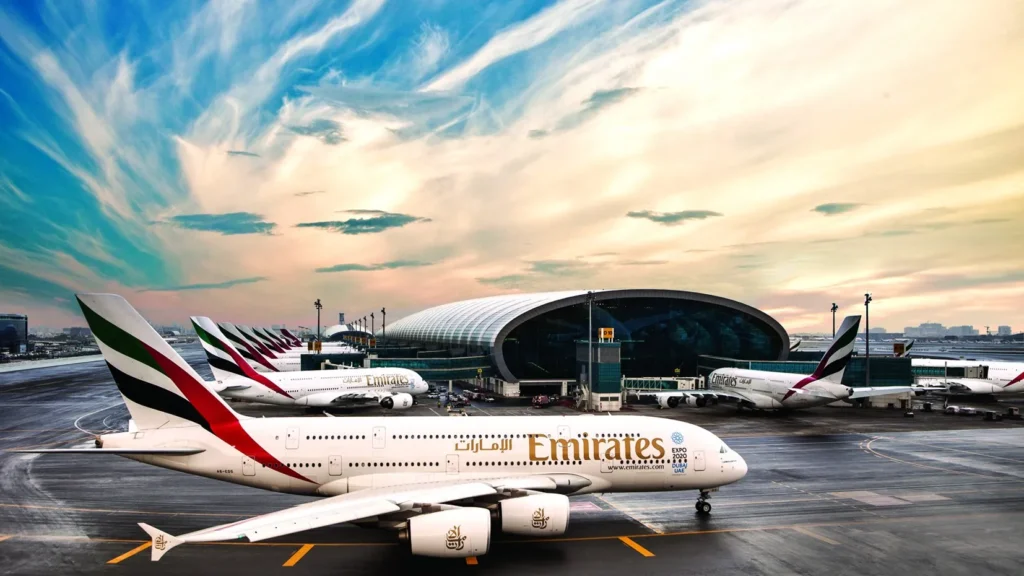
Dubai Airport Performance
Dubai International Airport (DXB) reported 18.6 million passengers in the first quarter of 2026, reflecting a 20.6 percent decline compared to the previous year. The drop highlights the impact of regional airspace challenges that intensified in March.
Passenger traffic in March alone reached 2.5 million, marking a significant year-on-year decrease of 65.7 percent.
Despite these challenges, the airport maintained operations and supported essential travel and cargo movements.
India remained the largest country market for DXB with 2.5 million passengers, followed by Saudi Arabia, the United Kingdom, and Pakistan. London ranked as the busiest city destination, ahead of Mumbai and Jeddah.
Cargo volumes reached 399,600 tonnes during the quarter, while aircraft movements totaled 88,000.
Since late February, Dubai’s airports have handled 6 million passengers, over 32,000 flights, and more than 213,000 tonnes of cargo, demonstrating operational resilience under pressure, Gulf News flagged.
Stay tuned with us. Further, follow us on social media for the latest updates.
Join us on Telegram Group for the Latest Aviation Updates. Subsequently, follow us on Google News


