
Not every great airport needs to be a giant global hub. In fact, many travellers would argue that regional airports often provide the smoothest and most enjoyable experiences. They are usually easier to navigate, quicker through security, closer to city centres, and far less stressful than mega airports handling tens of millions of passengers every year.
That is exactly why the Skytrax Best Regional Airports category has become increasingly respected. It recognises airports that may not dominate international headlines but consistently deliver excellent passenger experiences through efficiency, cleanliness, comfort, staff service, and convenience. For many people, these airports are the places where travel feels easiest.
Regional airports often excel because they avoid the chaos of huge hubs. Walking distances are shorter, check-in is simpler, baggage arrives faster, and terminals can feel calmer. Business travellers especially value them, while leisure passengers appreciate a more relaxed start to a holiday.
The 2026 rankings once again show strong performances from Asia, Europe, and North America. Japan has an especially powerful presence, while the United States places three airports in the global top ten.
Top 10 Best Regional Airports in the World in 2026
Here are the top 10 best regional airports in the world in 2026.

1. Centrair Nagoya Airport (Japan)
Centrair Nagoya takes first place in 2026 and is widely admired for combining Japanese efficiency with passenger comfort. Officially serving the Nagoya region, the airport sits on an artificial island in Ise Bay and offers a calm, highly organised experience.
Passengers frequently praise its cleanliness, punctual operations, and clear signage. Like many leading Japanese airports, staff service is professional and consistently polite.
Centrair also has attractions that go beyond basic transit. Observation decks, quality food options, shopping, and comfortable waiting areas make it one of the most pleasant medium-sized airports anywhere.
Its manageable size is a major advantage. Travellers can move through check-in, security, and boarding far more smoothly than at many larger hubs. That balance of convenience and quality helps Centrair earn the top spot.

2. Fukuoka Airport (Japan)
Fukuoka Airport ranks second and is one of the most convenient city airports in the world. Located very close to central Fukuoka, it allows passengers to reach downtown in minutes, a huge benefit for business and leisure travellers alike.
The airport is praised for efficiency, cleanliness, and smart use of space. Despite being compact compared with Tokyo or Osaka airports, it handles traffic effectively and offers a stress-free experience.
Dining options are particularly strong, reflecting Fukuoka’s reputation as one of Japan’s best food cities. Travellers can enjoy quality meals without leaving the terminal.
For anyone who values location, speed, and simplicity, Fukuoka is hard to beat.

3. Haikou Meilan Airport (China)
Haikou Meilan rises to third place and highlights China’s improving airport standards outside its mega hubs. Serving Hainan Island, the airport benefits from growing tourism and investment.
Passengers appreciate modern facilities, spacious terminals, and relatively straightforward processing compared with some larger mainland airports. It also acts as a gateway to tropical beach destinations, giving it strong leisure appeal.
The airport’s design feels modern and open, while service levels continue improving. As Hainan develops into a bigger travel and trade destination, Haikou Meilan’s profile keeps rising.
Its presence in the top three shows China’s regional airports are becoming globally competitive.

4. Cincinnati/Northern Kentucky International Airport (United States)
Cincinnati/Northern Kentucky ranks fourth and is one of America’s most efficient mid-sized airports. Located strategically near Cincinnati, it serves both Ohio and Kentucky while maintaining easier passenger flow than many larger US hubs.
Travellers often praise short queues, good terminal organisation, and a generally calmer atmosphere than airports such as Chicago O’Hare or Atlanta.
The airport also benefits from strong cargo and logistics activity, yet passenger operations remain practical and manageable. Staff friendliness is another regular positive.
For many American travellers, it represents the kind of airport experience they wish larger hubs offered more often.
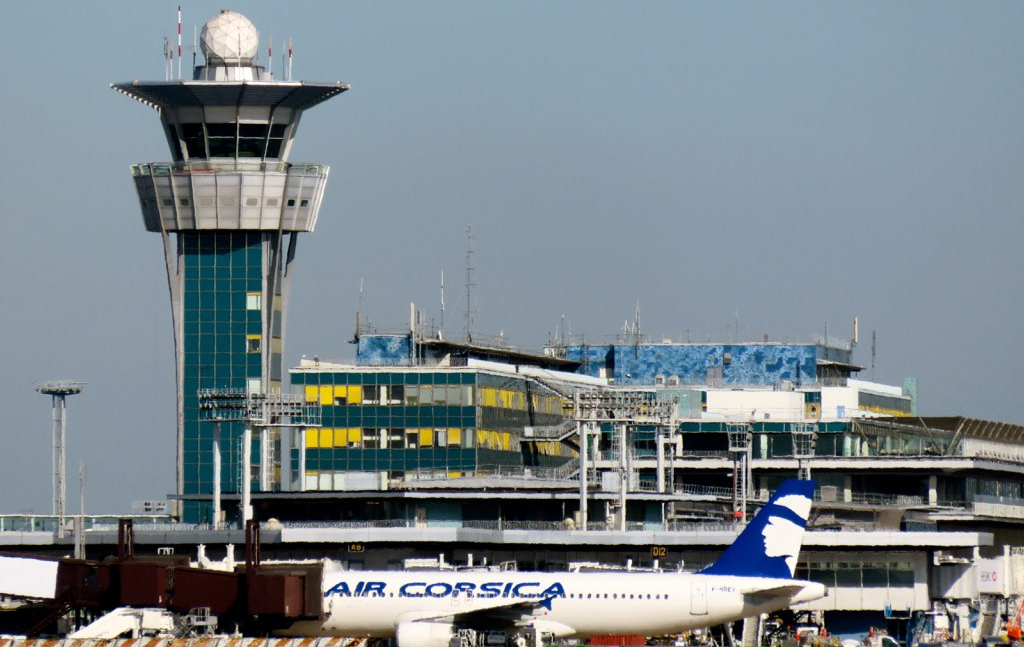
5. Paris Orly Airport (France)
Paris Orly comes fifth and remains an excellent alternative to Charles de Gaulle. Located closer to central Paris, Orly is often preferred by travellers who want quicker access to the city and less terminal stress.
Recent upgrades have improved terminals, retail areas, and transport links. The airport now feels more modern and polished than in years past.
It handles a mix of domestic, European, and leisure long-haul traffic, giving it broad relevance. Passengers value the balance between convenience and capability.
For many visitors to France, Orly offers a far easier Paris airport experience than CDG.

6. New Chitose Airport (Japan)
New Chitose ranks sixth and gives Japan three airports in the top six. Serving Sapporo and Hokkaido, it is one of the best airports in the world for combining travel practicality with local character.
The airport is famous for excellent food, shopping, and entertainment. Travellers can find Hokkaido seafood, sweets, ramen, hot baths, cinemas, and even themed attractions.
Operationally, it remains efficient and well run. During winter, snow conditions create challenges, yet Japanese reliability often keeps disruptions manageable.
For travellers heading to ski resorts or exploring northern Japan, New Chitose is an outstanding gateway.

7. New York LaGuardia Airport (United States)
LaGuardia’s appearance in seventh place would have seemed unlikely years ago. Once heavily criticised, the airport has undergone a major transformation through terminal redevelopment.
Today, LaGuardia offers modern interiors, better dining, improved passenger flow, and a much stronger visual identity. It now feels closer to a premium airport than an outdated city facility.
Its proximity to Manhattan remains a key strength, especially for domestic business travellers.
The ranking reflects how dramatic infrastructure investment can completely reshape public perception.

8. Houston Hobby Airport (United States)
Houston Hobby takes eighth place and continues to outperform expectations. Often overshadowed by the larger George Bush Intercontinental, Hobby has built a reputation for ease and convenience.
Passengers like its manageable layout, shorter walking distances, and simpler domestic travel experience. Security can be quicker, baggage reclaim easier, and the general pace calmer.
It is especially popular with frequent flyers who prioritise function over scale.
For many Texans, Hobby is proof that smaller airports can often deliver a better everyday experience than giant hubs.

9. Bengaluru International Airport (India)
Bangalore ranks ninth and represents India in the top ten. Officially Kempegowda International Airport, it has grown rapidly alongside Bengaluru’s rise as a global technology centre.
Passengers often praise the modern terminal design, cleaner facilities, and expanding premium services. Recent developments have significantly improved capacity and comfort.
The airport blends Indian hospitality with increasingly global standards. Though traffic volumes can be heavy, the newer infrastructure has helped elevate the passenger experience.
Its ranking signals India’s growing importance in world aviation.
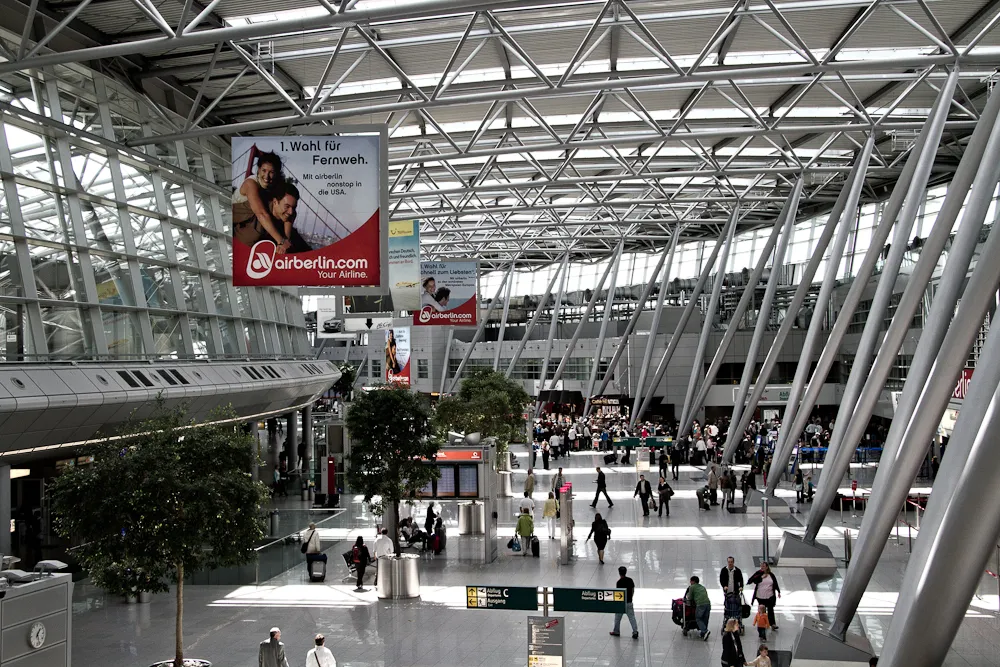
10. Dusseldorf Airport (Germany)
Düsseldorf completes the top ten and remains one of Germany’s most practical airports. Serving a wealthy and densely populated region, it offers strong business relevance and excellent European connectivity.
Passengers appreciate straightforward terminal layouts, dependable operations, and relatively easy transfers. It tends to feel less overwhelming than Frankfurt or some larger hubs.
The airport’s efficiency suits both corporate and leisure travellers, while rail connections improve onward journeys.
Düsseldorf may not seek glamour, but it consistently delivers what travellers need.

Why Regional Airports Are So Popular
Many passengers increasingly prefer regional airports for clear reasons:
- Faster security lines
- Easier navigation
- Shorter walking distances
- Faster baggage delivery
- Less congestion
- Better punctuality in some cases
- Quicker city access
- Lower stress levels
For regular travellers, these advantages can matter more than flashy architecture.

Bottom Line
The best regional airports in the world in 2026 show that smaller or secondary airports can outperform famous mega hubs when it comes to everyday travel comfort.
Centrair Nagoya leads through flawless balance, while Fukuoka and New Chitose underline Japan’s airport excellence. Haikou Meilan shows China’s rising standards, and Cincinnati demonstrates how efficient America’s mid-sized airports can be.
Paris Orly, LaGuardia, Houston Hobby, Bangalore, and Düsseldorf complete a diverse top ten filled with airports that travellers genuinely enjoy using.
Sometimes the best journey begins not at the biggest airport—but at the smartest one.
Best Regional Airports in the World FAQs
Centrair Nagoya Airport in Japan ranks number one among regional airports in 2026.
Japan and the United States both have three airports each in the top ten.
Regional airports are often quicker, easier to navigate, less crowded, and closer to city centres than major hub airports.
Stay tuned with us. Further, follow us on social media for the latest updates.
Join us on Telegram Group for the Latest Aviation Updates. Subsequently, follow us on Google News


