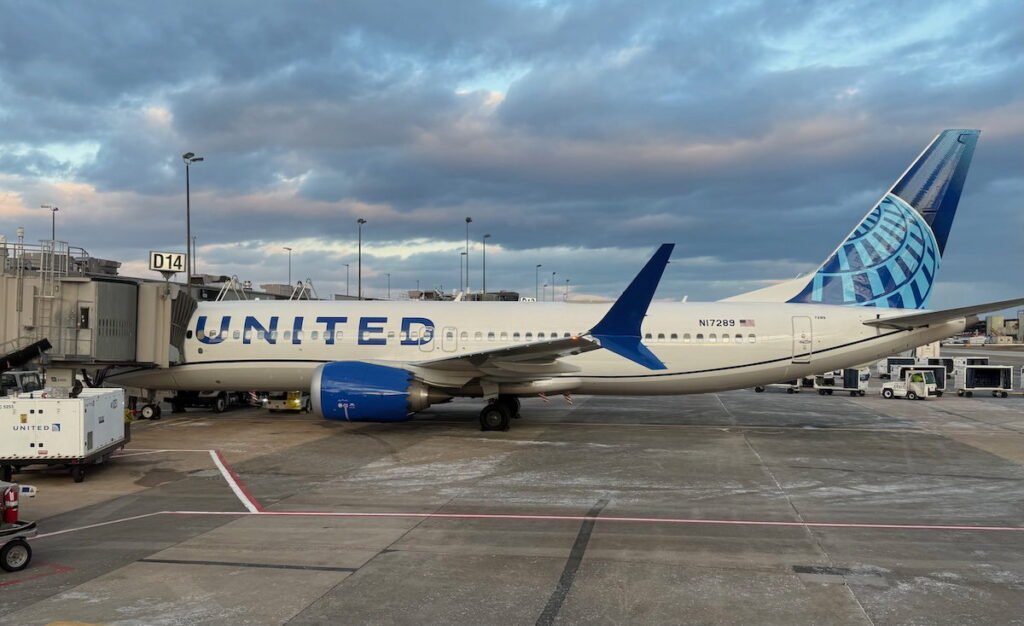
Big picture, the cost of airfare has remained reasonable over the decades, as flying has been democratized thanks to the competitive landscape. However, admittedly there are some fluctuations, and we’re seeing one of those right now. There has been a lot of talk about how expensive airline tickets are getting, and we now have data!
Statistics on how the cost of airline tickets is increasing
The United States Bureau of Labor Statistics has just published its latest consumer price index summary, showing how the cost of various goods has changed over the past year. The single biggest year-over-year increase we’re seeing is for airfare, which is up 20.7% compared to 12 months ago.
It goes without saying that this is a massive increase. Just to look at the numbers, the average fare in April 2025 was $255.59, while the average fare in April 2026 was $308.53.
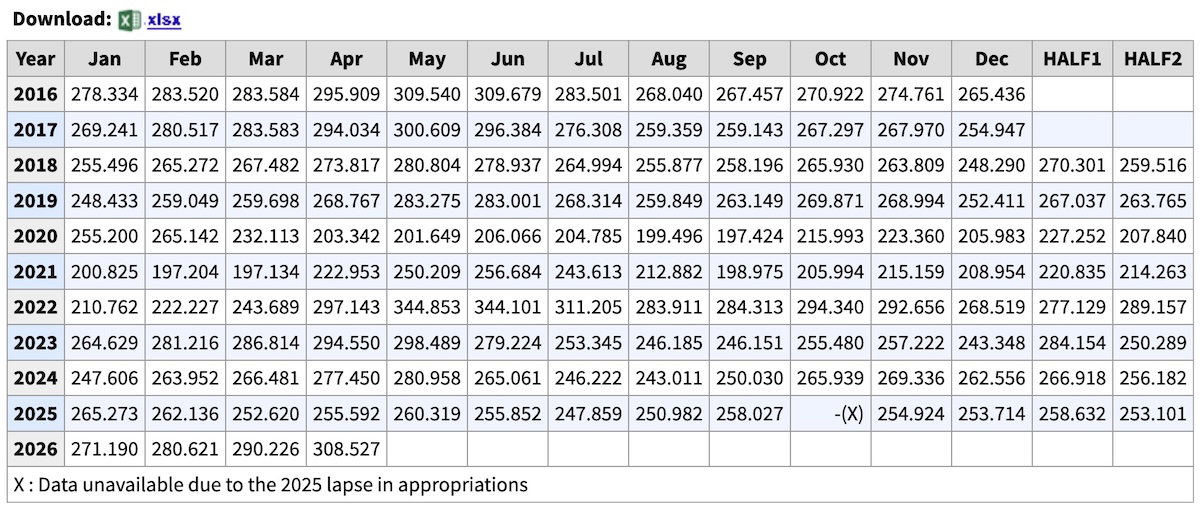
If you prefer to see this in a graph, below you can see the fluctuations over the past 10 years.
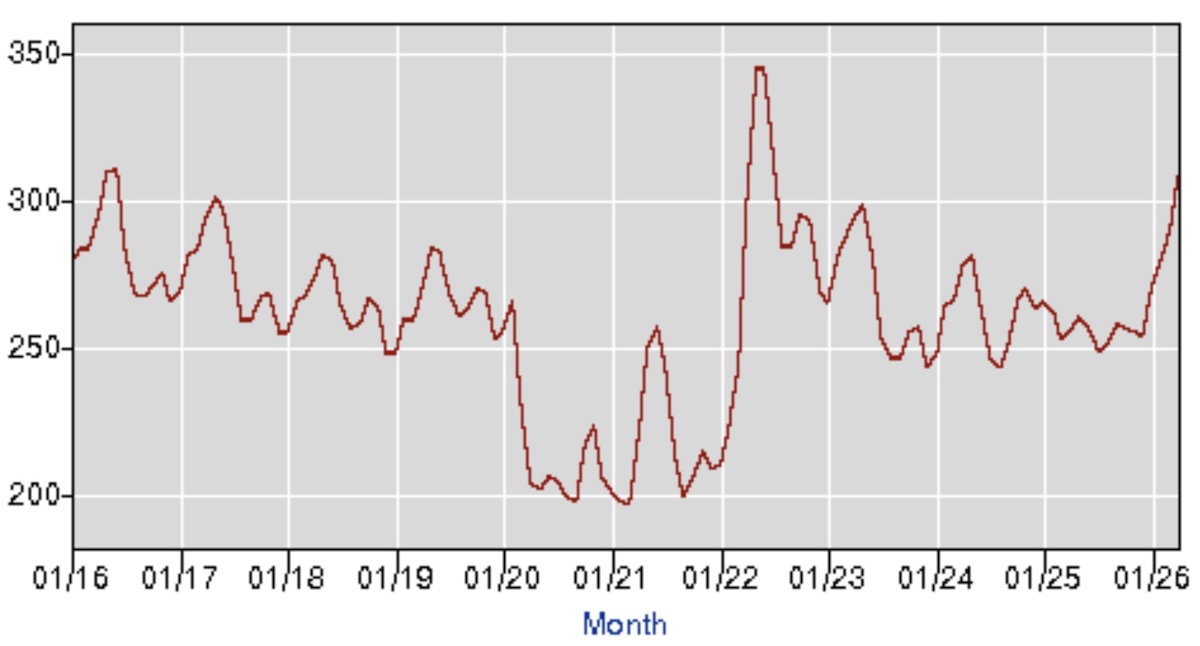
As you can see, we’ve particularly seen an increase in airfare in the first four months of 2026:
- Between April and December 2025, airfare actually decreased, from $255.59 to $253.74
- In the first four months of 2026 alone, airfare increased from $253.74 to $308.57
- The situation is actually worse than the 20.7% increase over 12 months, as airfare has actually increased 21.6% over the past four months
Here’s how the methodology for determining this data is described:
Eligible for pricing are all regularly scheduled domestic and international commercial airline trips on certified carriers departing from each city in the CPI sample. For the selected cities that do not have a qualifying airport, the nearest city with a qualifying airport is designated as the city of departure.
Prices include all applicable taxes for both domestic and international travel. Fuel surcharges, airport, security, and baggage fees are also included. Eighty percent of quotes in the CPI sample are designated to include a checked bag on the flight. Whether a given quote is assigned a bag is randomly determined at quote initiation. The CPI only tracks the price of the first piece of checked luggage. The price of carry-on bags and any additional checked luggage are not tracked.
What can we make of these rapid airfare increases?
It goes without saying that the conflict with Iran has caused jet fuel prices to skyrocket. While the cost of airline tickets isn’t typically correlated that closely to the cost of actually transporting people (given the elasticity of demand), airlines have done an impressive job (from their perspective) raising fares to offset those increases. That’s particularly true of the legacy carriers.
But what I find interesting here is that the cost of airfare already started to increase drastically before that. Admittedly there’s some seasonal element to this, but still, these increases are material.
Everyone talks about the K-shaped economy, and that’s true in the airline industry more than anywhere. Premium demand seems to be insatiable, while airlines are having a harder time filling economy seats. Of course Spirit’s recent liquidation also won’t help with keeping airfare affordable, though those ticket costs were subsidized by shareholders and investors for far too long, so it just wasn’t sustainable.
United management has been very clear that they plan to keep around higher fares as much as possible even when oil prices decrease. As United CEO Scott Kirby recently admitted on an earnings call:
“Certainly, the longer this lasts, the higher the probability goes that the pricing increases hold. And we probably won’t hold 100% if we normalize as I told the team earlier today, and it’s just my guess that if things went back to mid-February normal, I think we get to keep 20% of the price increase next year. I think that’s going to move towards 80%. And every day, it’s ticking up longer as this goes on.”
But we also have Transportation Secretary Sean Duffy gaslighting consumers, claiming that high jet fuel prices will make tickets cheaper in the long run. Oh, and he says that all while United (which is promising investors to keep fares higher) is sponsoring his patriotic road trip.
Bottom line
The cost of airfare in the United States has increased 21.6% in the past four months. Obviously high oil prices partly fit into that, but the trend already started before the conflict with Iran. The airline business is tough, and it’s understandable that airlines have to recoup some of the increased oil prices. However, airlines insist they plan to keep around these higher fares even when oil prices drop.
Usually I think people are a little dramatic about how expensive airfare is, because adjusted for inflation, it’s quite reasonable, big picture. Still, the increases at the moment are drastic, and there’s reason to be concerned. That’s especially true when you consider that only a small number of airlines are doing well, while others are on the verge of bankruptcy.
What do you make of this data about the increase in airfare costs?


