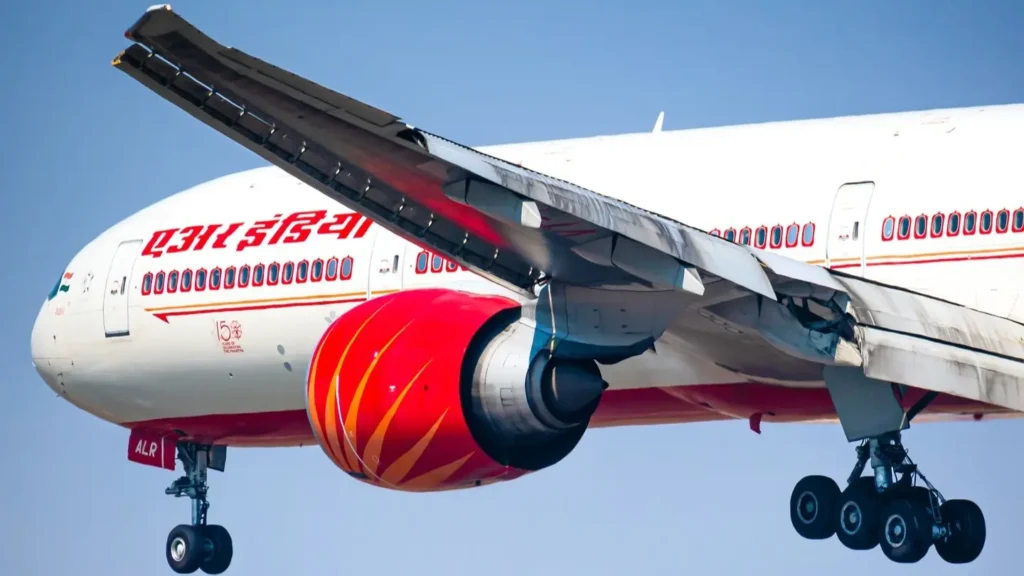
GURUGRAM— Tata Group-owned Air India (AI) plans to temporarily suspend operations on select international routes, including Chicago O’Hare (ORD), as elevated Aviation Turbine Fuel (ATF) prices continue to pressure its overseas network, industry sources confirmed.
The carrier is also evaluating further frequency cuts for June, July, and August across long-haul sectors from Delhi (DEL) and Mumbai (BOM), after discussions with oil marketing companies (OMCs) on jet fuel pricing relief failed to deliver any material outcome.
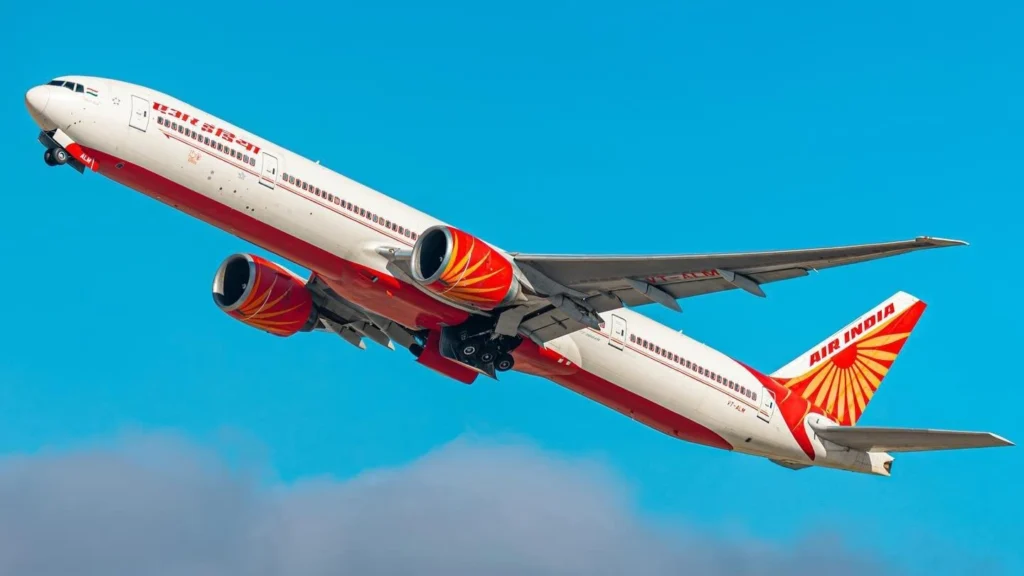
Air India to Cancel Chicago Flights
Sources told businessline that the proposal related to the crack spread mechanism for setting international ATF prices has not been accepted by OMCs.
The absence of immediate pricing relief has increased pressure on airlines operating ultra-long and long-haul international sectors, where fuel costs account for a substantial portion of overall operating expenses.
A senior Air India executive, speaking on condition of anonymity with BusinessLine, said the airline has engaged with OMCs for several weeks on possible fuel pricing relief. The official confirmed that frequency cuts are unavoidable given the lack of progress in these negotiations.
Air India did not respond to queries on the development. The airline is understood to have assessed additional reductions across parts of its overseas network for June, July, and August as part of a broader rationalisation exercise aimed at reducing losses on unviable long-haul sectors.
Apart from Chicago (ORD), the airline is also reviewing operational viability on other routes where profitability has come under pressure due to higher fuel prices and longer flying durations caused by airspace restrictions.
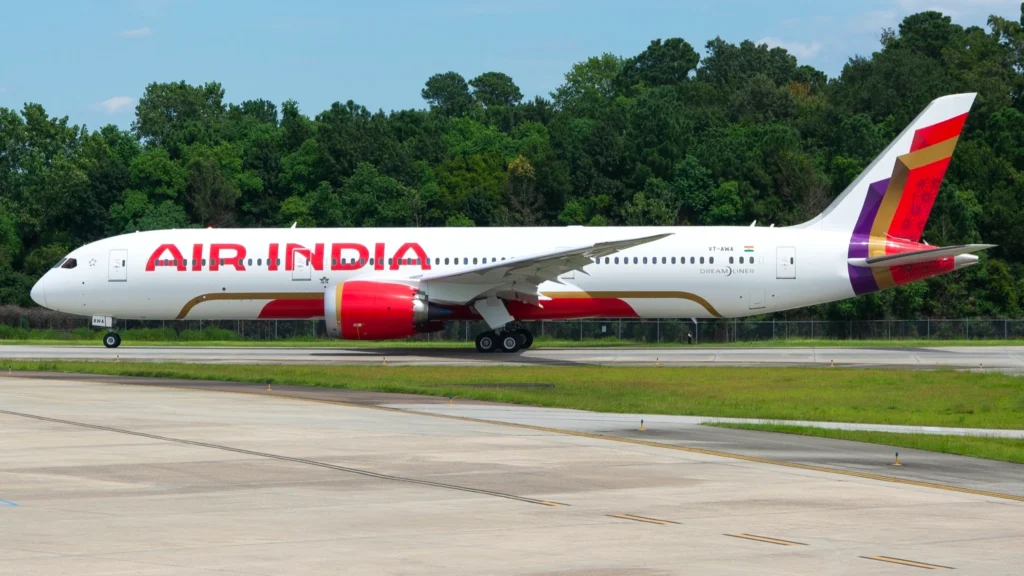
May 2026 Network Reductions Set the Stage
Air India had already reduced flight frequencies across several key international routes for May, with cuts of 5 per cent on some routes and up to 25 per cent on others.
North America operations were reduced by around 20 per cent during the month, while frequencies on select European, Australian, and Southeast Asian routes were moderated.
The sharpest reduction was seen on the Australia network, where services to Melbourne (MEL) and Sydney (SYD) were trimmed. Several European destinations also witnessed lower frequencies as part of the network recalibration exercise. Southeast Asian operations were reduced by approximately 10 per cent during the same period.
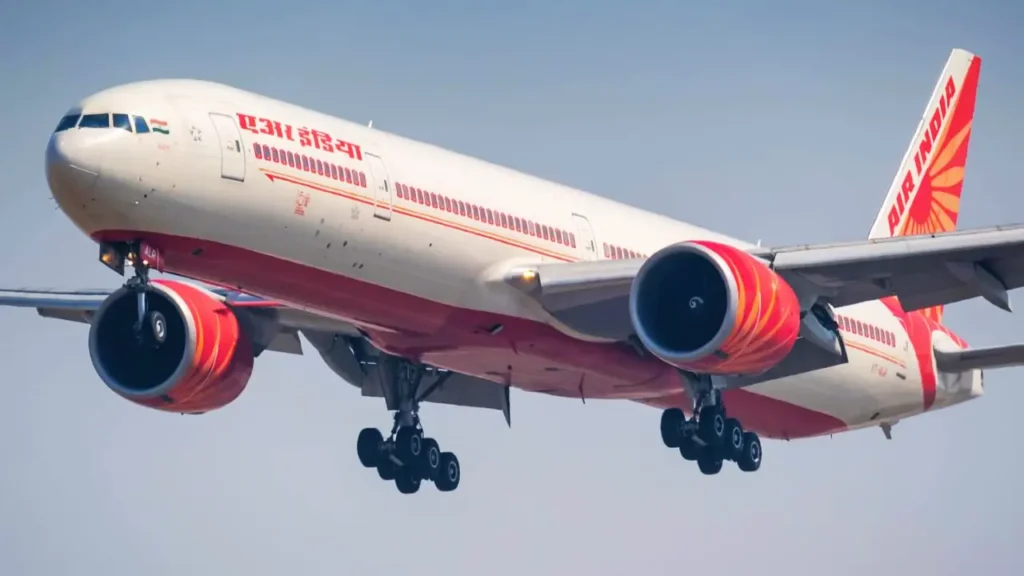
Factors Pressuring Long-Haul Profitability
The combination of higher international jet fuel prices, geopolitical disruptions in West Asia, currency depreciation, and longer flying routes due to airspace restrictions has significantly affected the profitability of long-haul international sectors.
Industry observers noted that the prolonged closure of certain air corridors has increased block time on multiple routes. This has resulted in higher fuel burn, elevated crew costs, and aircraft utilisation challenges for airlines operating extensive international networks.
CEO Campbell Wilson Outlines Network Strategy
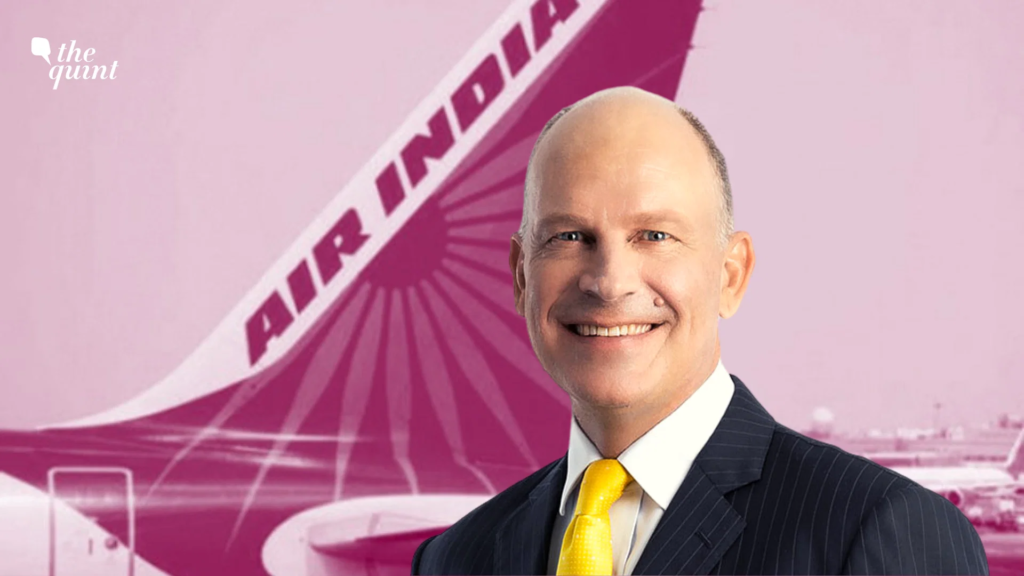
Last week, at a town hall meeting held at Air India headquarters, CEO Campbell Wilson said the airline has undertaken rapid network optimisation to redeploy capacity more efficiently.
He noted that Air India has strengthened its India-Europe and India-Far East presence to capture demand in shorter, more profitable markets.
Wilson also said the carrier has deepened synergies with Air India Express (IX) by eliminating overlapping routes and improving overall network efficiency. The leadership team is focused on preserving operational cash flows by prioritising routes that continue to generate sustainable demand and revenue visibility.
Global Airlines Follow a Similar Path
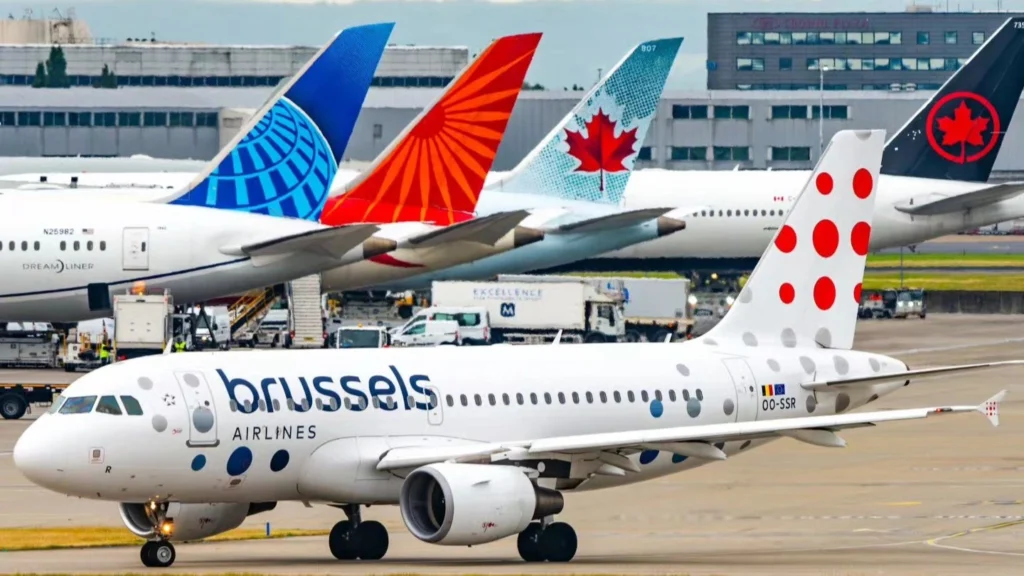
Several international carriers have undertaken selective capacity rationalisation amid rising fuel prices and geopolitical uncertainty. Multiple foreign airlines have already announced frequency cuts or network adjustments across long-haul markets.
The pattern reflects a broader industry response to operational pressures that have intensified through 2026. Carriers across regions are reassessing their long-haul portfolios to balance fuel cost exposure with revenue performance, with weaker-yielding sectors facing the deepest cuts.
Stay tuned with us. Further, follow us on social media for the latest updates.
Join us on Telegram Group for the Latest Aviation Updates. Subsequently, follow us on Google News