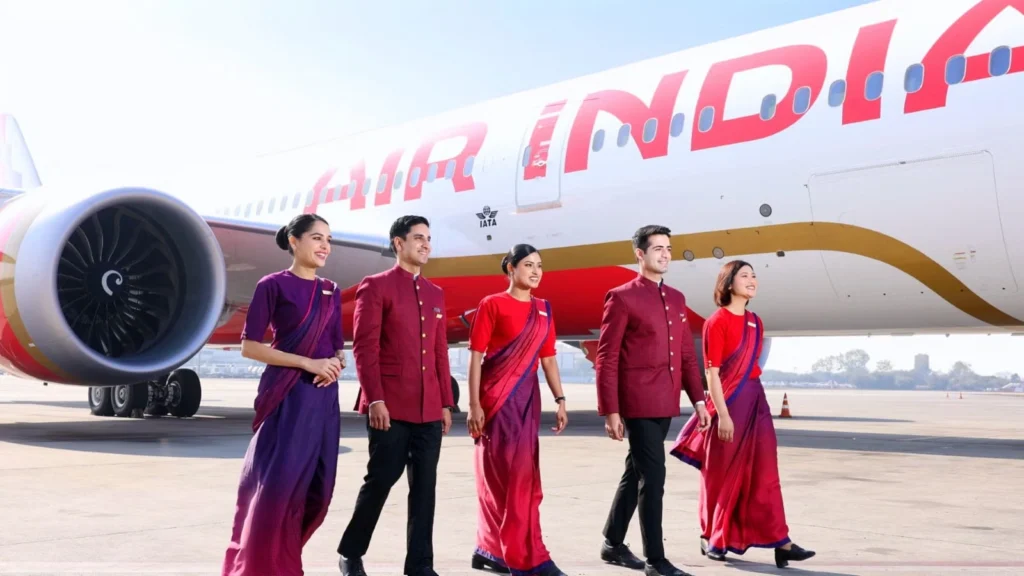
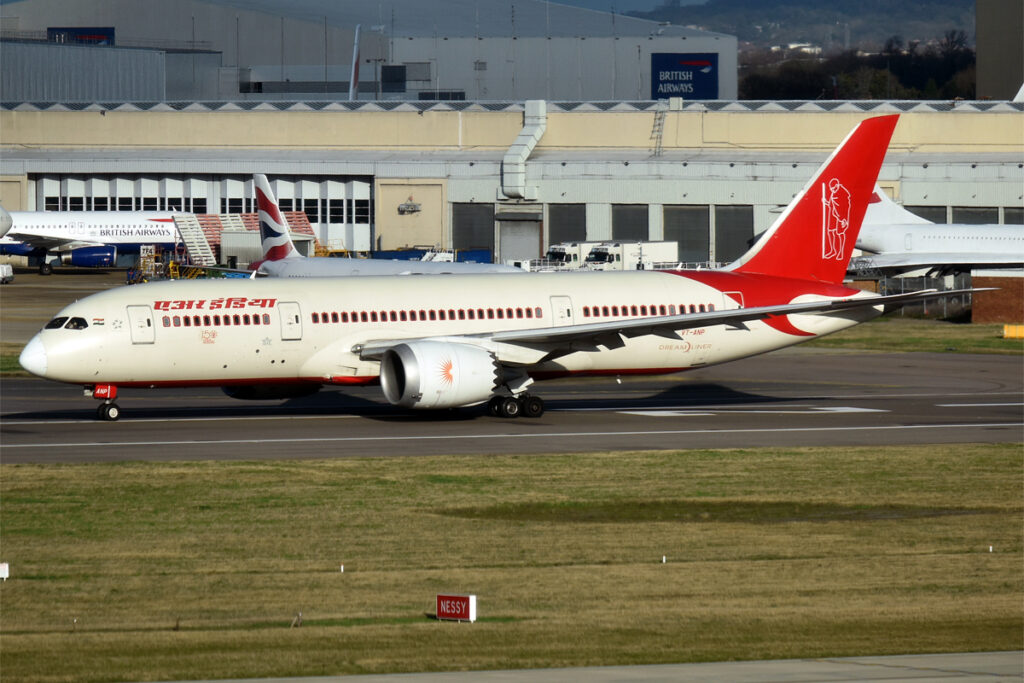
NEW DELHI- Tata Group-owned Air India (AI) is positioning Europe as a central pillar of its international network strategy, with the continent serving as a crucial link between India and global markets, including North America.
The carrier sees strong demand from key European hubs, including Frankfurt (FRA), Zurich (ZRH), and Vienna (VIE), prompting plans for capacity expansion as new aircraft join the fleet.
Central Europe CEO Sachin Verma confirmed that Germany, Switzerland, and Austria remain priority markets for the Tata Group-owned carrier.
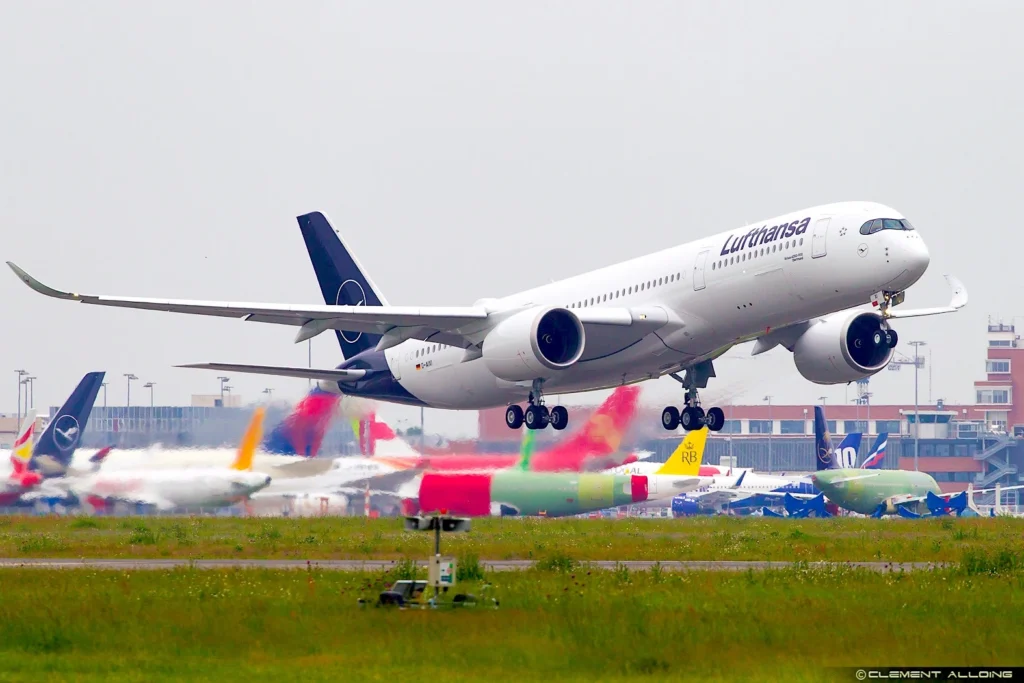
Air India (AI) plans to leverage nonstop connectivity from European cities to Indian gateways such as Delhi (DEL) and Mumbai (BOM), competing directly with Lufthansa (LH) and Gulf carriers including Emirates (EK) and Etihad (EY).
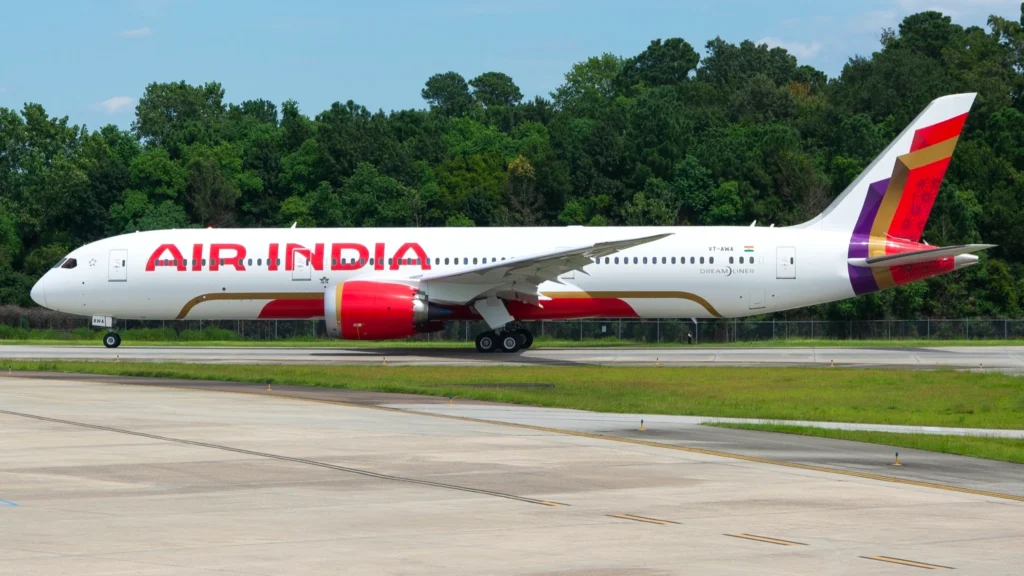
Air India Europe Expansion Strategy
Air India views Europe as a cornerstone market that bridges India with North America while serving the substantial Indian diaspora across the continent. Verma told aeroTelegraph that demand from Frankfurt and Zurich is developing very encouragingly, leading the airline to evaluate both higher flight frequencies and new European destinations as additional aircraft enter service.
The carrier intends to deploy further capacity in Europe as soon as new aircraft become available. This expansion forms part of the broader transformation taking place under the Tata Group, which acquired the airline in 2022.
Verma identified two core strengths that differentiate Air India from competitors in the region. The airline offers nonstop connections combined with authentic Indian hospitality, while many rival carriers rely on connecting itineraries through their respective hubs.
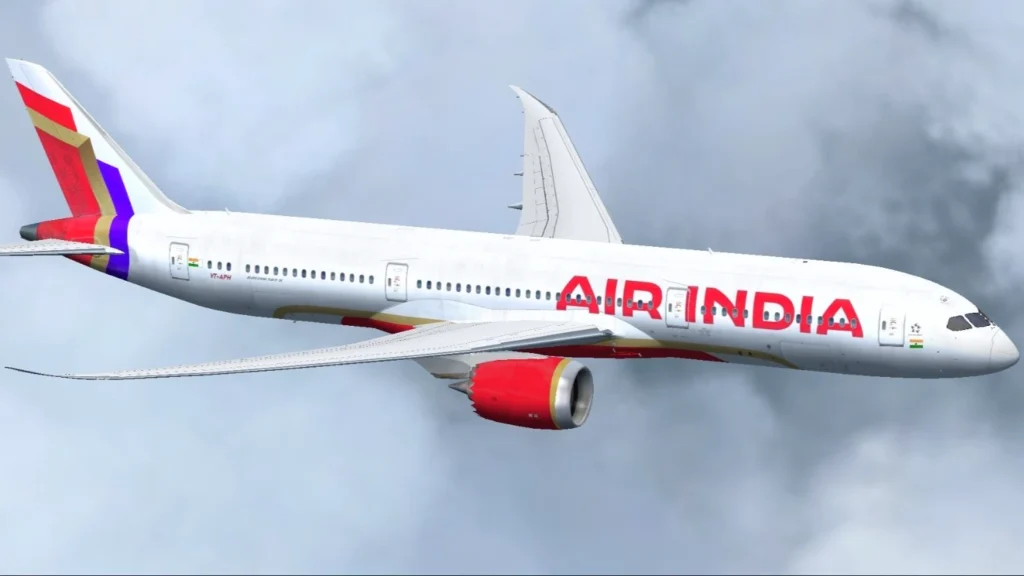
Competitive Positioning Against European and Gulf Carriers
The competitive landscape varies significantly depending on the route segment. In the nonstop category, Air India competes mainly with European network carriers such as Lufthansa, while in the connecting market, Gulf airlines, including Emirates and Etihad, represent the primary rivals.
Verma emphasized that the airline’s main advantage lies in offering direct, time-saving connections to India. This positioning becomes particularly relevant as several Gulf carriers face operational pressures, opening opportunities for Air India to capture transit traffic between Europe and the Asia-Pacific region.
Premium travelers form a critical customer segment, especially in markets like Germany and Switzerland. The airline has designed new cabins, lounges, and loyalty programs specifically for this group while maintaining quality service across all classes.
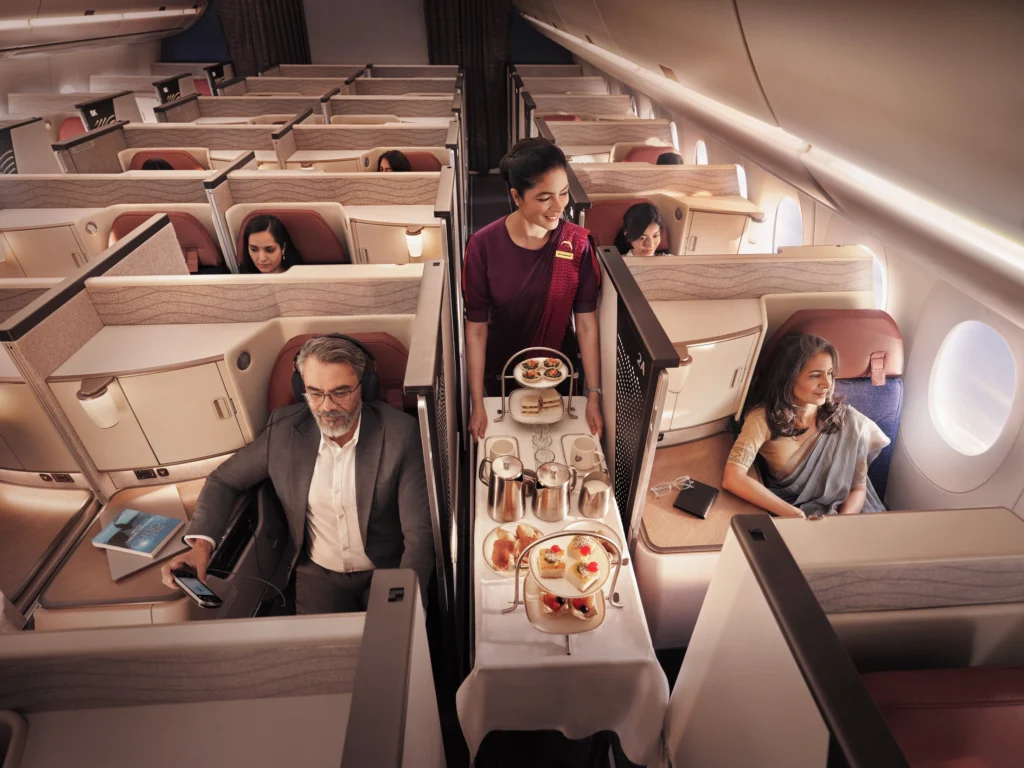
Product Standardization Across the Fleet
A central pillar of the ongoing transformation involves standardizing the passenger experience across all aircraft types. The airline currently operates with multiple cabin variations, which Verma described as inconsistent with the carrier’s transformation goals.
The new cabins on the Airbus A350 and refurbished Boeing 777 aircraft feature business class suites, premium economy, and redesigned economy seating. Service procedures have also been unified globally, ensuring passengers experience the same product whether departing from Frankfurt, London (LHR), or New York (JFK).
Customer feedback on the new cabins has been positive, with particular praise for the quiet cabin of the Airbus A350, the upgraded inflight entertainment system, and the fully flat business class suites. Verma noted that many passengers describe the experience as feeling like a completely new airline.
Preserving Indian Identity Amid Modernization
Despite extensive modernization efforts, Air India aims to retain its distinctly Indian character. The airline has historically represented Indian warmth and hospitality, and the transformation seeks to combine these traditional elements with global service standards.
Food offerings, cabin design, and service protocols retain a touch of India while appealing to international travelers. This balance forms a key part of the carrier’s brand positioning across its long-haul network.
Connecting passengers are becoming increasingly important for the airline’s commercial strategy. India’s geographical position, combined with Air India’s expanding network to Southeast Asia and Australia, is transforming Delhi and Mumbai into attractive transit points for European travelers.
A growing number of passengers are choosing India as a connecting hub for journeys to the Asia-Pacific region. This trend gains additional significance as Emirates, Etihad, and other Gulf operators face their own operational and strategic challenges.
Challenges in European Expansion
Air India acknowledges several obstacles to its European growth plans. Verma identified slot availability at major European airports, strict regulatory requirements, and intense competition as the primary hurdles.
Despite these constraints, the airline maintains a long-term strategy and remains confident in finding sustainable growth pathways across Europe.
The carrier has expressed particular interest in strengthening its operations at Vienna and Zurich. Verma described both as dynamic markets with growing business and leisure demand, aligning well with the airline’s long-term network vision.

Partnership Opportunities and Network Development
Air India remains open to partnerships that deliver added value to customers, though the current focus centers on expanding its own network and improving the product. Discussions are reportedly underway regarding expanded interline and codeshare agreements to further strengthen the European presence.
The airline cites infrastructure limitations, fuel costs, and capacity constraints as the major challenges within the Indian market. However, the broader operating environment remains favorable, supported by a young population, rising incomes, and increasing global connectivity.
Air India is addressing the aviation industry’s skilled worker shortage through significant investments in training and development programs. The airline also plans to attract international talent and build a corporate culture that rewards competence and service quality.
These workforce initiatives complement the carrier’s broader transformation, ensuring that operational capabilities match the upgraded product offering across its expanding network.
Stay tuned with us. Further, follow us on social media for the latest updates.
Join us on Telegram Group for the Latest Aviation Updates. Subsequently, follow us on Google News


