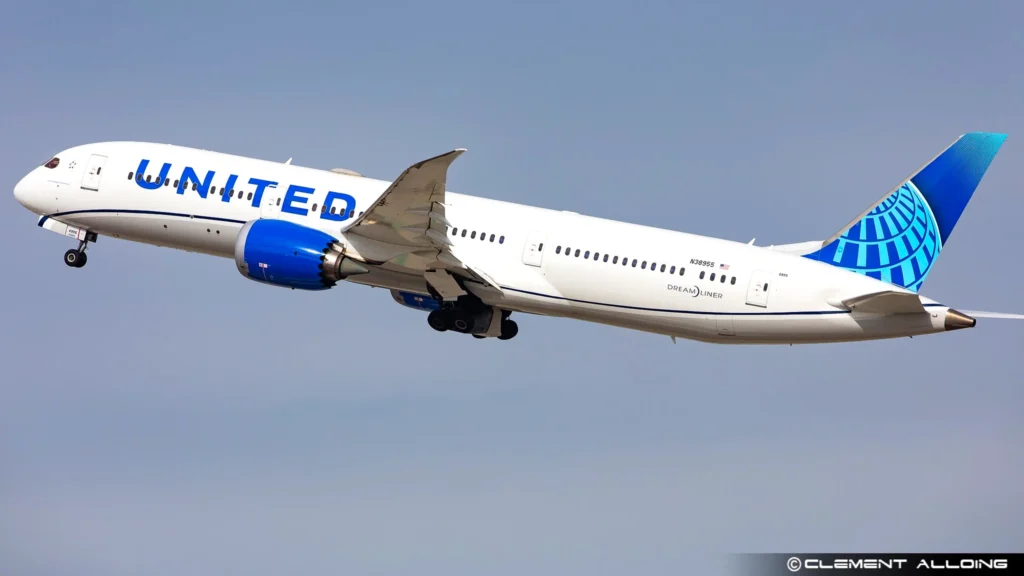
CHICAGO— United Airlines (UA) is facing growing complaints about non-functioning Wi-Fi on long-haul flights, particularly across the Pacific. Reports suggest the connectivity problems may persist for some time as the airline transitions to a new satellite provider.
The issue centers on the Panasonic satellite system used on United’s wide-body aircraft. While early speculation pointed to a cancelled contract, sources indicate the real problem is network saturation over the Pacific, an issue that could also affect American Airlines (AA) and Singapore Airlines (SQ) on routes like San Francisco (SFO) to Singapore (SIN).
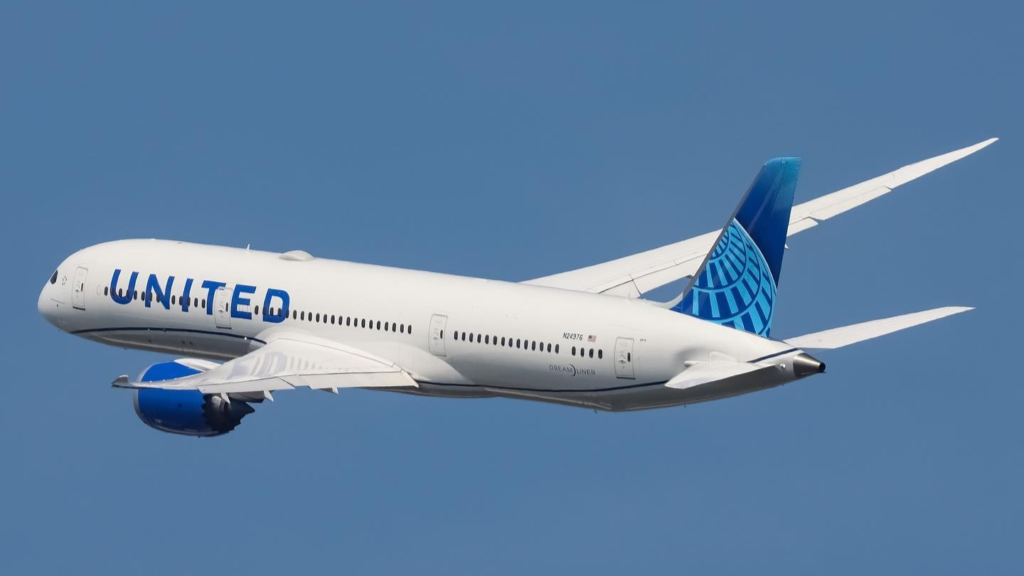
United Airlines Wi-Fi Fails on Flights
Numerous online complaints have surfaced recently about Wi-Fi not working on long-haul United flights. One example cited three consecutive long-haul United flights with no functioning Wi-Fi. Readers have also reached out directly, expressing confusion about the situation.
The service was never particularly fast to begin with. However, conditions have reportedly deteriorated to the point where Wi-Fi is simply unavailable on some flights.
One theory circulating online suggested that United did not renew its contract with Panasonic for wide-body aircraft ahead of a planned transition to Starlink. This explanation drew skepticism, since it would take roughly 19 more months before all long-haul United aircraft have Starlink installed. Leaving planes without connectivity for that long would be an unusual decision, OMAAT reported.
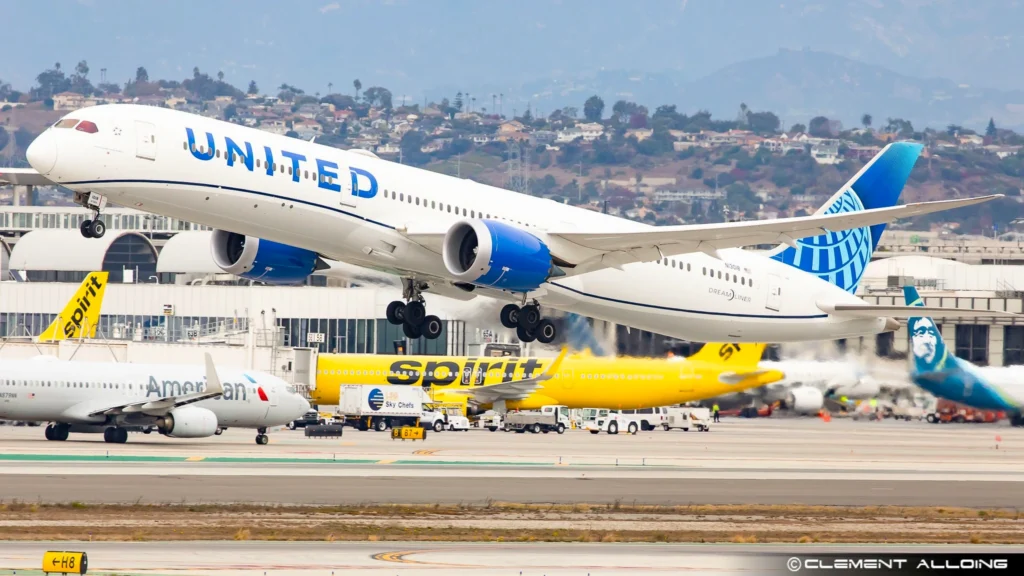
What Is Actually Affecting United’s Pacific Wi-Fi
Aviation source JonNYC recently shared information indicating that United pilots received a memo on the matter.
According to that memo, the long-haul satellite provider Panasonic was effectively saturated at certain times of the day, especially over the Pacific. This served as an acknowledgement that United’s Wi-Fi does not work on some, or many, flights.
JonNYC also confirmed that the rumor about United ending its Panasonic contract is not accurate. What remains unclear is whether this is a United specific Panasonic issue or a problem affecting all Panasonic customers equally.
One possibility is that the issue is more visible at United because the carrier operates a much larger route network across the Pacific than most other Panasonic customers. If all Panasonic customers are affected equally, similar problems could appear on American Airlines (AA), Singapore Airlines (SQ), and other carriers using the same system.
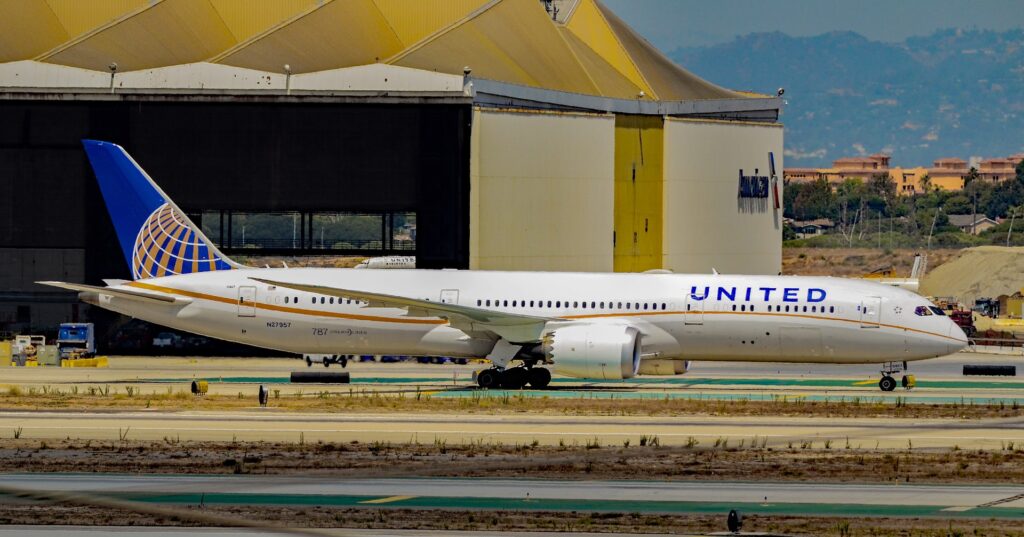
Why This Matters for Passengers
Connectivity expectations are important for travelers who plan to work during long flights. Boarding a 17-hour flight from San Francisco (SFO) to Singapore (SIN) with a morning departure, expecting to work for much of the journey, only to find the service unusable, would be a significant disruption.
For now, United’s Wi-Fi coverage map should not be treated as a reliable guide to what passengers can currently expect.
Over the Pacific, actual coverage may resemble a map with little to no expectation of Wi-Fi across Asia and much of the ocean, similar to how Delta Air Lines (DL) presents its own coverage in that region.
Bottom Line
There have been many recent reports of Wi-Fi on long-haul United flights being unusable or nearly unusable. This is especially true on flights over the Pacific, which use the Panasonic system.
United has reportedly not terminated its contract with Panasonic. However, the airline appears to be dealing with major coverage gaps and highly variable limits, meaning some flights have almost no connectivity.
It is not clear whether this affects all Panasonic airlines equally over the Pacific, or whether the issue is simply more visible at United due to its large Pacific network. Either way, something is clearly affecting service, but the cause is not a cancelled Panasonic contract.
Stay tuned with us. Further, follow us on social media for the latest updates.
Join us on Telegram Group for the Latest Aviation Updates. Subsequently, follow us on Google News


