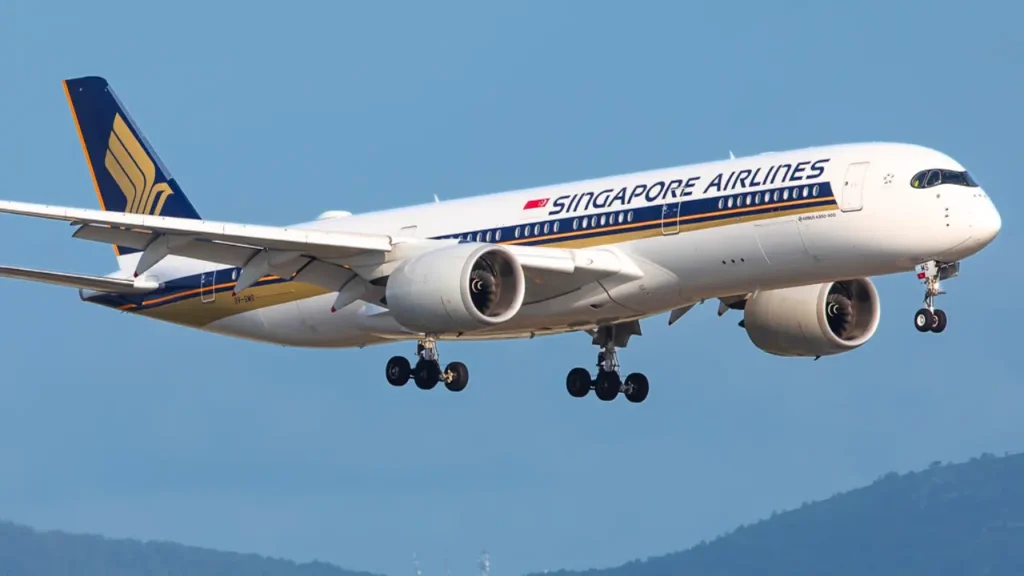
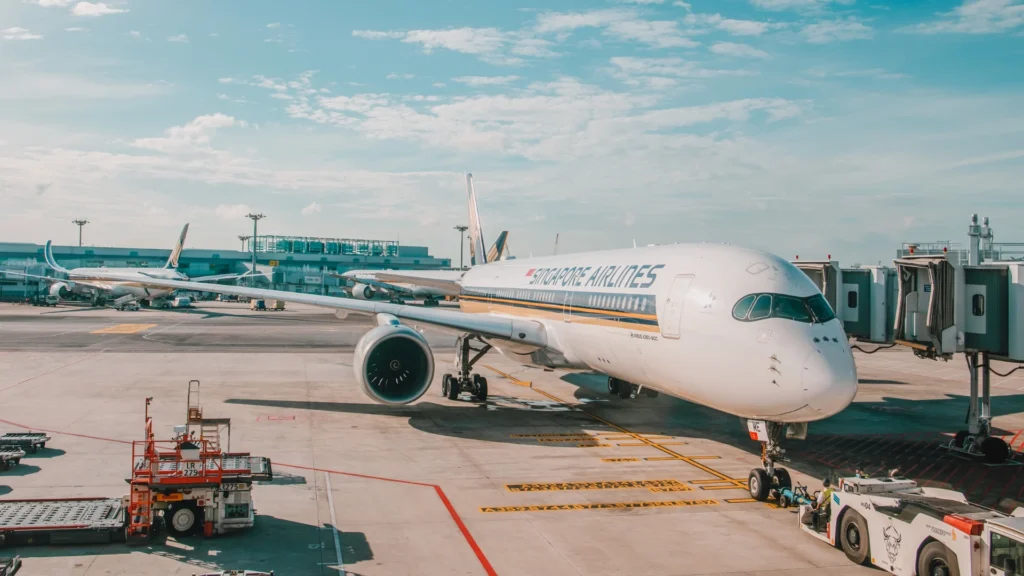
SINGAPORE- Singapore Airlines (SQ), based at Singapore Changi Airport (SIN), will reduce its widebody fleet for the first time in nearly 6 years. The carrier confirmed the change in the fleet development plan released alongside its annual financial results.
The contraction is driven by the retirement of a single Boeing 777-300ER, while five narrow-body Boeing 737-8 MAX jets join the mainline fleet. New Boeing 777-9 aircraft are expected to begin arriving later in 2027, with Lufthansa (LH) set to take the type first.
Singapore Airlines Widebody Fleet Cut
Singapore Airlines published its latest fleet development plan this week, covering deliveries and retirements through the financial year ending 31 March 2027.
The mainline passenger fleet will grow by a net four aircraft, rising from 148 to 152 jets. The plan covers passenger aircraft only and excludes the carrier’s seven dedicated freighters. All 5 new arrivals are narrow-body Boeing 737-8 MAX aircraft.
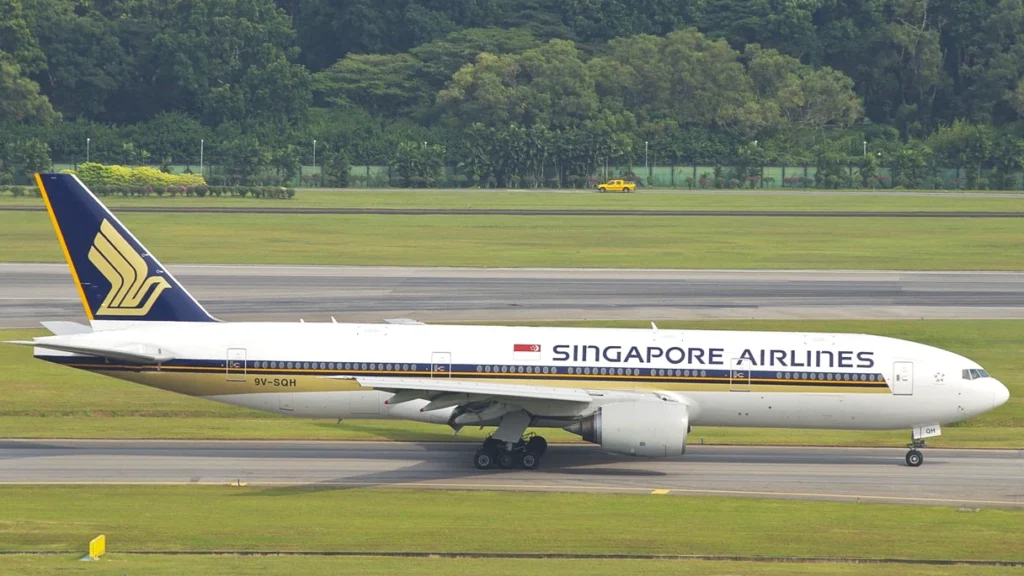
On the retirement side, one Boeing 777-300ER will leave the operating fleet with no immediate replacement.
This produces an outcome not seen since the COVID-19 pandemic. The carrier’s long-haul fleet will shrink rather than grow.
The long-haul fleet has held steady at 75 aircraft since November 2024, when the final Airbus A350 Long Haul, registered 9V-SJI, was delivered.
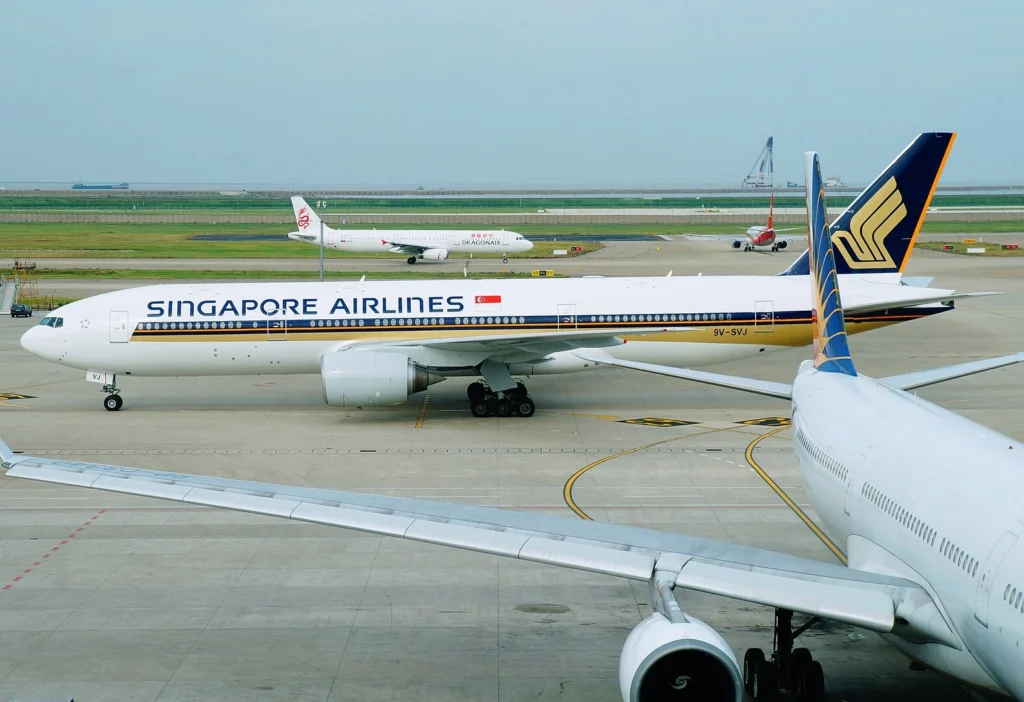
That fleet consists of 34 Airbus A350 LH, 7 Airbus A350 ULR, 12 Airbus A380, and 22 Boeing 777-300ER aircraft. The total will dip to 74 once the ageing 777-300ER is withdrawn.
The retired jet will be the sixth 777-300ER removed from service, following 9V-SWA, 9V-SWD, 9V-SWE, 9V-SWF, and 9V-SWN.
The reduction completes a plan first proposed in 2023, when the airline aimed to trim its 23-strong 777-300ER fleet to 21 aircraft by March 2024. The carrier retained 22 at that time, likely due to ongoing Boeing 777-9 delivery delays.
Reaching 21 this financial year suggests the airline now has greater confidence that its first 777-9s will arrive in 2027.
The original 2023 plan was shaped by Boeing’s delays. Singapore Airlines CEO Goh Choon Phong explained the position in May 2023, stating that because of a delay in the 777-9s, the airline had to look at extending the use of some of its aircraft, particularly the older 777-300ERs.
Mainline Fleet Movements at a Glance
The following changes apply to the mainline passenger fleet between 31 March 2026 and 31 March 2027.
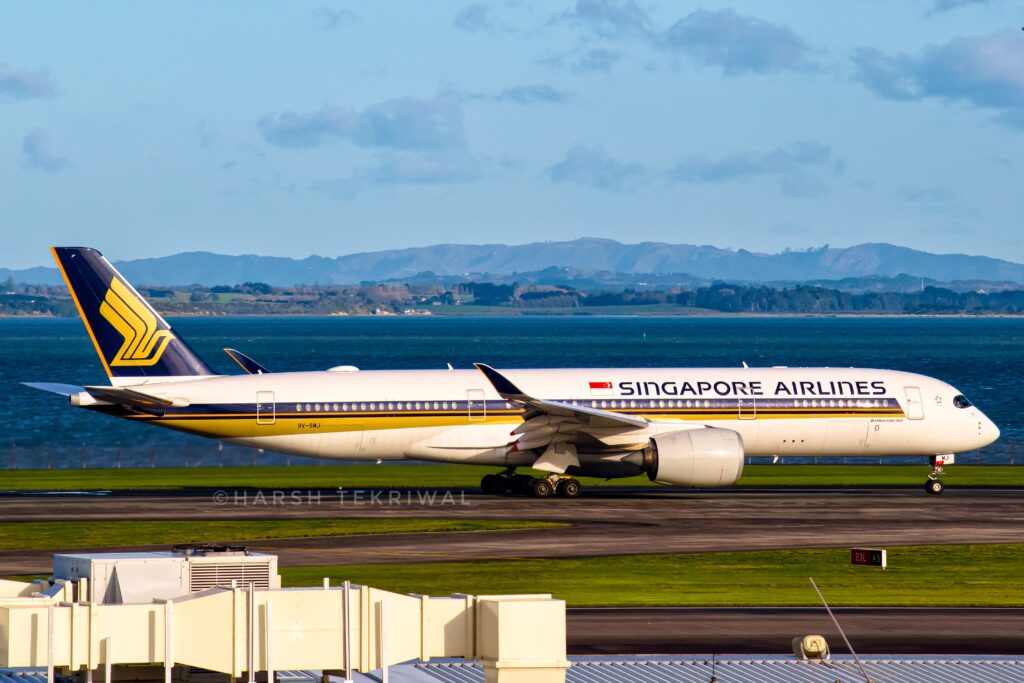
The Airbus A350-900 MH count holds at 24, the A350-900 LH at 34, the A350-900 ULR at 7, and the A380-800 at 12.
The table below sets out Singapore Airlines’ mainline passenger fleet movements between 31 March 2026 and 31 March 2027. It covers passenger aircraft only and excludes the carrier’s seven dedicated freighters.
| Aircraft Type | 31 Mar 2026 | Leaving | Joining | 31 Mar 2027 |
|---|---|---|---|---|
| A350-900 MH | 24 | — | — | 24 |
| A350-900 LH | 34 | — | — | 34 |
| A350-900 ULR | 7 | — | — | 7 |
| A380-800 | 12 | — | — | 12 |
| 737-8 MAX | 21 | — | +5 | 26 |
| 777-300ER | 22 | –1 | — | 21 |
| 787-10 | 28 | — | — | 28 |
| All Types | 148 | –1 | +5 | 152 |
The Boeing 737-8 MAX rises from 21 to 26 with five additions. The Boeing 777-300ER falls from 22 to 21 with one retirement. The Boeing 787-10 holds at 28. The total moves from 148 to 152 aircraft.
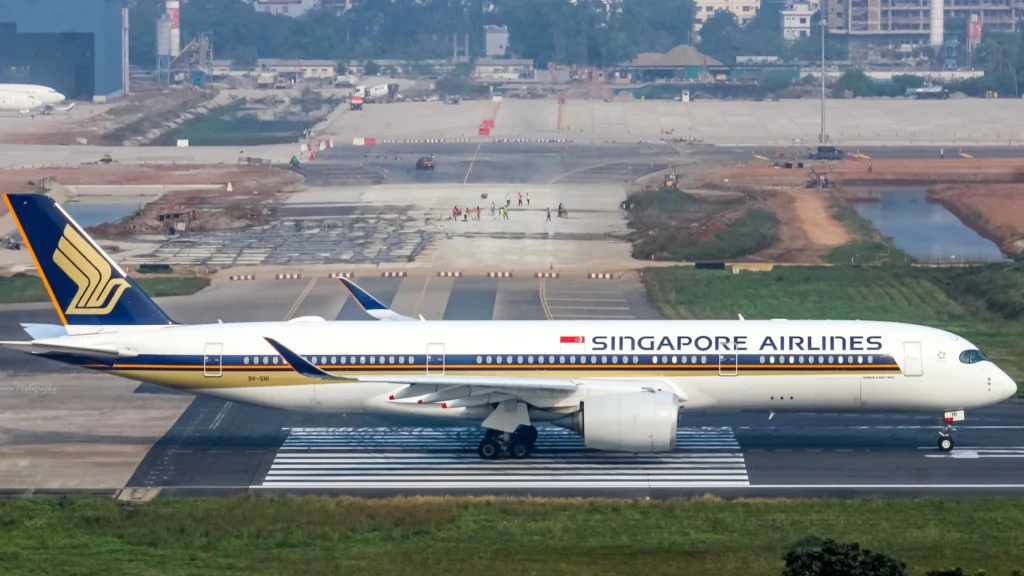
https://commons.wikimedia.org/wiki/File:9V-SHI_-_Singapore_Airlines_-_Airbus_A350-941_-_MSN_322_-_VGHS.jpg
Airbus A350 Retrofits Could Deepen the Impact
The single retirement is only part of the picture. Singapore Airlines plans to begin retrofitting its 34 Airbus A350 LH and 7 Airbus A350 ULR aircraft with new First and Business Class products.
Refit work is expected to start towards the end of 2026, with entry into service during the first quarter of 2027.
Individual aircraft will be taken out of the operating fleet, likely one at a time, for several weeks each.
As a result, the practical reduction in available long-haul capacity in any given month could be larger than the headline figure suggests.
With one retired Boeing 777-300ER and an Airbus A350 in the hangar for refurbishment, the active long-haul fleet could sit 2 or 3 aircraft below current levels by early 2027.
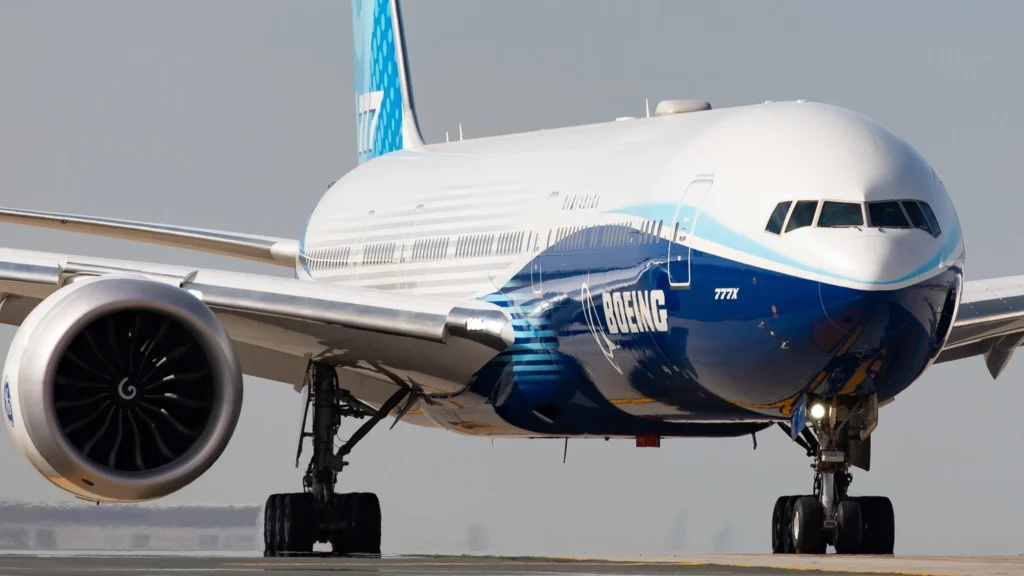
Boeing 777-9 Remains the Long-Term Answer
The Boeing 777-9 was originally meant to provide significant new long-haul capacity by now.
According to Mainly Miles, Boeing pushed first 777-9 customer deliveries from 2026 to 2027 in October last year, the fifth delay since the type was launched at the Dubai Airshow in November 2013.
Singapore Airlines’ latest plan confirms zero 777-9 deliveries in the 12 months to 31 March 2027.
Lufthansa (LH) will be the launch customer rather than Singapore Airlines. The German carrier expects its first 777-9 in early 2027 for entry into service in the northern summer 2027 schedule, which begins on 28 March 2027.
Boeing reaffirmed this plan earlier this month when Lufthansa’s first production aircraft completed its maiden flight, the first 777-9 fitted with a complete passenger cabin rather than test equipment.
Singapore Airlines should not be far behind. Its first 777-9, used initially as a test airframe, first flew in August 2025.
At least 10 of its eventual 31-aircraft fleet now hold line production numbers, with at least three already built.
However, Emirates (EK), Qatar Airways (QR), and Lufthansa may sit ahead of Singapore Airlines in the delivery queue, which could push the carrier’s first 777-9 deeper into 2027.
Expectations on fleet size should be measured. With 31 firm orders against 21 ageing 777-300ERs soon in service, the first deliveries will more likely replace 777-300ERs one for one rather than expand the fleet.
Genuine long-haul growth from the type is more likely a 2029 and beyond story. The 777-9 will arrive with the new First and Business Class products already installed, an advantage given that the departing 777-300ERs will not receive the new cabins or the faster Starlink Wi-Fi being rolled out across the fleet.
Record Breaking Development Programme
The Boeing 777-9 is on course to become the longest commercial aircraft development programme in aviation history.
Launched in November 2013, the type has suffered five delivery delays and looks set to surpass Concorde’s 4,801-day certification period.
If the 777-9 does not enter passenger service by 9 January 2027, it will officially overtake Concorde.
With Lufthansa targeting at least late March 2027, the record is now a matter of when, not if. For comparison, the original Boeing 777-200, an all-new fly-by-wire aircraft, went from launch to passenger service in under 5 years. The 777-9, a derivative, will take close to fourteen.
Five More Boeing 737-8 MAX Jets
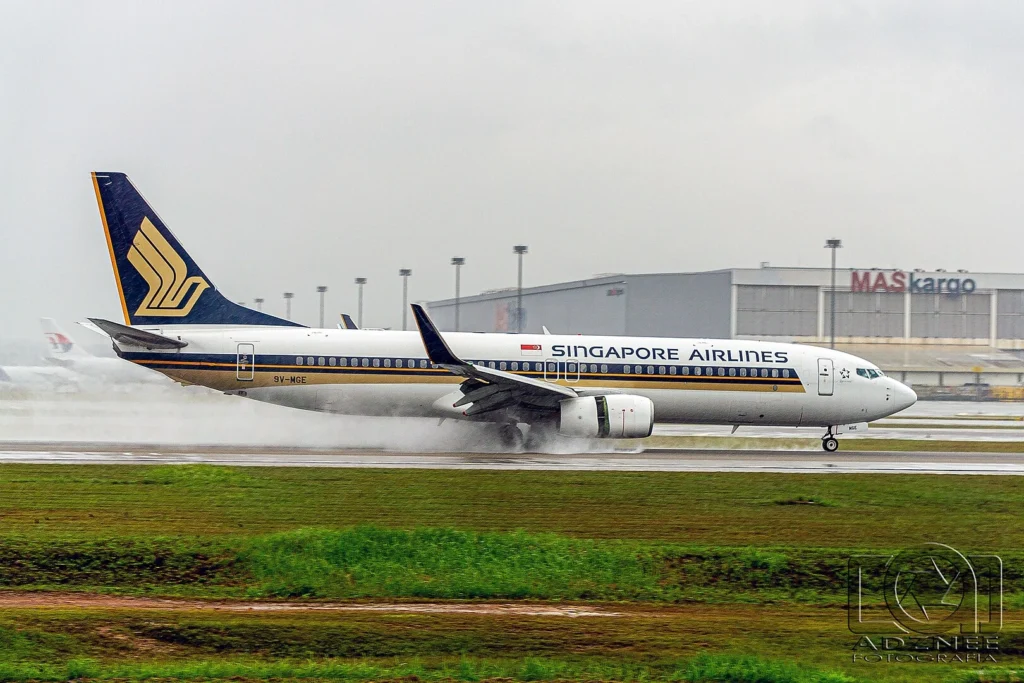
The narrow-body side is more straightforward. Five new Boeing 737-8 MAX aircraft will join during FY26/27, lifting the type’s count from 21 to 26.
FY25/26 was originally meant to be a “fleet hits 22” year, but one planned delivery slipped into the new financial year, leaving 21 in service at the year-end.
After reaching 26, just three more 737-8 MAX jets will remain on order, for a final total of 29, down from 37 originally.
Eight slots were redirected to additional Boeing 787-10 orders in 2023. The 737-8 MAX carries Singapore Airlines’ narrow-body flat-bed Regional Business Class seat and operates a wide range of regional routes, including some 4 to 6 hour sectors that the type is not always ideally suited to in passenger terms.
No Boeing 787-10 Deliveries This Year
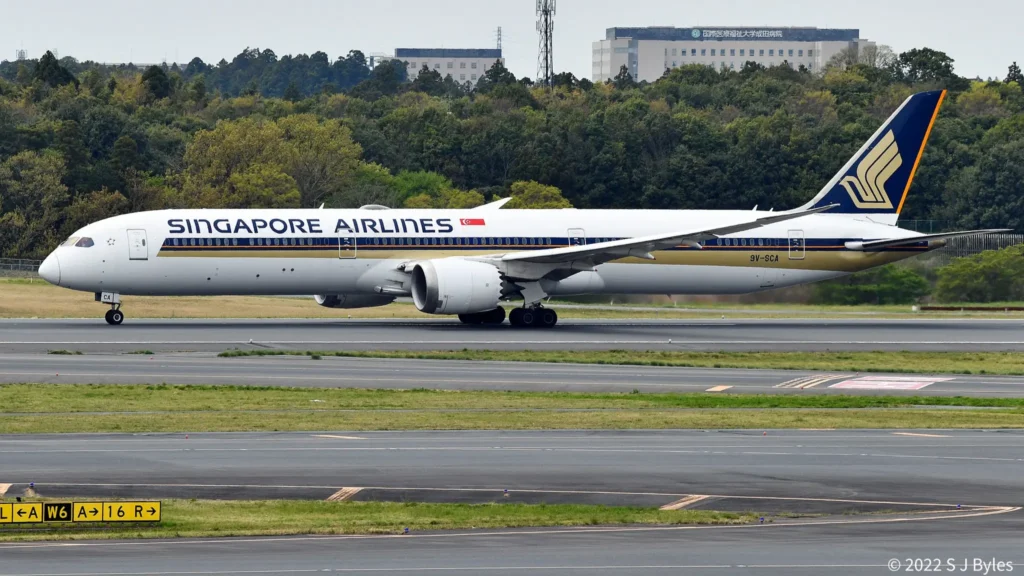
There are no Boeing 787-10 deliveries scheduled in FY26/27, which is less welcome news for passengers who favour the 2018 Regional Business Class seat.
The fleet remains at 28 aircraft, with the final three of the 31-strong order pushed to the April 2027 onwards period.
All regional fleet growth this year therefore comes from the narrow-body 737-8 MAX rather than the 787-10.

Premium Cabin Impact
The fleet movements weaken Singapore Airlines’ already thin premium cabin offering at the front of the long-haul fleet.
Withdrawing one Boeing 777-300ER removes four 2013 First Class seats and 48 long-haul Business Class seats from the operating fleet, with no offsetting long-haul deliveries to compensate.
This further reduces a historically low First Class footprint, at just 160 First Class and Suites seats fleet-wide as of March 2026, compared to 334 before the pandemic and 670 in 2010.
The upcoming Airbus A350 ULR retrofit will introduce First Class to that sub-fleet for the first time, with four closed-door suites crowning the first row of each aircraft from 2027.
The eventual fleet of 31 Boeing 777-9s, each fitted with the new First Class product, will further strengthen the cabin’s presence over time.
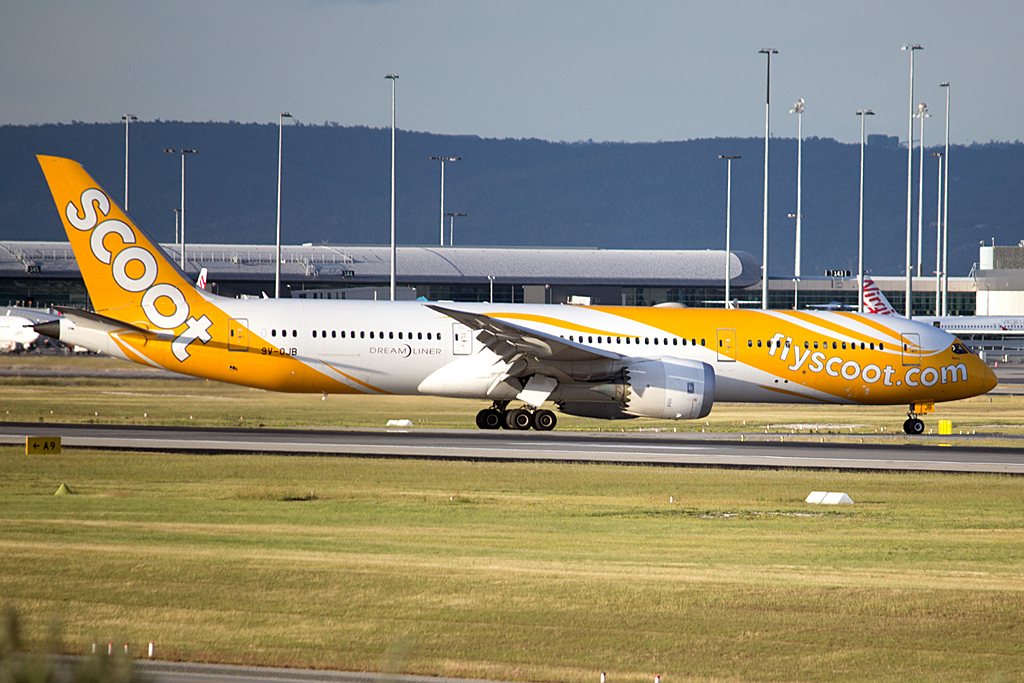
Scoot Fleet Development
The following table shows Scoot’s passenger fleet movements over the same 12 month period, reflecting a net gain of two aircraft.
| Aircraft Type | 31 Mar 2026 | Leaving | Joining | 31 Mar 2027 |
|---|---|---|---|---|
| A320ceo | 6 | –2 | — | 4 |
| A320neo | 12 | — | +2 | 14 |
| A321neo | 12 | — | +2 | 14 |
| 787-8 | 13 | — | — | 13 |
| 787-9 | 11 | — | — | 11 |
| E190-E2 | 9 | — | — | 9 |
| All Types | 63 | –2 | +4 | 65 |
Scoot recently ordered 11 additional Airbus A320neo family aircraft. This includes a firm order for five aircraft, comprising four A320neos and one A321neo, plus options exercised on a further six.
The total A320neo family order book now stands at 20 aircraft. The variant mix for the six options has not been disclosed. The airline has no further Boeing 787 or Embraer E190-E2 orders.
Bottom Line
Singapore Airlines’ FY26/27 fleet plan is modest, with a net gain of four aircraft. All growth comes from narrow-body Boeing 737-8 MAX jets, offset by the retirement of one Boeing 777-300ER.
For the first time since the COVID-era contraction, the long-haul fleet will shrink from 75 to 74 aircraft. The practical impact could be larger once Airbus A350 LH and ULR retrofit work begins, temporarily removing further long-haul jets from service.
The much-delayed Boeing 777-9 will arrive too late for this year’s plan, but the wait should now be measured in months.
The first 777-9s for Singapore Airlines will arrive with the new First and Business Class products already installed, aligning the fleet renewal with the cabin renewal.
Stay tuned with us. Further, follow us on social media for the latest updates.
Join us on Telegram Group for the Latest Aviation Updates. Subsequently, follow us on Google News


