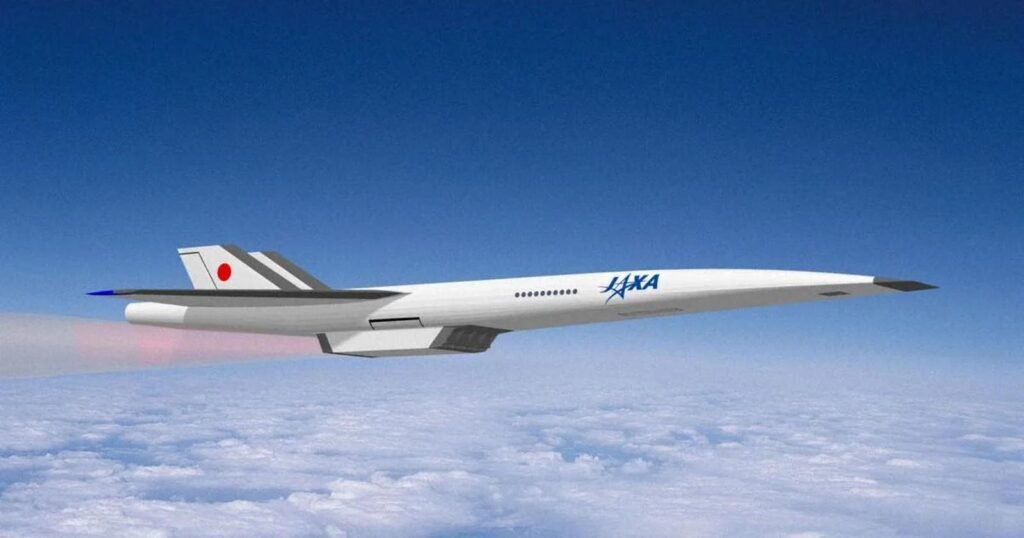
Japan has quietly stepped into one of the most technically demanding races in aviation with a hypersonic engine test that pushes far beyond anything currently flying in commercial aerospace. At JAXA’s Kakuda Space Center in Miyagi, researchers successfully carried out what officials described as Japan’s first Mach 5 combustion test using a hypersonic experimental aircraft, marking a significant moment for a country that has spent decades researching high-speed propulsion behind the scenes.

The numbers alone make the project sound almost unreal. Mach 5 is roughly 3,800 mph, fast enough to cross the Pacific in a fraction of the time taken by today’s long-haul flights. At that speed, even a route as punishing as Tokyo Narita to New York JFK, which covers roughly 6,730 miles, could theoretically be completed in about 1 hour and 45 minutes, before factoring in climb, routing, acceleration, and descent. More importantly, it is nearly three times faster than the cruising speed targeted by Boom Supersonic’s Overture, the American-built Concorde successor that aims to fly at Mach 1.7. For context, even at Mach 1.7, a New York JFK to Los Angeles flight of roughly 2,475 miles could theoretically take about 1 hour and 55 minutes, making Overture remarkably quick by today’s standards, yet still nowhere near Japan’s hypersonic ambitions. While Boom is trying to revive supersonic passenger travel for the modern era, Japan is already testing technologies that operate in an entirely different category of physics.
Japan’s Mach 5 experiment was about much more than raw speed
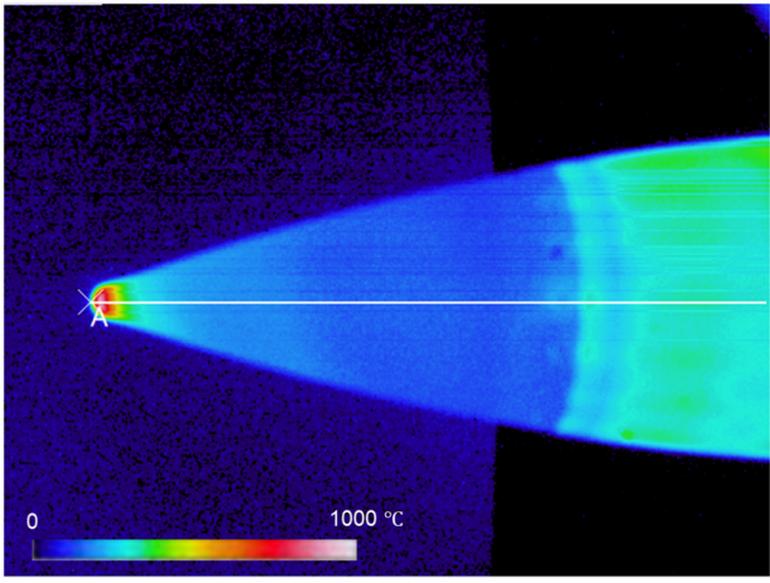
The test took place inside JAXA’s ramjet engine testing facility, where engineers recreated a simulated Mach 5 flight environment around a compact experimental aircraft. That meant exposing the vehicle to temperatures approaching 1,000 degrees Celsius around the airframe, the kind of thermal punishment that can destroy conventional aircraft structures within minutes.
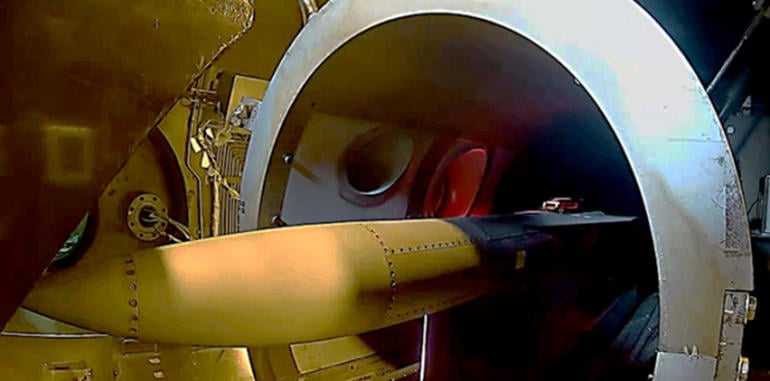
What makes the experiment important is that the Japanese team was not simply trying to keep an engine running. The hydrogen-fueled ramjet test examined how the entire aircraft behaved under hypersonic conditions. Researchers evaluated heat shielding, exhaust-temperature distribution, thermal-structure analysis, and even the operation of aerodynamic control surfaces while the aircraft was exposed to extreme temperatures.
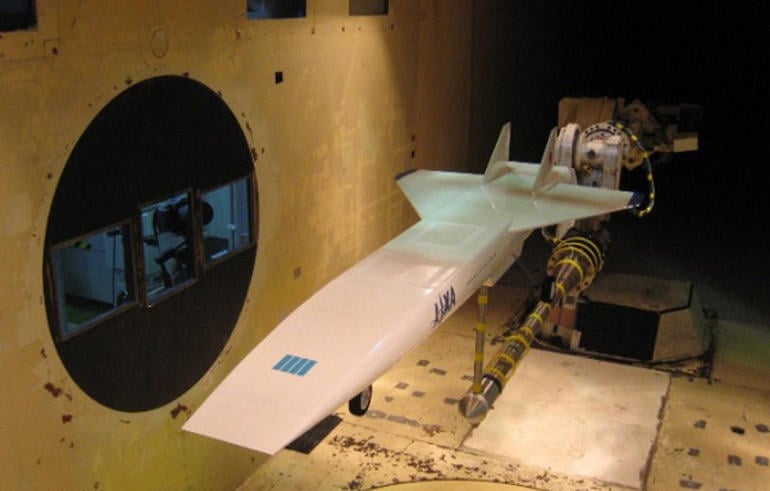
According to the team, the thermal protection system managed to keep the inside of the aircraft near normal operating temperatures despite the severe external heat. That detail matters because modern aircraft rely on sensitive onboard electronics for flight control, stability management, and engine operation. At Mach 5, protecting those systems becomes one of the central engineering challenges.
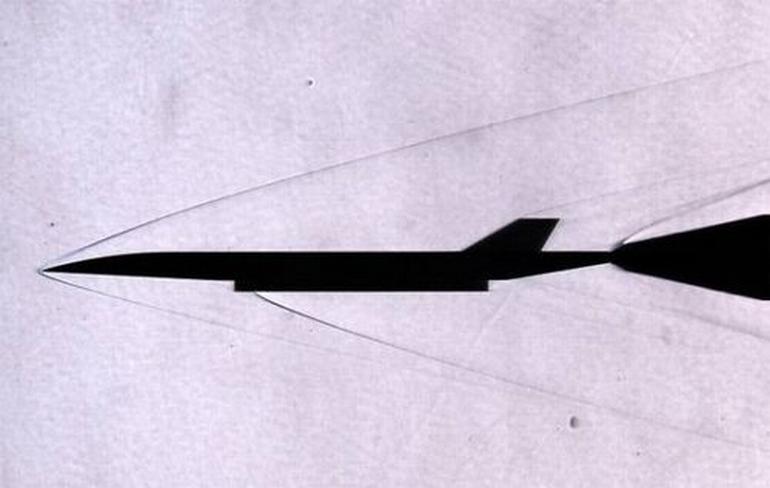
The hydrogen-powered ramjet itself is another major part of the story. Unlike traditional jet engines that use rotating compressor blades, a ramjet relies on the aircraft’s immense forward speed to compress incoming air before combustion. That makes the design mechanically simpler at hypersonic velocity, though it also means the aircraft must already be traveling at extreme speed before the engine can function efficiently.
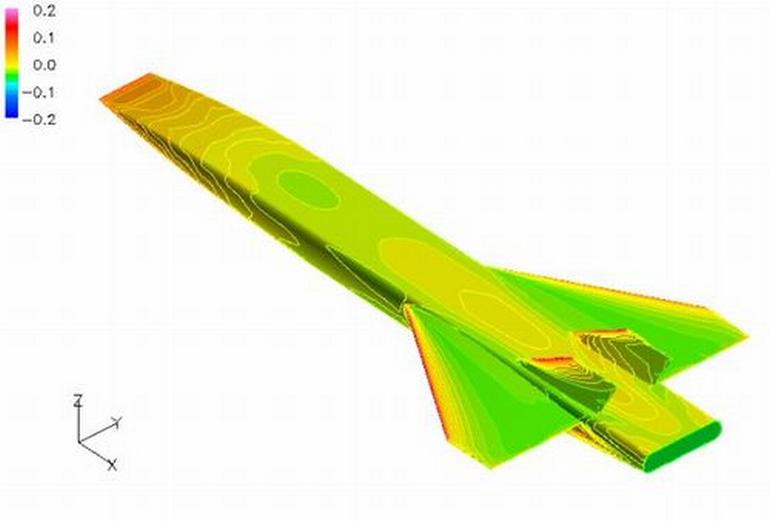
One easily overlooked detail from the Japanese program reveals how seriously the researchers are approaching the project. Engineers were also studying the environmental impact of hydrogen ramjet exhaust during the test. That means the experiment was not solely about reaching Mach 5. It was also gathering long-term data about whether hydrogen-based hypersonic propulsion could eventually become sustainable enough for broader aerospace use.

Thrice as fast as America’s Concorde
The comparison with Boom Overture highlights just how ambitious Japan’s project really is. Boom’s Overture has become the face of modern supersonic aviation, with promises of cutting transatlantic flight times in half while carrying around 64 to 80 passengers at speeds near Mach 1.7. It is effectively designed as a cleaner, quieter, and more commercially viable evolution of Concorde.
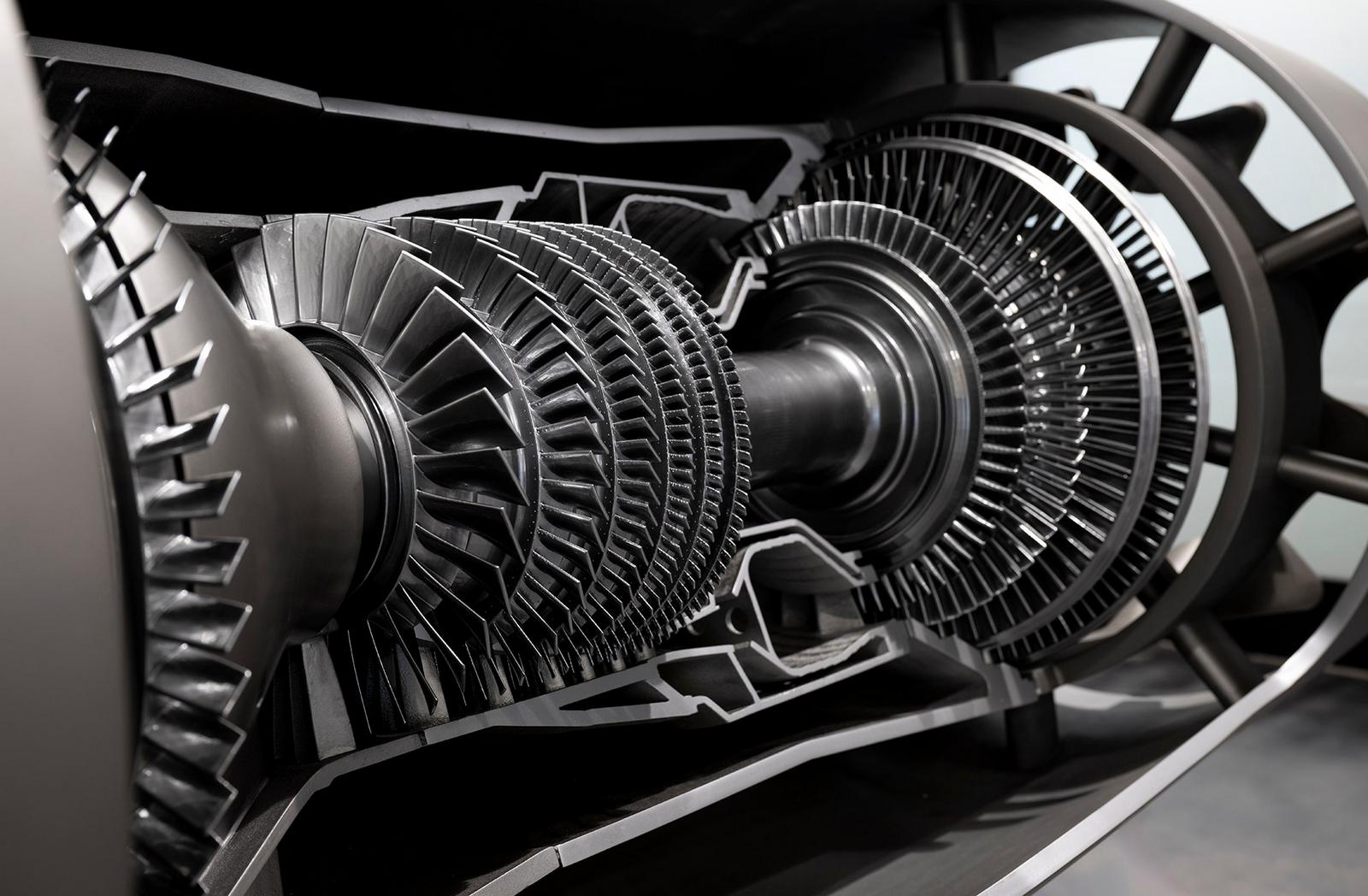
Japan’s experimental aircraft belongs to an entirely different world. At Mach 5, airflow itself becomes unstable, shockwaves dominate the aerodynamics, and temperatures around the aircraft can approach those seen on spacecraft during atmospheric reentry. The engineering challenge stops being about comfort and economics and becomes a battle against heat, pressure, and physics itself.
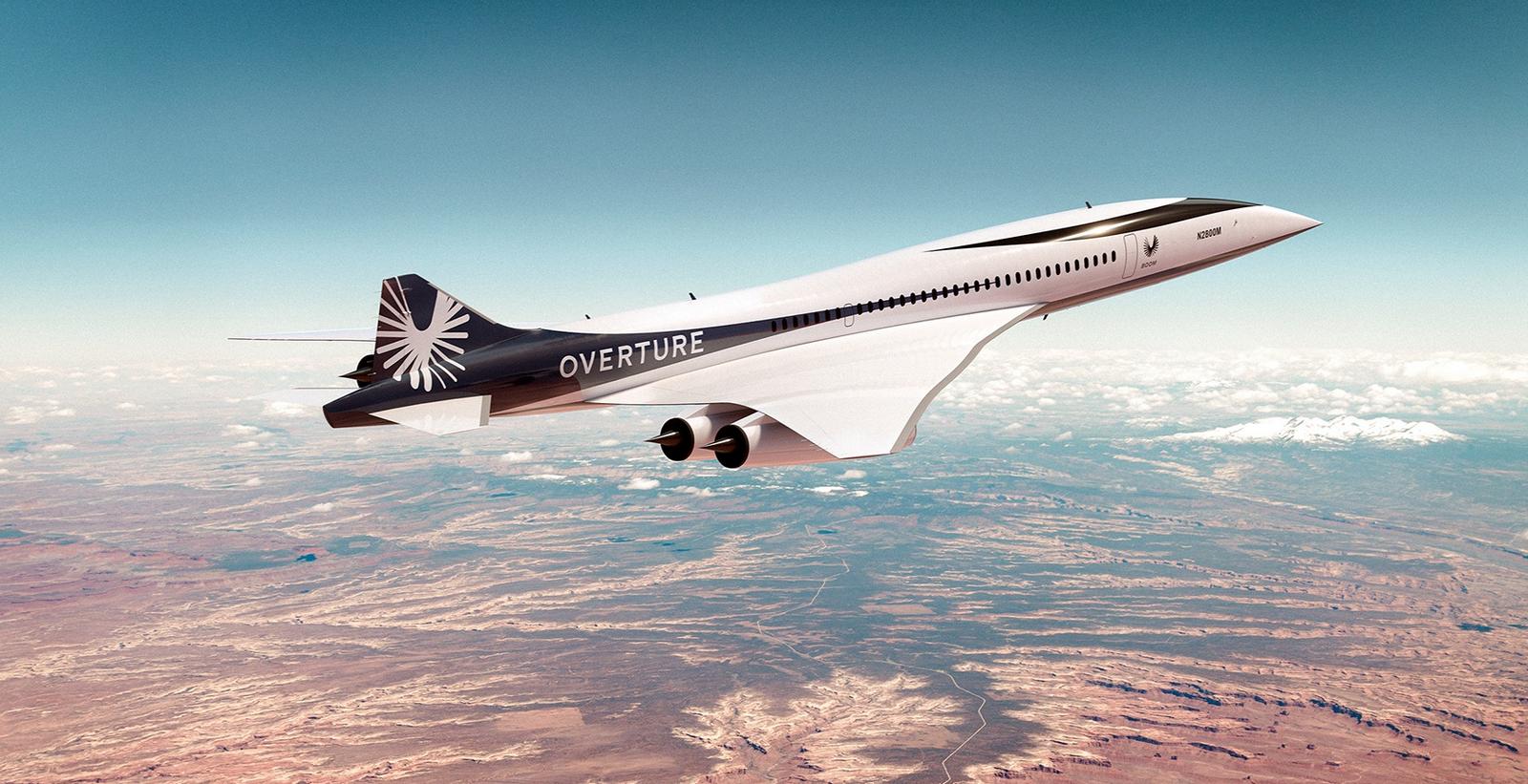
That is why Japan’s latest test feels important. The country is not unveiling flashy renderings or promising commercial flights by the end of the decade. Instead, it is slowly solving the foundational problems that have prevented hypersonic aviation from becoming reality for more than half a century. Boom Supersonic may bring back faster passenger travel first with plans to start production within two years, but Japan’s research suggests the next frontier in aviation could eventually move far beyond Concorde’s legacy altogether.