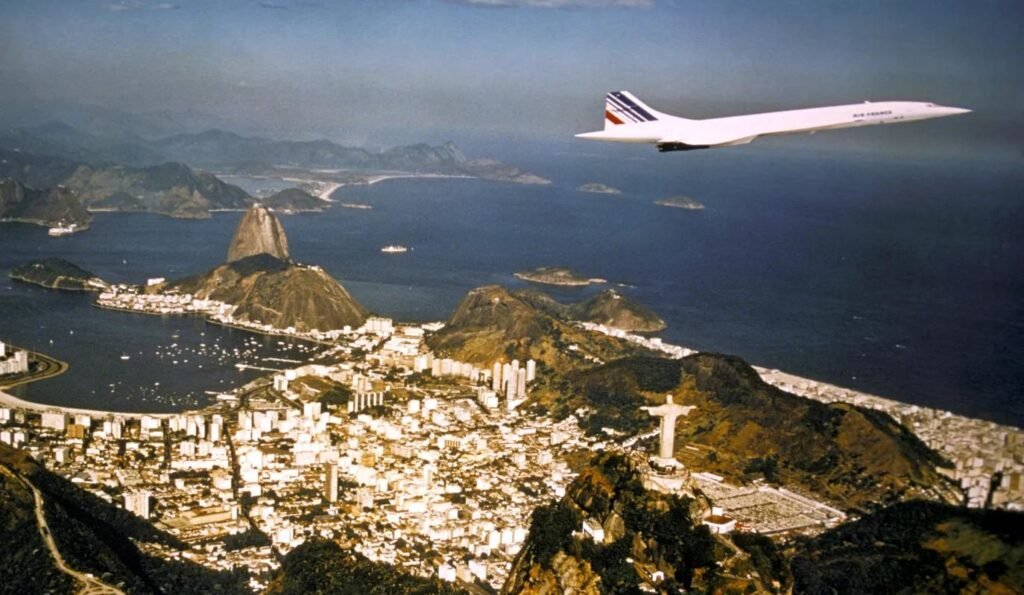
Before the captain stepped into the cockpit of the Concorde, somebody else went in first. It was not a ceremonial tradition or an airline quirk. The flight engineer entered ahead of the pilots because Concorde was so mechanically demanding, so aerodynamically sensitive, and so dependent on constant systems management that the aircraft effectively needed a dedicated onboard performance manager before the engines had even started.
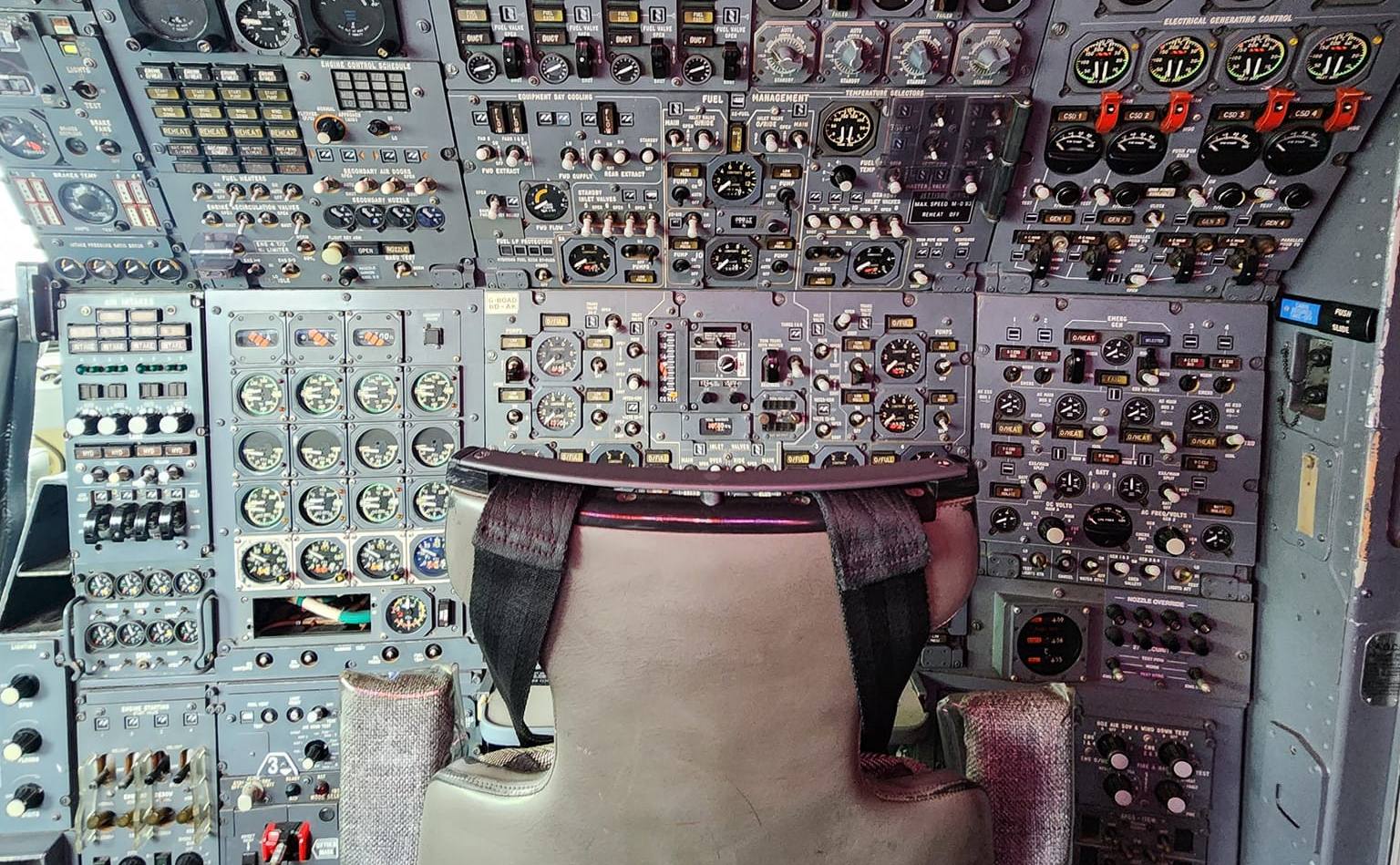
That small detail says almost everything about Concorde. While most commercial jets were designed to simplify flying, Concorde embraced complexity in pursuit of speed. Its cockpit was cramped, crowded with switches, and packed with more than 200 gauges and indicator lights. Air France once described it as a “temple of technology,” which feels less like marketing and more like an honest warning. The engineer squeezed into the flight deck first, followed by the co-pilot and finally the captain, because there was barely enough room for three people to operate one of the most advanced airliners ever built.
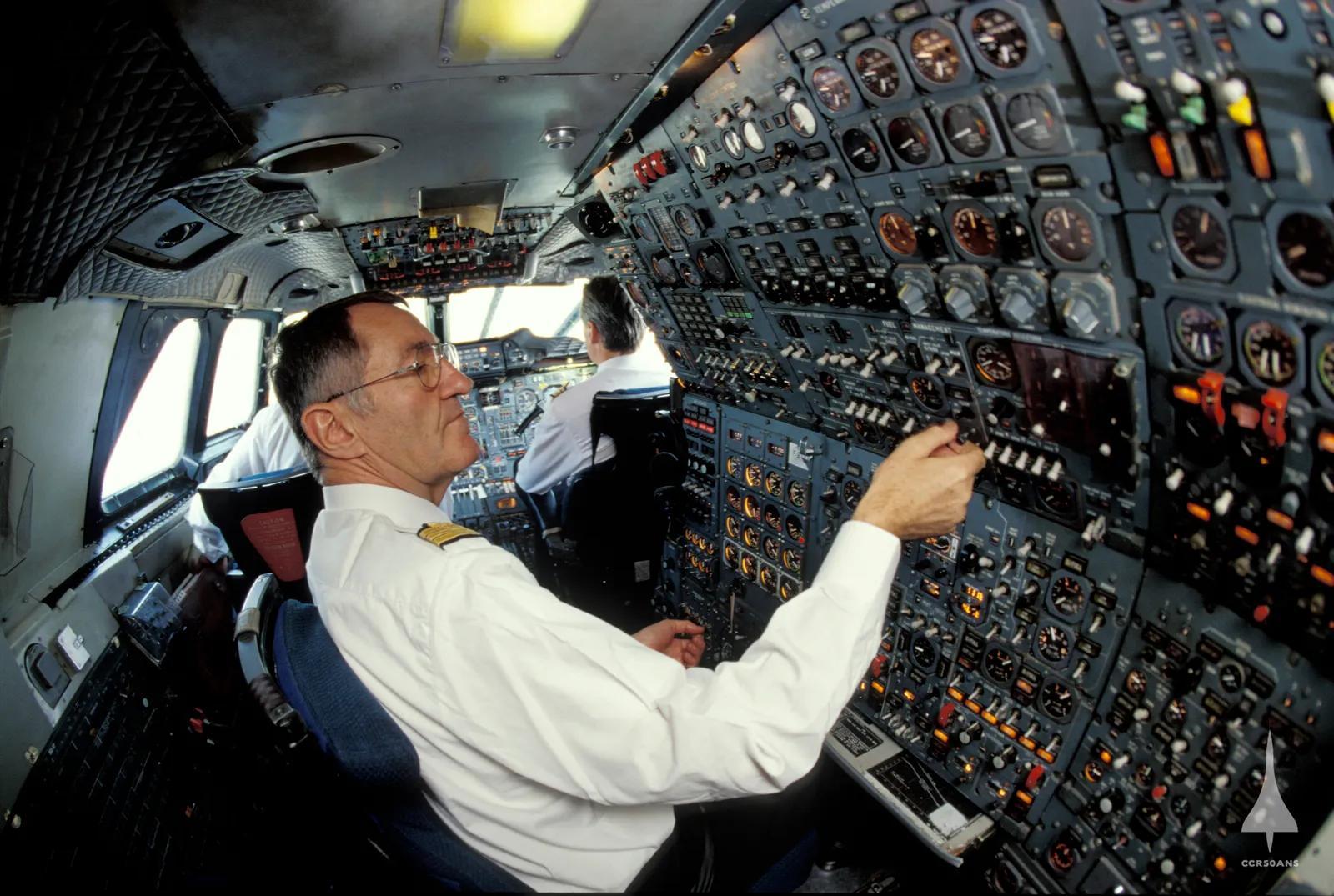
The man responsible for balancing a Mach 2 airliner
The flight engineer was not a decorative third crew member left over from aviation’s analog age. On Concorde, he was essential because the aircraft did something no ordinary passenger jet had to do. It moved fuel around its own fuselage during flight to remain aerodynamically efficient at twice the speed of sound, as pointed out by L’avionnaire.
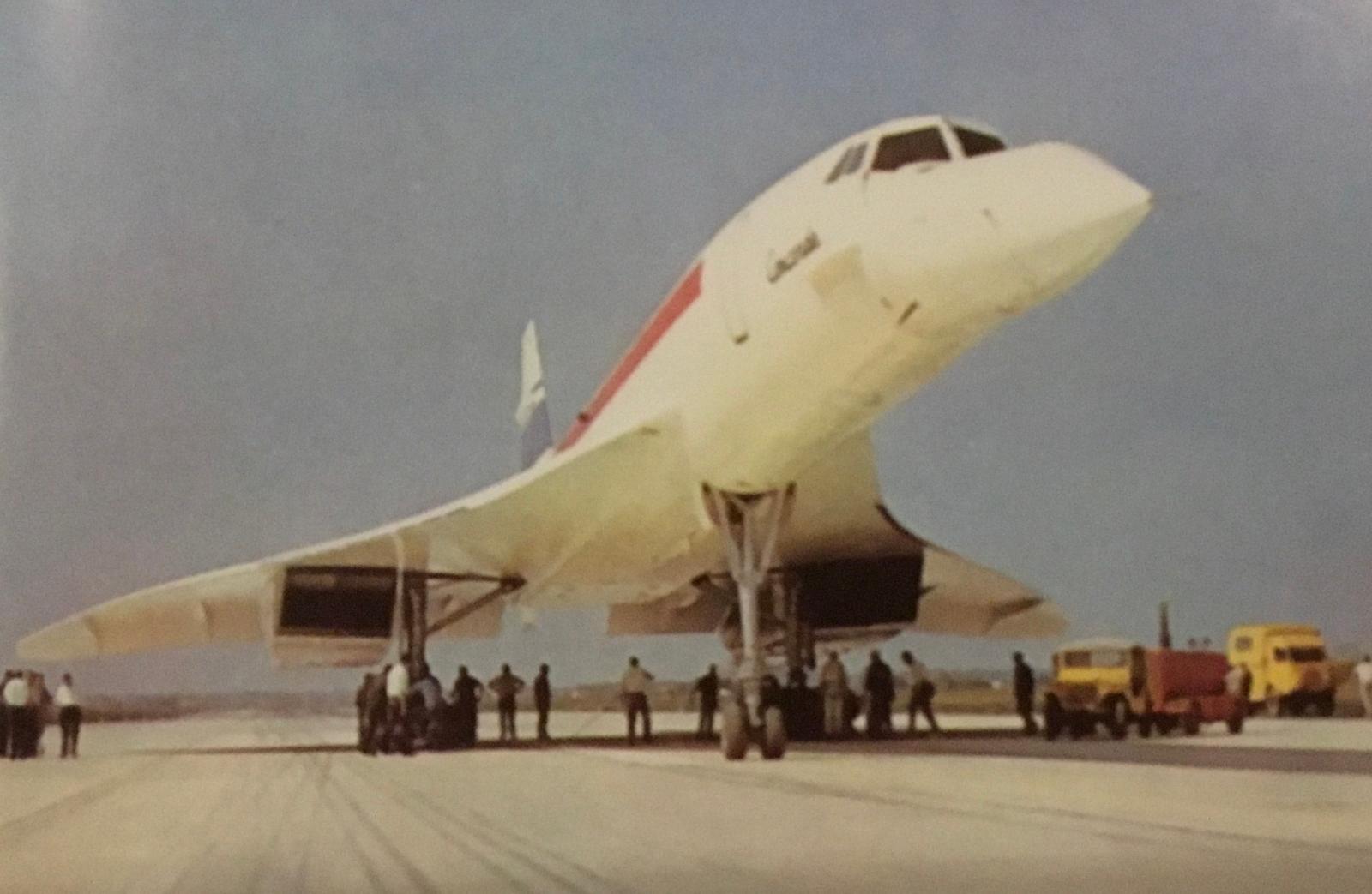
Concorde carried roughly 95 tons of fuel spread across 13 tanks positioned throughout the wings, fuselage, and rear tail section. Most airplanes simply burn fuel. Concorde used it as movable ballast. Once the aircraft accelerated past the sound barrier, the center of lift shifted rearward due to supersonic airflow.
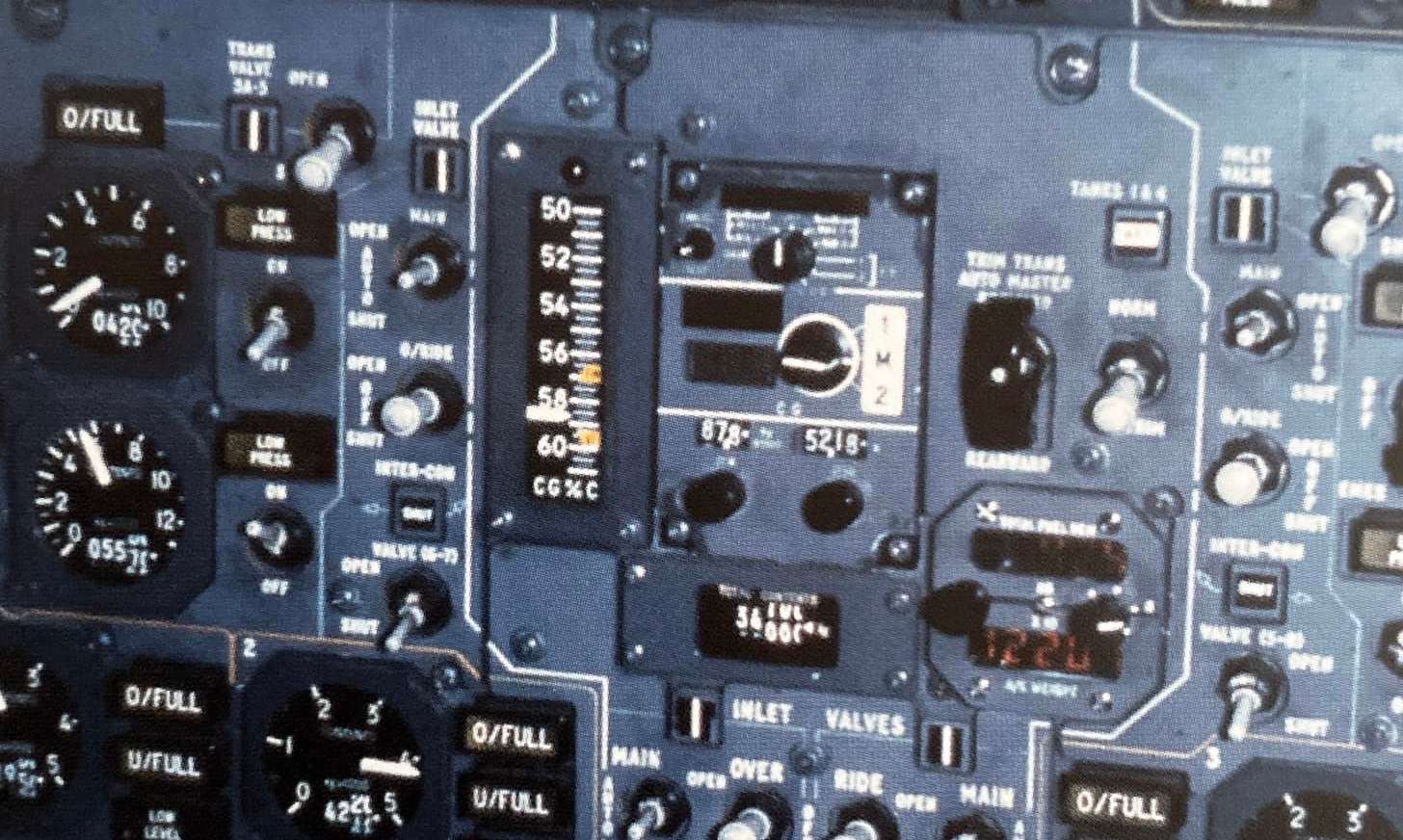
Engineers could have corrected that imbalance by adjusting the control surfaces, but doing so would have created drag, increased fuel burn, and reduced range. At Mach 2, even small aerodynamic penalties became expensive. Instead, Concorde physically shifted its center of gravity by pumping fuel toward the rear of the aircraft.
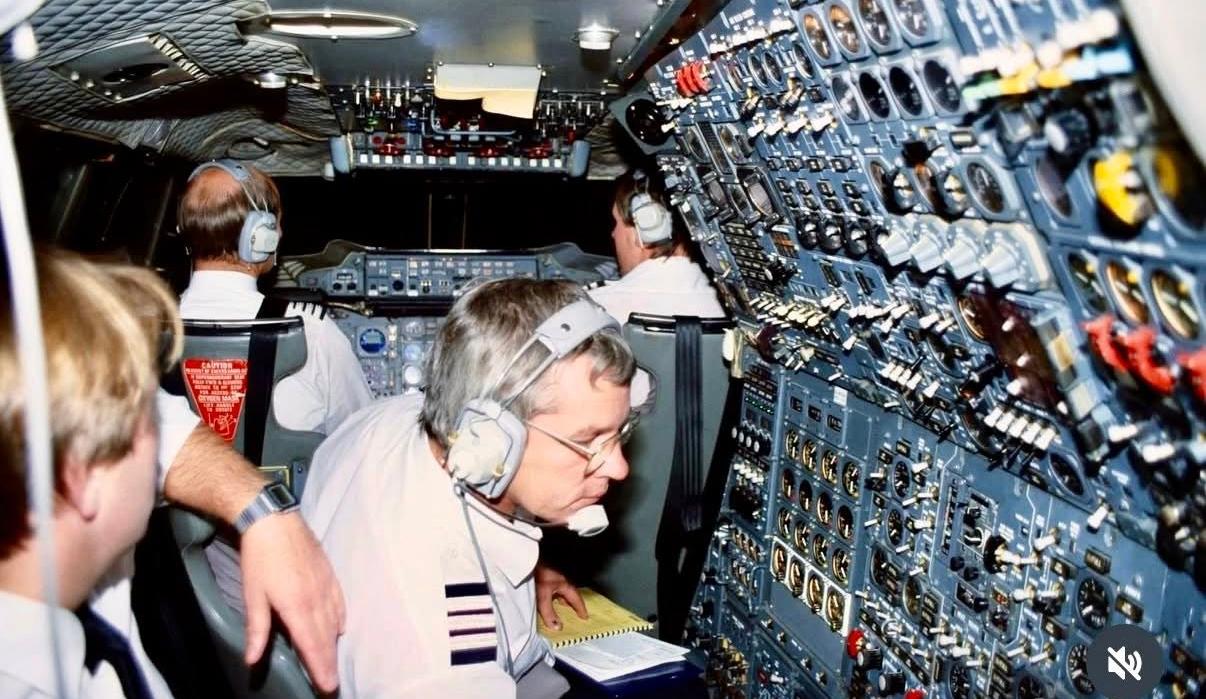
The flight engineer managed that process from his systems panel throughout the crossing. Before takeoff, fuel already began moving from forward trim tanks to rear trim and collection tanks. The balancing operation continued during acceleration through Mach 1 and remained active all the way to cruise at Mach 2. Roughly 20 tons of fuel could be transferred during the flight, moving the aircraft’s center of gravity by about 6 feet to match the changing aerodynamic forces. That meant Concorde was not just flying fast. It was continuously rebalancing itself in real time.
No peace for the engineer
Even after the aircraft settled into supersonic cruise above the Atlantic, the engineer’s work did not stop. One former British Airways engineer famously remarked there was “no peace for the engineer,” because Concorde still required constant aerodynamic fine-tuning long after reaching cruise altitude.
The engineer monitored the position of the elevons, the combined elevator and aileron surfaces that controlled the aircraft. If one drifted away from its ideal minimum-drag position, fuel had to be moved laterally from one side of the aircraft to the other to restore balance and remove the aerodynamic penalty. In effect, the flight engineer was continuously trimming a supersonic machine for maximum efficiency while passengers drank champagne and ate caviar in the cabin behind him.
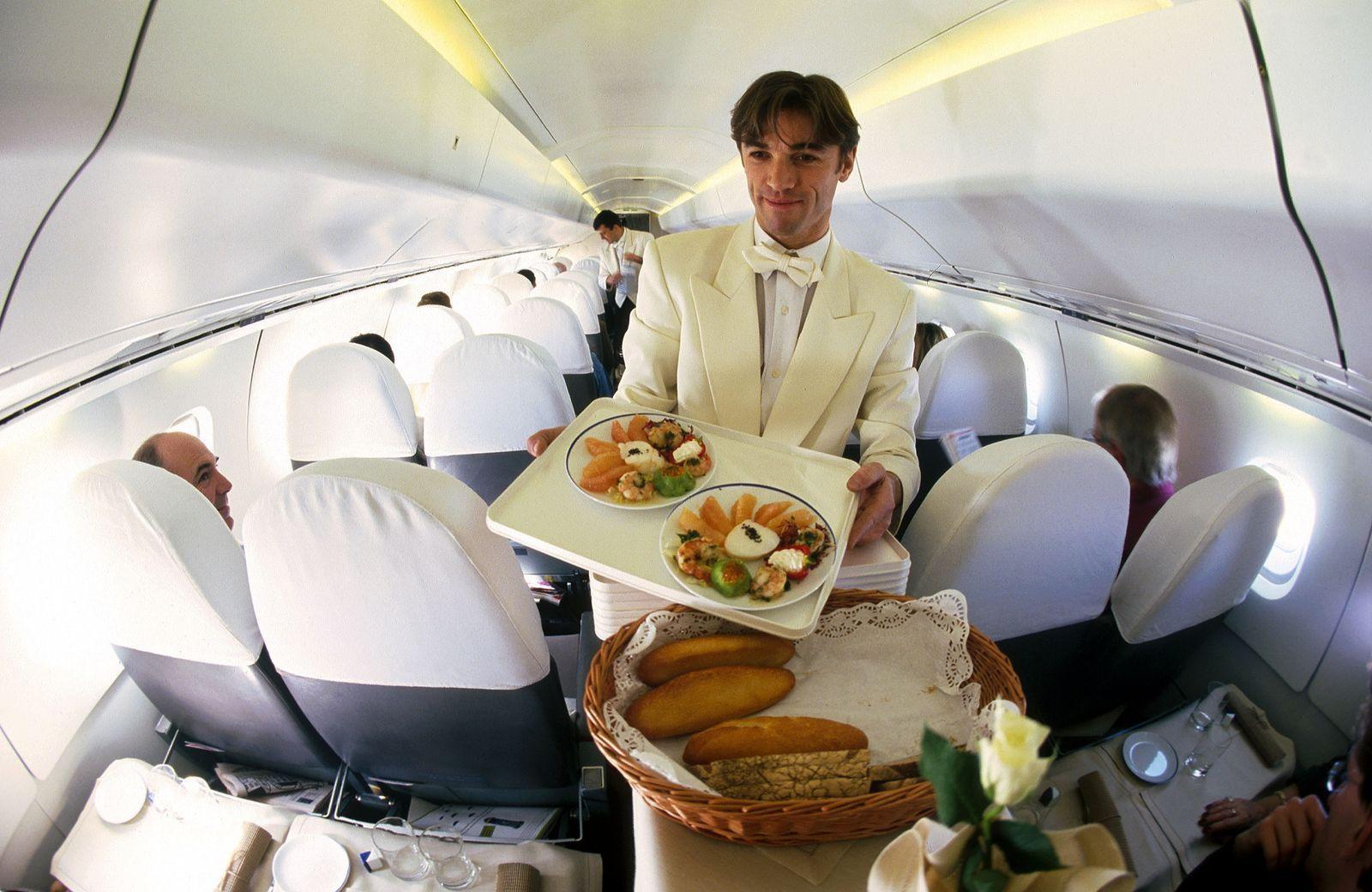
Some passengers could even hear the fuel moving beneath the floor during these transfers. While Concorde projected glamour outwardly, internally it was constantly rearranging its own mass to remain stable at 1,350 mph.
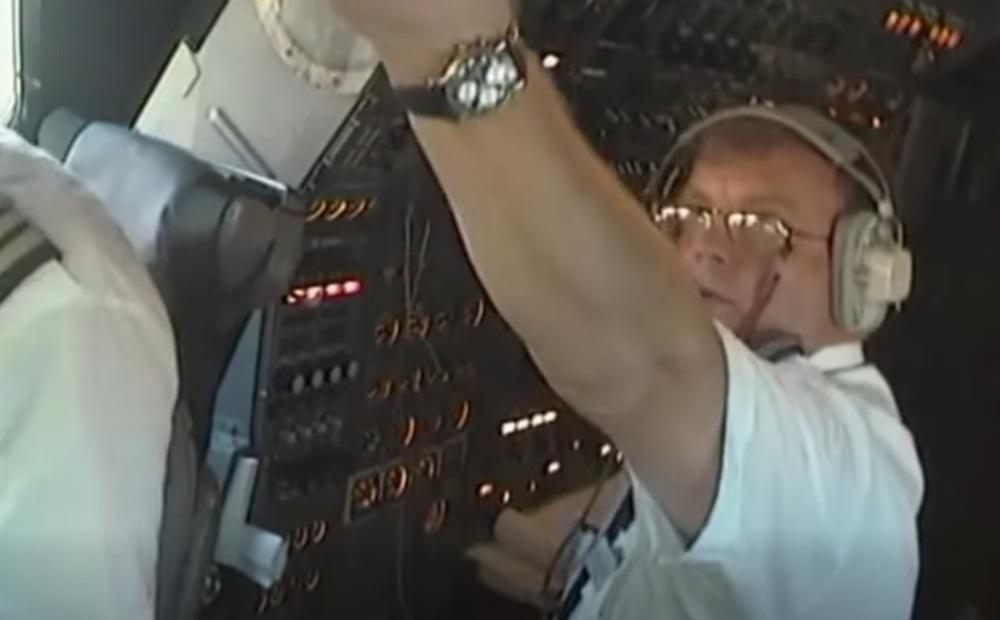
The engineer’s seat itself reflected the intensity of the job. It could rotate outward toward the systems panels during monitoring and then pivot forward again for takeoff and landing. Heritage Concorde even notes that the cockpit included collision-prevention arrangements between the engineer’s seat and the captain’s position because the space was so tight.

A different aircraft by the time it landed
One of the most remarkable aspects of Concorde’s fuel-balancing system was that the process eventually reversed itself. The rearward center-of-gravity position that made the aircraft efficient at Mach 2 was unsuitable for landing. As the aircraft slowed during descent, fuel had to be pumped forward again to return Concorde to a stable subsonic balance state.
In other words, Concorde effectively transformed itself twice during every Atlantic crossing. Fuel moved aft to make the airplane efficient at supersonic speed, then moved forward again to make it landable.
That extraordinary balancing act explains why Concorde still feels closer to a spacecraft than a commercial jet decades after retirement. The airplane did not simply fly faster than everything else in the sky. It demanded an entirely different philosophy of operation, one where fuel became part of the flight-control system and where the first person into the cockpit was not the captain, but the man responsible for keeping a Mach 2 airliner perfectly balanced over the ocean.


