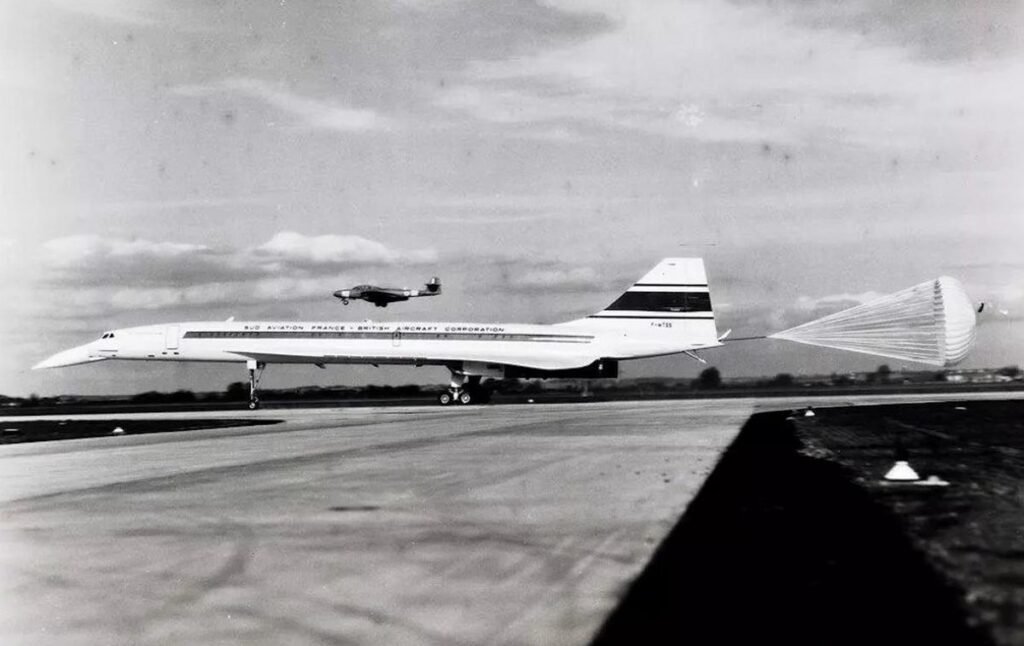
For generations, Concorde stood as the ultimate symbol of what happened when governments decided that speed mattered more than cost. Backed by Britain and France, powered by national prestige, and supported by some of the finest aerospace engineers of its era, the sleek airliner became the world’s most famous supersonic passenger aircraft. Yet one statistic from a modern American startup is now forcing an uncomfortable comparison with one of aviation’s greatest achievements.
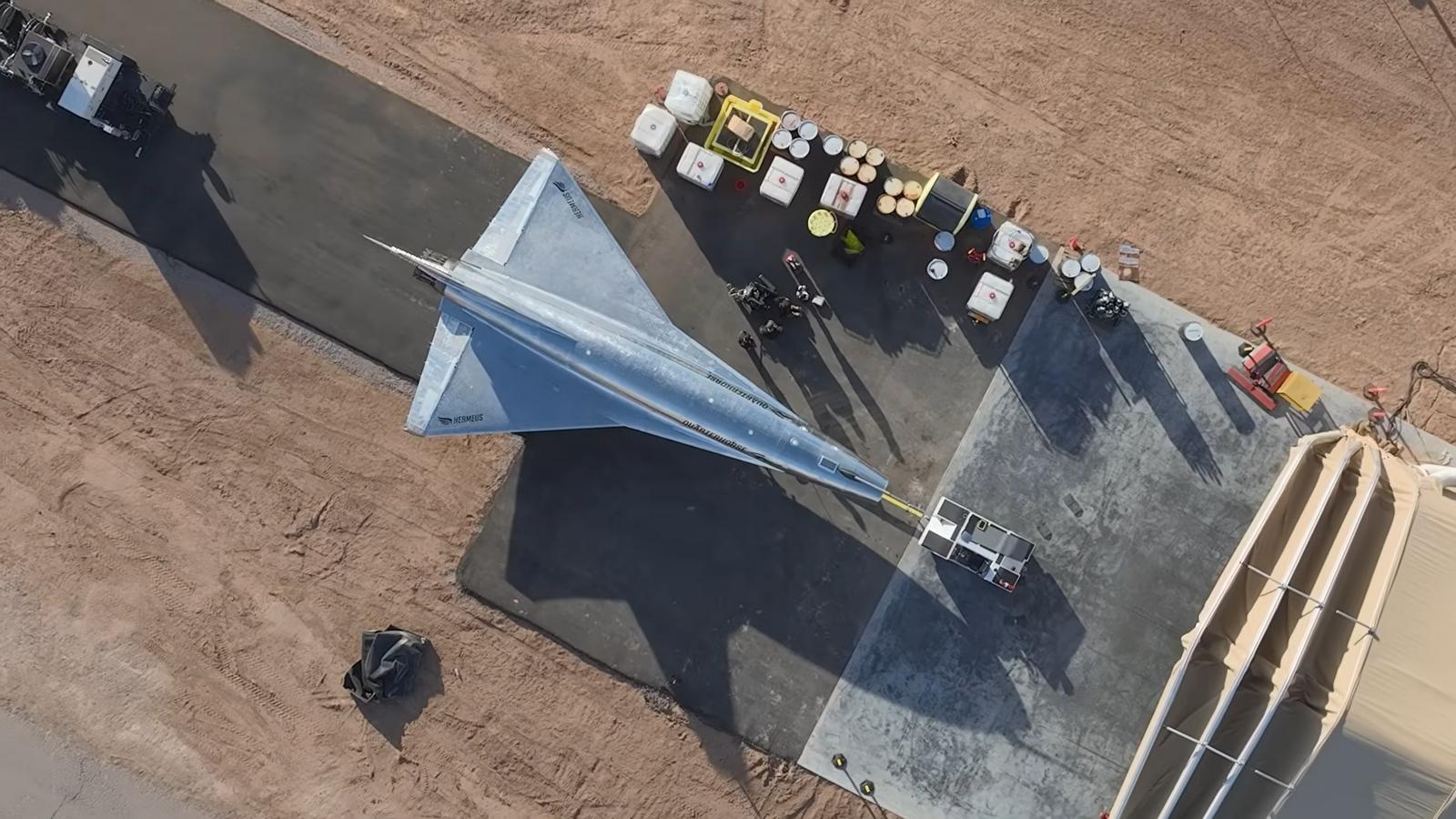
From the signing of the Anglo-French Concord treaty on November 29, 1962, to Concorde’s first supersonic flight on October 1, 1969, roughly 2,500 days passed. By comparison, Atlanta-based Hermeus managed to go from the maiden flight of one Quarterhorse test aircraft to a supersonic flight with its next-generation successor in just 364 days. The company recently posted a video on Instagram, capturing this momentous occasion. The aircraft involved are vastly different, but the contrast highlights how dramatically aerospace development philosophies have changed over the past six decades.

A different way of building airplanes
Concorde was the product of a traditional aerospace model in which governments funded enormous development programs that stretched across years before reaching major milestones. Every step was carefully planned, extensively reviewed, and often slowed by the complexity of coordinating two nations, multiple contractors, and an unprecedented technical challenge.
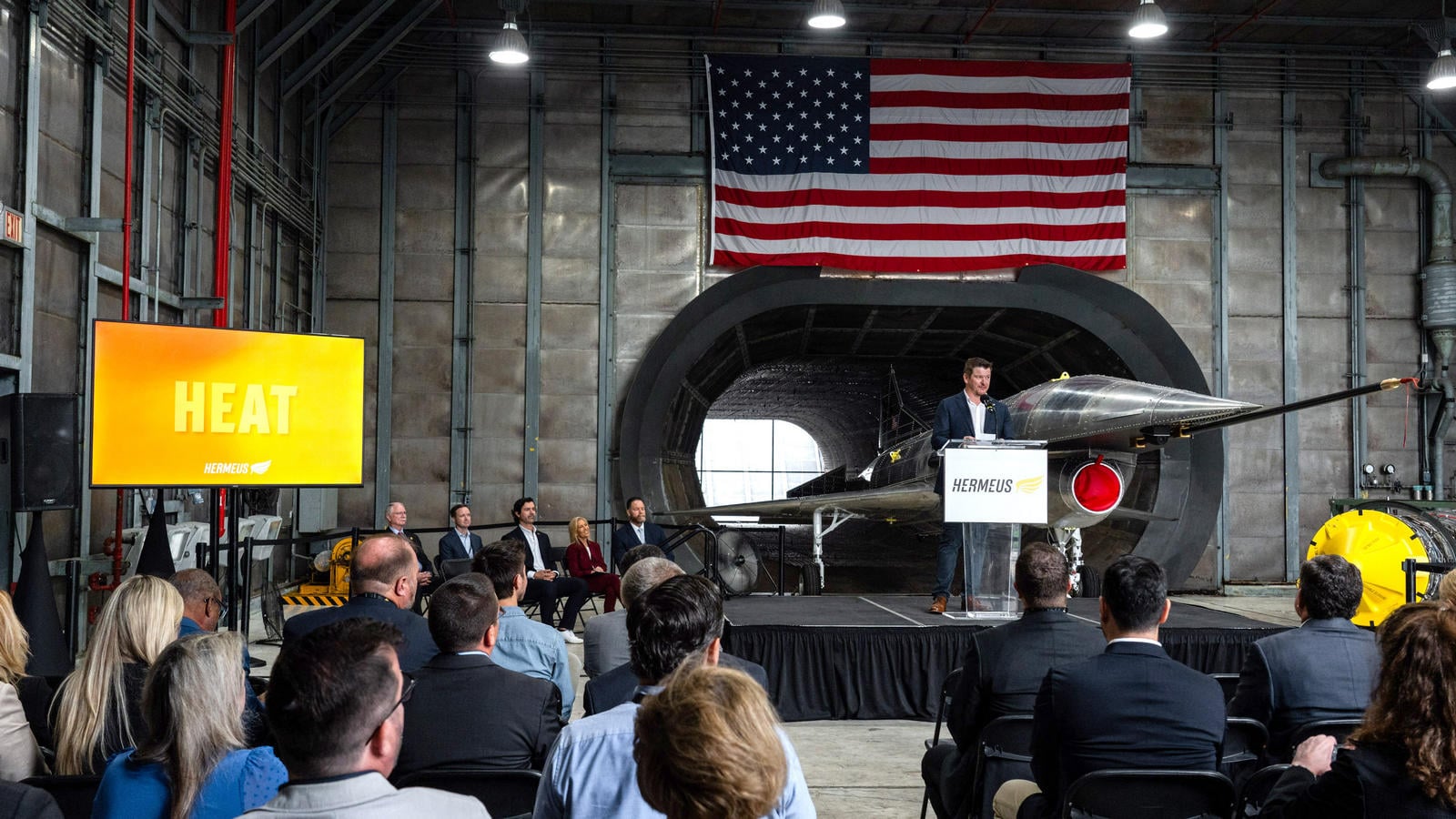
Hermeus is pursuing almost the opposite approach. The company has built its identity around rapid iteration, a philosophy summarized by its slogan, “Build fast, fly fast.” Rather than waiting years to unveil a finished aircraft, the startup develops a sequence of increasingly capable prototypes that are flown, tested, improved, and replaced at a pace that resembles a technology company more than a conventional aerospace manufacturer.
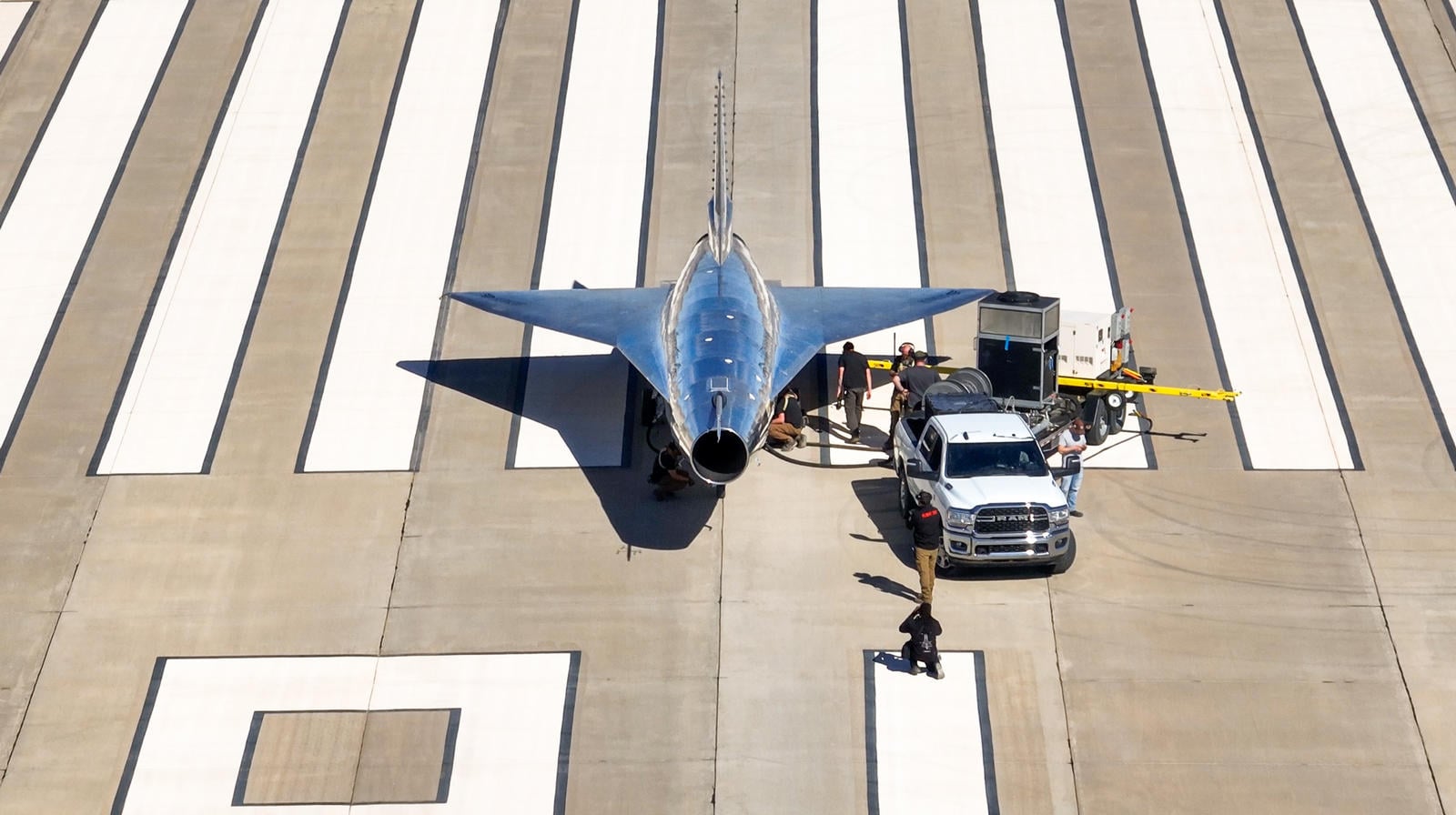
That philosophy was on full display when Quarterhorse Mk 2.1 recently reached Mach 1.21. The achievement was notable not simply because the aircraft broke the sound barrier, but because it did so less than three months after its first flight and on only its third flight overall.

Concorde’s long road to breaking the sound barrier
Concorde’s first supersonic flight was the culmination of a development journey that began with the signing of the Anglo-French cooperation agreement in 1962. The first structural components were built in 1965, prototype 001 rolled out in December 1967, and after 15 months of intensive ground testing it finally lifted off from Toulouse on March 2, 1969 before more than 600 journalists. Even the Olympus 593 engines had been pushed to Mach 0.98 aboard an Avro Vulcan testbed before Concorde itself crossed Mach 1, highlighting the methodical pace of a government-backed program that took nearly 2,500 days to reach its historic supersonic milestone.

From drawing board to desert skies
The Quarterhorse program was never intended to produce a final operational aircraft. Instead, it serves as a stepping stone toward increasingly ambitious goals. Earlier vehicles validated systems and basic flight operations, while the latest version expanded into supersonic territory.

The flight took place from Spaceport America in New Mexico, with the supersonic portion conducted over the restricted airspace of White Sands Missile Range. The location offers something increasingly rare in modern aviation: vast open airspace, a long runway, and the ability to conduct high-speed testing far from major population centers.
What makes the accomplishment particularly interesting is that Quarterhorse Mk 2.1 achieved supersonic flight using a Pratt & Whitney F100 engine, a proven fighter aircraft powerplant rather than the advanced propulsion technology that ultimately defines Hermeus’ ambitions. The company’s long-term goal remains the development of its Chimera turbine-based combined-cycle engine, which is intended to push future aircraft toward hypersonic speeds.

The road beyond Mach 1
For Hermeus, Mach 1.21 is not the destination. It is the beginning. The company has already stated that additional Quarterhorse variants are under construction, with Mk 2.2 and Mk 2.3 expected to continue expanding the flight envelope. Beyond those aircraft lies Mk 3 and eventually Darkhorse, a military-focused platform that could pave the way toward operational hypersonic capability before the end of the decade.

Further down the roadmap sits Halcyon, the company’s ambitious vision for a Mach 5 passenger aircraft capable of carrying around 20 travelers across oceans at speeds that would make Concorde seem almost conservative. Hermeus has suggested that routes such as New York to Paris could one day take around 90 minutes. Whether that vision ultimately becomes reality remains to be seen. What is already clear, however, is that the startup has demonstrated something equally important. Concorde proved that governments could spend years and billions of dollars to create a supersonic masterpiece. Hermeus is attempting to prove that a modern company can move from concept to meaningful flight milestones in a fraction of the time.

The comparison does not diminish Concorde’s extraordinary achievement. If anything, it underscores how remarkable it is that a startup operating in the deserts of New Mexico can now compress development timelines that once defined an era of state-backed aerospace ambition. In a business where progress has traditionally been measured in decades, Hermeus is trying to make speed matter long before an aircraft ever reaches it.


