The 2025 Condé Nast Traveler Readers’ Choice Awards reveal a shifting world map of travel admiration. Readers placed Japan at the top of the list, underscoring how efficiency, culture, and hospitality continue to set benchmarks for global tourism.
Yet beyond the headline, the rankings offer a deeper look into how travelers now define a country’s appeal — not merely through luxury or fame, but through experience and connection.
The latest results suggest that modern travelers are guided by values such as authenticity, environmental consciousness, and ease of exploration.

The Rise of Experience Travel
Countries that can merge tradition with modern comfort are rising ahead, while those relying solely on reputation are finding it harder to stay competitive.
Across continents, travelers are moving beyond major capitals to explore regional cultures and landscapes. Greece and Portugal — both ranked near the top — have succeeded by blending coastal beauty with community-driven experiences.
Small islands, wine routes, and local cuisines have become as powerful as monuments in shaping how visitors remember a place.
Italy and Spain continue to attract repeat visitors, but their strength now lies in diversity.
From high-speed rail networks that connect secondary cities to the revival of rural tourism, these nations show how accessibility can support sustainable growth. The lesson is clear: the modern traveler seeks rhythm, not rush.
A More Global Spread
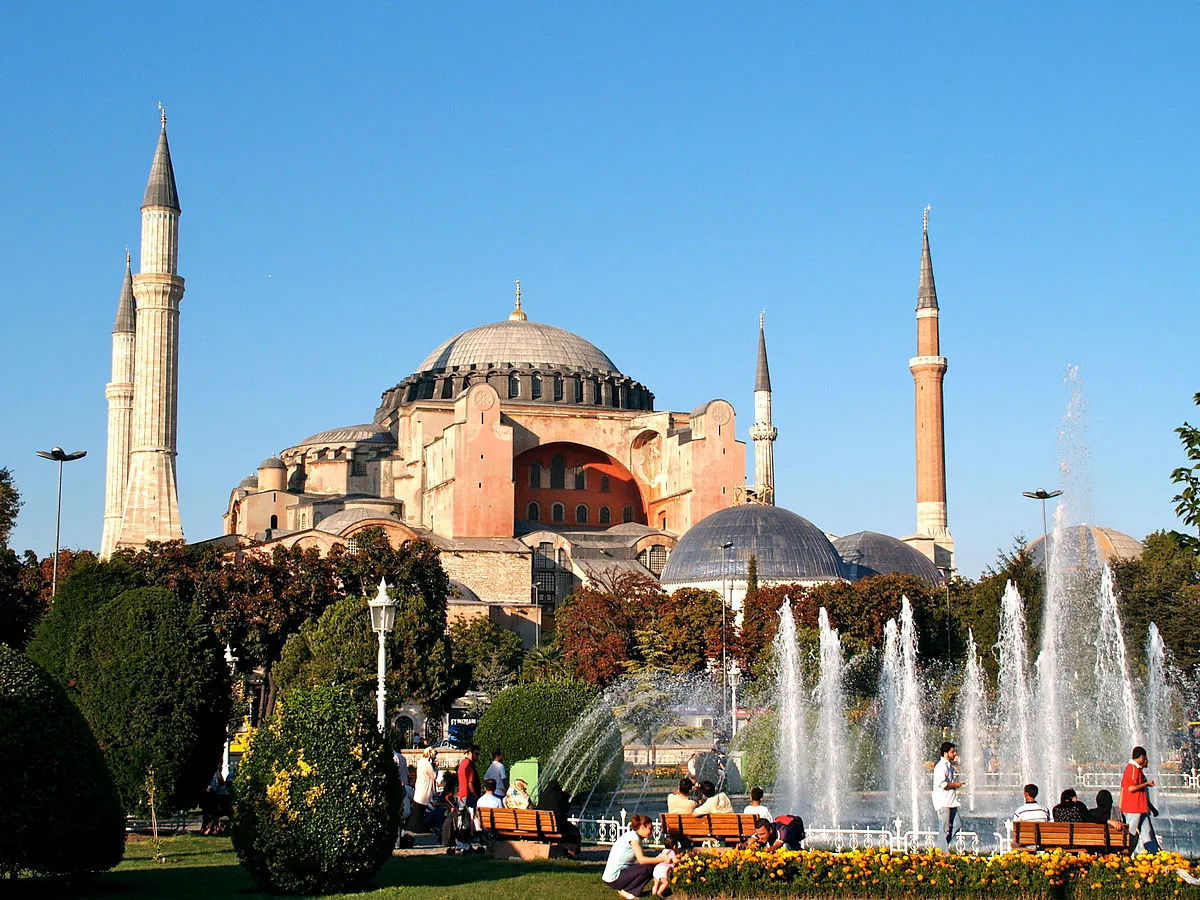
One of the most striking outcomes of this year’s list is its balance across regions. Türkiye, Croatia, and Ireland have emerged as consistent favorites, illustrating how cultural richness and modern connectivity can go hand in hand.
Canada’s inclusion reinforces North America’s ongoing commitment to green tourism, while India’s presence marks Asia’s expanding influence in the global leisure market.
Each of these nations reflects a changing mindset in tourism planning. From open-skies policies and new airline routes to investment in heritage restoration, the world’s most admired countries are those that build travel ecosystems, not just destinations.

Sustainability Shapes Travel Choices
Environmental responsibility has become a defining factor in how travelers choose destinations. From carbon-neutral accommodations to waste-reduction programs, nations that prioritize sustainability are being rewarded with growing visitor loyalty.
Japan and Portugal, both top-ranked, have implemented national green-tourism frameworks that integrate renewable energy use, eco-certifications, and rural regeneration projects.
Meanwhile, destinations like Bhutan and Austria continue to demonstrate that limiting visitor numbers can enhance both experience and conservation.
This balance between tourism and preservation signals a long-term shift — travelers are now aligning leisure with purpose, choosing countries that promise not only beauty but accountability.

Air Connectivity Expands Horizons
Aviation remains the lifeblood of global tourism, and the 2025 rankings reflect how improved air links can redefine accessibility.
Flag carriers such as Turkish Airlines (TK), Air India (AI), and Japan Airlines (JL) have been expanding intercontinental routes, allowing travelers to reach lesser-known regions without complex transfers.
The rise of long-range narrowbody aircraft like the Airbus A321XLR has also made direct flights between secondary cities more feasible, boosting destinations once considered remote.
From Mediterranean coasts to Himalayan valleys, improved connectivity is not only shortening distances but also reshaping the global travel map — ensuring that experience-rich countries gain the visibility they deserve.

Top 20 Countries in the World in 2025
| Rank | Country | Score |
|---|---|---|
| 1 | Japan | 95.36 |
| 2 | Greece | 92.31 |
| 3 | Portugal | 92.08 |
| 4 | Italy | 92.02 |
| 5 | Spain | 91.96 |
| 6 | Türkiye | 91.91 |
| 7 | Ireland | 91.59 |
| 8 | Croatia | 91.56 |
| 9 | France | 91.24 |
| 10 | Canada | 90.94 |
| 11 | Switzerland | 90.82 |
| 12 | Mexico | 89.52 |
| 13 | Germany | 89.40 |
| 14 | India | 88.95 |
| 15 | Thailand | 88.06 |
| 16 | Morocco | 87.66 |
| 17 | Austria | 86.86 |
| 18 | Dominica | 86.62 |
| 19 | Bhutan | 86.31 |
| 20 | South Africa | 85.08 |

Tourism and Connection
The global tourism industry’s evolution is being powered by a mix of technology and emotional connection. Travelers want seamless planning — digital visas, contactless payments, sustainable stays — but also crave encounters that feel personal. Countries that can deliver both are thriving.
Asian destinations, in particular, are mastering this balance. Japan’s punctuality and order coexist with deep cultural warmth, while India’s spiritual pull now meets modern aviation and hospitality upgrades.
In Europe, regional destinations are finding new momentum as airlines expand point-to-point connections and travelers seek slower, more purposeful itineraries.

Bottom Line
The 2025 rankings by Condé Nast Traveler are more than a snapshot of popularity; they mirror a transformation in global travel values.
The world’s top countries are those that welcome visitors not just with sights, but with stories — places where culture, innovation, and sustainability intersect.
As the boundaries of travel broaden and airlines connect more corners of the planet, the focus has shifted from “where to go” to “how to feel.”
Stay tuned with us. Further, follow us on social media for the latest updates.
Join us on Telegram Group for the Latest Aviation Updates. Subsequently, follow us on Google News