Israel is set to establish a new international airport in the northern Negev region, the government announced on Thursday.
The decision to establish a new airport in Ziglag, in the area of the Ziklag archaeological site, near the southern cities of Rahat and Netivot, and not far from the southern city of Beersheba, will be voted for approval by the cabinet on Sunday, a joint statement by the Prime Minister’s Office, Transportation Ministry and Finance Ministry said.
The area is west of the site that was previously mulled by the government — the southern moshav of Nevatim.
The establishment of an alternate international airport “will create thousands of new jobs, strengthen the local economy, and is part of an expanded process the government is leading to reduce gaps and effectively end the concept of the periphery,” the government statement read on Wednesday.
“The decision was made by the prime minister at the conclusion of a discussion between Transportation Minister Miri Regev, Deputy Minister Almog Cohen, the interim director-general of the Prime Minister’s Office, and senior officials from the Finance, Transportation and Defense ministries,” the joint statement read.
The decision comes years after discussions over the establishment of a new international airport to help offset congestion at Israel’s main gateway, Ben Gurion Airport.
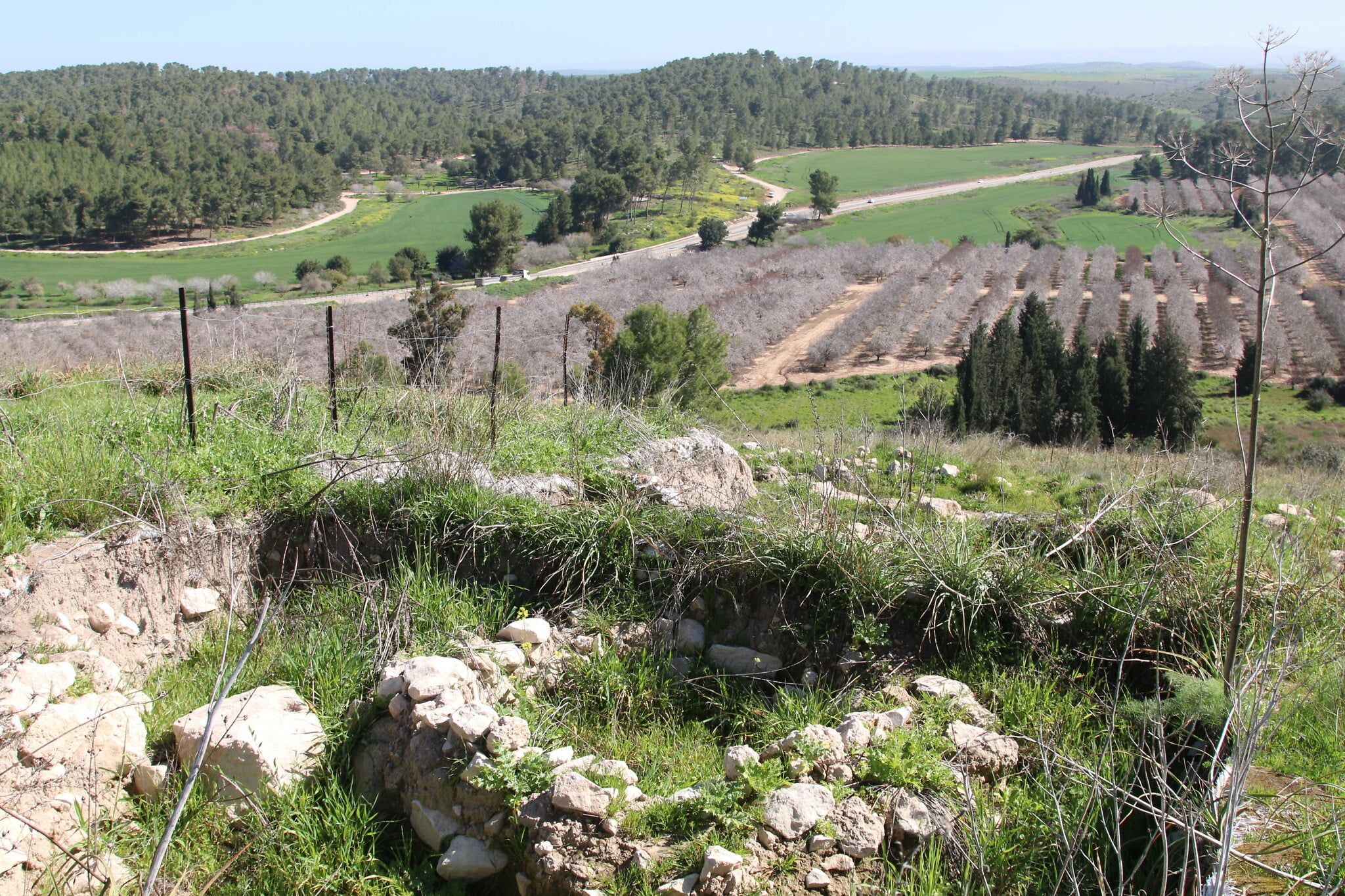
According to Hebrew media outlets, Ziklag was dismissed by planning experts in the past due to its proximity to Gaza, as well as its overlap with Air Force and Ben Gurion flight paths, which would worsen congestion at the facility.
Aviation officials told the Haaretz daily in 2025 that the decision to move forward with an airport in Ziklag was driven by political pressure from the ruling Likud party’s officials in southern Israel.
Regev hailed the “historic decision that strengthens Israel’s skies, economy, and the Negev,” according to the statement.
“This is part of a policy of action and not talk. We are already prepared so that the secondary airport will be established to operate in the most efficient, safe, and advanced manner,” Regev said.
The airport’s establishment “connects security resilience with economic growth, between developing advanced infrastructure and strengthening the periphery in practice,” Finance Minister Bezalel Smotrich said.
Cohen noted that seven kilometers (4.3 miles) from the site of the airport, Hamas terrorists carried out the October 7 massacre. Now the area will “provide quality employment that is essential for the continued prosperity of the Negev, a field that will bring with it an ecosystem that breaks boundaries and changes reality,” he said.
Ben Gurion is Israel’s main air gateway with a capacity of 40 million passengers annually. It is nearing its limit, the Knesset Economic Affairs Committee said last year, which cited data showing 80 million are expected to pass through the airport by 2050.

In 2019, Israel opened Ramon Airport near the Red Sea resort city of Eilat at the country’s southern tip, on the border with Jordan and Egypt. Before the war with Hamas, a number of foreign carriers, such as Ryanair, operated flights from Europe to Ramon.
At present, the airport is being used largely for domestic flights.
In 2024, Air Haifa began operations from the northern city’s airport, initially flying to destinations in Cyprus as well as Ramon Airport, but has now expanded operations to other cities in Europe.
Most international carriers stopped flying to Israel due to the war in Gaza, while the country’s airspace was closed to commercial flights during the 12-day war with Iran in June, but many of them have now resumed flights.