MONTREAL- Air Canada (AC) reported a profitable end to 2025 despite a sustained decline in Canada–U.S. travel demand. The Montreal-based carrier released its fourth-quarter and full-year financial results on February 12, outlining how diversified international demand and cargo growth helped offset geopolitical and trade-related headwinds.
The airline confirmed that while passenger volumes to the United States softened sharply late in the year, Air Canada generated record annual revenues and closed 2025 with solid profitability and strong cash generation.
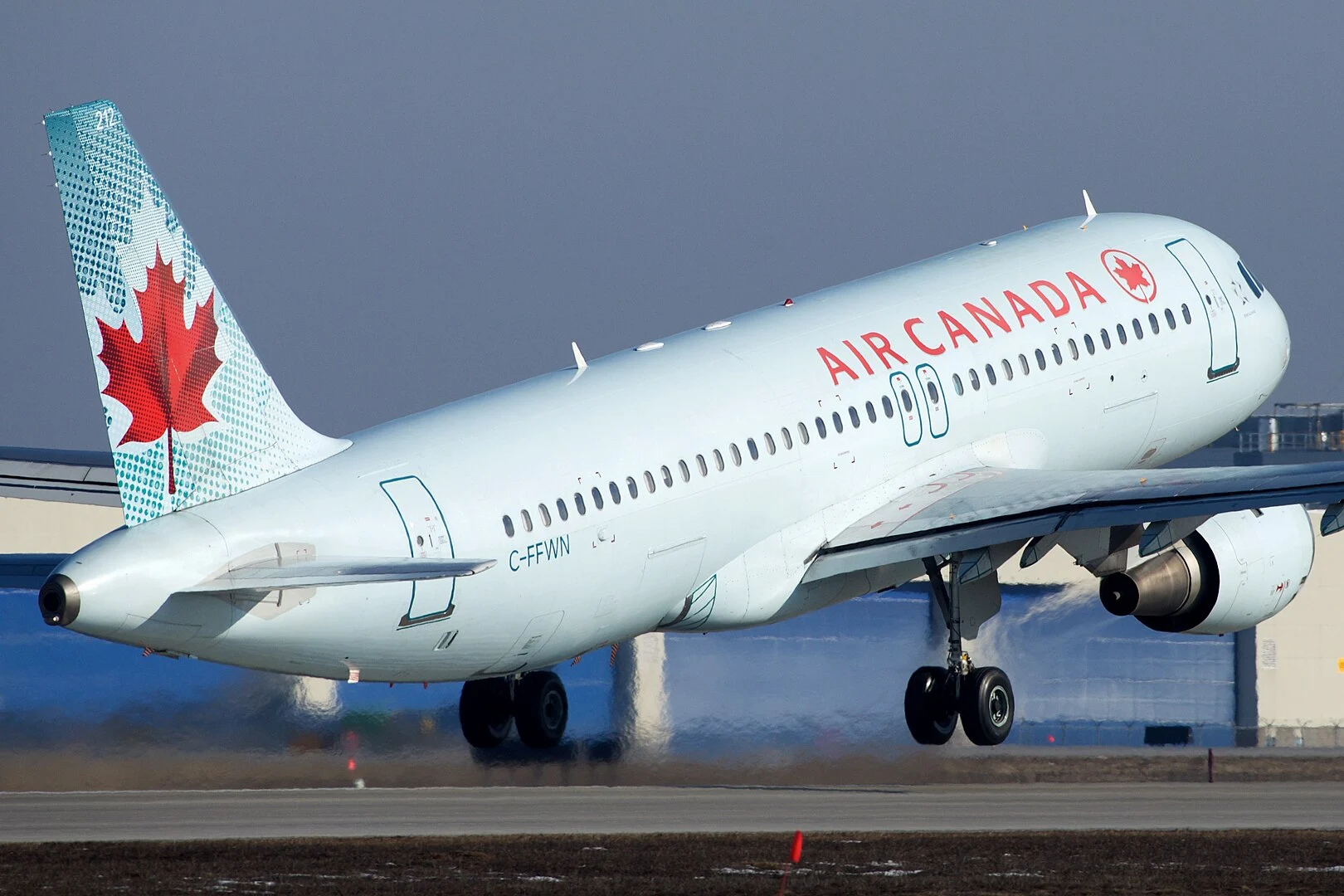
Air Canada Reports Strong 2025 Profit
Air Canada delivered record operating revenues of CAD 5.8 billion in the fourth quarter of 2025, bringing full-year revenues to CAD 22.4 billion.
Operating income for the year reached CAD 918 million, while adjusted EBITDA totaled CAD 3.1 billion, reflecting stable margins despite cost pressures and operational disruptions.
Net income for the fourth quarter came in at CAD 296 million, a significant turnaround from a loss reported during the same period in 2024.
For the full year, Air Canada generated CAD 644 million in net income and CAD 3.7 billion in net cash flows from operating activities, allowing the airline to return more than CAD 850 million to shareholders through share buybacks.
Management credited improved operational reliability and sustained customer confidence for the results.
The carrier was also recognized as the Best Airline in North America at the 2025 Skytrax World Airline Awards, reflecting gains in service quality and on-time performance.

U.S. Demand Declines
While financial performance remained strong, Air Canada acknowledged a notable reduction in demand for U.S. travel during the second half of 2025, Global News reported.
Data from Statistics Canada showed that return trips to the United States by Canadian residents declined by more than 23 percent year over year in November, marking several consecutive months of reduced cross-border traffic.
The downturn coincided with prolonged trade tensions, tariff uncertainty, and a visible shift in traveler sentiment.
Many Canadians opted for domestic trips or long-haul international travel instead of U.S. destinations, a trend that continued into the final quarter of the year.
Air Canada executives noted that corporate and leisure demand for U.S. routes weakened more than anticipated. However, the airline avoided revenue erosion by adjusting capacity early and reallocating aircraft to stronger markets.
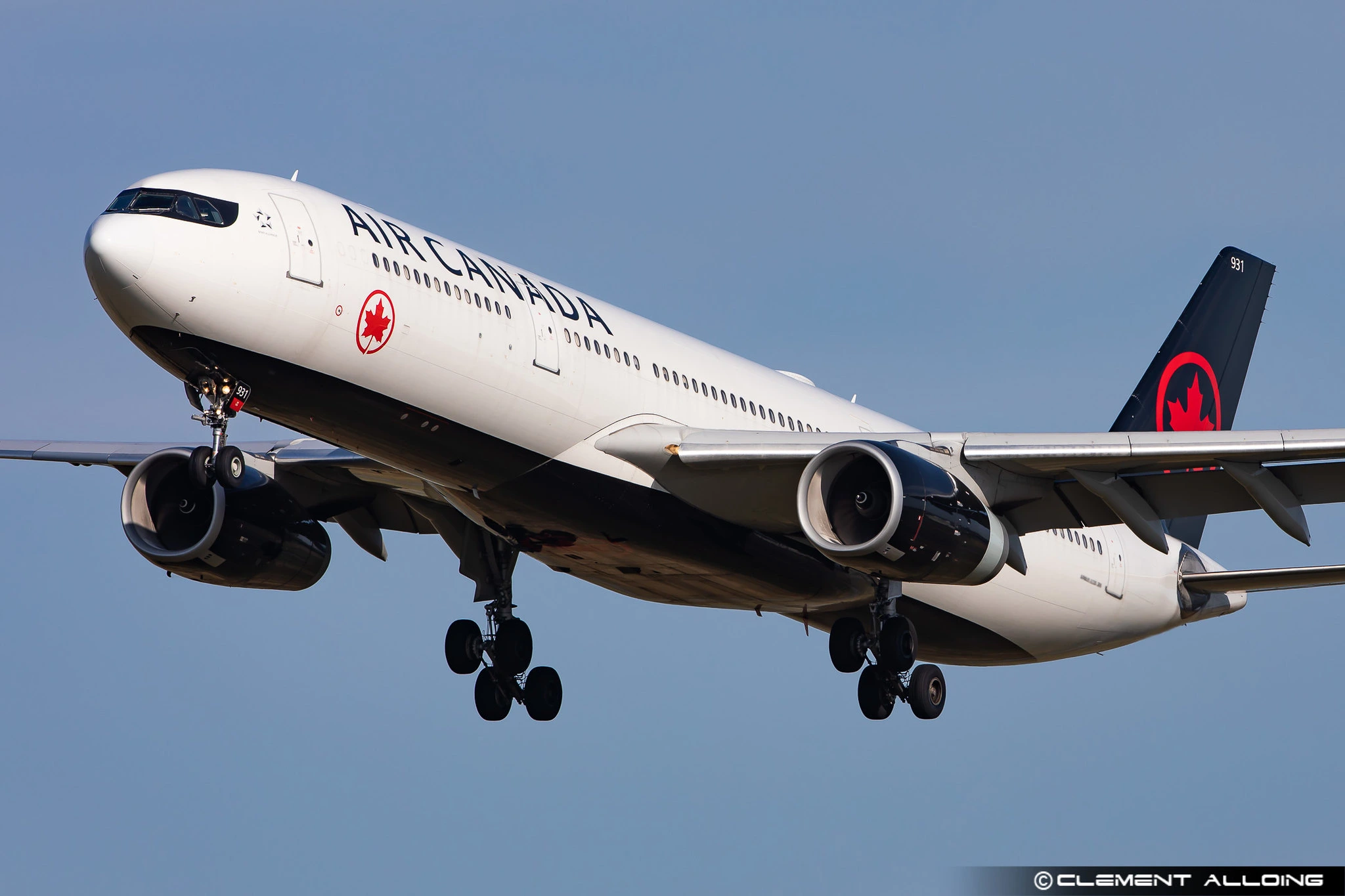
AC’s Network Diversification Strategy
Air Canada’s ability to remain profitable hinged on its diversified global network and flexible capacity management.
The airline redirected aircraft toward Europe, the Atlantic region, and Pacific markets, where premium leisure and corporate demand remained robust throughout the year.
Executives highlighted a near 30 percent increase in corporate travel volumes to Europe and Asia, driven in part by Canadian businesses expanding trade relationships beyond the United States.
Cargo operations also played a growing role, with freighter activity supporting revenue as Canada sought alternative supply chains amid tariff uncertainty.
Bottom Line
Looking ahead, Air Canada expects this diversification strategy to remain central in 2026.
The airline plans to grow overall capacity by up to 5.5 percent while maintaining cost discipline and balance-sheet flexibility.
Management indicated that strong forward bookings suggest continued momentum despite ongoing economic and geopolitical risks.
Stay tuned with us. Further, follow us on social media for the latest updates.
Join us on Telegram Group for the Latest Aviation Updates. Subsequently, follow us on Google News


