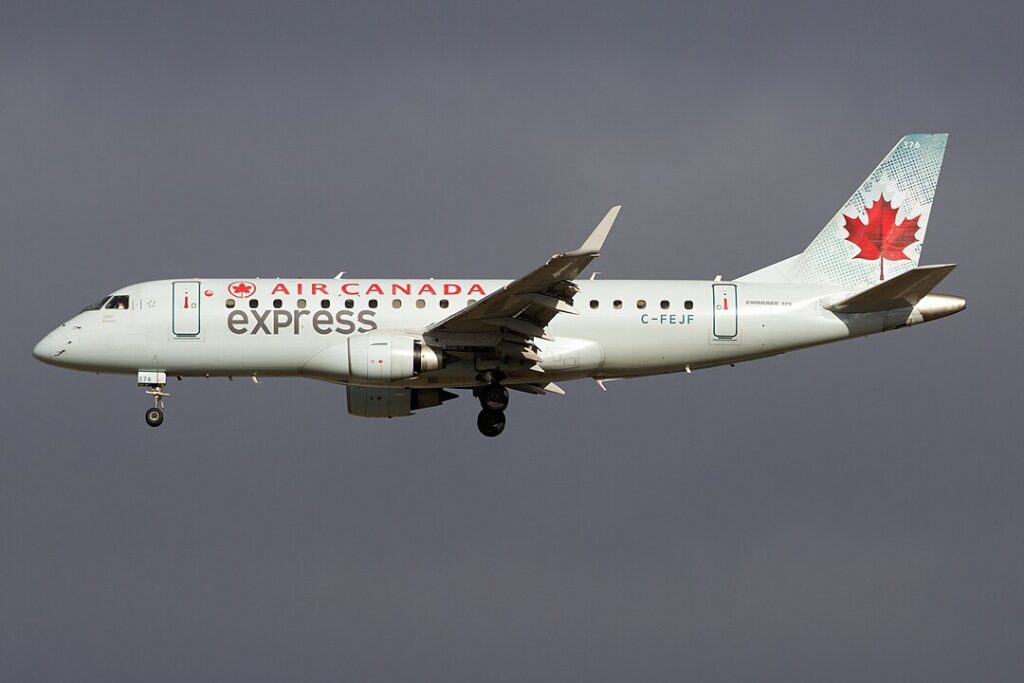
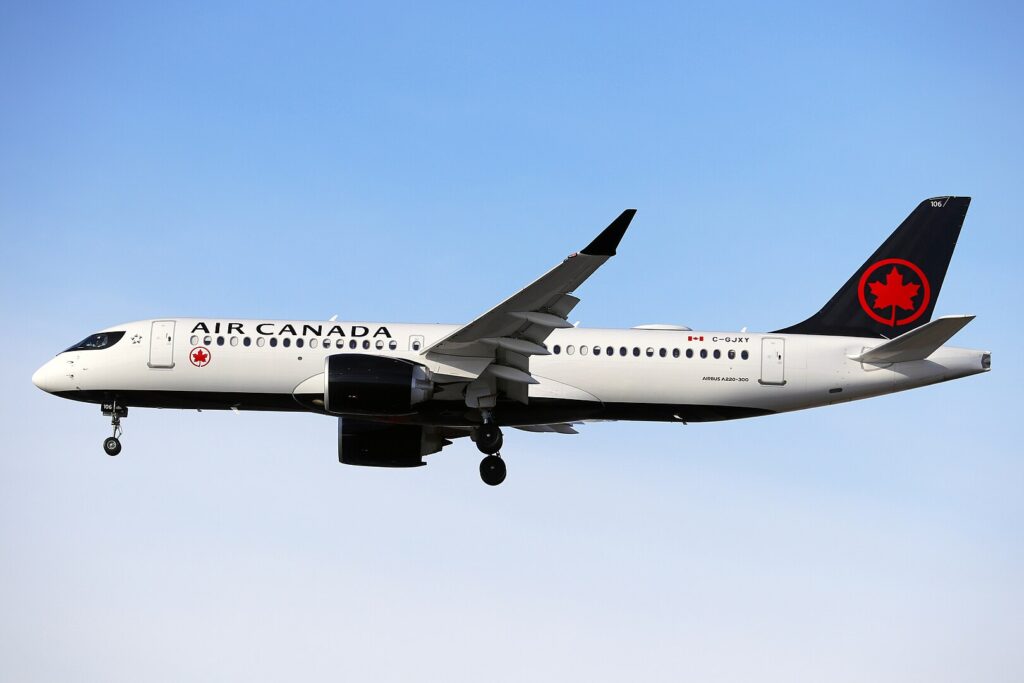
NEW YORK- A near collision took place at John F. Kennedy International Airport (JFK) late on Thursday, March 12, 2026, when an Air Canada (AC) Jazz Embraer E175 began taxiing without clearance and crossed directly into the path of a landing EVA Air (BR) Boeing 777-300ER.
The incident occurred around 10:30 PM on runway 31R during sequential landings. Alert instructions from the air traffic controller and immediate response from the EVA Air pilots prevented a ground accident.
Runway Close Call Between Air Canada and EVA Air
On March 12, 2026, at approximately 10:30 PM, a serious ground incident occurred at JFK involving two aircraft landing in sequence on runway 31R.
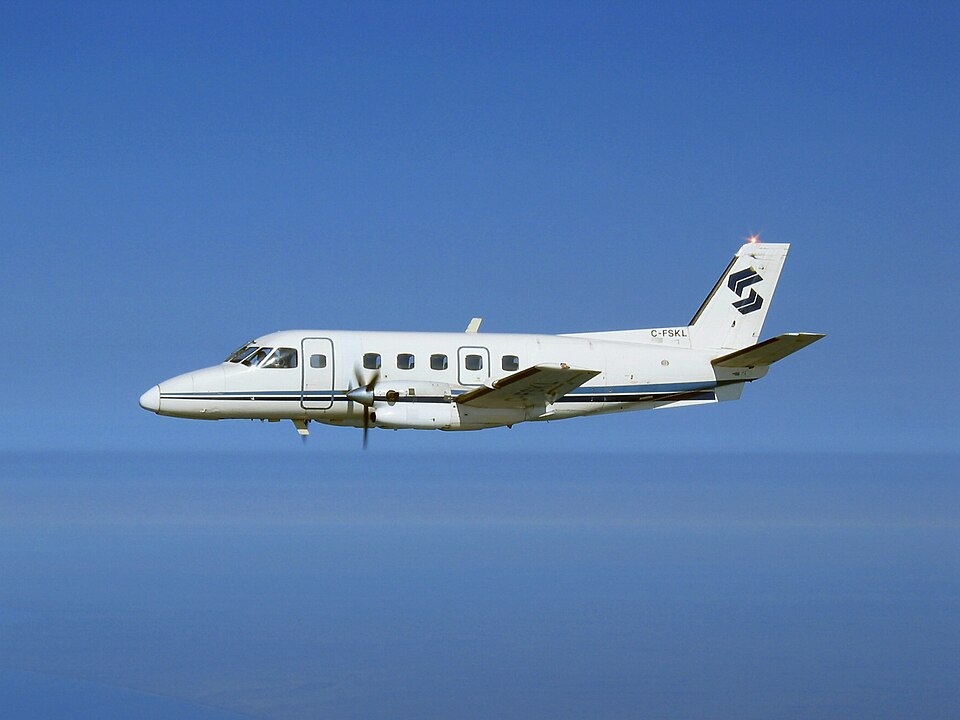
Air Canada (AC) Jazz flight QK898, operated by an Embraer E175, was arriving from Montreal and was the first to land.
EVA Air (BR) flight BR32, a Boeing 777-300ER arriving from Taipei, was following closely behind on final approach.
After landing, the Air Canada aircraft exited the runway via taxiway WW, continued onto taxiway B, and was instructed to hold position.
The aircraft was waiting for an Aer Lingus plane to clear the ramp before proceeding further.
Due to the known congestion at taxiway WW, which is commonly used because it avoids a sharp 90 degree turn, the air traffic controller anticipated a potential conflict. To maintain safe spacing, the controller instructed the EVA Air crew to exit the runway using taxiway V instead.
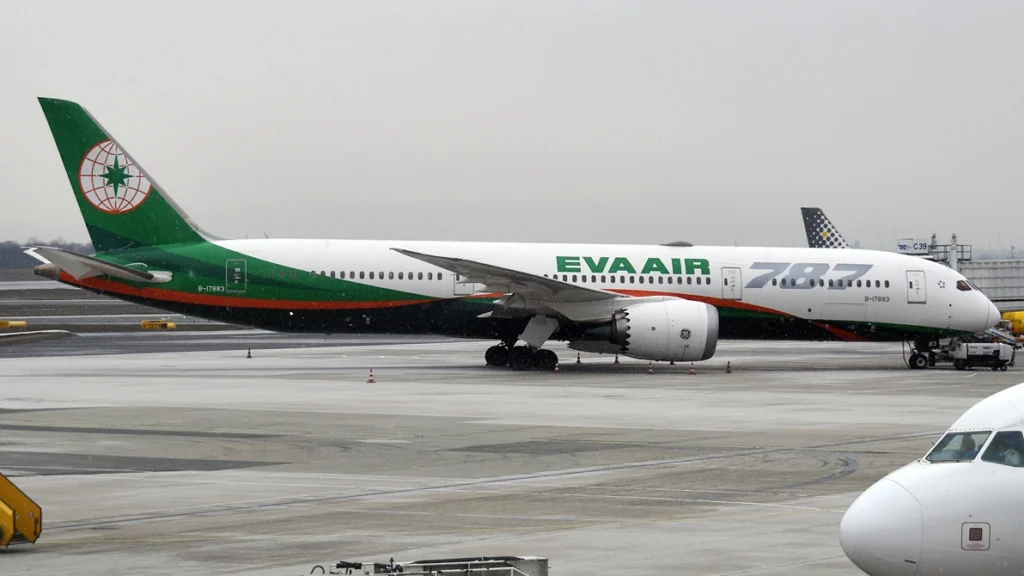
https://commons.wikimedia.org/wiki/File:EVA_Air,_Boeing_787-9,_B-17881_NRT_(32364156397).jpg
ATC Instructions and Communication Breakdown
The controller issued clear instructions to the Air Canada crew, stating they could proceed only after the EVA Air Boeing 777 had “passed off your nose.” The Air Canada pilot acknowledged this with a readback indicating, “the 777 is off, we can taxi,” suggesting general understanding of the instruction.
However, despite this acknowledgment, the Air Canada aircraft began taxiing at the exact moment the EVA Air aircraft exited the runway at taxiway V. This placed both aircraft on a direct collision path.
As the EVA Air Boeing 777 was still decelerating from landing and moving at significant speed, the situation became critical within seconds.
Critical Moment and Possible Misinterpretation
The air traffic controller reacted instantly, issuing repeated urgent commands: “stop, stop, stop, stop, stop!” The timing of this intervention was crucial, as both aircraft came extremely close to each other.
The EVA Air pilot later reported the severity of the situation, stating that the aircraft was still at a very high speed during the encounter and that they “almost hit them.” The proximity and speed involved made this a high-risk near-miss.
The incident points to a likely breakdown in timing or interpretation by the Air Canada crew. Although the readback suggested comprehension, the execution did not align with the controller’s instruction.
The Air Canada pilot’s noticeable accent may have contributed to subtle communication challenges, though there is no clear evidence that language alone caused the error.
The situation suggests either premature decision-making or a misjudgment of the EVA Air aircraft’s position.
This type of error highlights how even minor deviations from instructions can create immediate safety risks in complex airport environments.
Air Traffic Control Performance and Oversight
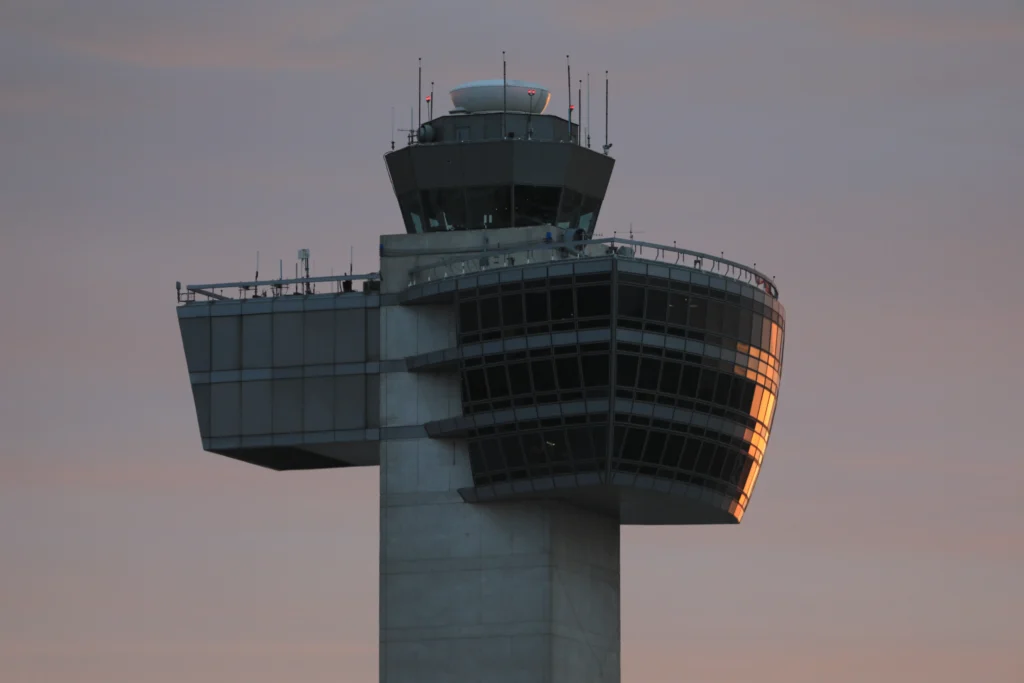
The controller demonstrated strong situational awareness throughout the event. By identifying the risk early and redirecting the EVA Air aircraft to taxiway V, the controller attempted to prevent overlap between aircraft paths.
Notably, the controller maintained a calm and controlled tone during the incident, despite being known for more confrontational interactions in other situations.
Instead of escalating verbally, the controller focused on resolving the conflict and immediately issued corrective instructions.
Following the incident, the controller began procedures for a possible pilot deviation, indicating that the Air Canada crew’s actions did not comply with instructions.
According to OMAAT, this incident highlights both the effectiveness of proactive air traffic control and the consequences of even brief lapses in pilot compliance.
Operational Risks on High-Density Taxiways
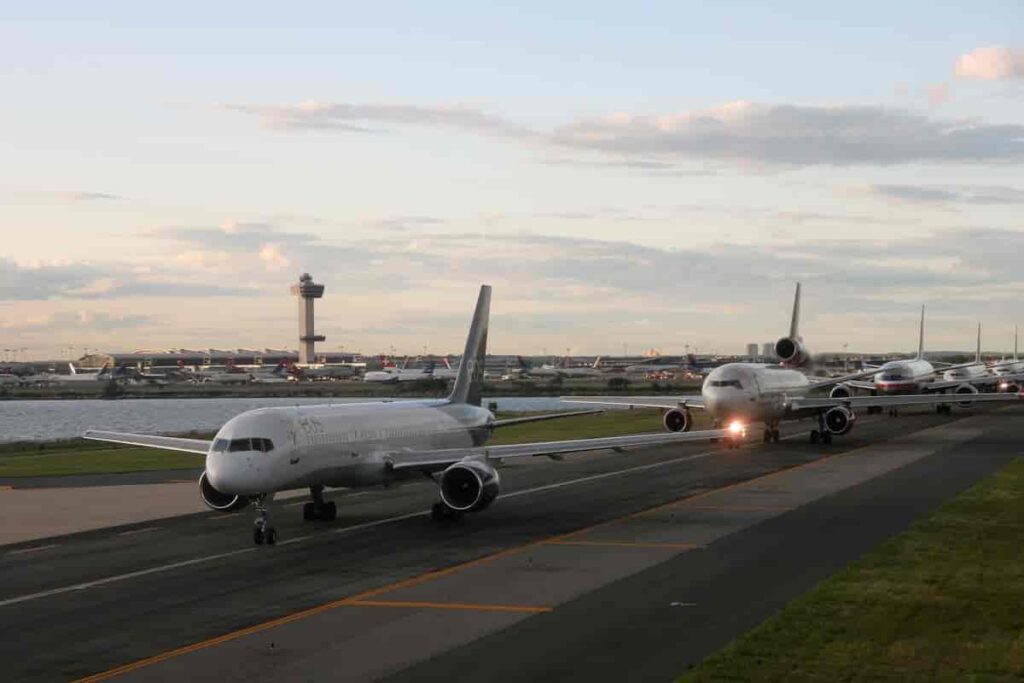
Taxiway WW at JFK is frequently used due to its efficient alignment with runway exits, reducing the need for sharp turns.
However, this convenience increases traffic density and requires precise coordination between aircraft.
Widebody aircraft such as the Boeing 777 require longer distances to slow down after landing. Any unexpected movement by another aircraft during this phase significantly increases collision risk.
Strict adherence to taxi instructions, accurate readbacks, and correct timing are essential to maintaining safe ground operations at busy international hubs like JFK.
Bottom Line
The near collision between Air Canada and EVA Air aircraft at JFK demonstrates how quickly operational errors can escalate during landing and taxi phases.
While the controller’s awareness and quick response prevented a collision, the incident reinforces the importance of precise communication and disciplined execution in aviation safety.
Stay tuned with us. Further, follow us on social media for the latest updates.
Join us on Telegram Group for the Latest Aviation Updates. Subsequently, follow us on Google News


