MONTREAL- A Nova Scotia law firm has reached an $18 million settlement in the class-action lawsuit over the March 29, 2015, crash landing of Air Canada (AC) Flight 624 at Halifax Stanfield International Airport (YHZ).
The Airbus A320-211 from Toronto Pearson (YYZ) struck power lines in a severe snowstorm, injuring 25 of the 133 passengers on board.
The settlement with Air Canada, NAV Canada, and the Halifax International Airport Authority avoids a 45-day trial set for next month.
Air Canada will pay the largest share, while Airbus and Transport Canada, originally named as defendants, contribute nothing.
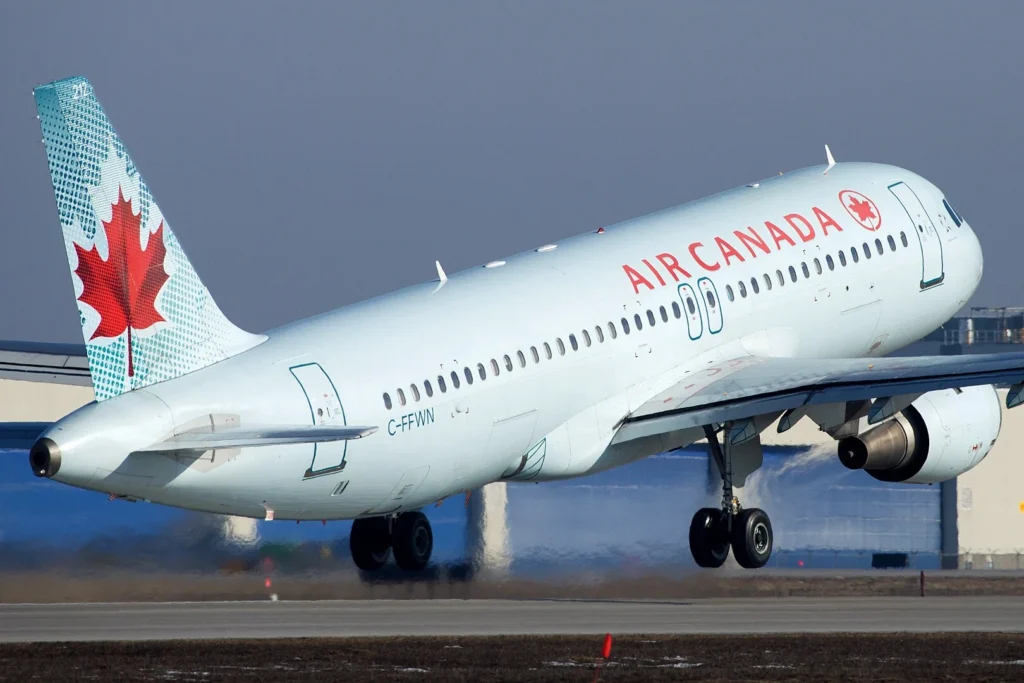
Air Canada Pays $18 Million over Halifax Crash
Three firms, Wagners, MacGillivray Law, and Vancouver-based Camp Fiorante Matthews Mogerman LLP, represented the passengers. According to CBC, the agreement covers all legal fees and expenses once the court approves it.
Individual compensation depends on injury severity, ranging from cuts and bruises to knee, back, and shoulder damage, plus post-traumatic stress disorder.
Ray Wagner, founder of Wagners, called it “a major traumatic event” because “the engine falls off the nose of the plane and you spend 50 minutes on the tarmac waiting for rescue.”
He added, “It’s a fair and reasonable settlement, and hopefully the class members will agree.”
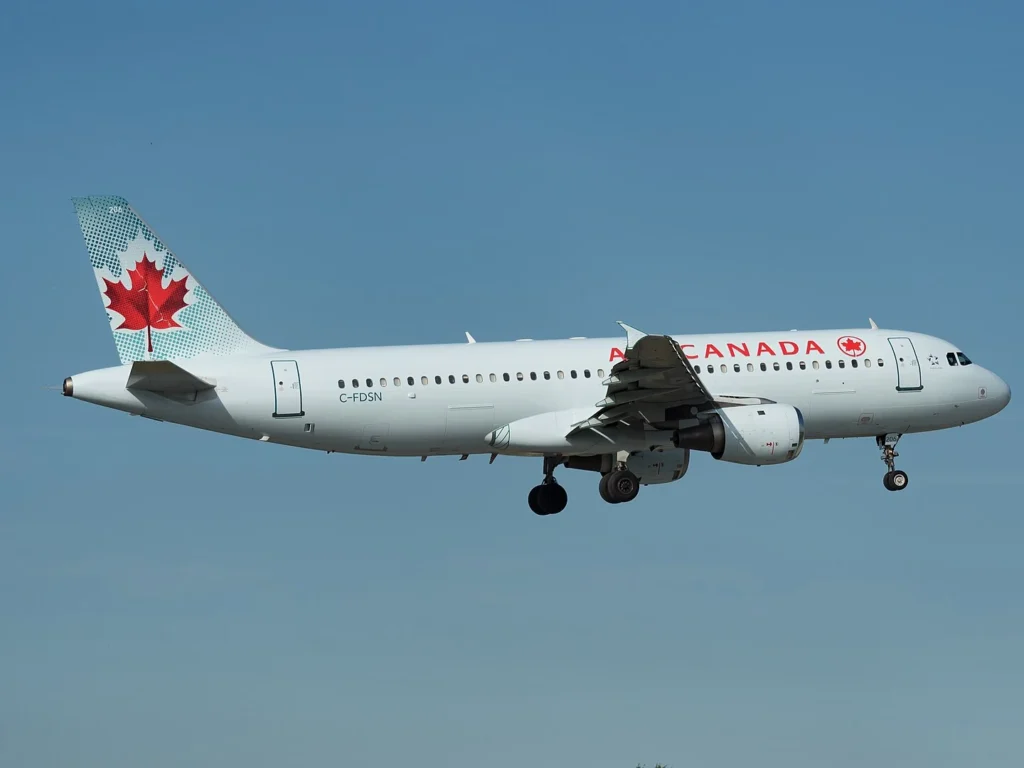
March 29, 2015 Incident
Air Canada (AC) Flight 624 attempted landing just after midnight when visibility improved to just under 1 kilometre, the required minimum.
The crew used autopilot with the localizer beacon for lateral guidance only; it provides no altitude information.
The Transportation Safety Board (TSB) found that pilots did not account for a strong headwind that pushed the aircraft below the glide path.
Air Canada procedures at the time did not require cross-checking altitude against distance, a gap later closed. Runway lighting issues also contributed.
The captain applied full thrust for a go-around, but one tire struck an approach light 260 metres short of the runway.
The aircraft clipped power lines, knocked out airport power, then hit a snowbank. The main landing gear collapsed, the left engine tore off, and the A320-211 smashed into an antenna array before sliding another 600 meters in sparks and leaking fuel. No fire erupted.
Passengers and crew were not braced because no emergency had been declared. Most injuries stemmed from a lack of brace position.
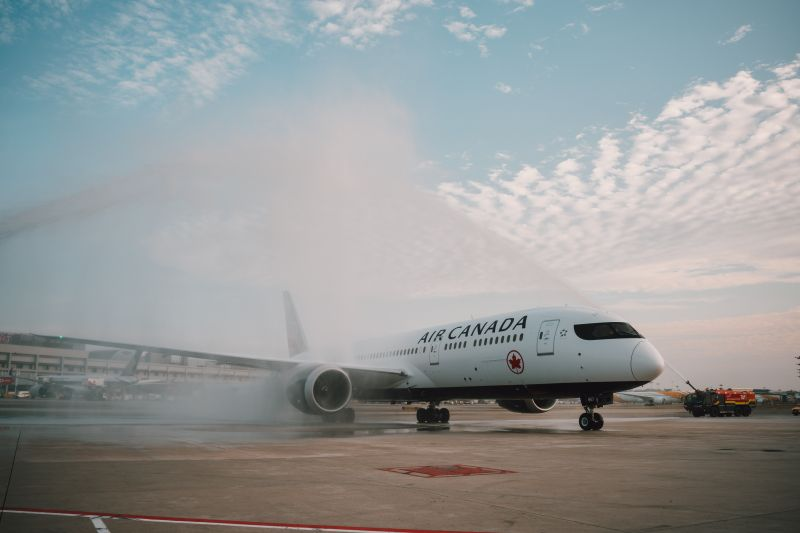
Evacuation Delays in Extreme Conditions
Severe weather at –6 °C, failed standby generators, and total power loss disabled the airport radio network.
Firefighters arrived within 90 seconds, but passengers waited up to 50 minutes in blowing snow before buses transported them.
Halifax Stanfield (YHZ) has since upgraded navigation aids, runway lighting, and backup power systems.
Path to Settlement
The decade-long case included a Supreme Court of Canada fight to access the cockpit voice recorder.
Wagner confirmed that quick payout distribution is expected after approval. Air Canada stated, “We are satisfied the matter has been resolved.”
The Halifax International Airport Authority declined to comment while the case remains before the court.
Stay tuned with us. Further, follow us on social media for the latest updates.
Join us on Telegram Group for the Latest Aviation Updates. Subsequently, follow us on Google News


