PARIS– An Air France (AF) Boeing 777 bound for Réunion (RUN) was forced to make an emergency landing after the cabin temperature rose uncontrollably, leaving passengers struggling in unbearable heat.
The flight had departed Paris Charles de Gaulle (CDG) for Saint-Denis, Réunion (RUN), but returned less than two hours later when the pilots declared an emergency due to a malfunctioning air conditioning system.

Air France 777 Emergency Landing
Flight AF652 departed Paris around 6 p.m. local time on October 24 for its planned eleven-hour journey to the Indian Ocean island.
Operated by a 16-year-old Boeing 777-300, the aircraft had climbed to 31,000 feet over Switzerland when pilots noticed the cabin temperature rising uncontrollably.
According to PYOK, the crew initially issued a “pan-pan” call—indicating a mechanical problem that was not yet life-threatening. However, as the heat intensified and the situation deteriorated, they were required to upgrade the distress signal to a “Mayday” to comply with French airspace procedures for fuel dumping.
Loaded with enough fuel for the long-haul flight, the pilots needed to jettison fuel to safely reduce the aircraft’s landing weight. Once cleared, the crew turned back toward Paris and landed safely less than two hours after departure. Passengers were quickly deplaned and moved to the terminal, where they awaited a replacement aircraft.

Replacement Aircraft and Passenger Delay
After the incident, Air France arranged another Boeing 777-300 to complete the journey. The replacement flight departed roughly seven hours later than scheduled.
No injuries were reported, and the airline confirmed that maintenance teams were inspecting the affected aircraft to determine the exact cause of the malfunction.
The grounded aircraft, delivered new to Air France in 2009, typically serves long-haul leisure routes and carries 472 passengers in a three-class configuration.
Managing Cabin Temperature Challenges
Cabin temperature control is a frequent challenge in commercial aviation. Airlines follow specific temperature guidelines—typically around 70°F to 72°F (21°C to 22°C)—but airflow systems can cause uneven heating or cooling within the cabin.
In this case, a system fault appears to have locked the aircraft’s air conditioning unit in heating mode.
Flight attendants often receive complaints from passengers about temperatures being either too hot or too cold, especially on widebody jets with multiple cabin sections.
The issue highlights how small technical malfunctions can escalate into operational emergencies during flight.

Similar Incident
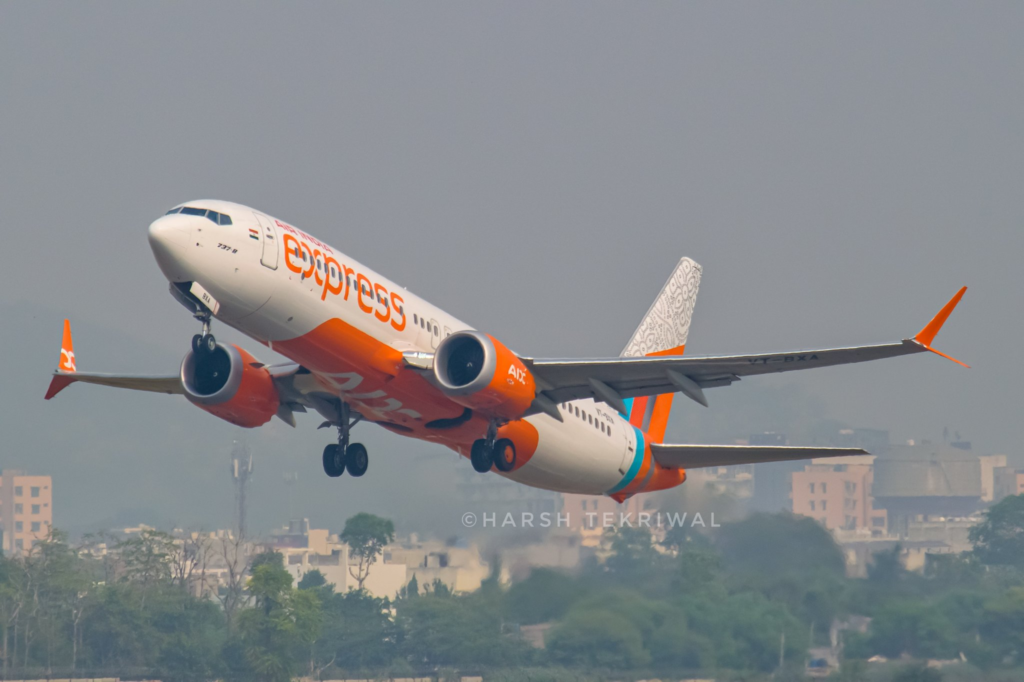
Passengers on Air India Express (IX) flight IX-1128 from Delhi (DEL) to Bhubaneswar (BBI) endured severe discomfort after an air-conditioning failure left the cabin sweltering for nearly two hours.
The airline attributed the problem to a limited power supply during boarding, but the situation escalated when passengers’ complaints were ignored mid-flight, raising safety and operational concerns.
On May 11, 2025, Air India Express (IX) flight IX-1128 departed Delhi (DEL) for Bhubaneswar (BBI) at 3:55 p.m. with 180 passengers onboard its Boeing 737-800. Soon after boarding, passengers began reporting unbearable heat due to a malfunctioning air-conditioning system.
According to passengers, the temperature in the cabin climbed to around 35°C, forcing many to fan themselves with magazines and remove layers of clothing.
One passenger, Tusharkant Rout, shared his experience on LinkedIn, posting photos that quickly went viral. The images showed visibly distressed travelers and a crew member assisting a passenger who had fallen ill from the heat. Rout described the ordeal as “serious and critical,” emphasizing that the airline’s response was slow and insufficient.
The issue persisted throughout the flight and only subsided during descent into Bhubaneswar (BBI). This delay in resolving the situation sparked criticism of the airline’s maintenance standards and crew preparedness in handling in-flight technical failures.
Pattern of Service Issues Raises Safety Questions
This was not an isolated event. Less than two weeks earlier, on April 30, 2025, another Air India Express (IX) flight from Pune (PNQ) to Jaipur (JAI) experienced a similar air-conditioning malfunction.
The recurrence of such incidents has intensified scrutiny of the airline’s pre-flight inspection procedures and its handling of passenger welfare during technical faults.
Air India Express (IX), which operates roughly 80 daily flights from Delhi (DEL), has faced mounting feedback over declining service reliability.
While the airline cited “restricted power availability” during boarding as the cause of the May 11 failure, industry observers note that such issues should be identified and corrected before passengers are seated, especially in high-temperature conditions.
Stay tuned with us. Further, follow us on social media for the latest updates.
Join us on Telegram Group for the Latest Aviation Updates. Subsequently, follow us on Google News