GURUGRAM- Air India (AI) is increasing its Boeing 787 pilot strength to manage longer international routes caused by restricted Western airspace. The move aims to ease operational pressure and reduce pilot fatigue.
Flights from Indira Gandhi International Airport (DEL) to Europe and the UK now take extended paths due to Pakistan, Iran, and the Middle East airspace restrictions, impacting crew schedules and efficiency.
Air India Strengthens 787 Pilot Base
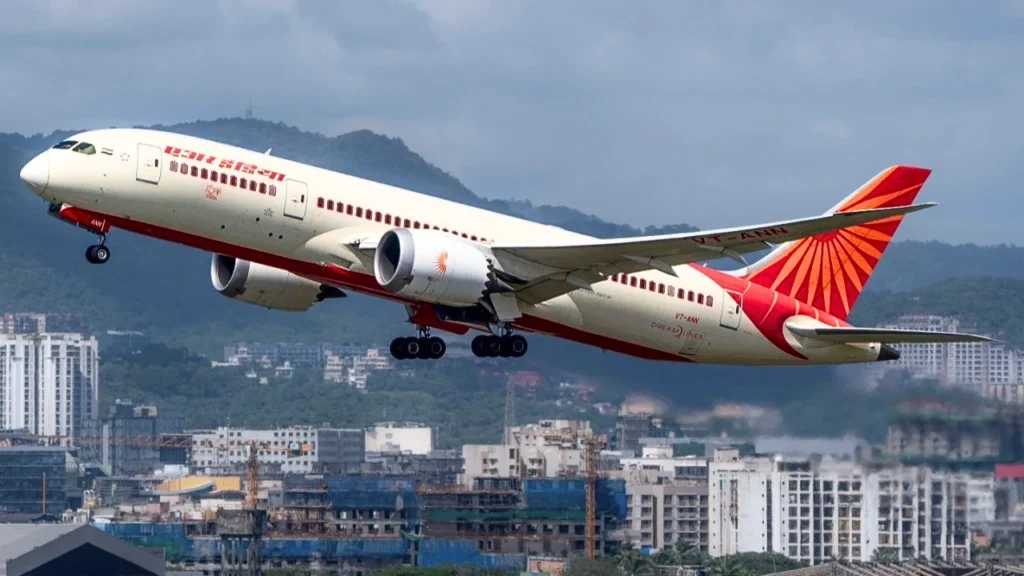
Air India is accelerating the transition of pilots to its Boeing 787 Dreamliner fleet, which forms the backbone of its long-haul operations. Around 28 to 30 Boeing 777 pilots are completing their conversion to the Boeing 787, with deployment expected to begin next month. Additionally, about 15 narrow-body pilots will start Dreamliner training from March 23.
This shift comes as the airline prepares for sustained operational challenges caused by restricted airspace to the west of India. Routes to Europe and the UK have become significantly longer, requiring more crew resources and tighter scheduling.
The airline is also planning to convert more narrow-body pilots to both the 787 and Airbus A350 fleets. This aligns with the expected induction of additional A350 aircraft later this year. At the same time, the number of Boeing 777 aircraft in the fleet is gradually declining as older planes are sent for retrofitting.
Airspace Closures Force Longer Flight Paths
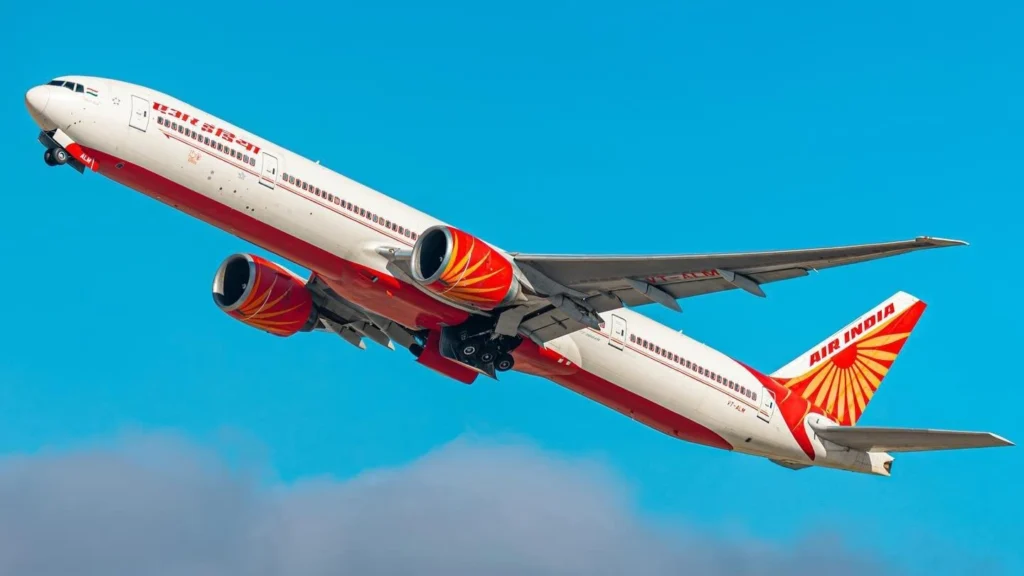
The closure of Pakistan’s airspace to Indian carriers on April 23, 2025, marked a major shift in flight operations. Since then, westbound flights have been rerouted over the Arabian Sea to avoid Pakistani airspace.
Further complications arose as airlines began avoiding Iranian airspace due to regional tensions. The ongoing Israel-Iran conflict has expanded no-fly zones, forcing airlines to take even longer southern routes, often extending flight durations beyond earlier norms.
These changes have significantly increased fuel burn, operational costs, and crew duty hours, TOI reported.
Pilot Fatigue and FDTL Concerns Intensify
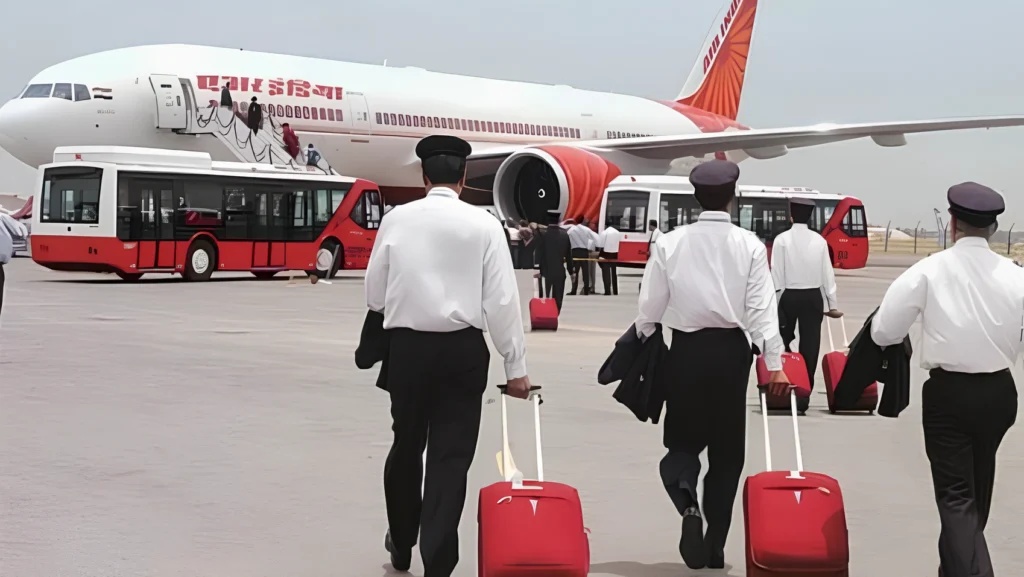
Air India pilots have raised concerns over increasing fatigue due to prolonged duty hours. Flights that were once shorter now approach or exceed 11 hours, often operated by just two pilots under special permissions.
The Directorate General of Civil Aviation (DGCA) has granted exemptions to Flight Duty Time Limitation (FDTL) rules, allowing extended operations to maintain connectivity. However, pilots report cumulative fatigue over nearly a year of sustained longer routes.
Regulators acknowledge the issue but emphasize the need to balance safety with operational continuity. The DGCA now requires airlines to provide concrete data on pilot availability before granting further exemptions.
Regulatory Oversight and Fleet Strategy Adjustments
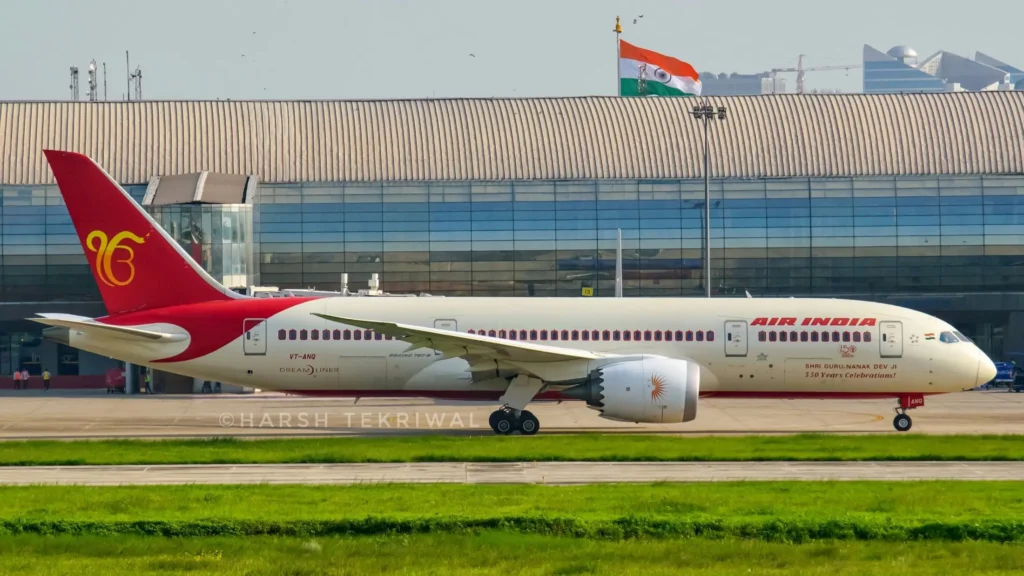
The DGCA is closely monitoring Air India’s pilot expansion plans, seeking regular updates on actual staffing levels rather than projections. This ensures that any relaxation in FDTL norms is supported by measurable improvements in crew availability.
Authorities also evaluated the possibility of reducing crew requirements on certain long-haul routes, such as Australia flights. However, this approach offered limited relief due to lower flight frequencies compared to Europe-bound operations.
Air India’s broader strategy includes fleet modernization and optimized crew allocation to manage the evolving geopolitical and operational landscape.
Stay tuned with us. Further, follow us on social media for the latest updates.
Join us on Telegram Group for the Latest Aviation Updates. Subsequently, follow us on Google News