DELHI- Tata Group-owned Air India (AI) flight AI 111 from Indira Gandhi International Airport (DEL), Delhi, to London Heathrow (LHR) made a U-turn after crew reported technical issues on March 26, 2026.
The flight operated by an Airbus A350 was flying over the Eastern territory of Saudi Arabia when the crew reported the incident.
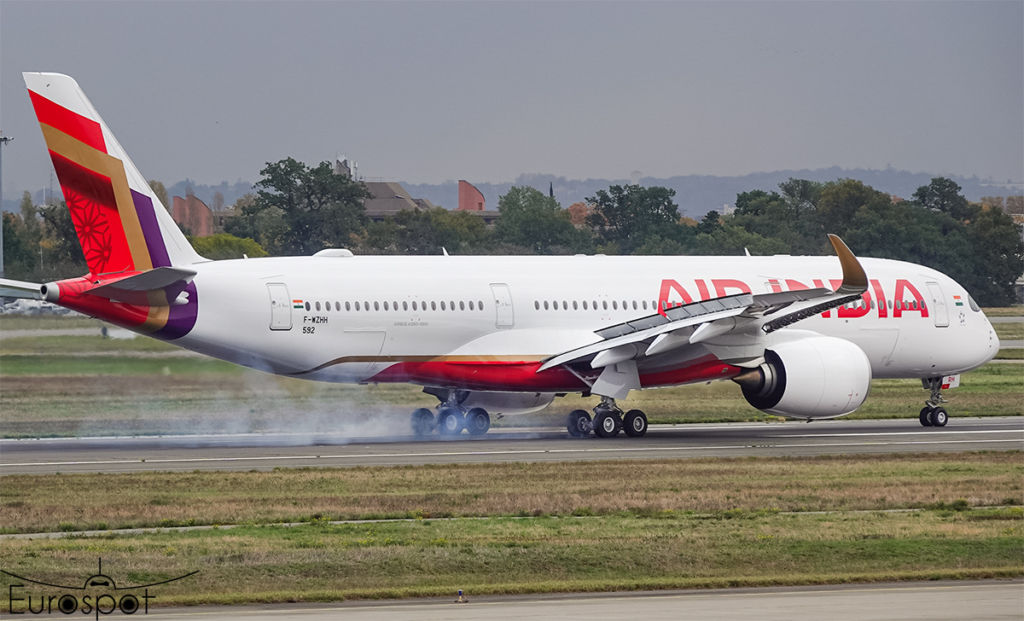
Air India Delhi to London Flight U-Turn
According to FlightRadar24 data, Air India flight AI 111 took off from Delhi at 00:43 UTC (6:13 AM IST).
After crossing the Indian border, the flight was cruising at 36,000 feet, but at 2:21 UTC, the aircraft dropped in altitude to 30,000 feet in a few minutes. Before entering the gulf the aircraft gained an altitude of 32,000 feet and later to 36,000 feet (While this is normal, but in this case it can be related to the issue)
At 4:06 UTC, the crew reported some vibration and noise coming from the aircraft and decided to make a precautionary diversion for the safety of the aircraft and its occupants.
As per the airframes.io report, the Air India cockpit crew told ATC that they were facing some technical issue with the aircraft, which is related to vibration and noise, and wanted to divert to VIDP, which is the ICAO code for Delhi International Airport.
Also, Republic World reported that a loud grinding or thumping sound was coming from the aircraft’s aft section, the rear area near the cargo hold.
The noise was reportedly strong enough to interfere with cockpit communication, leading the pilot to take precautionary action.
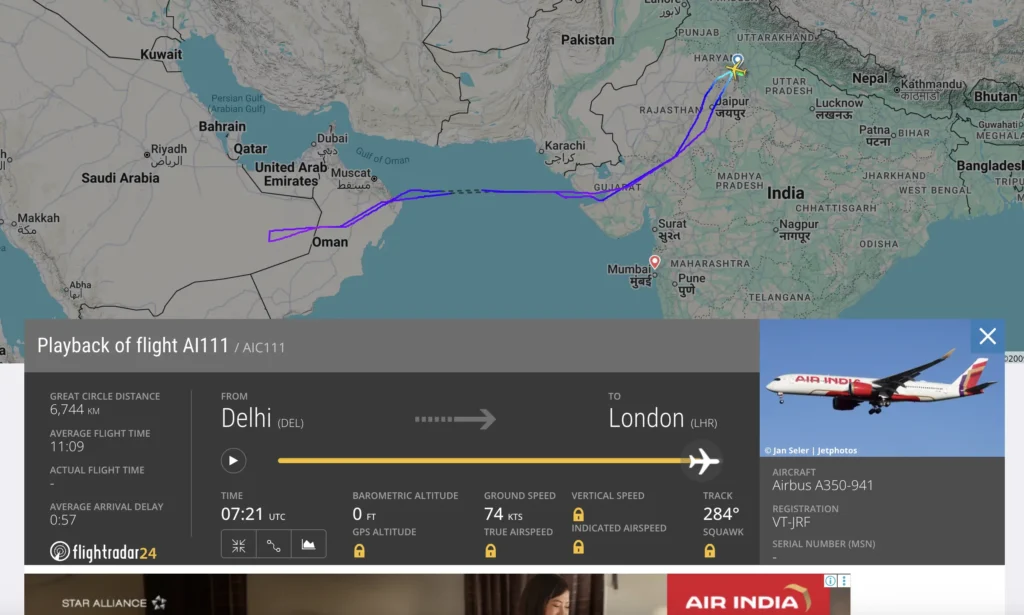
The flight returned to Delhi and landed safely at 7:21 UTC. Flight AI 111 was operated by a 2.4-year-old Airbus A350-900, registered as VT-JRF, which is powered by two RR Trent XWB-84.
It is the same aircraft that was operating flight AI 102 from New York JFK to Delhi and diverted to Shannon (SNN), Ireland, due to unusual vibrations from the underbelly section.
The exact cause of the vibration and loud noise is not revealed by the carrier, but we will update the post once we have more details about it. Also, this is the 5th major incident for Air India in two weeks.
While such incidents are not uncommon, they often require diversions and extra precautions to avoid any major harm to the aircraft and its occupants.
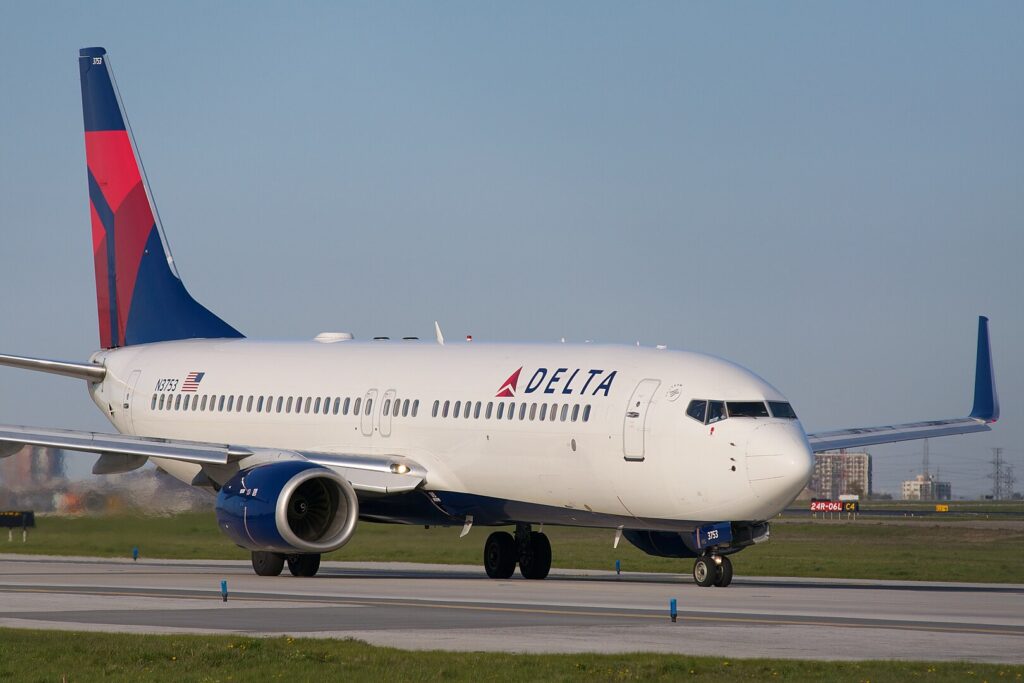
Similar Incident
Delta Air Lines (DL) Flight DL2346 from New York LaGuardia Airport (LGA) to Miami International Airport (MIA) made an emergency landing after a loud noise during takeoff. The aircraft diverted to New York John F. Kennedy International Airport (JFK) and landed safely.
The Boeing 737-800, carrying 154 people, experienced the issue shortly after departure. The crew acted quickly, declared an emergency, and ensured a safe return to ground with no injuries reported.
Delta Flight Diverts to JFK After Takeoff Incident
On May 28, 2025, Delta Air Lines (DL) Flight DL2346 departed from LaGuardia Airport (LGA) bound for Miami (MIA). Shortly after liftoff from Runway 13, the flight crew reported hearing a loud bang from the front section of the aircraft, believed to be near the nose landing gear.
The pilots immediately contacted air traffic control, declared an emergency, and requested a diversion to John F. Kennedy International Airport (JFK). The aircraft climbed to about 4,000 feet before initiating a return for landing.
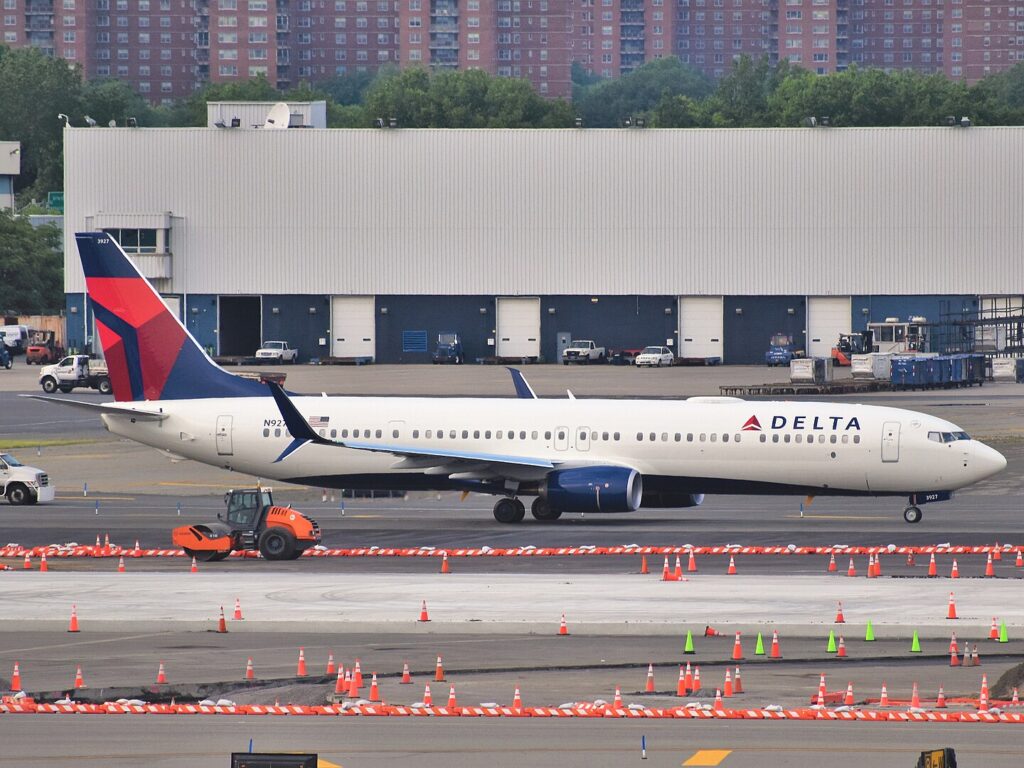
Safe Landing Despite Reported Nose Gear Concern
The Boeing 737-800, registered as N383DN, landed on Runway 22L at JFK approximately 15 minutes after departure. During rollout, the pilots reported abnormal vibrations, suggesting a possible issue with the nose gear assembly.
After exiting the runway, the aircraft stopped on Taxiway Z, where emergency response teams were already in position. The aircraft remained stationary for about 20 minutes before being towed to the terminal with emergency vehicles escorting it as a precaution.
No injuries were reported among passengers or crew. However, the aircraft was taken out of service for inspection and remained grounded at JFK for over 22 hours.
Delta arranged a replacement Boeing 737-800, registered as N390DA, to transport passengers to Miami. The delay resulted in passengers arriving approximately seven hours behind schedule.
Early indications suggest the issue may be linked to the nose wheel or landing gear components, though the exact cause remains under review.
Stay tuned with us. Further, follow us on social media for the latest updates.
Join us on Telegram Group for the Latest Aviation Updates. Subsequently, follow us on Google News


