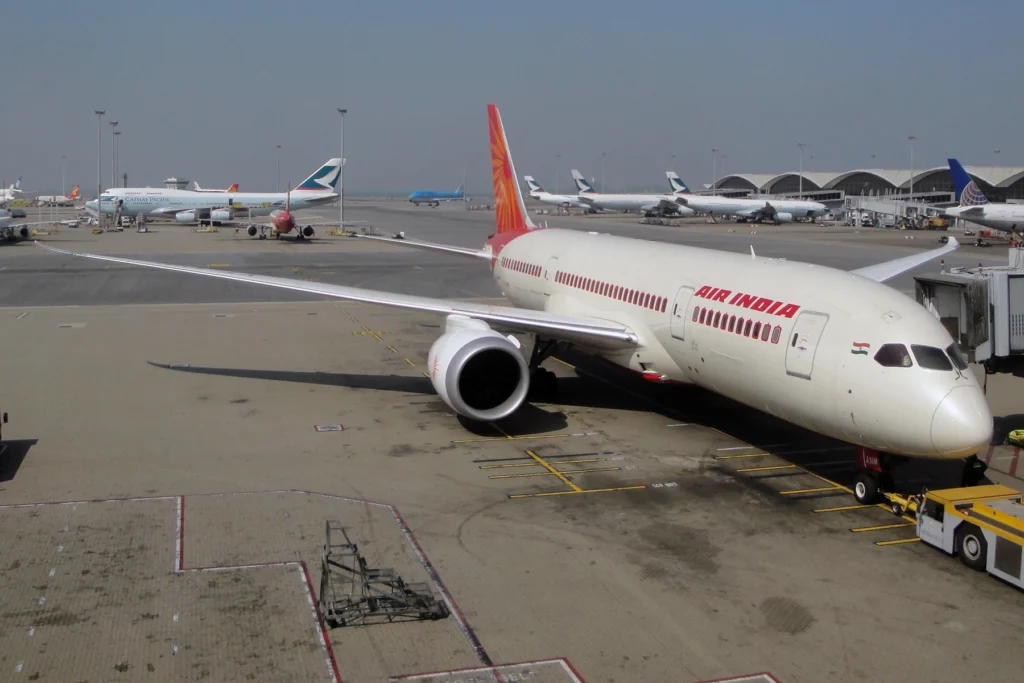
DELHI- Tata Group-owned Air India (AI) grounded a Boeing 787 Dreamliner after the crew reported a fuel control switch concern following arrival from London Heathrow (LHR) to Bengaluru (BLR).
The airline informed regulators and began technical checks while Boeing and aviation authorities reviewed the reported switch behavior.
CC BY 2.0, https://commons.wikimedia.org/w/index.php?curid=58290529
Air India Grounded 787 Dreamliner
Air India grounded Boeing 787-8 aircraft VT-ANX after pilots operating Flight AI132 reported abnormal behavior involving the left engine fuel control switch. The aircraft departed London Heathrow at 9:19 pm Sunday and landed safely in Bengaluru at 11:54 am Monday, local time.
According to airline sources, the irregularity was noticed after landing. Safety Matters Foundation later stated that during engine start procedures, the left engine fuel control switch failed to remain locked in the RUN position on two attempts and moved toward CUTOFF. Under certain conditions, such movement could risk an unintended engine shutdown during flight.
Air India confirmed that after receiving the pilot’s report, it grounded the aircraft and requested inspection support from the original equipment manufacturer. The airline also informed India’s aviation regulator, the Directorate General of Civil Aviation (DGCA).
According to TOI, DGCA has initiated a review and sought detailed information from the airline, while Boeing is also supporting technical examination.
Regulatory Review and Manufacturer Response
Boeing stated it remains in contact with Air India and is supporting the airline’s investigation. DGCA is assessing technical details to determine whether the issue resulted from mechanical failure or operational factors.
Air India reiterated that safety remains its top priority and confirmed that fleet-wide checks on Dreamliner fuel control switches were conducted earlier under DGCA instructions, with no defects reported at that time.
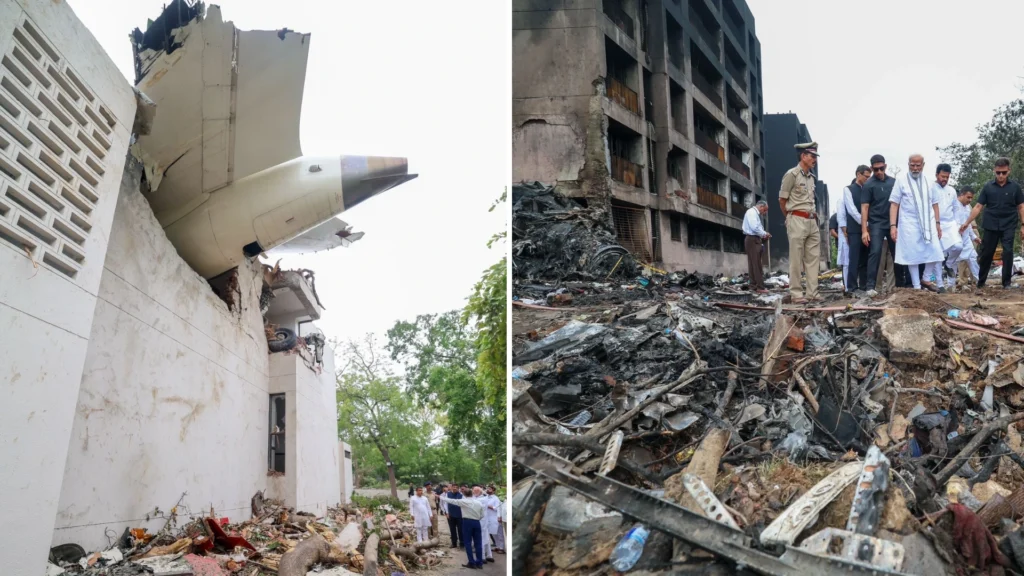
Context from the 787 Crash
The issue draws attention because an Air India Boeing 787 operating as Flight AI171 crashed in Ahmedabad on June 12, 2025, shortly after takeoff, resulting in 260 fatalities.
Preliminary investigation reports indicated fuel supply to engines stopped after switches moved from RUN to CUTOFF, though the exact cause remains under investigation.
Cockpit recordings revealed confusion between pilots regarding switch movement, raising broader safety concerns around fuel control switch reliability and cockpit procedures.
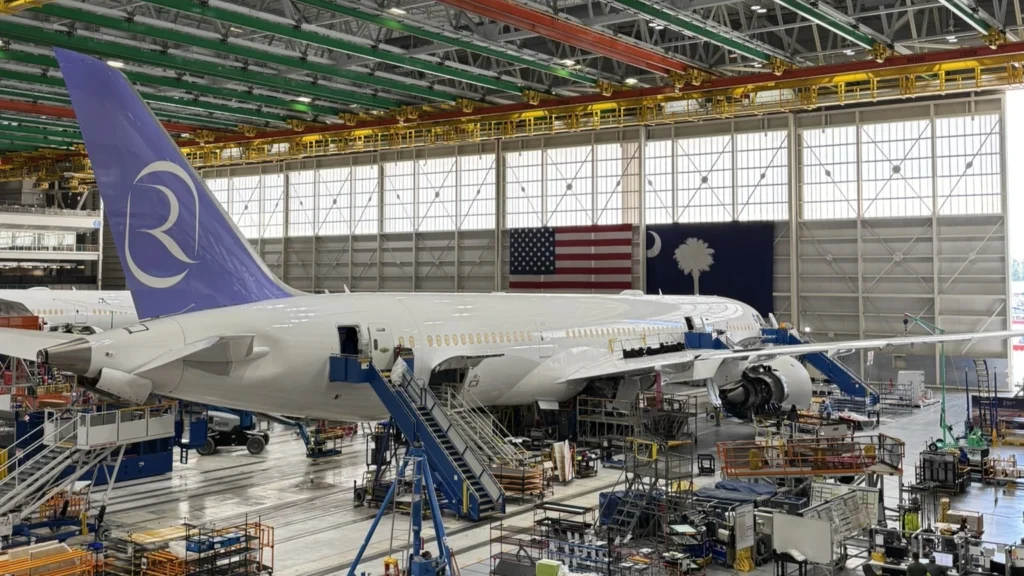
FAA Safety Alert and Expert Concerns
The US Federal Aviation Administration issued a safety alert in 2018 warning that certain fuel control switches, including those installed on Boeing 787 aircraft, could malfunction and increase shutdown risk. Operators were advised to inspect and replace affected components.
Aviation safety expert Captain Amit Singh stated the recurrence of such concerns after previous fleet inspections raises questions regarding inspection depth and possible recurring technical faults. He stressed that both passengers and flight crews require clear safety assurances.
Ongoing Investigation and Next Steps
DGCA continues reviewing technical data and maintenance records related to the aircraft. Air India and Boeing are expected to provide further findings once inspections conclude.
The grounded aircraft will remain out of service until engineers confirm the fuel control switch functions within certified safety limits.

Safety Concerns Rise After Boeing 787 Fuel Switch Malfunction
Safety Matters Foundation (SMF) has called for a transparent investigation after a Boeing 787 operated by Air India reported a fuel control switch malfunction during an international flight.
The incident has renewed scrutiny over past safety advisories and inspection processes related to Boeing 787 fuel control systems, prompting calls for regulatory review.
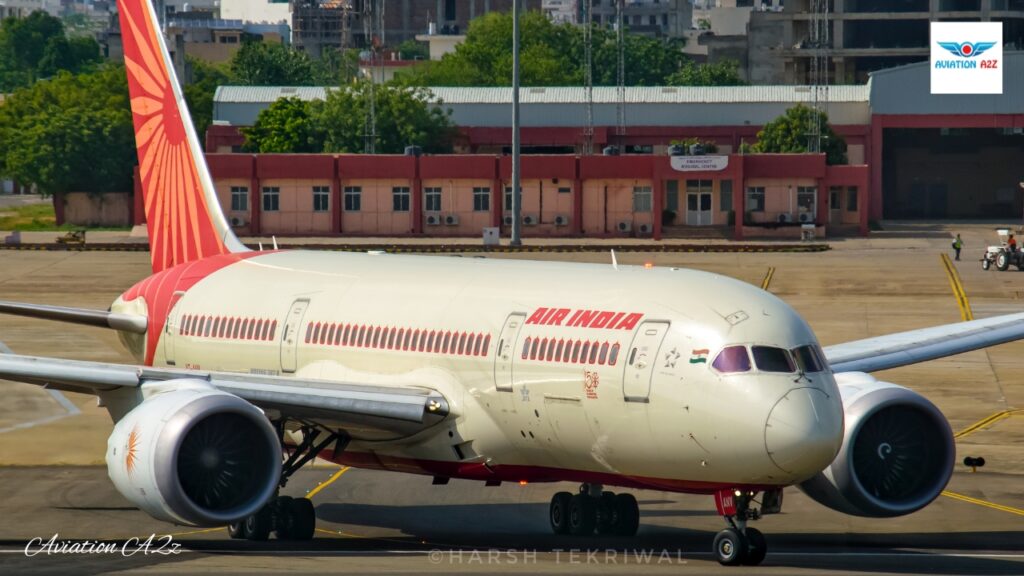
On 2 February 2026, Air India Flight AI132 operating from London Heathrow to Bengaluru reported abnormal behavior in the left engine fuel control switch on a Boeing 787-9 aircraft registered VT-ANX.
During engine start procedures, the switch twice failed to stay in the RUN position and instead moved toward CUTOFF. Such a malfunction, under certain conditions, could lead to an unintended engine shutdown during flight operations.
Safety Matters Foundation noted that the issue reflects risks already flagged by the U.S. Federal Aviation Administration. In 2018, the FAA issued Safety Alert for Operators SAIB NM-18-33, warning that certain fuel control switches, including those used on Boeing 787 aircraft, could fail similarly. The advisory recommended inspections and replacement where necessary.
The Foundation expressed concern because Air India had earlier stated that precautionary inspections across its Boeing 787 fleet had not revealed any defects. The recurrence of a similar malfunction now raises questions regarding inspection scope and effectiveness.
Capt. Amit Singh, Founder of Safety Matters Foundation, said
Safety is built on a foundation of transparent reporting, rigorous inspection, and proactive correction. When a known warning from years ago manifests in flight today, we must ask if the system is learning fast enough.
We urge all stakeholders to treat this with the seriousness it deserves to ensure public confidence is maintained.”
Capt. Amit Singh, Founder of Safety Matters Foundation
Safety Matters Foundation’s Key Demands
The Foundation outlined several actions it believes are necessary to address safety concerns:
Transparent Disclosure of Findings
The Directorate General of Civil Aviation and Air India should publicly share inspection findings related to aircraft VT-ANX to ensure transparency.
Review of Previous Fleet Inspections
Authorities should reassess earlier fleet-wide inspections of Boeing 787 fuel control switches to confirm inspection adequacy and methodology.
Improved Crew Awareness
Airlines should ensure flight crews are fully aware of FAA advisories and reporting procedures related to fuel switch anomalies.
Regulatory Safety Assessment
DGCA should determine whether this event represents an isolated fault or signals a wider fleet risk requiring regulatory action.
Importance of Transparent Safety Oversight
Safety Matters Foundation stressed that aviation safety depends on clear reporting, consistent inspections, and rapid corrective measures. When issues previously flagged by regulators reappear, authorities must evaluate whether corrective systems are functioning effectively.
Industry observers note that transparent handling of safety events is essential to maintain public trust in air travel, particularly when incidents involve modern widebody aircraft used on long-haul routes.
Stay tuned with us. Further, follow us on social media for the latest updates.
Join us on Telegram Group for the Latest Aviation Updates. Subsequently, follow us on Google News


