FORT WORTH- American Airlines (AA) is facing a lawsuit from customer service agents who claim the airline required them to work unpaid hours and overtime without proper compensation.
The case centers on employees working at airports, including Nashville International Airport (BNA), where agents allege that automatic break deductions and time rounding practices resulted in lost wages.
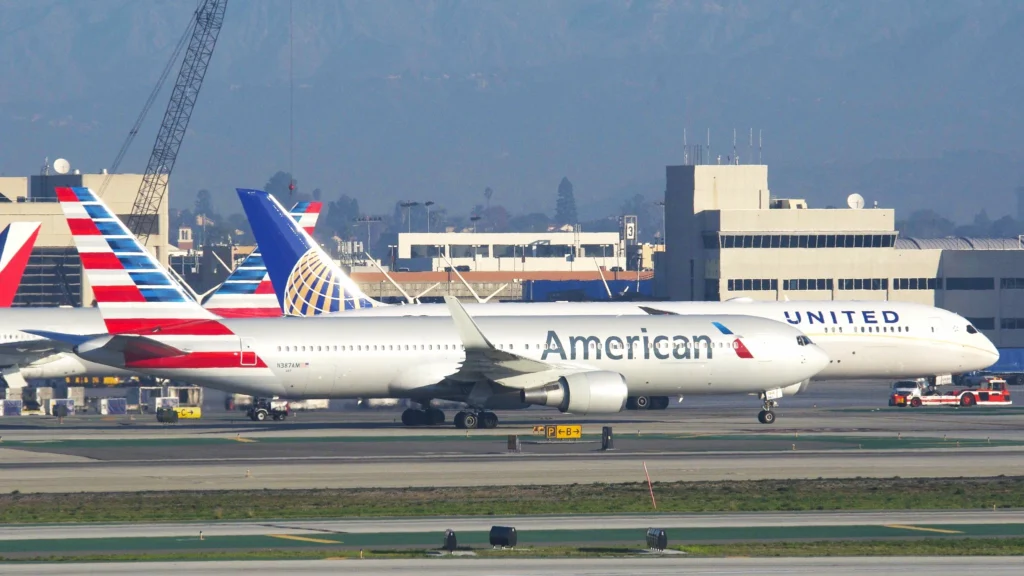
Lawsuit Targets Unpaid Work at American Airlines
A group of American Airlines customer service employees has filed a proposed class action lawsuit alleging the airline systematically failed to compensate staff for hours worked. The case, Tencza v. American Airlines, Inc., was filed in the U.S. District Court for the Northern District of Texas.
The lawsuit claims hourly passenger service employees, including Customer Service Agents, Gate Agents, and Ticket Agents, were frequently required to perform work duties during unpaid periods. These employees assist passengers, manage boarding gates, and handle ticketing operations at airports across the United States.
The lead plaintiff worked as a customer service agent for American Airlines at Nashville International Airport (BNA) from 1995 to 2025. The complaint seeks to represent workers employed in similar roles nationwide since January 30, 2020, under the Fair Labor Standards Act (FLSA). A separate class limited to workers in Tennessee has also been proposed.
According to the filing, the airline automatically deducted 30 minutes from each shift for meal breaks. However, employees argue they were not fully relieved from duty during those periods. Agents reportedly had to assist passengers even while heading to break areas or during their break times.
Federal labor law requires unpaid meal breaks to be free from work duties. If employees continue performing job tasks, that time generally must be counted as paid work hours, as View from the Wing highlighted.
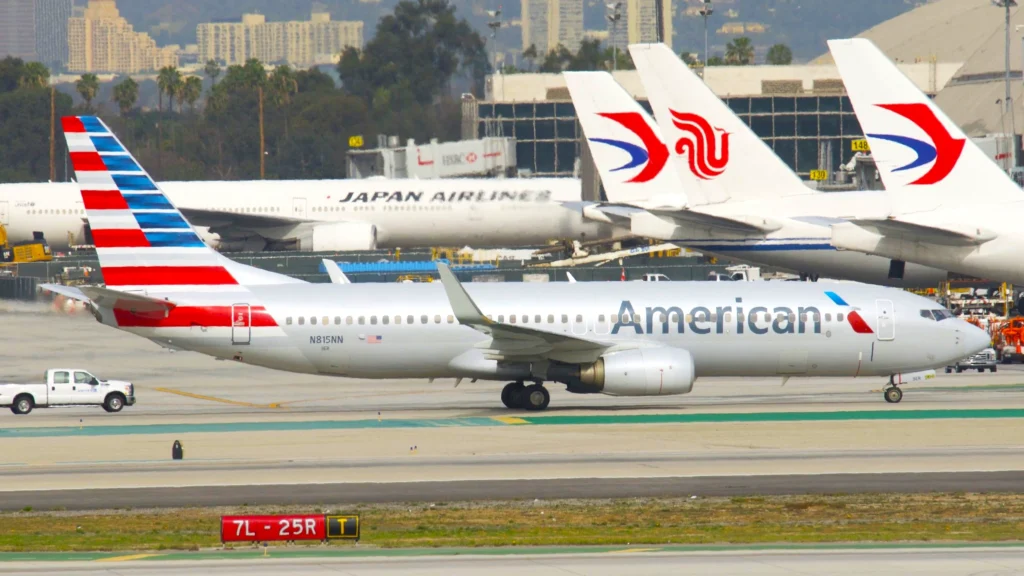
Disputed Timekeeping and Break Policies
The lawsuit also challenges the airline’s timekeeping system. According to the complaint, American Airlines used quarter-hour rounding for employee clock-in and clock-out times.
Time rounding is permitted under U.S. labor law if it averages out over time and does not systematically disadvantage workers. However, the plaintiffs argue that the system effectively reduced paid work time.
For example, the complaint states employees were instructed to clock in at times such as 1:08 p.m., but pay would not begin until the rounded time of 1:15 p.m. Similarly, employees who clocked out at 9:22 p.m. were paid only until 9:15 p.m.
The plaintiffs claim this process removed up to 14 minutes of paid work time per shift. If employees clocked in or out in ways that benefited them under the rounding system, the lawsuit alleges they sometimes faced disciplinary action.
Combined with the automatic meal deduction policy, the complaint states employees could lose between 0.5 and 2.5 hours of wages per week.
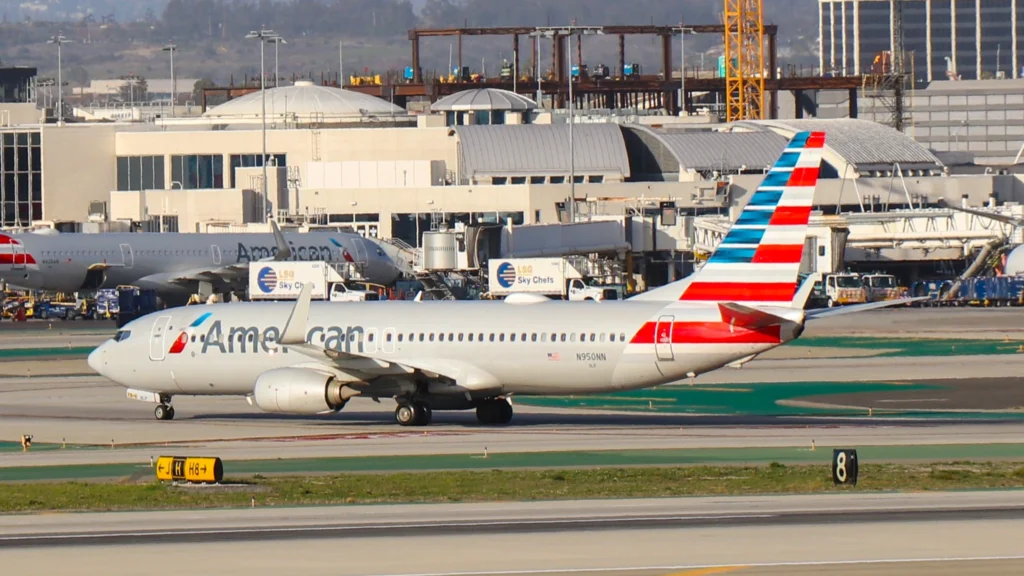
Federal Aviation Labor Rules Could Limit Overtime Claims
Despite the allegations, the airline may face limited legal exposure because of federal labor rules governing airline employees.
The Fair Labor Standards Act includes an exemption for workers employed by air carriers that fall under Title II of the Railway Labor Act. Courts have previously interpreted this provision to exclude certain airline employees from FLSA overtime protections.
American Airlines has successfully relied on this exemption before. In the case Hartwig v. American Airlines, a federal court dismissed overtime claims because customer service roles were considered directly related to air transportation.
If courts apply the same reasoning in the current case, the overtime portion of the lawsuit could be dismissed.
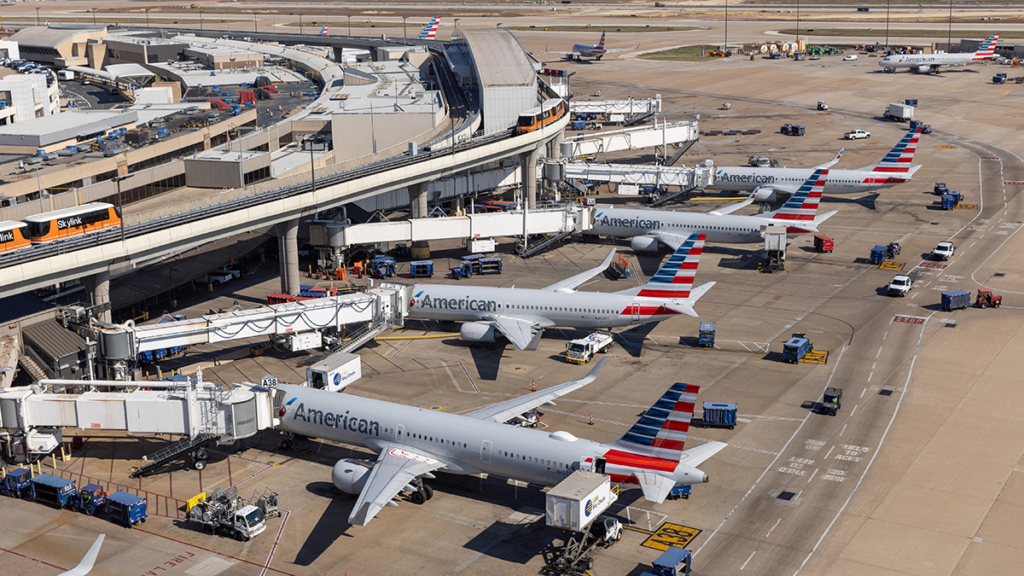
Challenges to Certifying a Nationwide Class Action
Another hurdle for the plaintiffs involves proving that the alleged unpaid work occurred consistently across multiple airports.
To certify a nationwide class action, the court must determine whether the practices similarly affected employees across the company. American Airlines is expected to argue that any missed compensation resulted from individual circumstances rather than a companywide policy.
Questions likely to arise include whether agents were interrupted during breaks, whether supervisors were aware of the interruptions, and whether missed break deductions were reversed. These factors could vary by airport location and by individual employee.
The airline reportedly maintains a system allowing managers to reverse meal break deductions if employees worked during their breaks. Plaintiffs would need to demonstrate that supervisors regularly refused such corrections despite knowing work was performed.
Union Contracts and State Law Complications
The lawsuit also includes claims under Tennessee law, but those may face additional obstacles.
Passenger service agents at American Airlines are represented by the CWA IBT union. Their contract with the airline covers issues such as wages, breaks, and working conditions.
Under the Railway Labor Act, disputes involving contract terms between airlines and union employees are often handled through labor arbitration rather than civil litigation. This could prevent the state-level claims from moving forward in court.
Growing Trend of Airline Worker Pay Lawsuits
Legal disputes over airline worker pay have become more common in recent years.
Southwest Airlines flight attendants have filed lawsuits related to compensation during boarding time. United Airlines flight attendants have also pursued similar claims. In another case, employees at the Delta Sky Club at Los Angeles International Airport (LAX) have argued they were not paid for time spent passing through airport security before shifts.
Many of these cases involve conflicts between federal aviation labor laws, union contracts, and state labor protections.
The American Airlines case highlights a different issue. If the claims are proven accurate, the dispute centers on unpaid work during breaks and small time deductions at the beginning and end of shifts.
However, proving these practices occurred consistently across the airline’s nationwide operations may prove difficult. Courts often require detailed evidence from individual employees and locations before approving large class action wage claims.
Stay tuned with us. Further, follow us on social media for the latest updates.
Join us on Telegram Group for the Latest Aviation Updates. Subsequently, follow us on Google News