CHICAGO- Chicago witnessed a ground-handling incident that temporarily sidelined an American Airlines (AA) narrowbody aircraft after a wing struck a de-icing truck during departure preparations. The event occurred on Friday, January 30, at Chicago O’Hare International Airport (ORD), one of the busiest aviation hubs in the United States.
The aircraft involved was operating American Airlines Flight 2121 from ORD to Boston Logan International Airport (BOS). The contact forced the carrier to remove the Airbus A319 from service, leaving passengers onboard for several hours before they were deplaned and rebooked onto a replacement aircraft, significantly delaying the short-haul flight.
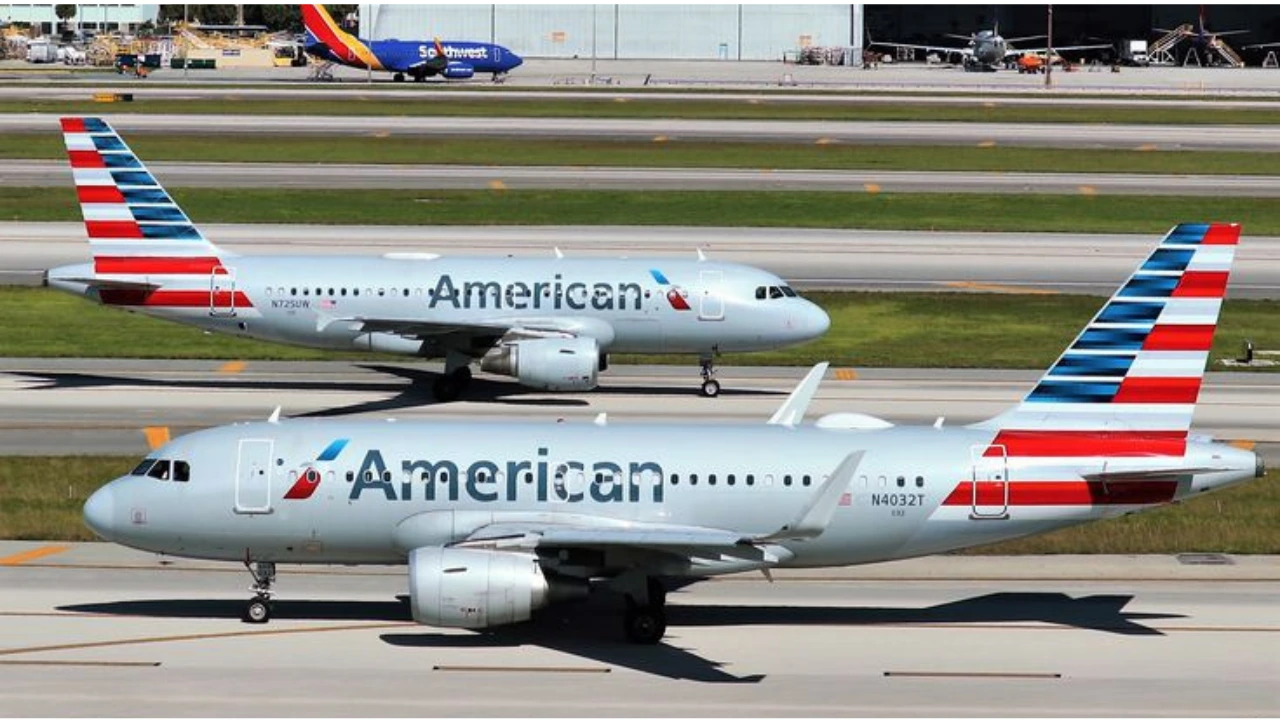
Ground handling incident
Passengers had already boarded Flight 2121 and were settled for the planned two-hour journey from Chicago to Boston when the incident occurred. During the final stages of the de-icing process, the aircraft began pushing back from Gate K8 and made contact with a nearby de-icing truck.
The impact resulted in damage to the aircraft, prompting American Airlines to halt the departure.
Although no injuries were reported among passengers or crew, the airline kept customers onboard for up to two hours before deciding to return to the gate and source a replacement aircraft.
American Airlines later confirmed that the Airbus A319 was taken out of service for inspection by its maintenance teams.
The carrier reiterated that safety remains its top priority and apologized to customers for the disruption caused by the prolonged ground delay.
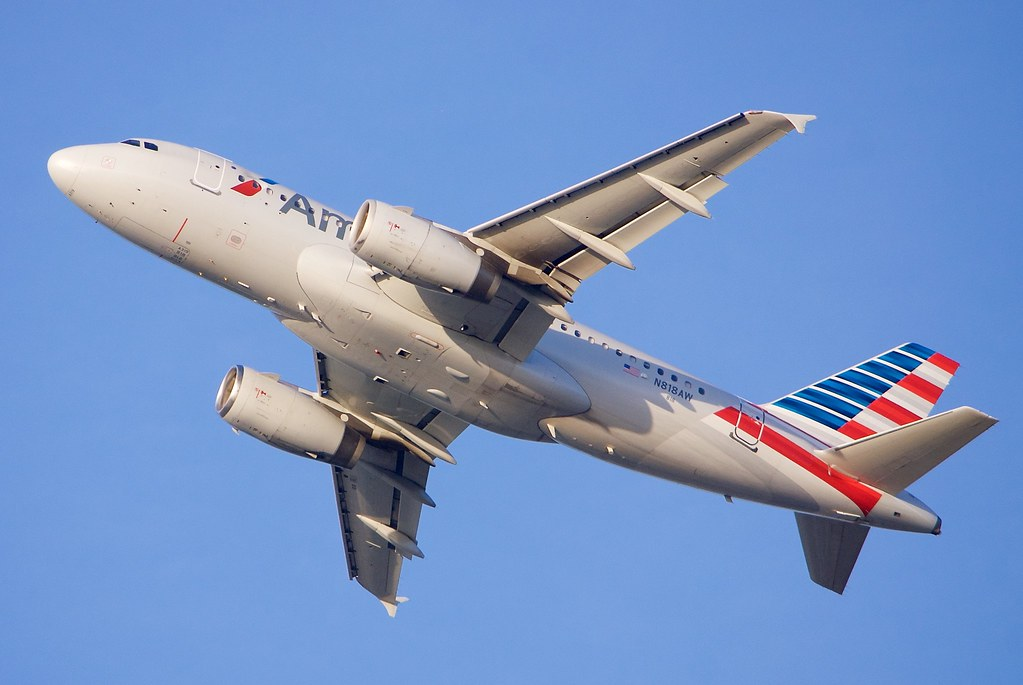
Flight Disruption Details
Flight 2121 was originally scheduled to depart Chicago at 1:25 pm local time. Following the incident and the subsequent aircraft change, the flight eventually departed at 8:16 pm, marking a delay of nearly seven hours.
Passengers were transferred to a larger Airbus A321-200 to complete the journey to Boston.
The delayed departure also pushed the arrival into the late evening, with the aircraft expected to land close to 11:30 pm, according to live flight tracking data.
Extended ground delays of this nature can have a cascading effect on airline operations. Beyond passenger inconvenience, such incidents often disrupt crew schedules, aircraft rotations, and gate availability at congested airports like ORD.
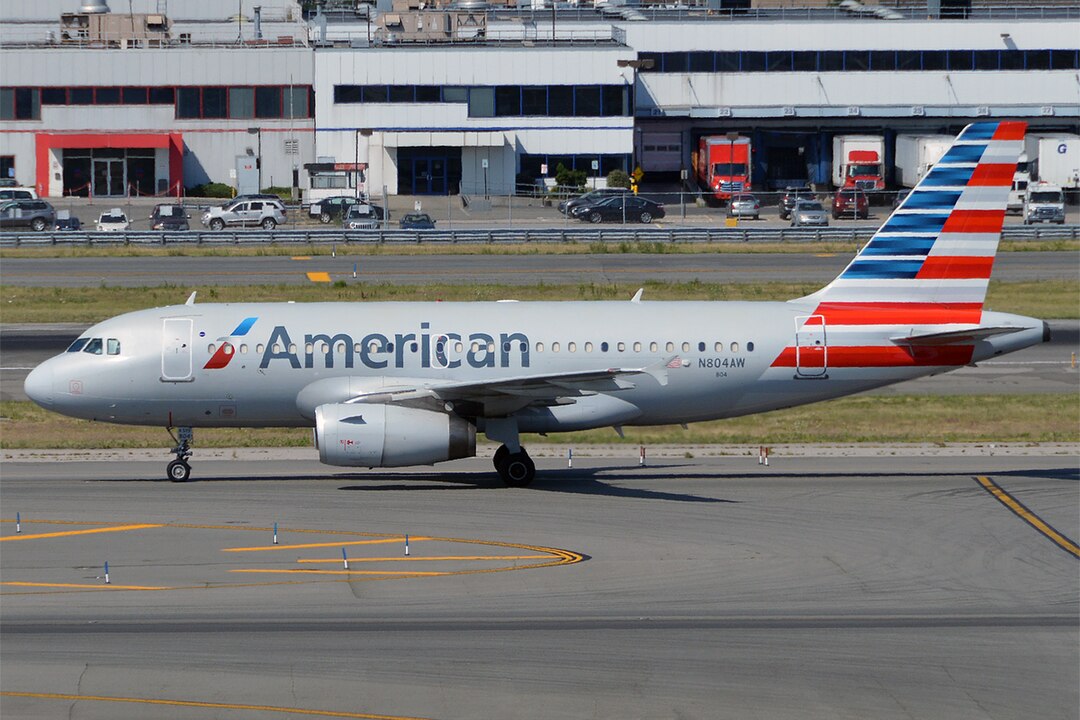
Aircraft and fleet context
The affected aircraft, registered as N9013A, is a 12-year-old Airbus A319-115 that first flew in October 2013 before entering service with American Airlines the following month, reported Simple Flying.
It remains parked on the apron at ORD as inspections continue, with the extent of the damage yet to be disclosed.
The A319 is part of American Airlines’ legacy narrowbody fleet and is configured to seat 128 passengers, including eight in Domestic First and 120 in the Main Cabin.
Notably, this aircraft type was among the first in the airline’s domestic fleet to feature seatback screens, a product that American plans to phase out in favor of streaming entertainment accessed through personal devices.
American Airlines currently operates around 32 Airbus A319 aircraft, many inherited through past mergers.
As these aircraft age, ground incidents can prove costly, not only due to repair expenses but also because of lost utilization, passenger reaccommodation, and knock-on scheduling impacts.
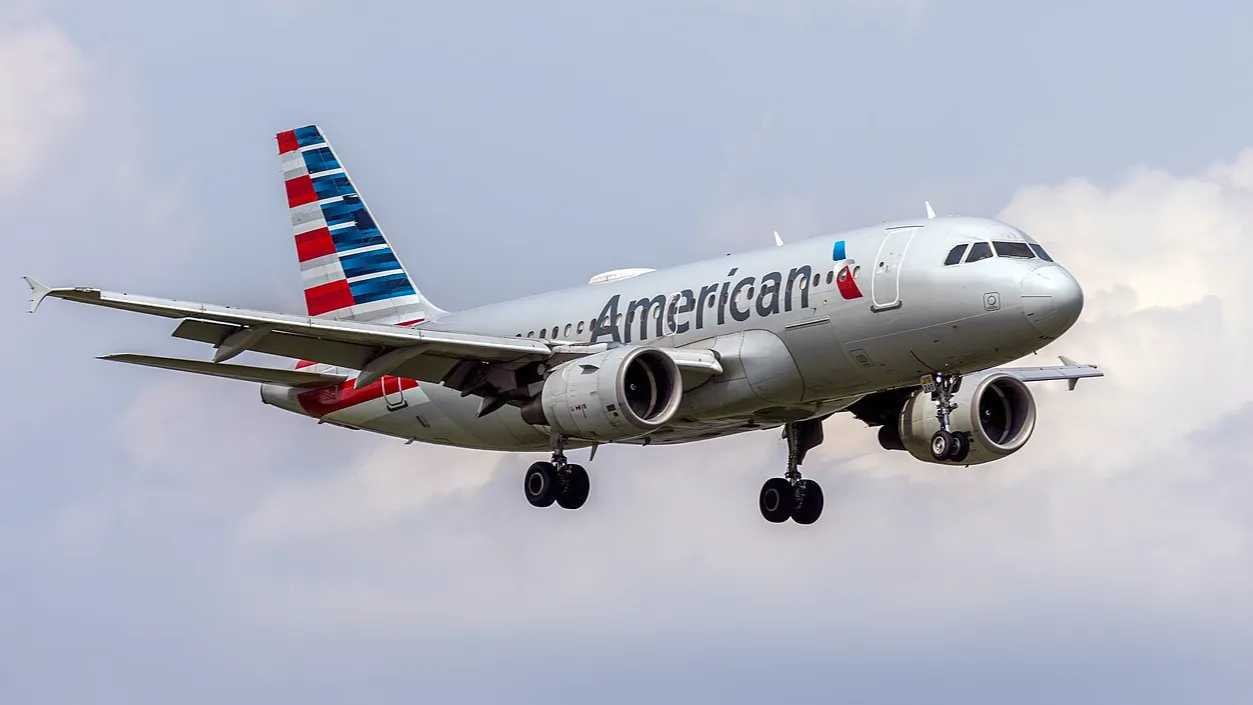
https://commons.wikimedia.org/wiki/File:American_Airbus_319_N749US_DCA_VA2.jpg
Bottom Line
The removal of an Airbus A319 from service following a de-icing truck collision highlights how routine ground operations can quickly escalate into major disruptions.
While no injuries were reported, the incident underscores the operational and financial challenges airlines face when aircraft sustain damage on the ground at high-traffic airports.
Stay tuned with us. Further, follow us on social media for the latest updates.
Join us on Telegram Group for the Latest Aviation Updates. Subsequently, follow us on Google News


