DELHI— The Airline Pilots’ Association of India (ALPA) has called on the Directorate General of Civil Aviation (DGCA) to immediately withdraw the recent extension of flight duty time limits (FDTL) for Boeing 787 two-pilot operations.
According to ALPA, the DGCA’s decision to raise duty time from 10 hours to 10.5 hours and extend flight duty periods from 13 hours to 14 hours represents a “grave operational and safety concern”, as quoted in India Today.
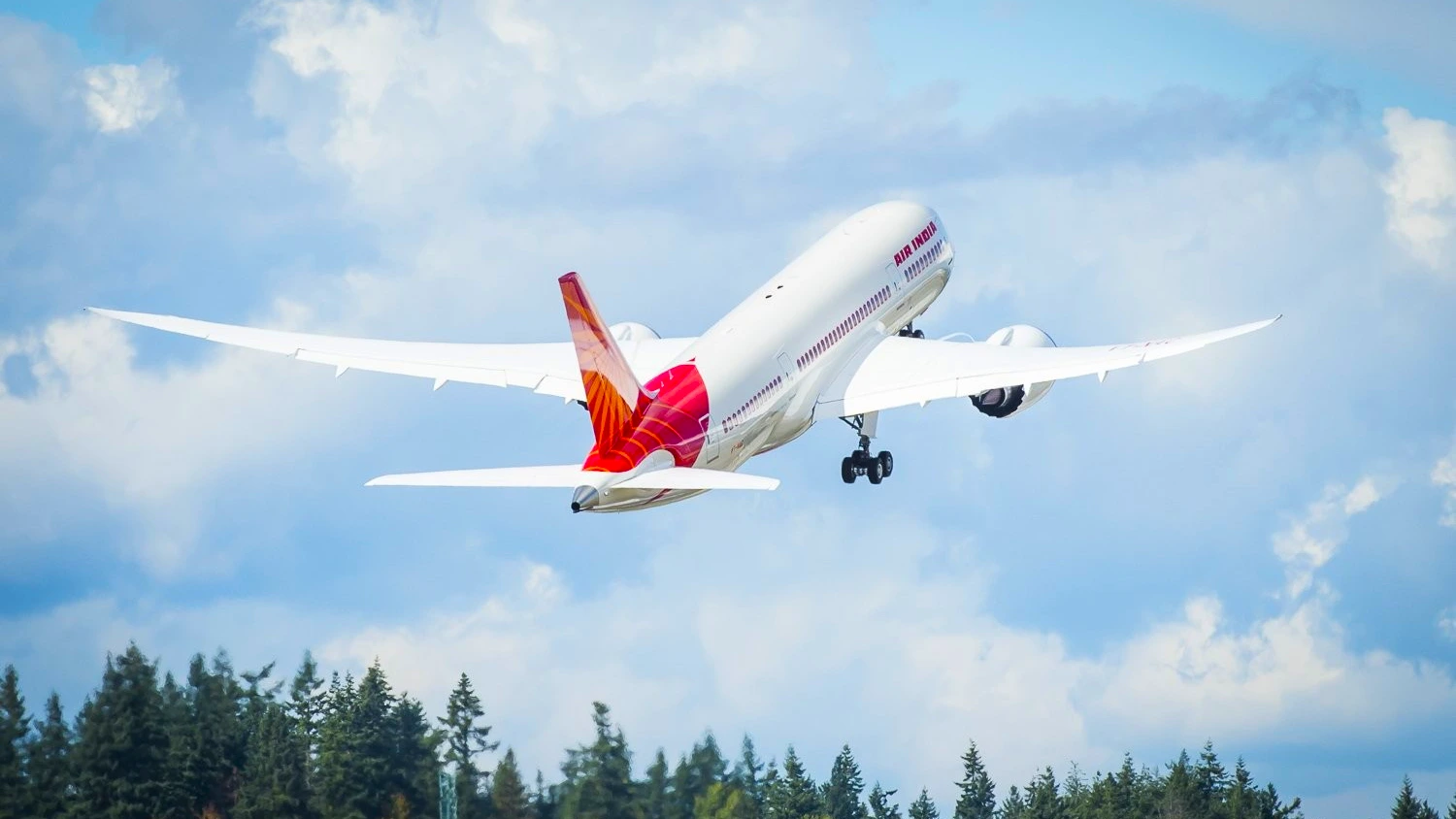
Boeing 787 Pilot Flight Hours Extension
ALPA stated that the extension effectively pushes the limits of safe flight operations. It argued that pilots flying long-haul and night flights should operate with a minimum of three flight crew members rather than two to ensure adequate rest opportunities during extended duty periods.
The association said the DGCA must “immediately withdraw the FDTL extension” and mandate three-member crews for flights exceeding eight hours.
It further urged the regulator to undertake a comprehensive fatigue risk assessment in coordination with pilot representatives before considering any additional relaxations to crew duty limits.
Pilots highlighted that fatigue is not merely a comfort issue but one directly linked to flight performance and situational awareness — both crucial for safety on long sectors.
Pilots flying Boeing 787 aircraft for carriers such as Air India (AI) and Vistara (UK) often operate long-haul routes from major airports including New Delhi (DEL) and Mumbai (BOM), where fatigue management is already a significant operational challenge.
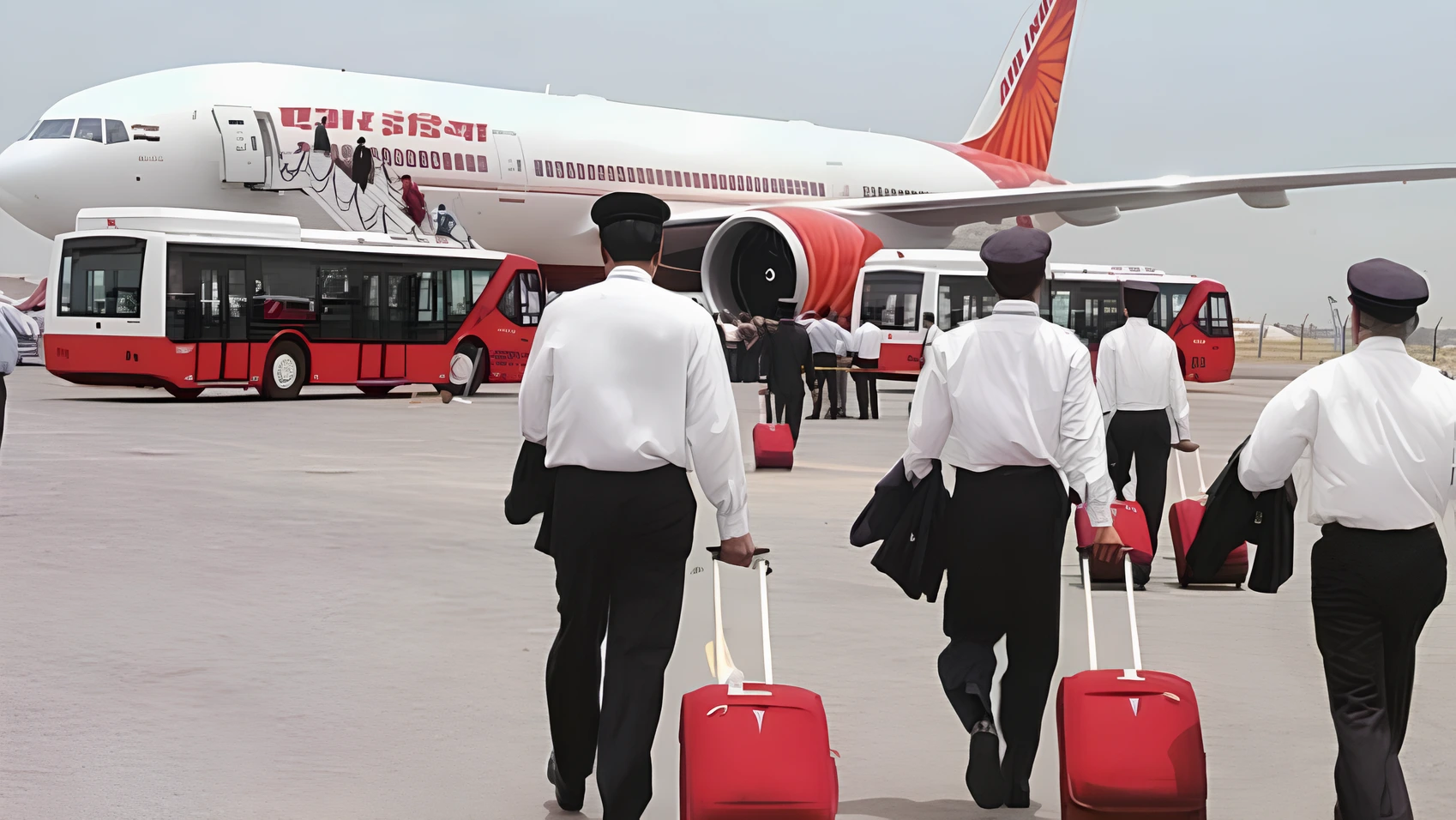
FAA Measures Influence Debate
ALPA’s demand follows similar safety concerns raised by the U.S. Federal Aviation Administration (FAA), which recently mandated restrictions on the captain’s seat recline function in the Boeing 787.
The FAA directive came after reports that seat recline limitations could compromise crew rest quality on long-haul flights.
According to ALPA, this restriction “has had a direct and severe impact on in-flight rest effectiveness.” The inability to recline, it said, “significantly reduces rest quality,” especially during overnight operations when pilots are already battling circadian disruptions.
The association noted that India’s regulators should adopt a precautionary approach, maintaining enhanced crew requirements until Boeing implements corrective seat modifications across its 787 fleet.
Fatigue Risk and Safety
ALPA emphasized that the DGCA’s decision “strikes at the heart of flight safety,” warning that extended duty periods may compromise the operational readiness of pilots responsible for long-duration international flights.
“If left unaddressed, the move exposes both operating crew and passengers to unnecessary and preventable risk,” the union said. It urged the DGCA to prioritize fatigue science and align its policies with global safety standards rather than administrative convenience.
The pilots’ body reiterated that fatigue-related incidents often occur subtly but can have severe consequences if ignored. It called for transparency and data-backed risk assessments to safeguard both crew welfare and flight safety.
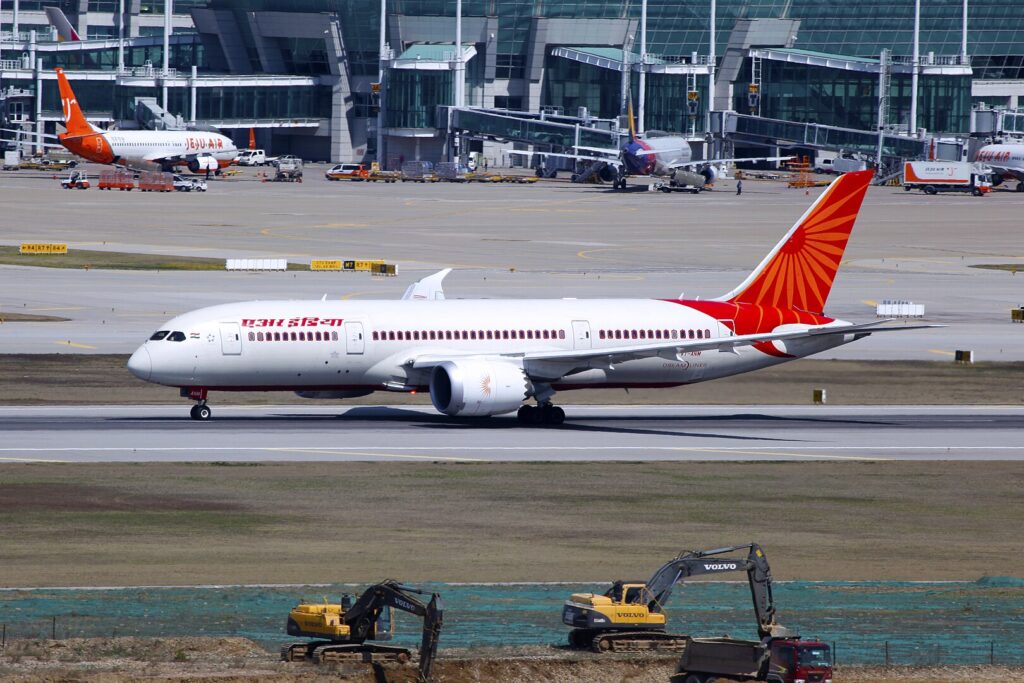
Bottom Line
India’s aviation regulator faces growing pressure from pilots to reconsider its decision to extend Boeing 787 flight duty hours.
With fatigue emerging as a major safety issue, ALPA’s warning underscores the delicate balance between operational efficiency and human endurance.
Unless the DGCA re-evaluates its policy, long-haul operations could face heightened scrutiny from both domestic and international safety watchdogs.
Stay tuned with us. Further, follow us on social media for the latest updates.
Join us on Telegram Group for the Latest Aviation Updates. Subsequently, follow us on Google News


