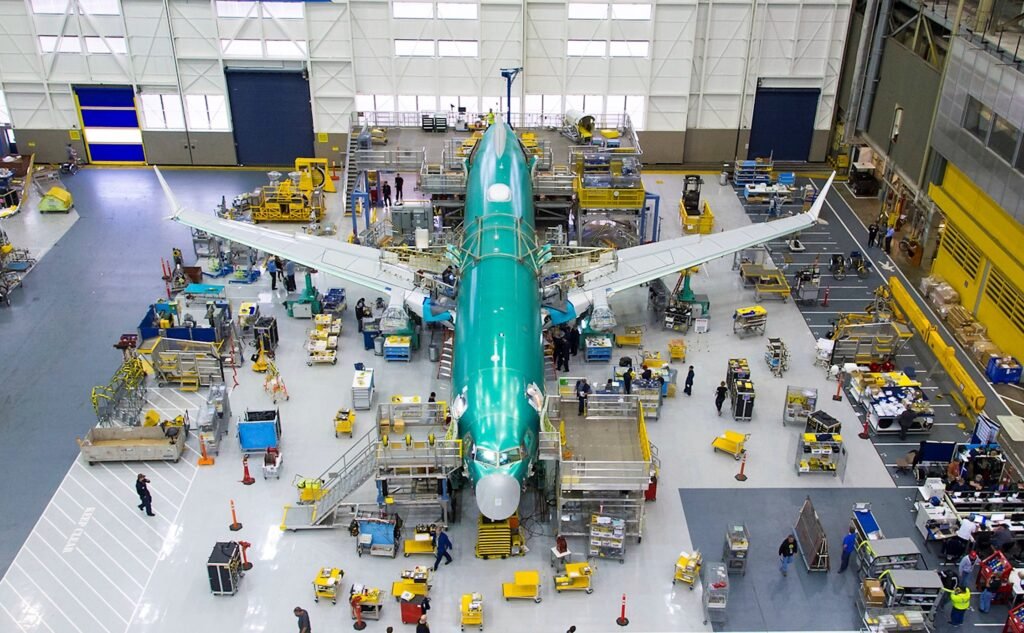
ARLINGTON, VIRGINIA- American aircraft manufacturer Boeing is preparing for one of the most consequential strategic decisions in its 110-year history.
The US planemaker is laying the groundwork for a new single-aisle jet larger than the current 737 family, while Chief Executive Officer Kelly Ortberg navigates a parallel push for a major aircraft order from China, Bloomberg exclusively reported.
President Donald Trump’s upcoming visit to Beijing Capital International Airport (PEK) could unlock a deal for around 500 Boeing 737 MAX jets, a windfall for both the American manufacturer and Chinese carriers like Air China (CA).
The order would mark Boeing’s first major sale to China in nearly a decade and strengthen Ortberg’s recovery plan as the company evaluates the design of its next clean-sheet aircraft.
Boeing Plans New Jet
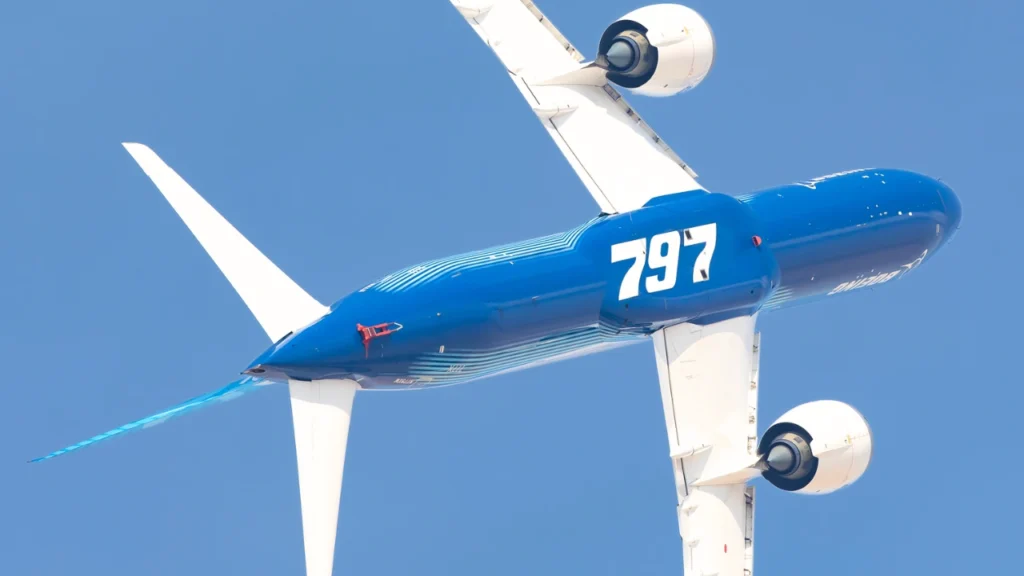
Boeing is expected to begin making initial technology selections for a new single-aisle aircraft as soon as next year, with a formal launch projected around the turn of the decade.
Rival Airbus is plotting a parallel timeline for its own A320neo successor, setting up a direct competitive clash. The single-aisle segment remains the financial backbone of commercial aviation, with an A320 or 737 taking off every two seconds worldwide.
Industry sources indicate Boeing is targeting the upper end of the narrowbody market, where it currently has no product beyond the 737 MAX 10. The initial aircraft would sit closer in size to the out-of-production Boeing 757 than any current 737 variant. From this entry point, Boeing plans to build out a broader family of efficient workhorse jets to eventually replace the entire 737 line.
Conservative Design
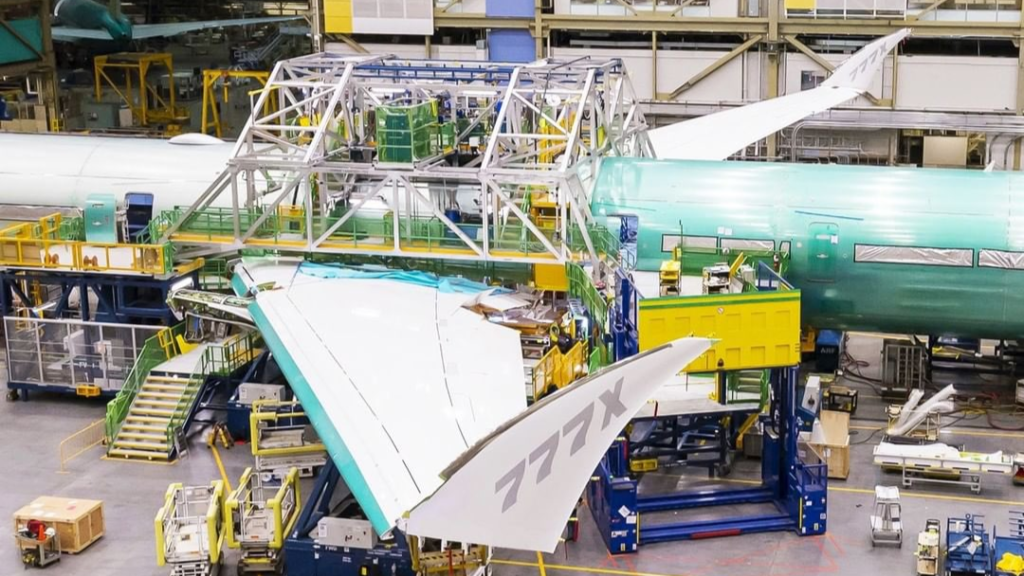
Initial design preferences point to a single-aisle airliner that prioritises evolution over revolution. The aircraft will retain the familiar tube-and-turbofan architecture that has defined jet travel since the 1950s. However, its wings will be significantly more advanced, featuring longer, thinner profiles with hinged tips similar to the Boeing 777X design.
Ortberg recently paused an experimental $1.5 billion program developed with NASA, the X-66 demonstrator, which featured strut-braced carbon-fibre wings. Boeing concluded that risk-averse airline customers and regulators, still affected by the 737 MAX crashes, were not ready for such a radical design.
The CEO instead redirected resources to projects more relevant to Boeing’s immediate financial recovery, given the company’s $47 billion debt load.
Engine Strategy and the Open Rotor Debate
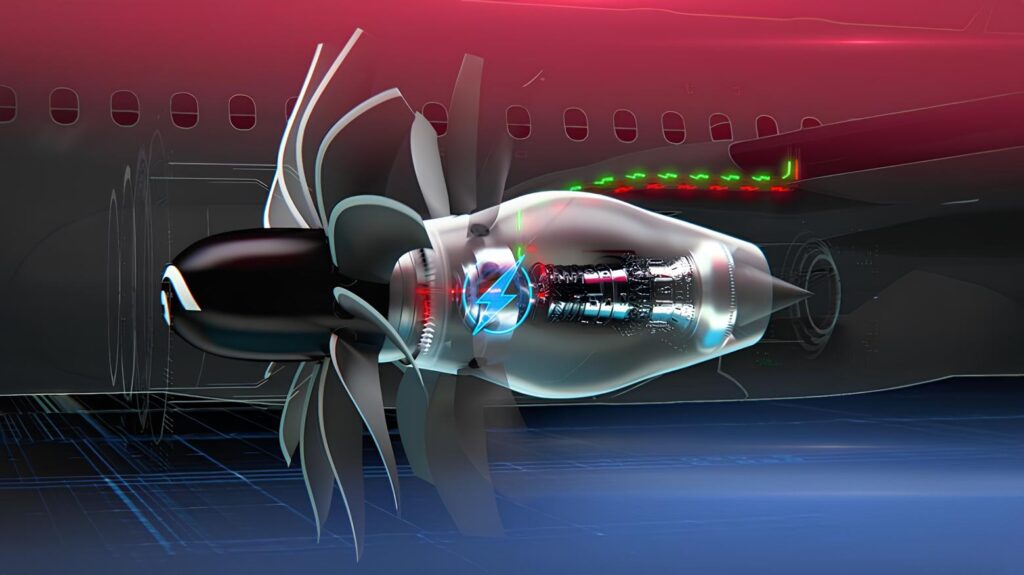
Boeing is in active discussions with the three major engine manufacturers about advanced ducted turbofans, designed to reach maturity by the late 2030s.
The planemaker is leaning away from open-rotor concepts such as the RISE technology suite jointly developed by GE Aerospace and Safran. Rolls-Royce, with its UltraFan 30 derivative, remains a key contender for future narrowbody propulsion.
Several airlines and lessors have voiced strong concerns about open-rotor architecture. Steve Udvar-Hazy, the influential figure in aircraft leasing, told Bloomberg that airlines do not want the technology because of safety implications, particularly the risk of detached blades severing hydraulic lines.
Additional concerns include cabin reinforcement requirements, passenger perception of the exposed blades, and the certification challenges that would follow.
Cockpit Redesign and Supplier Coordination
Engineering teams at Boeing are intensifying exploratory work with suppliers on multiple technological fronts.
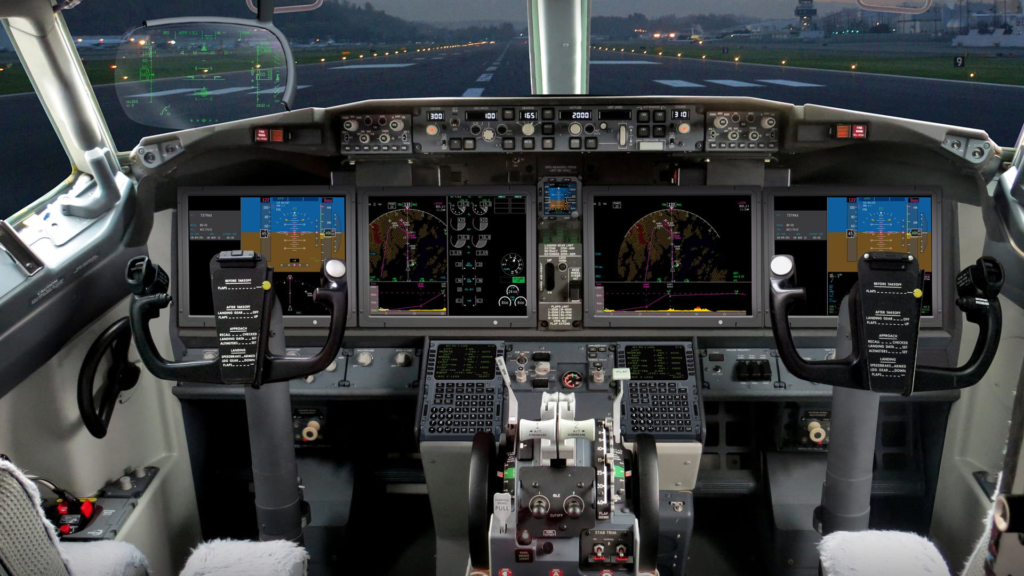
The work includes a redesigned flight deck intended to be more user-friendly for pilots, a direct response to the lessons learned from the 737 MAX tragedies. Other areas under review include cockpit electronics and the auxiliary engine in the tail of the aircraft.
Engine reliability remains a top concern across the industry. John Plueger, the recently retired CEO of Air Lease Corporation, told Bloomberg that the industry will not tolerate a repeat of the teething problems seen with the latest generation of fuel-efficient engines.
The Pratt & Whitney GTF engine has faced manufacturing issues requiring extensive rework, grounding fleets of Airbus jets around the world.
Market Pressure and Customer Sentiment
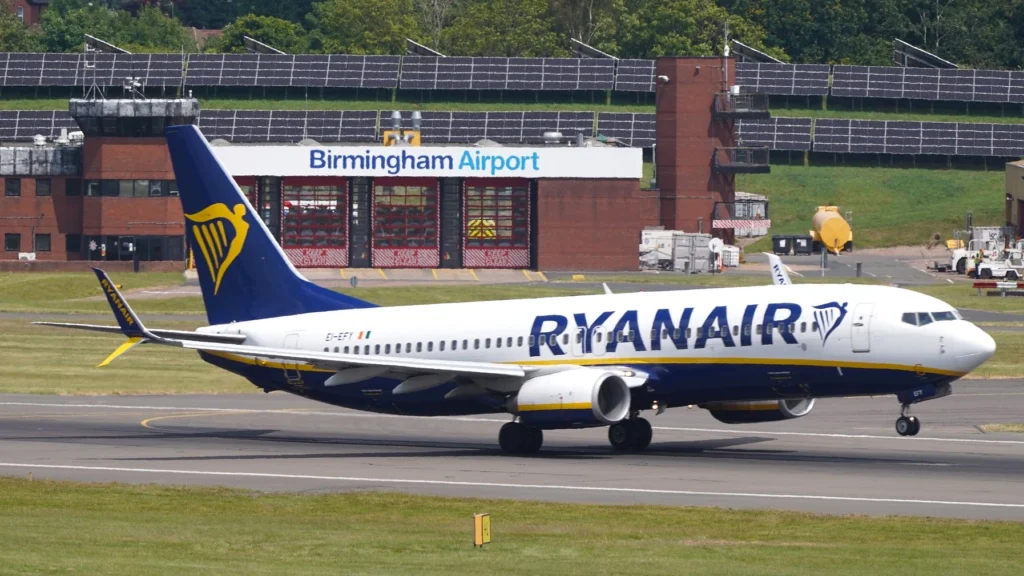
Most airline customers favour reliability and quick implementation over technological breakthroughs. Michael O’Leary, CEO of Ryanair (FR), Boeing’s largest European customer, expressed a clear preference for production stability rather than new design programs.
He stated that Boeing should focus on producing existing models in greater volume to meet worldwide demand.
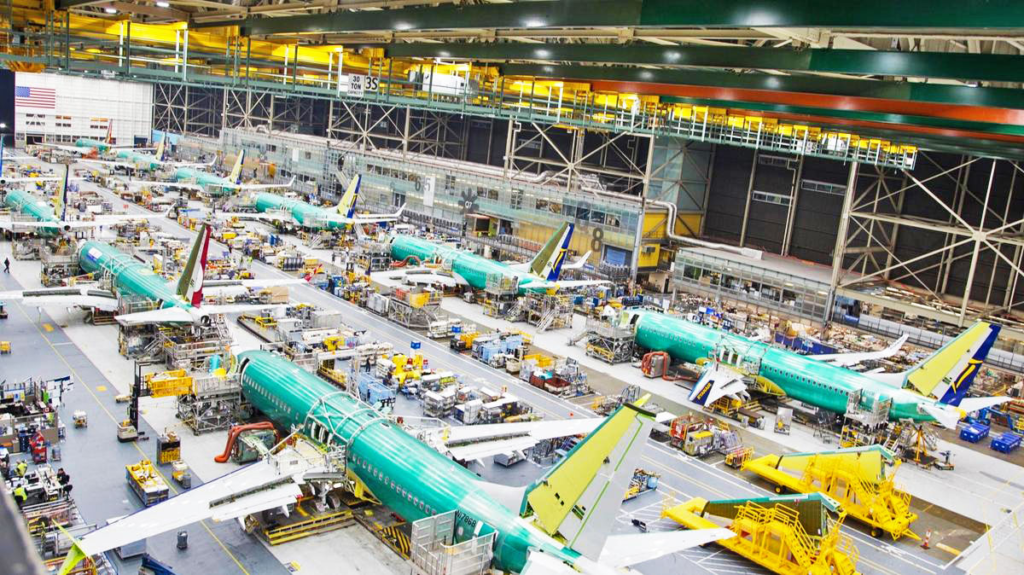
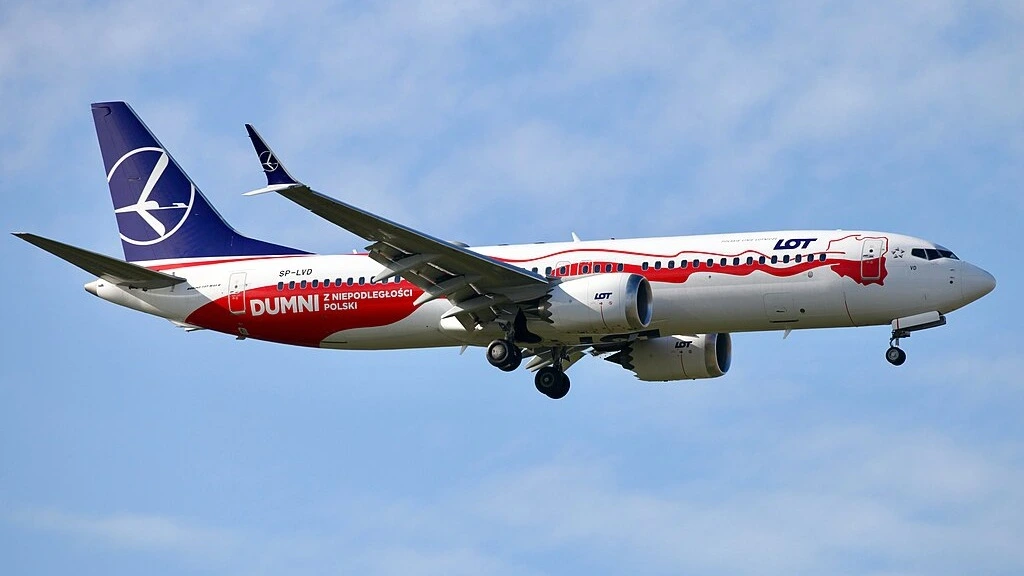
Boeing currently holds an order backlog of more than 6,000 commercial aircraft. In 2024, the company secured more orders than Airbus for the first time since 2018, signalling early momentum in Ortberg’s turnaround plan. Near-term priorities include certifying the 737 MAX 7, the 737 MAX 10, and the 777X, all of which are more than five years behind schedule.
China Deal and the Political Backdrop
The potential China order represents both a commercial and political milestone. Chinese carriers urgently need additional capacity, while Trump would secure a high-profile trade win.
Ortberg is expected to join the US delegation and has publicly described the visit as a meaningful opportunity, indicating that the order under discussion involves a substantial number of aircraft.
Boeing’s relationship with China began in 1972, when President Richard Nixon’s visit led to an order for 10 Boeing 707 jets within months. That deal helped establish China as the world’s second-largest aviation market.
A new mega-order would mark a symbolic return to that earlier era of commercial partnership, while reinforcing Boeing’s competitive position against both Airbus and emerging challengers, including China’s COMAC and Silicon Valley-backed JetZero.
https://commons.wikimedia.org/wiki/File:SP-LVD_Boeing_737-Max8_LOT_LHR_18.4.21.jpg
Boeing’s Official Position
Bobbie Egan, a Boeing spokeswoman, told Bloomberg that the company remains focused on its recovery plan, delivering the existing backlog, and certifying the new 737 MAX and 777X models.
She added that internal teams continue to evaluate the market, advance key technologies, and improve financial performance to ensure readiness when the time is right to launch a new product. Boeing declined to elaborate further on its long-term strategy.
Stay tuned with us. Further, follow us on social media for the latest updates.
Join us on Telegram Group for the Latest Aviation Updates. Subsequently, follow us on Google News


