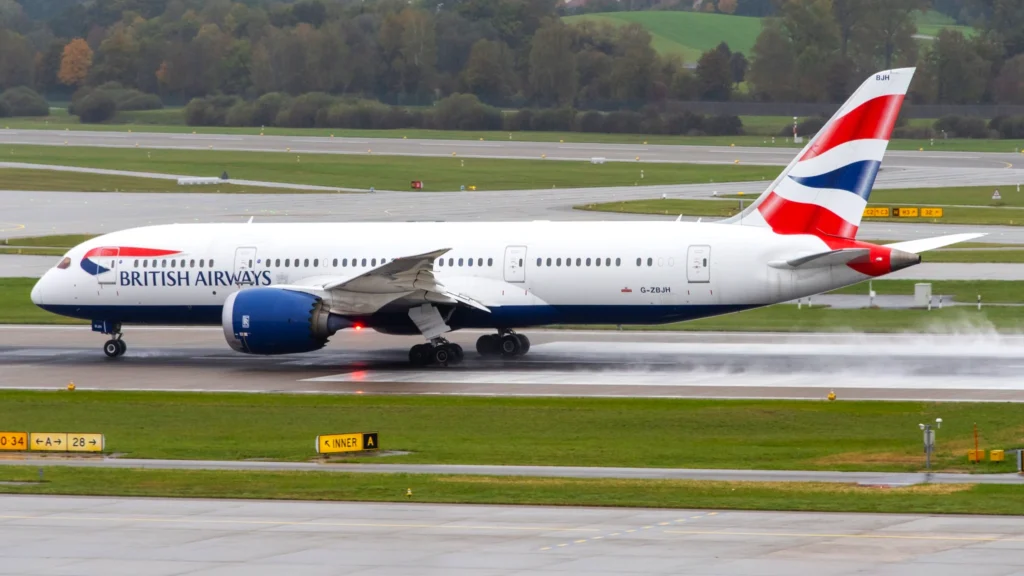
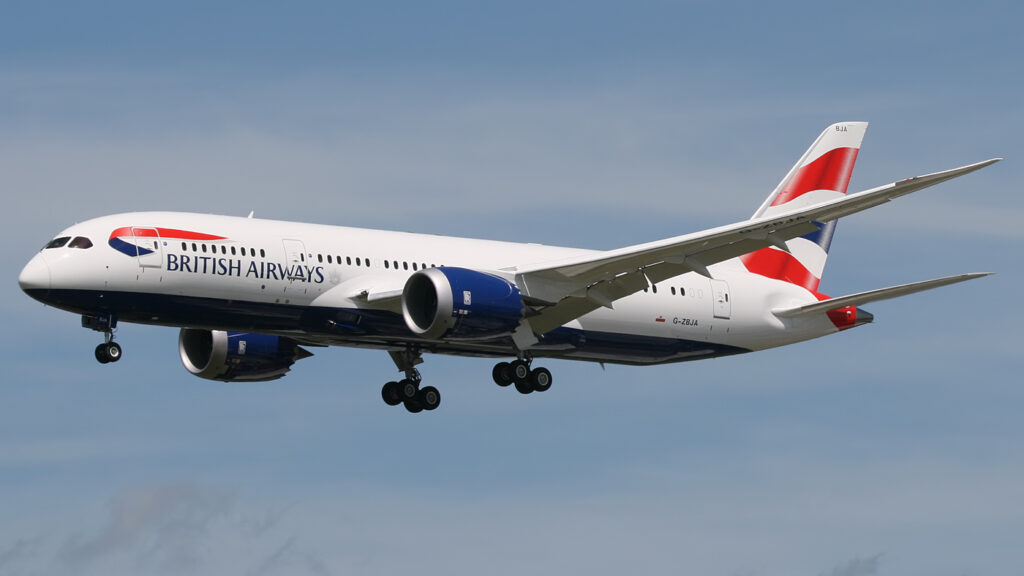
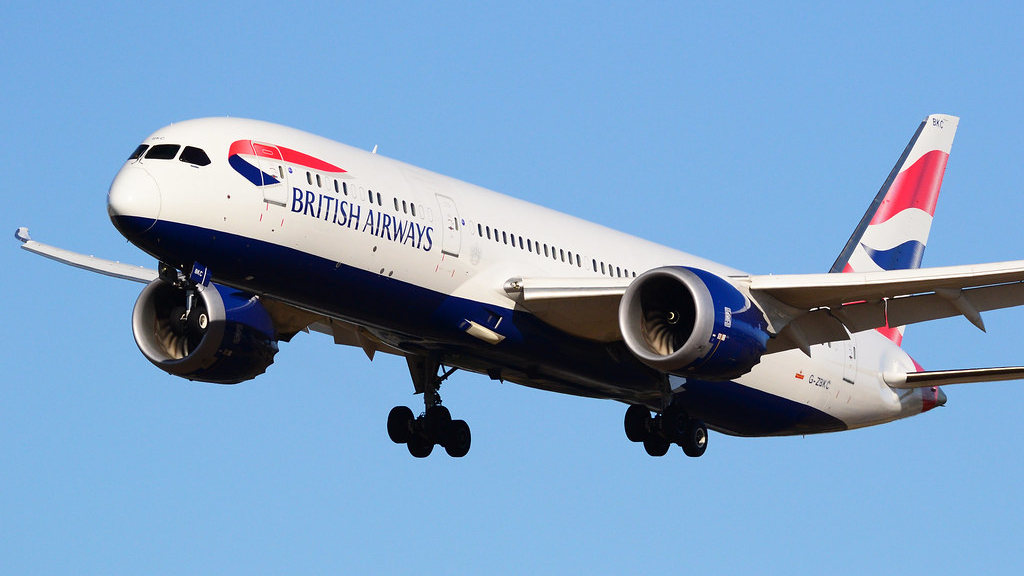
LONDON- Two passengers and one cabin crew member were injured on a long-haul flight operated by British Airways (BA) after the aircraft encountered unexpected severe turbulence during a transatlantic journey.
The incident occurred on a scheduled service from Los Angeles International Airport (LAX) to London Heathrow Airport (LHR).
The event took place on 6 December 2024 while the aircraft was flying near Greenland. An official investigation by the Air Accidents Investigation Branch later detailed how rapidly developing weather conditions led to multiple injuries during the cruise.
AAIB Findings on Turbulence Encounter
The AAIB report, released on 8 January 2026, stated that pre-flight briefing documents showed no significant weather warnings along the planned route.
However, while en route, the flight crew observed updated live weather data on their electronic flight bags indicating potentially severe turbulence developing south of Greenland.
Before reaching the affected area, the captain switched on the seat belt signs and instructed the cabin crew to secure loose equipment and take their seats.
Approximately 20 minutes after the seat belt signs were illuminated, the aircraft encountered a sudden episode of turbulence lasting between 10 and 15 seconds.
At the time of the turbulence, a member of the cabin crew was lowering her jump seat to secure herself.
The abrupt upward and sideways movement of the aircraft lifted her from her position, causing her to fall and sustain a broken ankle.
Simultaneously, a passenger on the upper deck had left his seat to use the lavatory. He later stated that he had been asleep when the seat belt sign was activated and did not hear any announcements.
While returning to his seat, the aircraft made a sharp upward and lateral movement, which he said caused the floor motion that broke his ankle.
Onboard Medical Response
Shortly after the 2 ankle injuries, a third passenger became unwell and briefly lost consciousness.
Two passengers who identified themselves as doctors provided immediate assistance, using splints to support the injured ankles and administering pain relief.
Cabin crew and one of the doctors attended to the unwell passenger while also consulting MedLink for specialist medical advice.
The coordinated response allowed continuous monitoring of all affected individuals for the remainder of the flight.
Diversion Considerations and Medical PAN
Following the injuries, the captain assessed diversion options, including Gander International Airport and Keflavik International Airport.
Unsuitable weather conditions ruled out Gander, while ice-covered runways prevented the use of Keflavik.
After consulting MedLink, the onboard doctors, and the cabin crew, the crew decided to continue to London.
Before landing, the captain declared a medical PAN, an urgency signal used to request priority handling without indicating immediate distress. This allowed air traffic control to provide a direct approach to Heathrow and arrange ambulance support on arrival.
Arrival and Airline Statement
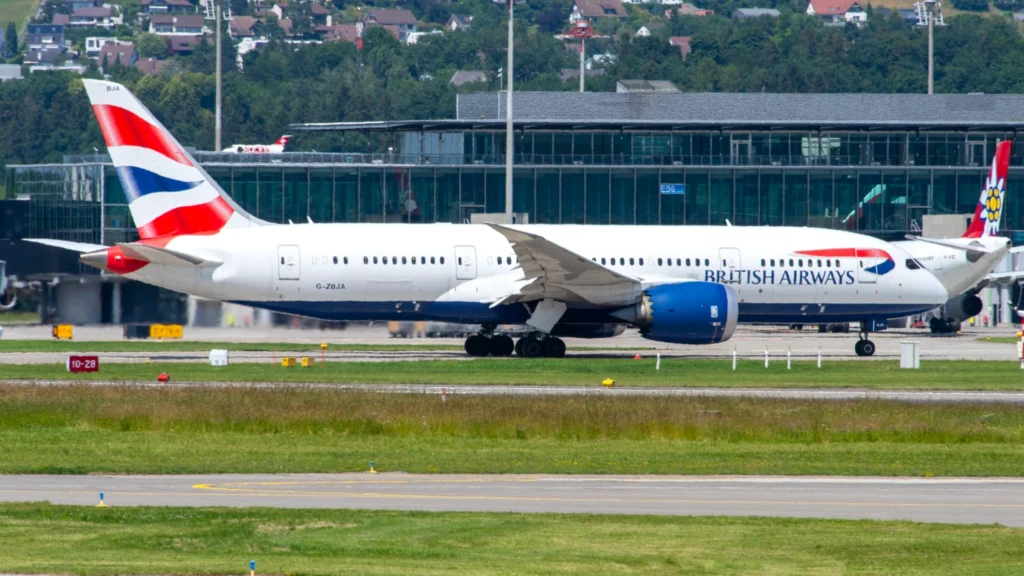
Upon landing at London Heathrow, emergency services transferred the 3 injured individuals to a hospital for further treatment.
Reported by The Independent, the airline emphasized that safety remains its highest priority.
British Airways stated that it trains its pilots and cabin crew to manage rare events of this nature and confirmed that the aircraft landed safely, with ground teams assisting the injured cabin crew colleague and the affected passenger.
Stay tuned with us. Further, follow us on social media for the latest updates.
Join us on Telegram Group for the Latest Aviation Updates. Subsequently, follow us on Google News


