LONDON- British Airways (BA) will deploy its Airbus A380 on the London Heathrow (LHR) to Singapore Changi (SIN) route starting September 7, 2026.
The superjumbo will operate daily on this service, marking its return to the route for the first time since mid-2025. The move makes Singapore the airline’s longest A380 route by both distance and block time.
In a related schedule change, British Airways (BA) will remove the A380 from its Johannesburg (JNB) route at the end of October 2026. The aircraft will be replaced by the smaller Boeing 787-9 as the airline continues retrofitting its A380 fleet, reducing capacity from 469 seats to 421 seats with upgraded premium cabins, Simple Flying flagged using Cirium data.
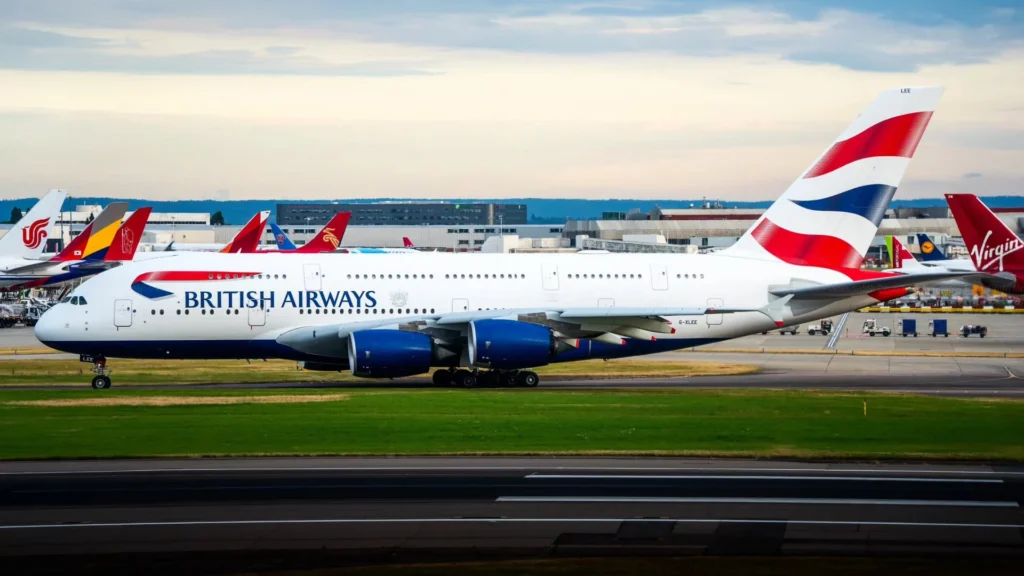
British Airways A380 Returns To Singapore Changi
The Heathrow to Singapore service will cover 5,879 nautical miles (10,888 km) each way. This surpasses the Johannesburg route, previously the airline’s longest A380 service, by approximately 20%.
Flight times will reach up to 14 hours and 40 minutes, exceeding Johannesburg flights by as much as three hours and 15 minutes.
British Airways operates two daily flights to Singapore. One continues onward to Sydney, while the other terminates at Changi. The A380 will operate the terminator service, replacing the 216-seat Boeing 787-9. This swap provides a 117% increase in seat capacity per departure, including 55 additional business class seats.
The schedule, based on November 2026, is as follows:
- The outbound A380 service departs Heathrow at 6:40 PM and arrives in Singapore at 3:55 PM the next day.
- The return A380 flight departs Singapore at 11:15 PM and reaches Heathrow at 5:55 AM the following morning.
The second daily frequency on each leg continues to operate with the Boeing 777-300ER.
Singapore will become a notable A380 hub with this addition. Heathrow to Changi will have three A380 operators for the first time in over a year, with BA joining Qantas (QF) and Singapore Airlines (SQ).
Based on November 2026 data, this airport pair will have more A380 operators than any other route globally. Four of the seven daily services between the two airports will use the superjumbo.
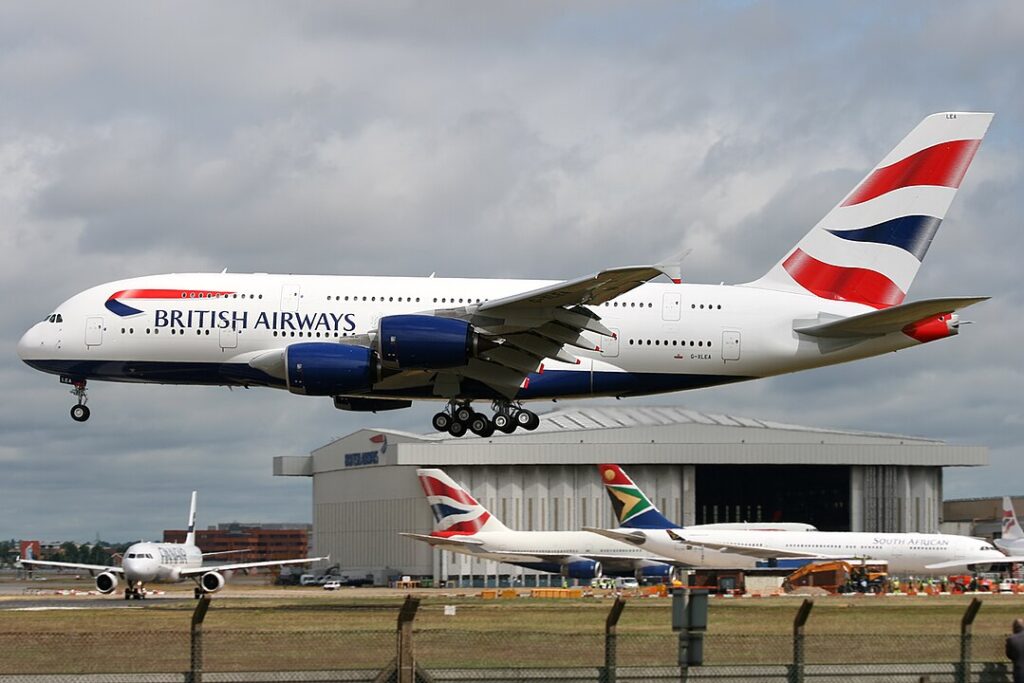
Johannesburg Loses A380 Service After October 2026
The final A380 departure to Johannesburg will leave Heathrow on October 24, 2026, the last day of the northern aviation summer season. From October 25, when winter schedules take effect, the 469-seat A380 will be replaced by the 216-seat Boeing 787-9 on both daily Johannesburg frequencies.
This marks the first time since the pandemic that British Airways will not deploy the A380 on the Johannesburg route during the northern winter. Previously, both daily services typically operated with the superjumbo during this period, when Southern Hemisphere demand peaks. A prior schedule update had already halved A380 operations to South Africa to one daily flight before this latest removal.
The change is expected to be temporary. Once the retrofitted 421-seat A380s with new premium cabins enter service, the airline is likely to restore the type to Johannesburg. The upgraded aircraft will offer a more competitive product on the route.
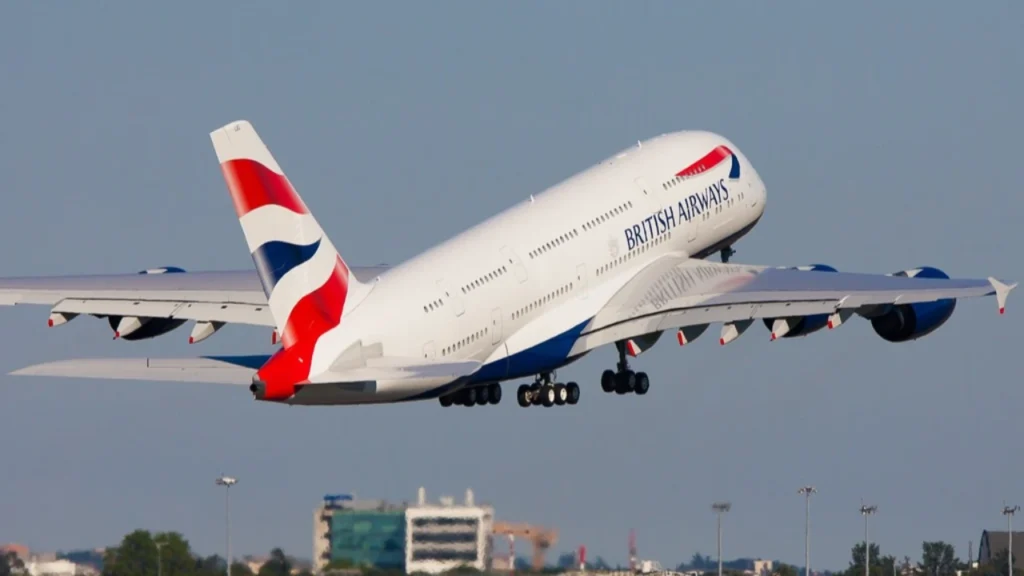
Five Daily A380 Departures in Winter 2026-27
As of late April 2026, British Airways has scheduled five daily A380 departures from Heathrow across four routes. These include Dubai (DXB) with one daily flight, Miami (MIA) with two daily flights, San Francisco (SFO) with one daily flight, and Singapore (SIN) with one daily flight.
This represents a 29% reduction compared to November 2025, which recorded the fourth-highest number of A380 departures for that month. The figure is also 10% lower than pre-pandemic levels in November 2019. British Airways expects to gradually add more routes and frequencies as the fleet retrofit progresses into 2027.
The timing of the first retrofitted 421-seat A380 service remains unknown. Emirates (EK), by comparison, will launch its upgraded 569-seat A380 on May 1, 2026. Both carriers are adding premium seating to their superjumbo fleets.
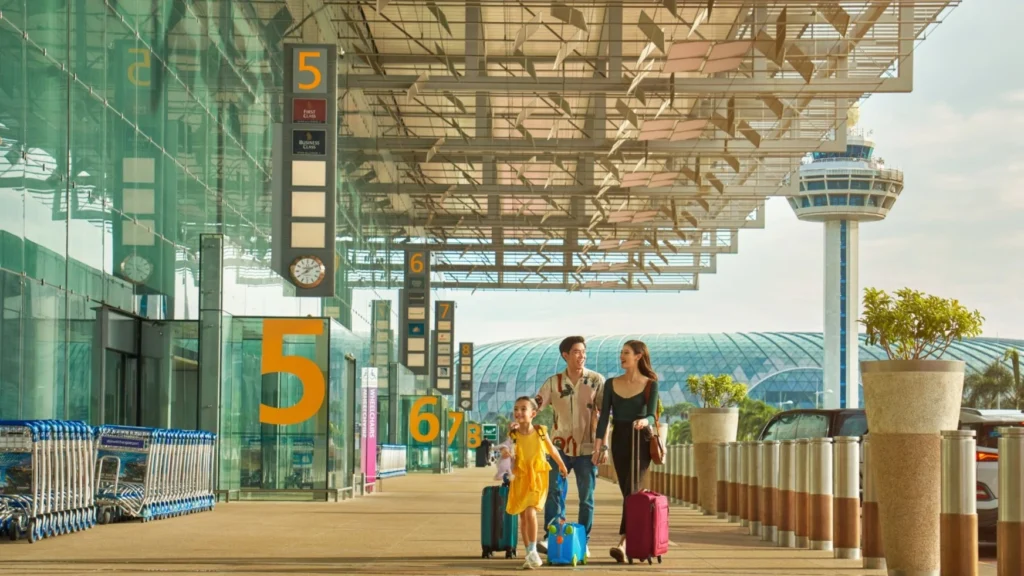
Singapore Travel Guide
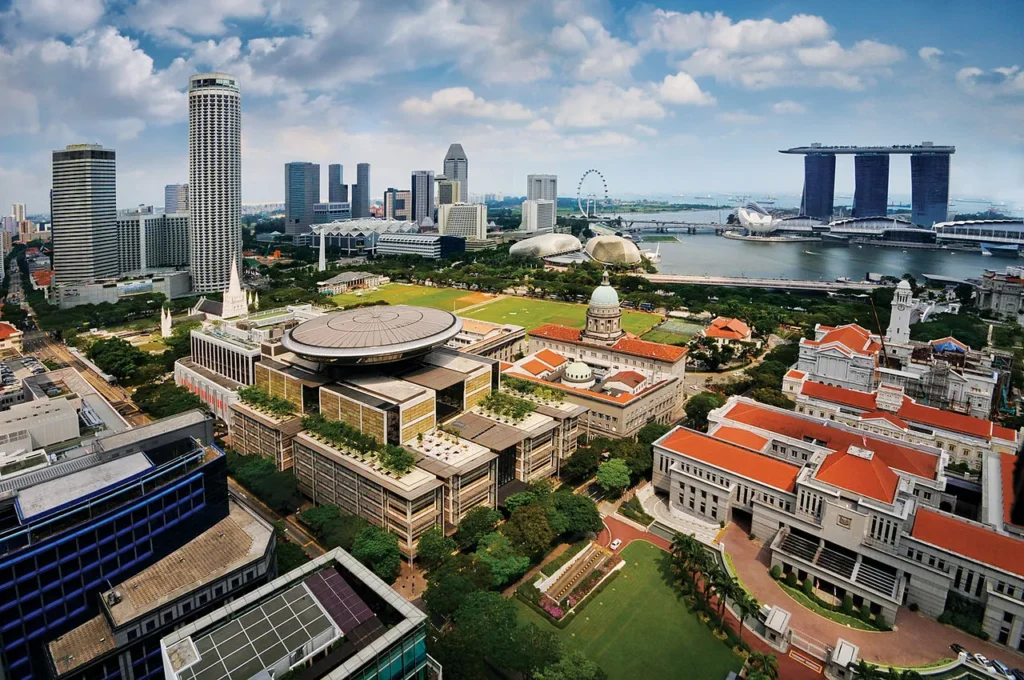
This compact city-state in Southeast Asia packs world-class food, lush nature reserves, and iconic landmarks into just 733 square kilometres. Home to 5.7 million people, Singapore ranks among the world’s leading economic centres in shipping and banking.
Despite its reputation as one of the most expensive cities in the world, Singapore rewards visitors who plan smartly. From free temple visits and botanical gardens to affordable hawker stall meals, the city offers far more depth than a typical two-day stopover suggests.
What Makes Singapore Worth More Than A Quick Visit
Most travellers treat Singapore as a brief layover destination, spending a day or two before moving on to cheaper Southeast Asian countries like Thailand or Vietnam. This approach misses the city’s true character. Singapore blends Chinese, Malay, Indian, and Western influences into a multicultural experience that reveals itself gradually.
The city operates at two price tiers. Tourist-facing restaurants and nightlife carry steep price tags, but hawker centres, public parks, and cultural neighbourhoods deliver authentic experiences at a fraction of the cost. Visitors who stay longer and explore beyond Marina Bay Sands discover a city with hiking trails through primary rainforest, offshore islands with diesel-powered villages, and street art scenes that rival major global cities.
Singapore gained independence from Britain in 1965 and has since transformed into a global financial hub. That rapid development sits alongside carefully preserved heritage districts, creating a city where a Michelin-starred meal costs under 5 SGD and a colonial-era fort stands minutes from a futuristic waterfall inside an airport mall.
Top Attractions And Experiences In Singapore
Eat At Boat Quay
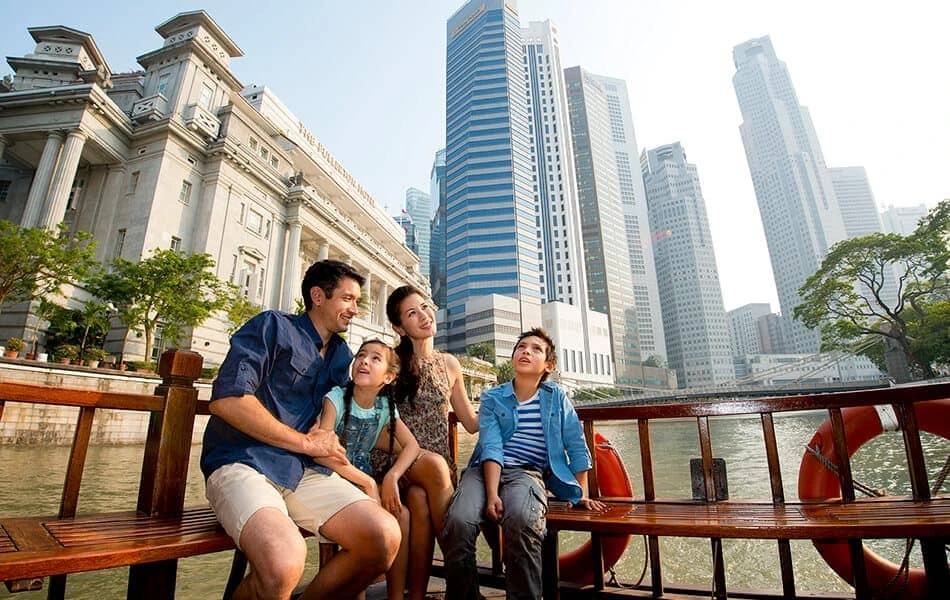
Boat Quay serves as the city’s dining and entertainment waterfront. Alfresco pubs and restaurants line the Singapore River, making it an ideal spot after a full day of sightseeing. Wakanui offers Japanese steak cooked over white oak fire, while Kinara serves reasonably priced North Indian cuisine.
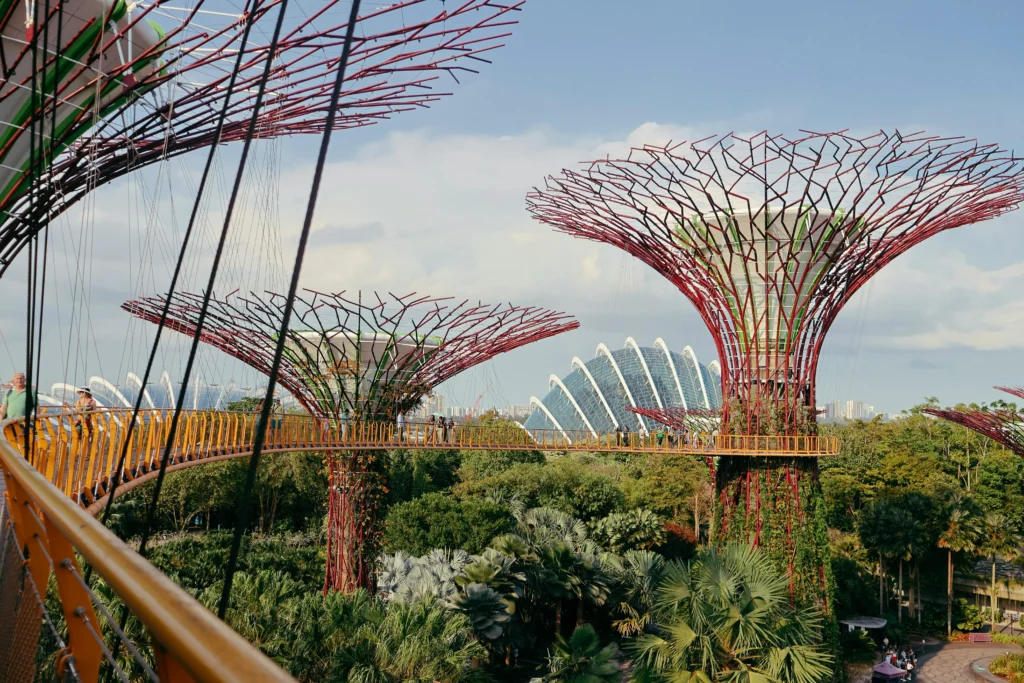
Gardens By The Bay Supertrees
This urban landscaping project features towering metal structures coated with roughly 200 species of orchids, ferns, and tropical plants. Walking through the outdoor gardens costs nothing. The paid canopy walk, Flower Dome, and Cloud Forest biodomes add significant value to the visit and are worth the entry fee.
Sentosa Island
Sentosa hosts nighttime light shows, beaches, bars, and restaurants. Bora Bora Beach Bar provides a relaxed atmosphere, while the cable car sky dining experience caters to those willing to spend more. The Sentosa Express train connects the island to the mainland, and entering on foot or bicycle is free.
Singapore Zoo And Night Safari
Spanning 70 acres, the Singapore Zoo houses over 3,600 mammals, birds, and reptiles, including lions, tigers, sun bears, and Komodo dragons. The night safari features over 900 nocturnal animals, with 41% classified as endangered species.
Merlion Park
The Merlion, Singapore’s official mascot, combines the head of a lion with the body of a fish. The original statue stands in Merlion Park with free admission, while a 37-metre replica sits on Sentosa Island.
Hidden Gems And Cultural Landmarks
Thian Hock Keng Temple
Built in 1840 using the finest materials funded by community donations, Thian Hock Keng is Singapore’s oldest Chinese temple. Dedicated to Mazu, the Goddess of the Sea, it served Chinese immigrants seeking safe passage across the South China Sea. The temple earned national monument status in 1973. Admission is free.
Bukit Timah Nature Reserve
Located within Singapore’s only remaining stretch of primary rainforest, Bukit Timah covers over 400 acres just 30 minutes from the city centre. Hiking and biking trails offer close encounters with macaques, flying lemurs, and various bird species. The reserve opens daily from 7am to 7pm, with weekdays offering a quieter experience.
Chinatown And Its Hawker Heritage
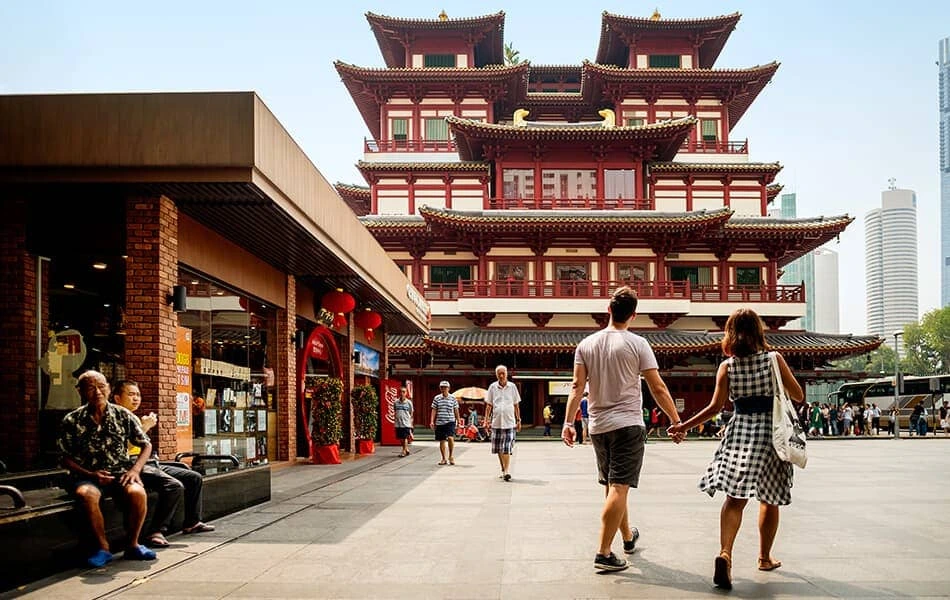
Chinatown spans two square kilometres of traditional Chinese life beside the modern Central Business District. Chinatown Food Street serves char kway teow and grilled meats at affordable prices. Hong Kong Soya Sauce Chicken Rice and Noodle, commonly known as Hawker Chan, holds the title of the world’s most affordable Michelin-starred restaurant. Tian Tian Hainanese Chicken Rice, another Michelin-starred hawker stall, operates from the same Maxwell Hawker Centre.
Pulau Ubin Island
This island off the northeastern coast presents a stark contrast to modern Singapore. Residents still use diesel generators for electricity and draw water from wells. Bumboats depart from Changi Point Ferry Terminal with no fixed schedule, and the crossing takes 10 to 15 minutes. Very few tourists visit, making it one of the most off-the-beaten-path experiences available.
Kampong Glam And Haji Lane
Singapore’s oldest neighbourhood features shophouses selling textiles, rugs, and Turkish homewares beneath the golden-domed Sultan Mosque. Haji Lane operates as an eclectic shopping street by day and transforms into a live music and nightlife destination after dark.
Haw Par Villa
Built in 1937 by Tiger Balm millionaire Aw Boon Haw, this outdoor art gallery displays dioramas depicting Chinese mythology. The Japanese army used the site as an observation point during World War II. Entry to the grounds is free, while Hell’s Museum inside requires a ticket.
Hawker Food Culture
Singapore’s hawker food scene earned the world’s first street food Michelin star in 2016 and UNESCO Cultural Heritage status in 2020. Over 103 hawker centres operate across the island, including Newton Food Centre, featured in the film Crazy Rich Asians, and Old Airport Hawker, a local favourite. Must-try dishes include chili crab, satay, dim sum, and nasi lemak.
Free Activities Worth Exploring
Singapore Botanic Gardens covers 128 acres and holds the distinction of being the only tropical botanic garden on UNESCO’s World Heritage List. Founded in 1859, the gardens feature the National Orchid Garden with over 1,000 orchid species. The gardens open daily from 5am to midnight with free general admission.
MacRitchie Reservoir Park, dating back to 1868, offers an 8-kilometre treetop hike with bridges suspended above the forest floor. Visitors may spot long-tailed macaques, monitor lizards, and flying lemurs. Sri Mariamman Temple, built in 1827 in the Dravidian style, stands as the oldest Hindu temple in Singapore. Fort Siloso on Sentosa preserves the only coastal artillery battery on Singapore’s coastline, providing free entry to its tunnels and coastal guns.
The Singapore Symphony Orchestra hosts free concerts at venues across the city throughout the year.
Street Art Scene
While unauthorised graffiti remains illegal in Singapore, the city supports an active street art culture. Artist Yip Yew Chong has murals across Chinatown and the East Coast depicting scenes from Singapore’s past. Kampong Glam, Chinatown, Little India, and the east coast all feature significant collections of public art. Art Walk Singapore provides three self-guided walking routes on its website.
Jewel Changi Airport Rain Vortex
Adjacent to Changi International Airport, Jewel Mall houses the world’s tallest indoor waterfall. Water cascades seven stories through a tiered garden, with nighttime light and music shows. The rain vortex is free to view, while additional attractions including mazes, a canopy bridge, sky nets, and slides carry separate admission fees with bundle discounts available.
Safety Information For Travellers
Singapore ranks as the 11th safest country globally. Violent crime is extremely rare and typically limited to drug-related incidents. Solo travellers, including women, generally experience no safety issues, though standard precautions apply.
Singapore enforces strict penalties for minor offences. Littering, spitting, and smoking in public areas carry fines up to 1,000 SGD. Drug laws are particularly severe, and possession of even small quantities, including marijuana, can result in jail time. The emergency number is 999.
Where To Stay In Singapore
Budget-friendly options exist across the city. Hostel dorms typically cost 35 to 55 SGD per night, while private hostel rooms and budget hotels range from 150 to 200 SGD. Airbnb private rooms start at 25 SGD per night, with full apartments ranging from 150 to 250 SGD. Prices increase by approximately 20% during the peak tourist season from November to April.
Recommended properties include D’Nova Hotel at Kallang, Dream Lodge, The Pod Capsule Hostel, KINN Studios, Bliss Hotel Singapore, and lyf Funan Singapore.
Typical Daily Budgets
Budget travellers can manage on approximately 90 SGD per day by staying in hostel dorms, eating at hawker stalls and in Little India, using public transport, and focusing on free activities like nature walks and cultural sites.
Mid-range travellers spending around 250 SGD per day can afford hotel stays, more frequent dining out, occasional taxis, and paid attractions like the zoo and botanical gardens.
Luxury travellers spending 600 SGD or more per day face virtually no restrictions on dining, tours, cocktails, or experiences.
How To Save Money In Singapore
Tap water in Singapore is safe to drink, eliminating the need to buy bottled water. Public transport offers the best value for getting around, with a Singapore Tourist Pass providing unlimited travel at 17 SGD for one day, 24 SGD for two days, or 29 SGD for three days. GoCity and Klook both sell sightseeing passes that bundle popular attractions at reduced rates starting from 83 SGD.
Eating on Smith Street keeps meal costs under 6 SGD. Little India and Chinatown consistently offer the cheapest and most flavourful meals. Alcohol carries high prices across Singapore, so sticking to happy hours reduces bar spending significantly. Couchsurfing provides free accommodation with local hosts, and redeeming hotel credit card points can eliminate one or two nights of accommodation costs.
Getting Around Singapore
Mass Rapid Transit (MRT)
The MRT rail network covers most major attractions, with most trips costing around 4 SGD. The Singapore Tourist Pass provides unlimited MRT and bus travel. A refundable 10 SGD deposit applies to the pass and is returned within five days of purchase.
Buses
Singapore’s bus system mirrors the MRT in coverage and efficiency. Tourist Pass holders ride for free. Cash payment requires exact change.
Taxis
All taxis use meters, but surcharges apply based on time and location. A 50% surcharge applies between midnight and 6am, while morning and evening peak hours carry a 25% surcharge. Base fare starts at 4.40 SGD with increments of 0.26 SGD per 400 metres.
Cycling
Bike paths cover the entire island. The Bicycle Hut charges 35 SGD per day or 15 SGD for three hours. SG Bikes, a bike-sharing app, costs 1 SGD for the first 30 minutes and 0.03 SGD per minute after that.
Trishaws
Now primarily a tourist experience, trishaw tours cost around 40 SGD for 30 minutes. Trishaw Uncle operates as the only licensed trishaw tour operator in the city.
Best Time To Visit Singapore
Singapore maintains warm temperatures year-round, with daily highs in the high 20s°C (80s°F). February to April offers the driest weather with the most sunshine. December to June marks the busiest tourist period, with Chinese New Year drawing the largest crowds.
Monsoon season runs from December to March, bringing rain, wind, and humidity, with December typically recording the heaviest rainfall. July to October provides pleasant weather averaging 30°C (87°F) with fewer tourists and potentially lower accommodation prices.
Stay tuned with us. Further, follow us on social media for the latest updates.
Join us on Telegram Group for the Latest Aviation Updates. Subsequently, follow us on Google News


