Category: destinations

  • Berlin Travel Guide | Germany’s Historic and Cultural Capital

    Berlin Travel Guide | Germany’s Historic and Cultural Capital

    Why Visit Berlin?

    Germany’s capital Berlin is one of the most fascinating cities in Europe. It’s a tourist attraction for millions of people every year, due to its rich history, culture, excellent museums and nightlife. Berlin is a city not to be missed out on in a visit to Germany.

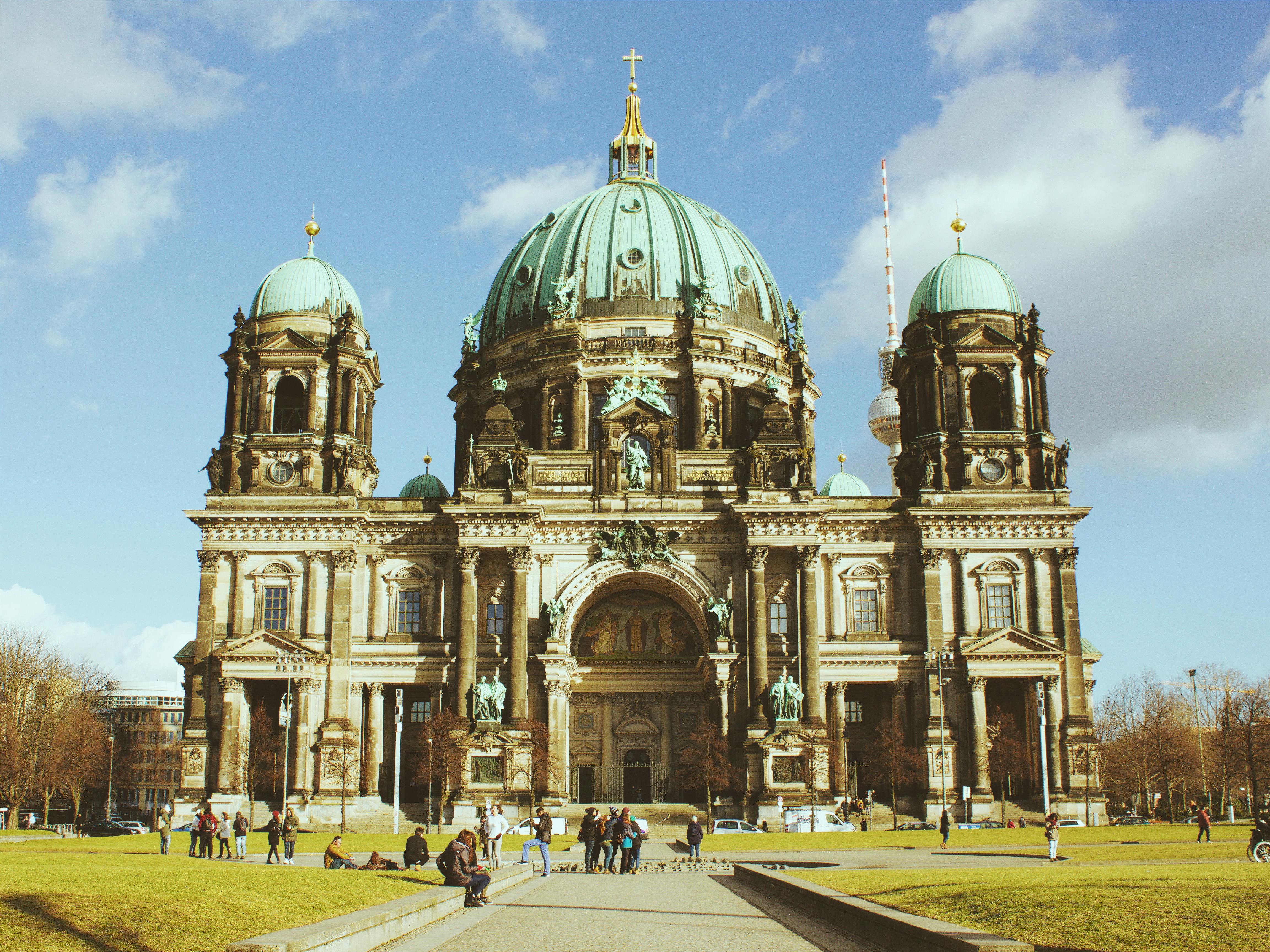
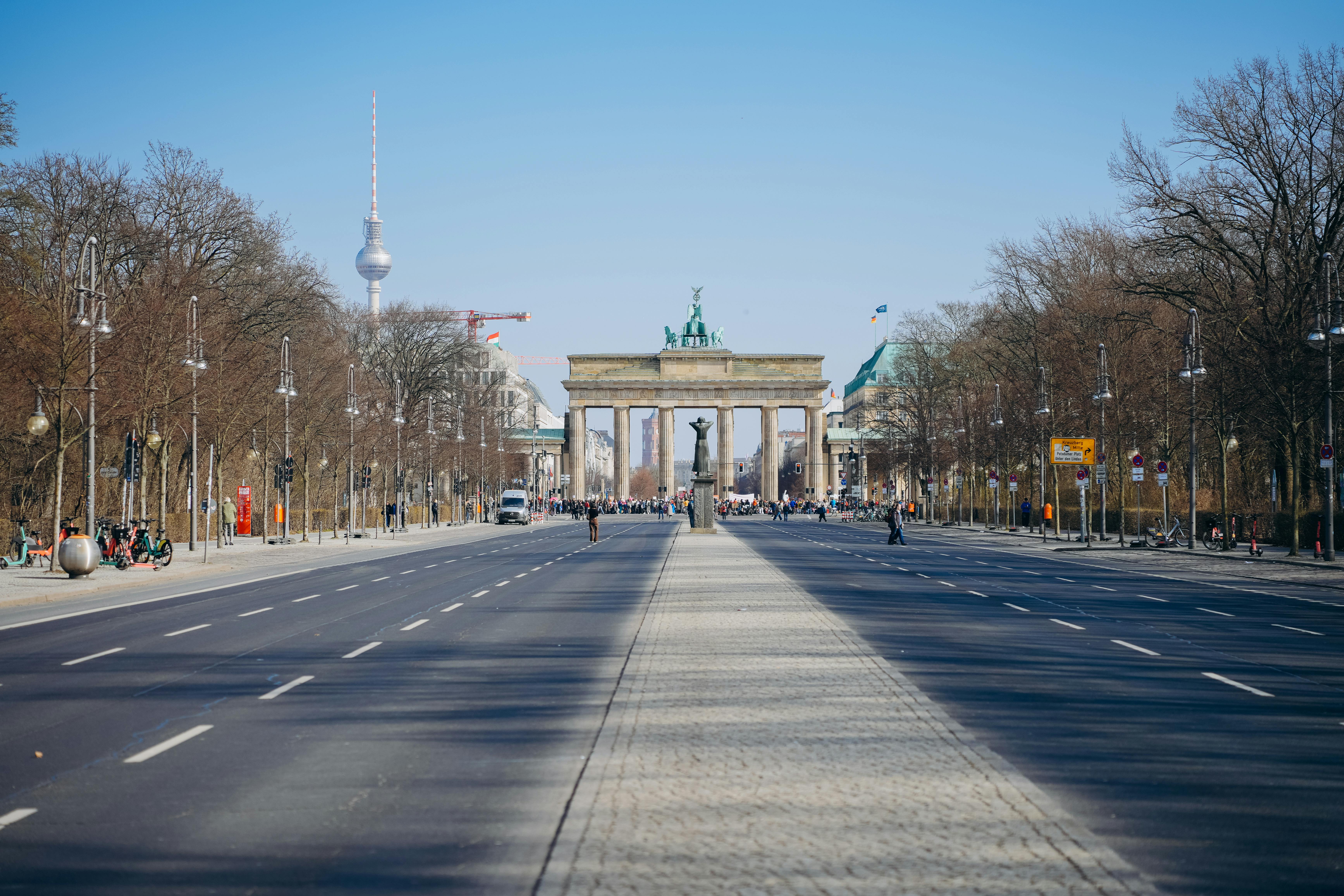
    The Brandenburg Gate is one of the most recognizable landmarks in Berlin, representing the reunification of Germany and being one of the most iconic sights in the country. History enthusiasts will enjoy visiting the Berlin Wall Memorial, the East Side Gallery with its colourful murals narrating the history of the divided Germany. Museum Island is a UNESCO World Heritage Site, with several world renowned museums of art, history and archaeology.

    Bicycling and outdoor activities are also a cyclist’s and nature lover’s dream in Berlin. Visit the famous Berlin Wall Trail, unwind in the beautiful Tiergarten Park or take a scenic boat cruise along the Spree River. The city’s many neighborhoods offer a vast array of shopping, dining and entertainment options for all types of travelers.

    Spring and summer, from May to September, are the ideal seasons to visit Berlin, as the weather is nice and there are plenty of outdoor places to enjoy. Berlin offers a memorable trip and should be included in any travel itinerary to Germany and is worth visiting for its history, culture, food, architecture and nightlife.
    Berlin Facts & Quick Information

    Berlin is not only Germany’s capital but also its largest city, offering a fascinating mix of history, culture, innovation, and green spaces.

    📍 Key Facts About Berlin

    • Area: Approximately 891 km² (344 sq mi)
    • Population: Around 3.9 million residents
    • State: Berlin is both a city and a federal state
    • Founded: First documented in the 13th century
    • Elevation: Approximately 34 meters above sea level
    • Time Zone: Central European Time (CET)

    🌳 Parks & Green Spaces

    • Over 2,500 public parks and green spaces
    • Nearly one-third of the city consists of parks, forests, lakes, and recreational areas
    • Famous parks include Tiergarten, Tempelhofer Feld, and Treptower Park
    • More than 180 km of navigable waterways

    🏞 Lakes & Rivers

    • More than 80 lakes within the city boundaries
    • The Spree River flows through Berlin’s city center
    • Popular lakes include Wannsee, Müggelsee, and Tegeler See

    🗣 Languages Spoken

    • Official Language: German
    • English is widely spoken in tourist areas
    • Other common languages include Turkish, Arabic, Russian, Polish, and French

    🚆 Transportation Facts

    • One of Europe’s largest public transport networks
    • U-Bahn, S-Bahn, buses, trams, and ferries serve the city
    • More than 1,000 km of cycling routes

    ⭐ Interesting Facts

    • Berlin has over 900 bridges, more than Venice
    • Home to approximately 175 museums
    • Museum Island is a UNESCO World Heritage Site
    • One of Europe’s leading startup and technology hubs
    • Millions of tourists visit every year

    ✅ Best For

    • History Lovers
    • Museum Enthusiasts
    • Nightlife Seekers
    • Cyclists
    • Foodies
    • Budget Travelers
    • Families
    • Digital Nomads

    Best Time to Visit Berlin

    Season Temperature Best For
    🌸 Spring 10°C – 20°C Parks, gardens, cycling, and sightseeing
    ☀️ Summer 20°C – 30°C Festivals, outdoor dining, river cruises, and nightlife
    🍂 Autumn 8°C – 20°C Beautiful foliage, photography, and fewer crowds
    ❄️ Winter -2°C – 8°C Christmas markets, winter festivals, and holiday shopping
    “`

    🎉 Famous Festivals in Berlin

    Berlin hosts exciting festivals throughout the year, attracting visitors from around the world. Whether you love music, films, culture, sports, or holiday celebrations, there is always something happening in Germany’s vibrant capital.

    Berlin International Film Festival (Berlinale)
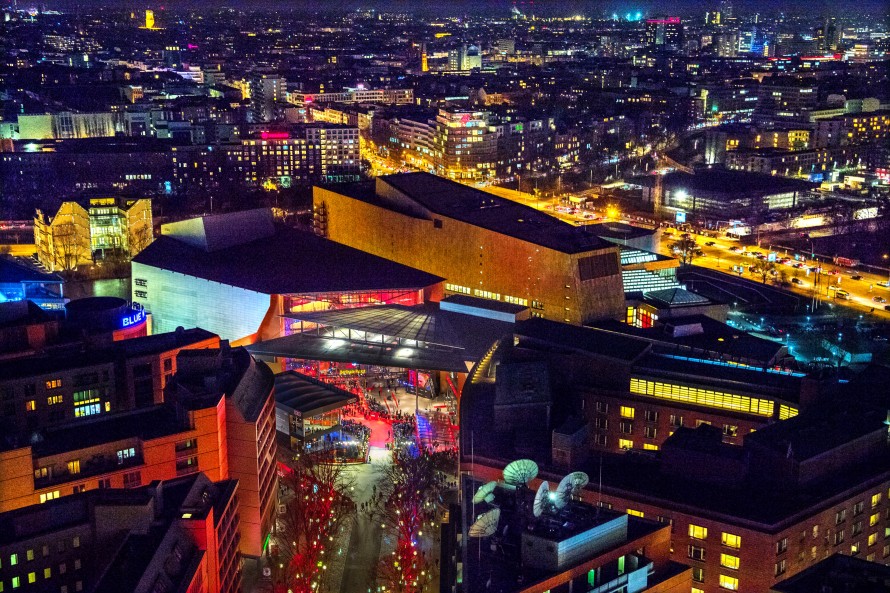
    Berlin International Film Festival

    Time of Year: February

    The Berlinale is one of the world’s most prestigious film festivals. It welcomes filmmakers, actors, and movie lovers from around the globe for international film premieres, special events, and cinema celebrations.

    Karneval der Kulturen

    Karneval der Kulturen

    Time of Year: Late May – Early June

    This colorful street festival celebrates Berlin’s multicultural community with lively parades, traditional costumes, international food, music, and dance performances.

    Christopher Street Day (Berlin Pride)

    Christopher Street Day Berlin

    Time of Year: June

    Christopher Street Day (CSD) is an annual celebration of pride for the LGBTQ+ community in Germany that takes place in June to August. Colorful parades, live entertainment and public demonstrations highlight equality, diversity and the rights of LGBTQ+ communities. One of the most popular and biggest CSD events in the country takes place in Berlin, with thousands of participants and visitors attending each year.

    The festival is dedicated to the “Stonewall Riots” of 1969 in New York City, pivotal events in the world’s LGBTQ+ rights movement. In 1979, the first Christopher Street Day was held in Berlin, Germany on June 30 it is one of the largest annual celebrations of inclusion and pride in Germany.

    Berlin Festival of Lights
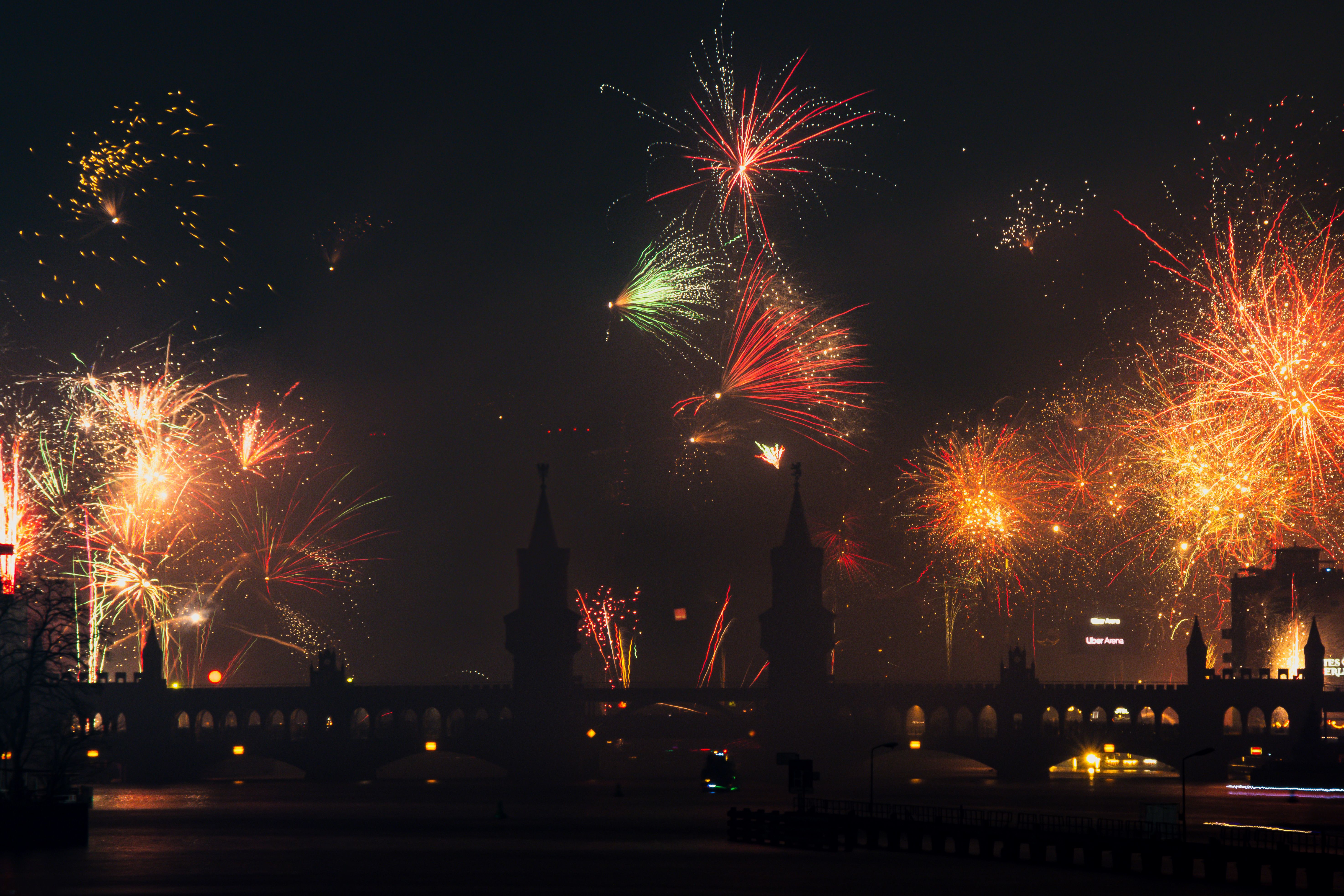
    Berlin Festival of Lights

    Time of Year: October

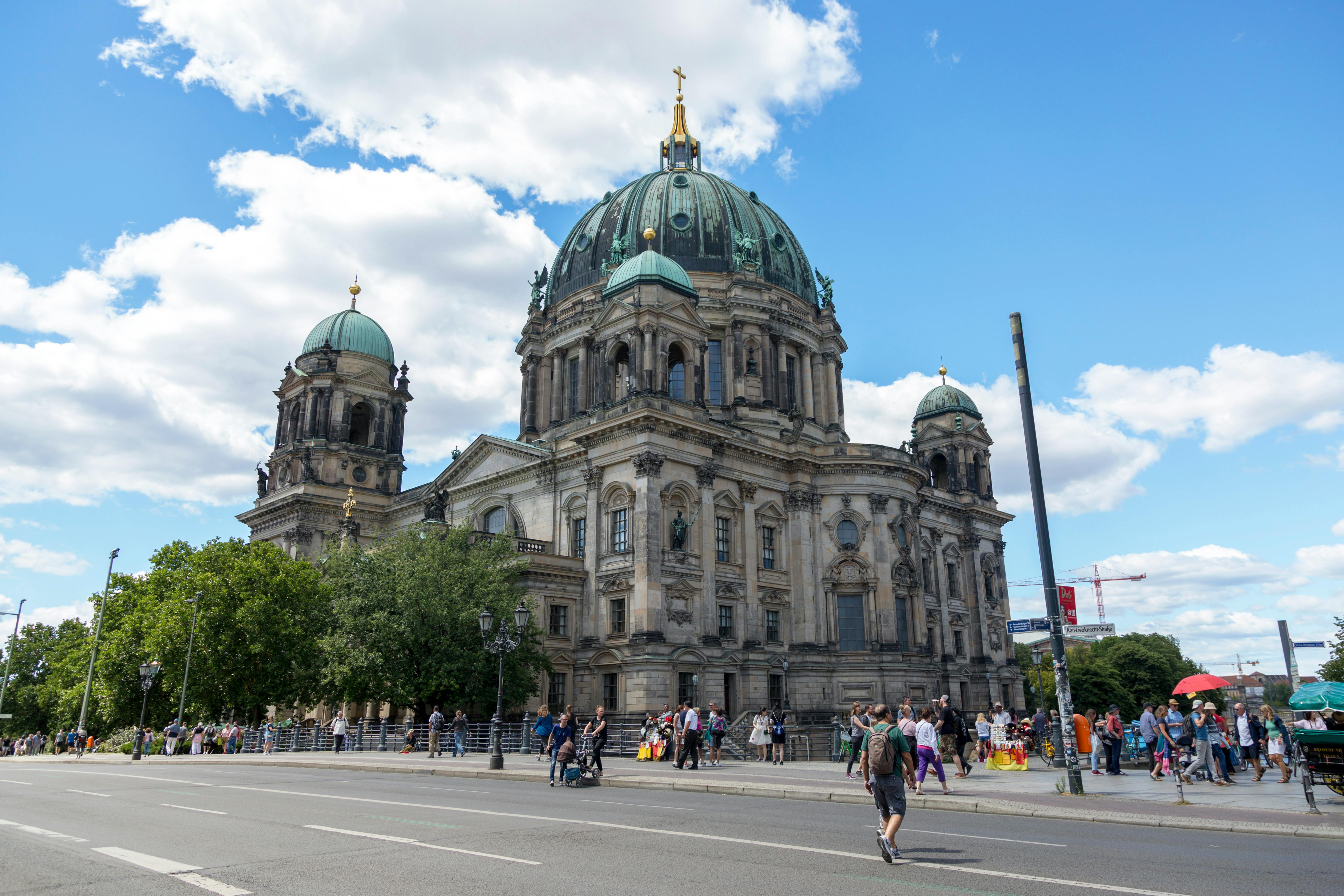
    The Berlin Festival of Lights is a free annual festival, taking place from late September to early October. The festival has been decorating with spectacular light installations, 3D projection mapping and artistic illuminations the most famous landmarks of Berlin, such as the Brandenburg Gate, Berlin Cathedral, Berlin TV Tower and the Victory Column since its launch in 2005.

    The festival takes place annually with a different theme and presents the works of international light artists, who attract millions of visitors from around the world each year. The event makes the city a beautiful open-air light show, and is one of Berlin’s most popular cultural events.

    Berlin Christmas Markets
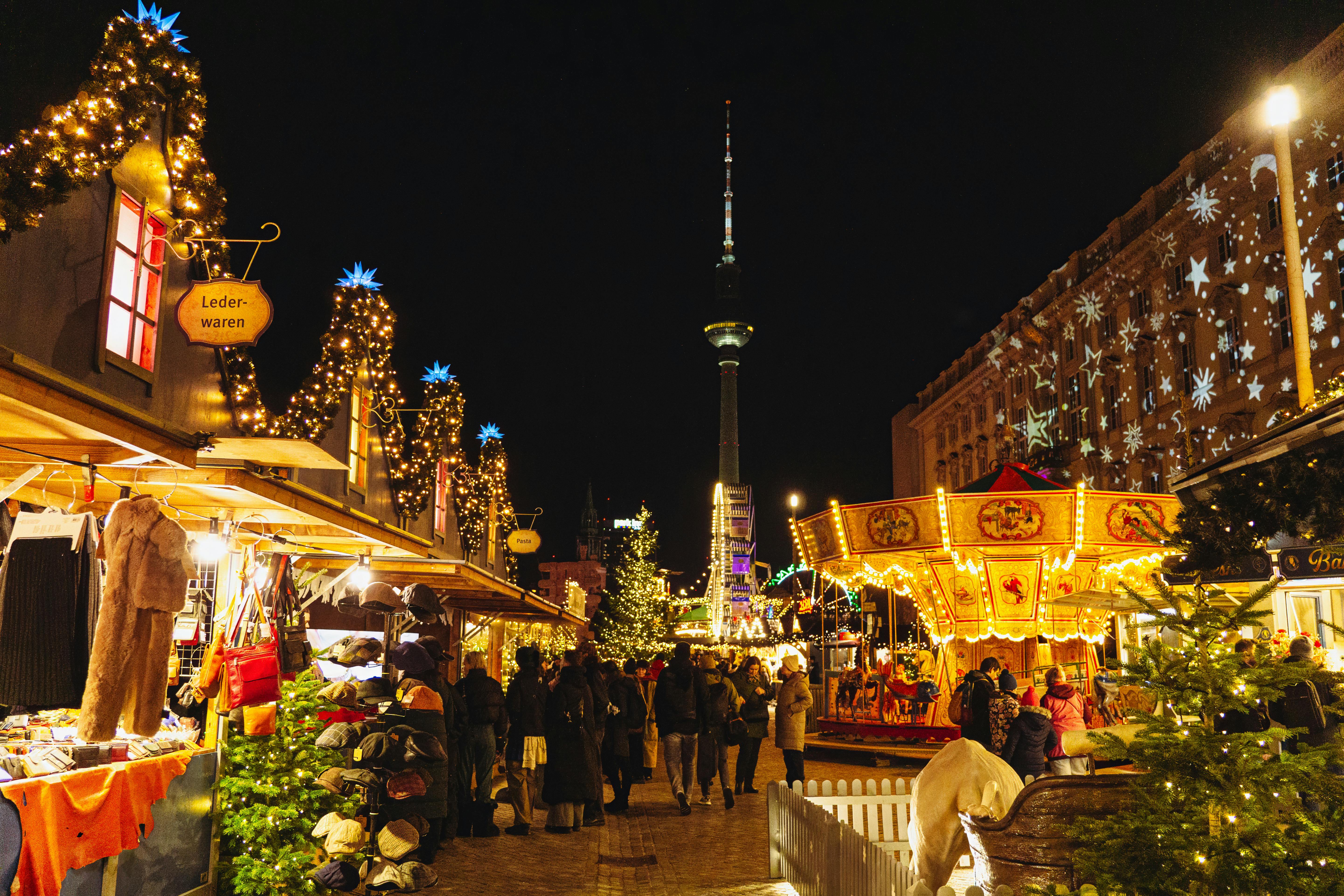
    Berlin Christmas Market

    Time of Year: Late November – December

    The city of Berlin has more than 80 Christmas markets every year, the majority of which open their doors at the end of November and run through to the end of December, turning it into a mesmerising Christmas holiday destination. The area is decorated, handmade gifts are sold, traditional German food is offered, you can enjoy mulled wine, ice skating, and live entertainment.

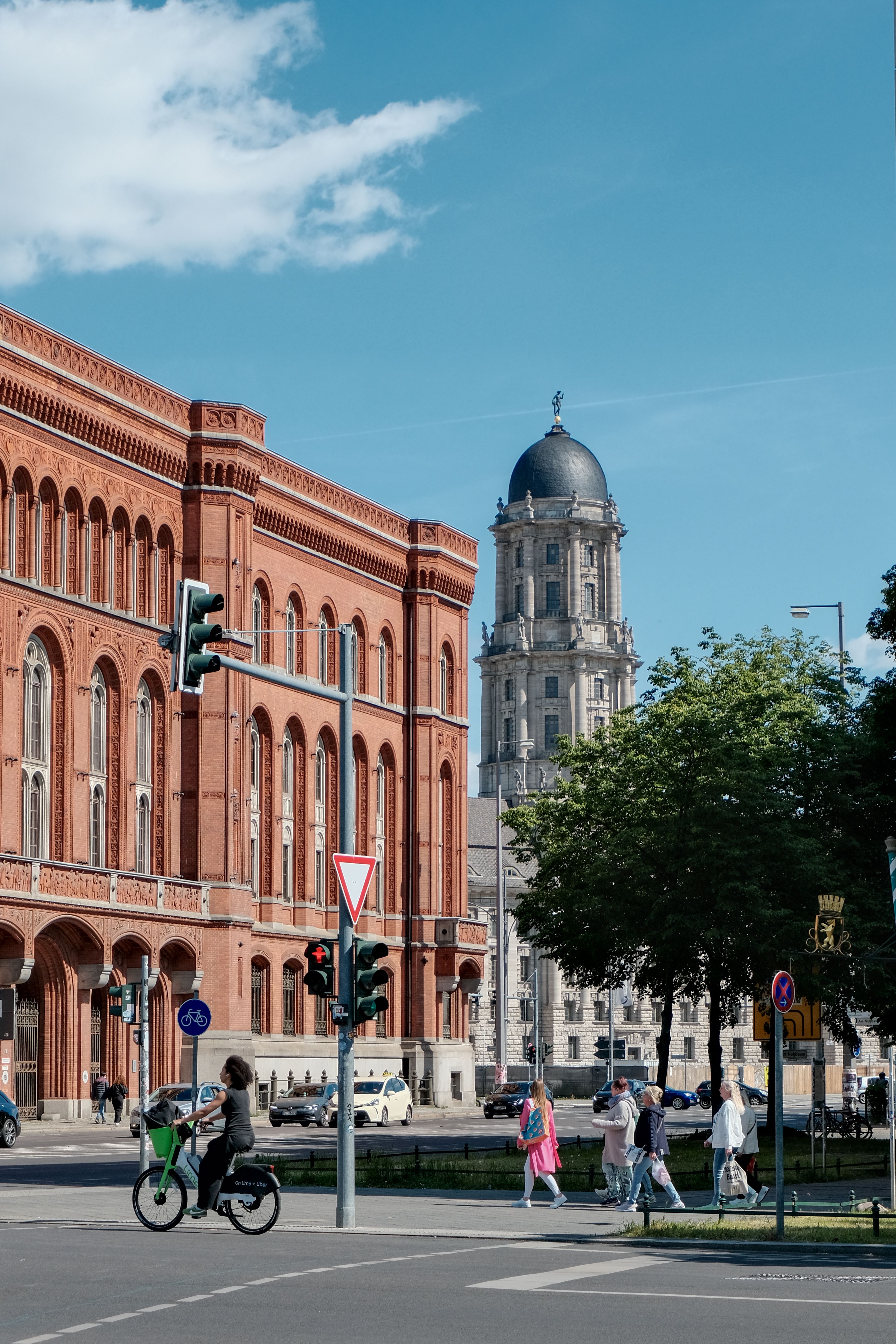
    The most popular markets are WeihnachtsZauber, the market at Gendarmenmarkt, with its artisan crafts and gourmet food; Berlin Weihnachtszeit at Rotes Rathaus, which includes an ice rink and Ferris wheel; Lucia Christmas Market at Kulturbrauerei, with its Scandinavian feel; and the Charlottenburg Palace Christmas Market with its beautiful backdrop of the historic palace.

    Berlin Marathon
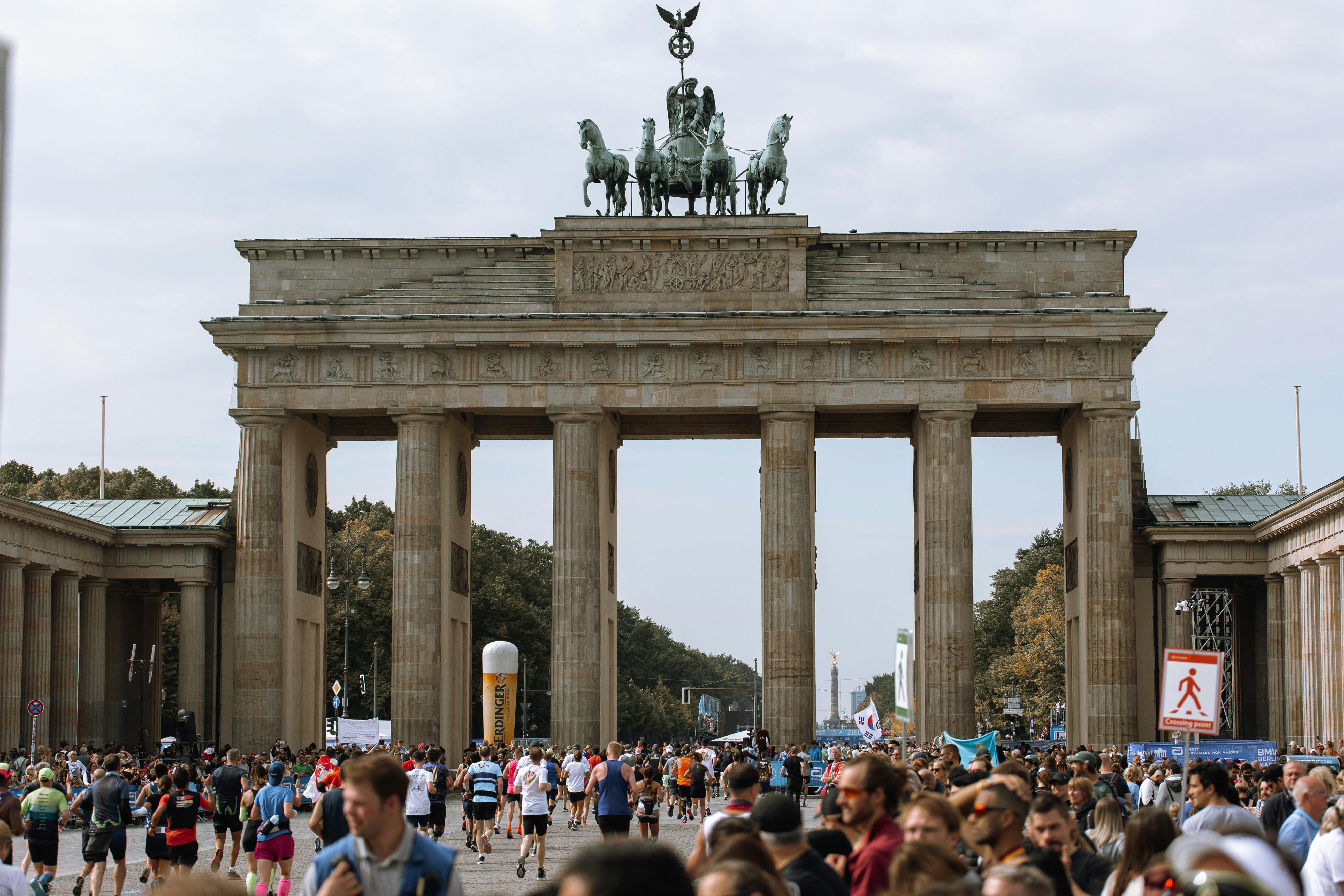
    Berlin Marathon

    Time of Year: September

    The Berlin Marathon is a yearly 42.195 km (26.2-mile) race held on the last weekend of September. Since its launch in 1974, it has become one of the World Marathon Majors, attracting elite athletes and thousands of runners from around the world. The marathon weekend also includes wheelchair, handcycle, inline skating, and public races.

    Known for its flat and fast course, the Berlin Marathon is one of the world’s most prestigious road races and has witnessed multiple marathon world records. Every year, thousands of spectators line the streets, creating an exciting atmosphere for both participants and visitors.

    New Year’s Eve at Brandenburg Gate

    New Year's Eve Brandenburg Gate

    Time of Year: 31 December

    Every 31 December, one of Europe’s largest public New Year’s Eve celebrations takes place at the Brandenburg Gate in the heart of Berlin. Thousands of visitors gather to enjoy live concerts, DJ performances, food stalls, and a spectacular midnight fireworks display, creating an unforgettable festive atmosphere.

    The celebration is held along Straße des 17. Juni in front of the Brandenburg Gate. While admission is free, entry is usually limited, so advance ticket registration is recommended. Visitors should also expect strict security checks and restrictions on large bags and personal fireworks.

    🍽️ Food & Drink in Berlin

    Berlin’s food scene is as diverse as its culture. From traditional German specialties to international street food, you can enjoy a wide variety of flavors throughout the city. Here are some of the most popular foods you should try while visiting Berlin.

    Currywurst

    Currywurust

    One of Germany’s most popular street foods is Currywurst. It is made with sliced pork sausage topped with a flavorful curry ketchup sauce and usually served with fries or bread. The dish was developed in 1949 by Herta Heuwer, from Berlin, and soon was popular throughout the nation. Today, millions of people enjoy Currywurst every year, it is one of the most popular fast-foods in Germany and particularly in Berlin.

    Döner Kebab

    Döner Kebabi

    Döner Kebab is a street food item that is very popular in Germany. It consists of meat (typically beef, chicken, or lamb), that is stacked on a vertical rotisserie and slowly cooked. Thin slices of the cooked meat are shaved off and served in warm bread or wraps with fresh salad and tasty sauces.

    Döner Kebab is a Turkish dish though the modern version of the sandwich is popular in West Berlin during the 1970s as a result of the Turkish immigrants. Nowadays it is a popular fast food in Germany, and can be found in nearly all cities, and is a must-try meal for locals and tourists alike.

    German Pretzel

    Pretzel

    Pretzel is one of the most popular baked goods in Germany. It is formed by twisting a piece of dough into its famous knot, and then baking it until it turns golden brown. Traditional pretzels are soft on the inside, slightly crispy on the outside and typically sprinkled with coarse salt for added flavor.

    Pretzels are a common bread delicacy that is sold in bakeries, markets, and street food stalls throughout Germany. They are frequently eaten as an afternoon snack or with butter, cheese or sausages. Pretzels are a favorite snack in Germany and a symbol of the country’s baking tradition, thanks to their unique shape and delicious taste.

    Schnitzel

    Schnitzel

    Schnitzel is one of Germany’s most popular traditional dishes. It’s a small piece of meat that’s pounded to make it tender, stuffed with breadcrumbs and fried until crispy and golden brown. In Germany, pork is used most frequently, but schnitzel can also be made from veal, chicken, turkey or beef.

    Schnitzel is typically accompanied by French fries, potato salad, or fresh vegetables, making it a filling and satisfying meal. Its crispy texture and rich flavor have made it a favorite in Germany and many other countries, making it a must-try dish for anyone visiting the country.

    Berliner doughnut

    Berliner

    Berliner or Berlin doughnut is a traditional German doughnut made of soft, sweet yeast dough. It is then deep fried until golden brown and stuffed with fruit jam usually strawberry or raspberry. Once cooked, it is often glazed with powdered sugar or another sweet glaze to add flavor.

    Berliner is particularly popular at festivals, holidays and celebrations in Germany. It is one of the nation’s most popular desserts due to its soft fluffy crust and jam filling, and is a dessert to try while in Germany.

    Whether you’re dining at a traditional German restaurant, exploring local markets, or grabbing food from a street vendor, Berlin offers a memorable culinary experience that reflects the city’s multicultural character.

    🚆 How to Get Around Berlin

    For visitors who don’t want to rent a car to explore Berlin, the efficient and cost-effective public transport system makes it easy. The city has a comprehensive underground train, urban rail, tram, bus and dedicated cycling network to transport travelers to various parts of the city, including major attractions, neighborhoods, and transportation hubs.

    If you want to book a bike, car, or taxi, you can visit our Car Booking Options page.

    Between tourist hot spots such as Alexanderplatz, Potsdamer Platz, Brandenburg Gate, and Kurfürstendamm, the fastest way to travel is by the U-Bahn (Underground Metro). The S-Bahn (Urban Rail) connects the city center with outer districts, suburbs, and Berlin Brandenburg Airport, making it ideal for visitors arriving by air.

    Visitors exploring eastern Berlin will frequently encounter the city’s extensive tram network, particularly in areas such as Prenzlauer Berg, Friedrichshain, and Mitte. Trams provide a convenient and scenic way to travel while offering views of Berlin’s architecture and everyday street life. The city’s bus network reaches nearly every part of Berlin and includes routes that pass many famous landmarks and cultural attractions.

    For more active travelers, Berlin is one of Germany’s most bicycle-friendly cities. With more than 1,000 kilometers of dedicated cycling paths, visitors can explore Tiergarten Park, ride along the Spree River, or follow sections of the historic Berlin Wall Trail. Whether traveling by train, tram, bus, or bicycle, getting around Berlin is simple, efficient, and budget-friendly for tourists.

    🏨 Where to Stay in Berlin

    Deciding on the right neighbourhood can significantly impact your Berlin experience. The city consists of various districts, each providing a unique atmosphere, attractions, and accommodation choices for different types of travelers.

    📍 Mitte – Best for First-Time Visitors

    Mitte is ideal for first-time visitors as it places you close to some of Berlin’s most iconic landmarks, including Brandenburg Gate, Museum Island, Alexanderplatz, and the Reichstag Building. Excellent public transportation connections and walkable streets make it easy to explore the city’s main attractions from this central district.

    🎉 Kreuzberg – Best for Nightlife & Food

    If you are looking for vibrant nightlife, international cuisine, and a creative atmosphere should consider Kreuzberg. This trendy district is famous for its street art, multicultural food scene, lively bars, music venues, and unique cafés. Kreuzberg is especially popular among younger travelers, backpackers, and those interested in Berlin’s alternative culture.

    ☕ Prenzlauer Berg – Best for Families & Cafés

    Prenzlauer Berg offers a quieter and more relaxed environment, making it an excellent choice for families and couples. The neighborhood is known for its tree-lined streets, beautiful parks, boutique shops, and charming cafés. Visitors can enjoy a more local side of Berlin while remaining just a short distance from the city center.

    🛍️ Charlottenburg – Best for Shopping & Luxury

    Charlottenburg is one of Berlin’s most elegant districts and a favorite among luxury travelers. The area features upscale hotels, fine dining restaurants, historic architecture, and the famous Kurfürstendamm shopping boulevard. It is an ideal location for visitors seeking comfort, convenience, and a more sophisticated atmosphere.

    No matter which neighborhood you choose, Berlin’s excellent public transportation network makes it easy to reach the city’s major attractions, ensuring a comfortable and enjoyable stay for every type of traveler.

    Packing List for Berlin

    If you are confused or want to checkout the packing list you could checkout what essentials you should have to make most out of your visit to berlin.

    Checkout recommended packing list →

    Best Berlin Tours & Experiences

    If you want to make the most of your visit? From walking tours and river cruises to day trips and food experiences, guided tours can help you discover Berlin’s history and culture in a unique way.
    View the Best Berlin Tours & Activities →

  • The 10 Best Cities for Free Walking Tours

    .walking-tours-article {
    max-width: 950px;
    margin: 40px auto;
    font-family: Arial, sans-serif;
    color: #444;
    line-height: 1.9;
    }

    .walking-tours-article h1 {
    font-size: 36px;
    color: #1f2937;
    margin: 20px 0 30px;
    text-align: center;
    }

    .walking-tours-article h2 {
    font-size: 32px;
    color: #1f2937;
    margin: 45px 0 20px;
    padding-bottom: 10px;
    border-bottom: 3px solid #0d6efd;
    }

    .walking-tours-article h3 {
    font-size: 24px;
    color: #222;
    margin: 35px 0 15px;
    }

    .walking-tours-article p {
    font-size: 17px;
    margin-bottom: 18px;
    }

    .walking-tours-article strong {
    color: #222;
    }

    .walking-tours-article ul {
    margin: 20px 0;
    padding-left: 25px;
    }

    .walking-tours-article li {
    margin-bottom: 12px;
    font-size: 17px;
    }

    .walking-tours-article hr {
    border: none;
    height: 1px;
    background: #ddd;
    margin: 45px 0;
    }

    /* Images */

    .walking-tours-article .destination-card .destination-image {
    margin: 35px auto;
    text-align: center;
    width: 100%;
    max-width: 900px;
    border-radius: 14px;
    display: block;
    box-shadow: 0 6px 20px rgba(0, 0, 0, 0.15);
    border: none;
    height: auto;
    object-fit: cover;
    }

    /* Local tip box */

    .walking-tours-article .local-tip-box {
    background: #f8f9fa;
    padding: 15px 18px;
    border-left: 4px solid #0d6efd;
    border-radius: 8px;
    margin: 18px 0;
    }

    /* Tips box */

    .walking-tours-article .tips-box {
    background: #f8f9fa;
    padding: 15px 18px;
    border-left: 4px solid #0d6efd;
    border-radius: 8px;
    margin: 35px 0;
    }

    .walking-tours-article .tips-box h2 {
    margin: 0 0 20px;
    padding-bottom: 0;
    border-bottom: none;
    }

    /* Bottom line */

    .walking-tours-article .bottom-line {
    background: #1f2937;
    color: #fff;
    padding: 25px 20px;
    border-radius: 12px;
    margin: 50px 0;
    }

    .walking-tours-article .bottom-line h2 {
    font-size: 28px;
    color: #fff;
    margin: 0 0 20px;
    padding-bottom: 10px;
    border-bottom: 3px solid #fff;
    }

    .walking-tours-article .bottom-line p {
    color: #f1f1f1;
    margin-bottom: 0;
    }

    /* Destination card (optional subtle wrapper) */

    .walking-tours-article .destination-card {
    background: #fff;
    padding: 0;
    margin: 0 0 35px;
    }

    /* Mobile */

    @media (max-width: 768px) {

    .walking-tours-article {
    padding: 0 15px;
    }

    .walking-tours-article h1 {
    font-size: 28px;
    }

    .walking-tours-article h2 {
    font-size: 28px;
    }

    .walking-tours-article h3 {
    font-size: 21px;
    }

    .walking-tours-article p,
    .walking-tours-article li {
    font-size: 16px;
    }

    }

    The 10 Best Cities for Free Walking Tours

    Ever find yourself in a new city and have no idea what’s going on? You open a map and there are 100 pins and none of them make any sense yet. This is a lovely solution to the problem with a free walking tour.

    The way this works. A small group is taken on a tour by a local guide lasting one to three hours. They’ll turn you into a local history buff, foodie, and tour guide to the city, offering details on the history, the best places to eat, and the stories behind the buildings you would otherwise walk right by. The final price you pay will be based on your evaluation of the tour. No ticket or entry fee, simply a tip depending on the enjoyment of the walk. This type is known as “pay-what-you-wish”.

    It was a concept that began in Europe in the mid-2000s and it’s still the country that has the most vibrant free tour scene. But it has caught on and a few cities outside Europe do it as well. Here are 10 of the greatest cities around the world for you to try once.

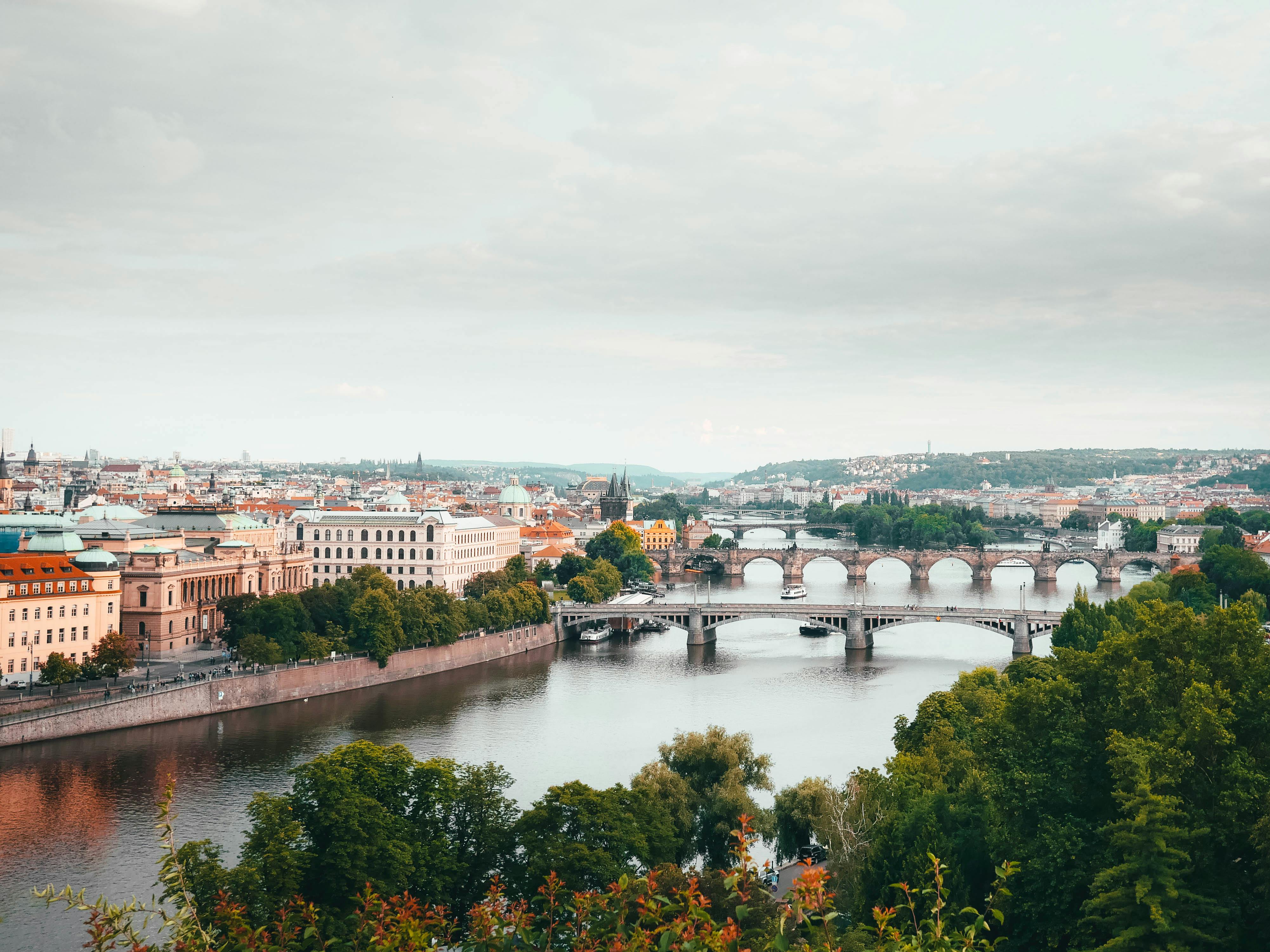
    1. Prague, Czech Republic

    Prague Old Town

    Prague is certainly one of the best places in the world to take a free walking tour. It’s compact enough for you to stroll from one end of the Old Town to the other in less than an hour,yet it’s rich enough with history to keep you entertained with days of stories. You will be guided through the Astronomical clock, over the Charles Bridge and up to the Prague Castle, all the while hearing tales of kings and revolutions, wars and other events.

    Local tip: Inquire to your guide about the Communist time period. Much of the way, there are many guides who tell of their own family memories from that era, which are often the most memorable parts of the walk.

    Best time to visit:

    Spring (April-May) and autumn (September-October). Tour groups are much bigger in summer due to the heat and large crowds.

    Accessibility:

    Václav Havel Airport is well connected to the rest of the world. From the airport, a bus or taxi will take about 30-40 minutes to reach Oldtown.

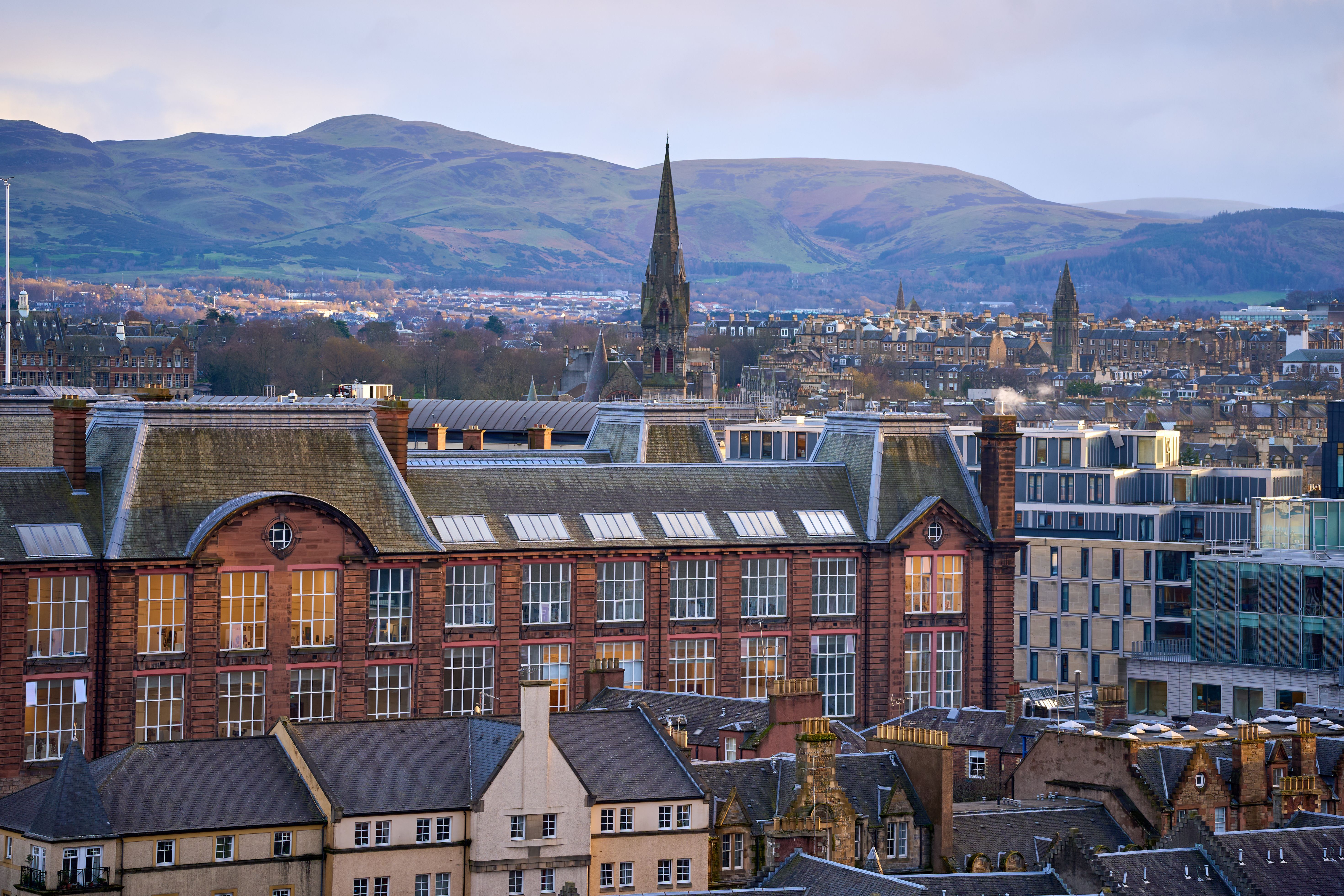
    2. Edinburgh, Scotland

    Edinburgh Royal Mile

    Edinburgh rises on its hills, on its old stone and on its dark legends. Its free walking tours are typically of two types: one by day, walking along the Royal Mile and up to Edinburgh Castle and another at night, which takes you through the winding streets of the Old Town and guides you through the ghosts of the city. Both are awesome and preferable to do both if you have time.

    Local Tip: Don’t worry if it rains, go on the ghost tour after dark. Scottish guides are great at conjuring up a spooky atmosphere, and the rain is a nice addition.

    Best time to visit:

    Summer (June to August) is the best time to visit as this is when the famous Fringe Festival takes place and has long daylight hours, but the streets are extremely busy. Late Spring/early Fall has less traffic and better walking conditions.

    How to get there:

    Edinburgh Airport is about 20 minutes from the centre of the city by tram or bus. From many European and North American cities direct flights are available.

    3. Berlin, Germany

    Berlin Wall memorial

    Berlin is no typical postcard city. Rather it is a location where tremendous happenings took place on common sidewalks. It is usually part of a free walking tour that leads to the former site of the Berlin Wall, includes the Visit Checkpoint Charlie and visits monuments of both World War II and the Cold War. It’s weighty, but the storytelling is very strong.

    Local Tip: If possible, book a tour that visits the East Side Gallery. It’s a long section of the original Berlin Wall that’s been covered in painted murals, and one of the few places to touch the actual wall.

    The best time to visit:

    Late Spring to early Autumn (May-September) is the best time to visit. In Berlin in winter, it’s cold and grey and it is far less fun to do long walks.

    How to get there:

    This is the Berlin Brandenburg Airport. The trains run directly from the airport to the center in approximately 30 minutes.

    4. Buenos Aires, Argentina

    Buenos Aires streets

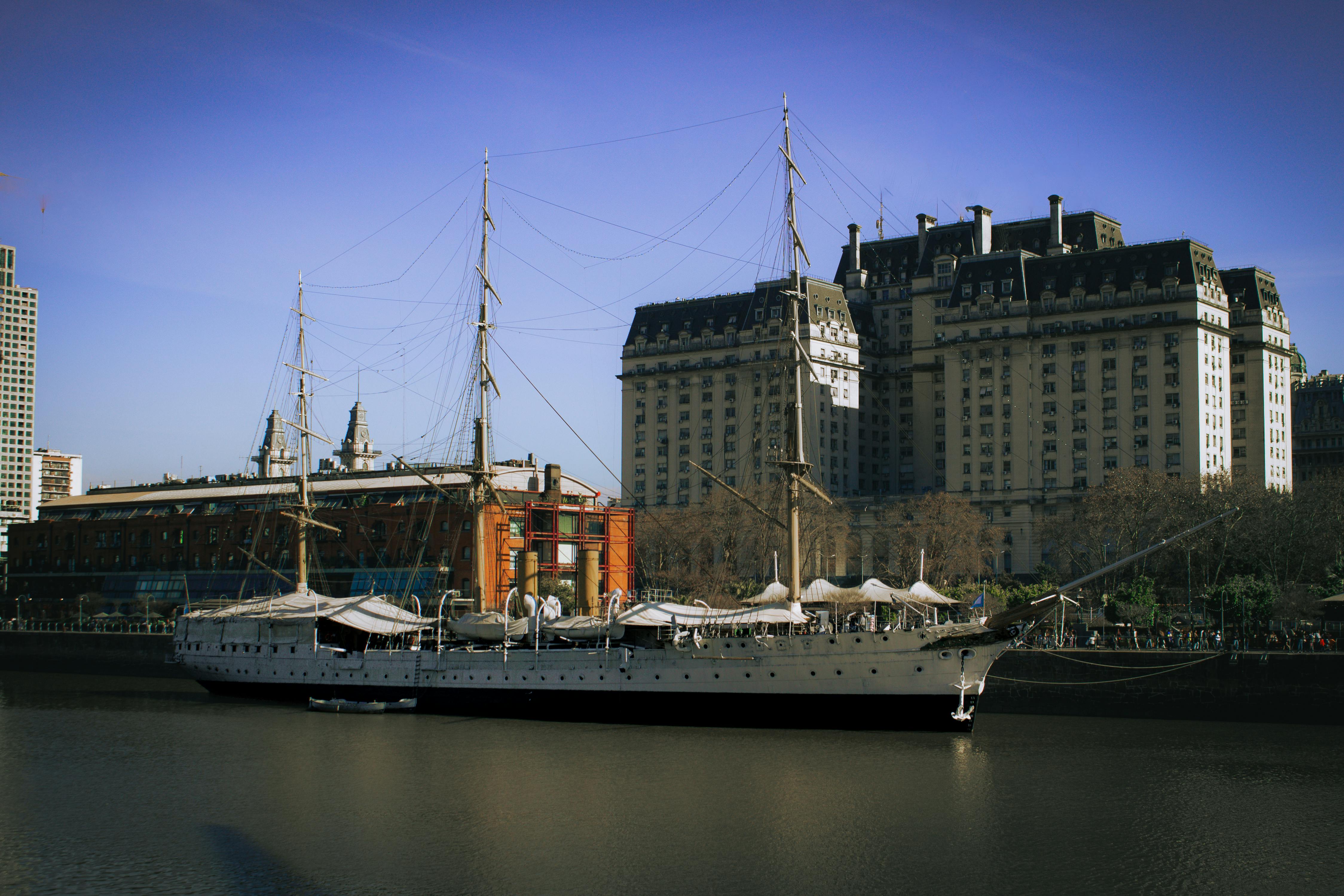
    It’s no wonder that Buenos Aires is consistently making the list of the best free walking tours in the world. You’ll be guided by the guides through large boulevards inspired by Paris to the pink presidential palace and then into the neighborhoods where the tango was born. A great overview of South American history and culture.

    Local Tip: If your guide recommends doing so, ask them to show you to a local milonga (tango dance hall). It’s better to watch locals dance on a random weeknight than a tourist show.

    The time of year:

    Argentina is situated in the Southern hemisphere, so the seasons are the opposite of those in the Northern hemisphere. The best time to walk is spring (September to November) and autumn (March to May).

    How to reach:

    The majority of international arrivals come through Ministro Pistarini International Airport (Ezeiza). It takes approximately 40 minutes to get downtown by bus or taxi.

    5. Kraków, Poland

    Kraków main market square

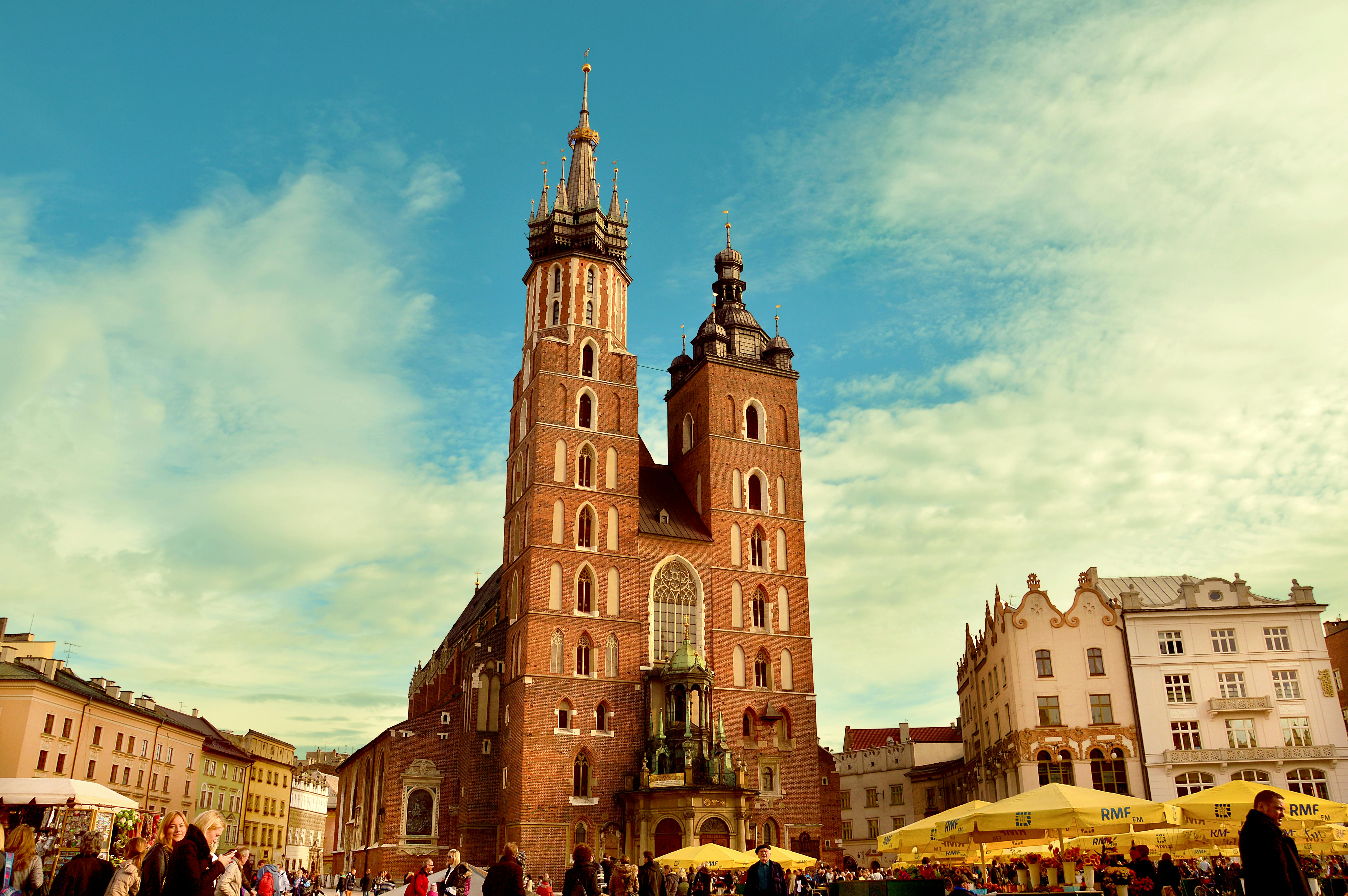
    The medieval heart of Krakow is well preserved. Free tours here have a duration of around 1 hour and 45 minutes, during which you will visit the Rynek Główny (main market square) – one of the largest medieval squares in Europe, and then enter the district of Kazimierz, the former Jewish quarter of the city. There is also a special, very poignant tour available in many local companies of exclusively WWII history.

    Local Tip: In case you only have one additional walk, opt for the Kazimierz Jewish Quarter walk. It’s not loud, not so public and explores history you may otherwise miss on the main tour.

    Best time to visit:

    Late spring (May) and early autumn (September) for nice weather and not being overrun by the summer crowds.

    How to get there:

    John Paul II International Airport Kraków-Balice is 30 minutes from the city center, by taxi or train.

    6. Lisbon, Portugal

    Lisbon tiled streets

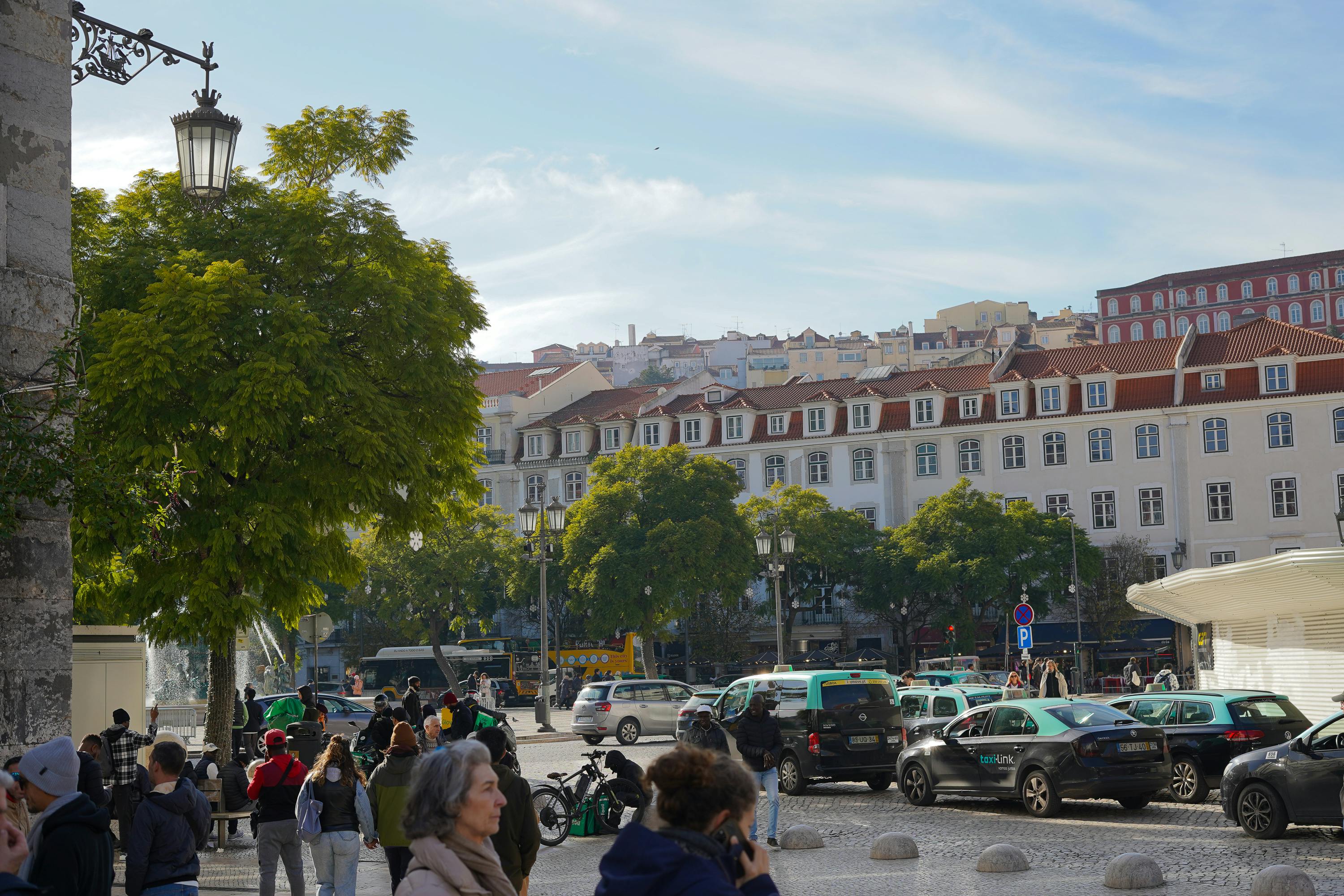
    Lisbon rests on extremely steep hills and a walking tour is a walk of a lifetime. The views from the top, though, make it all the way up to the top worth it. You’ll be guided by guides through the narrow, tiled streets, past the vintage yellow trams and up to the lookout points from which you can see across the water. You’re on a path to getting some good food suggestions along the way that are well worth the time.

    Local Tip: Use supportive, well-gripping walking shoes. The steep streets of Lisbon are cobbled with limestone tiles, which can become very slippery, even when they are dry.

    Season for visiting:

    March–May is ideal. It is warm enough to be outside but cool enough to not overheat when walking uphill.

    Access:

    Humberto Delgado Airport is very close to the centre. The main neighborhoods are within 20 minutes of reaching by metro or taxi.

    7. Rome, Italy

    Rome Colosseum and Pantheon

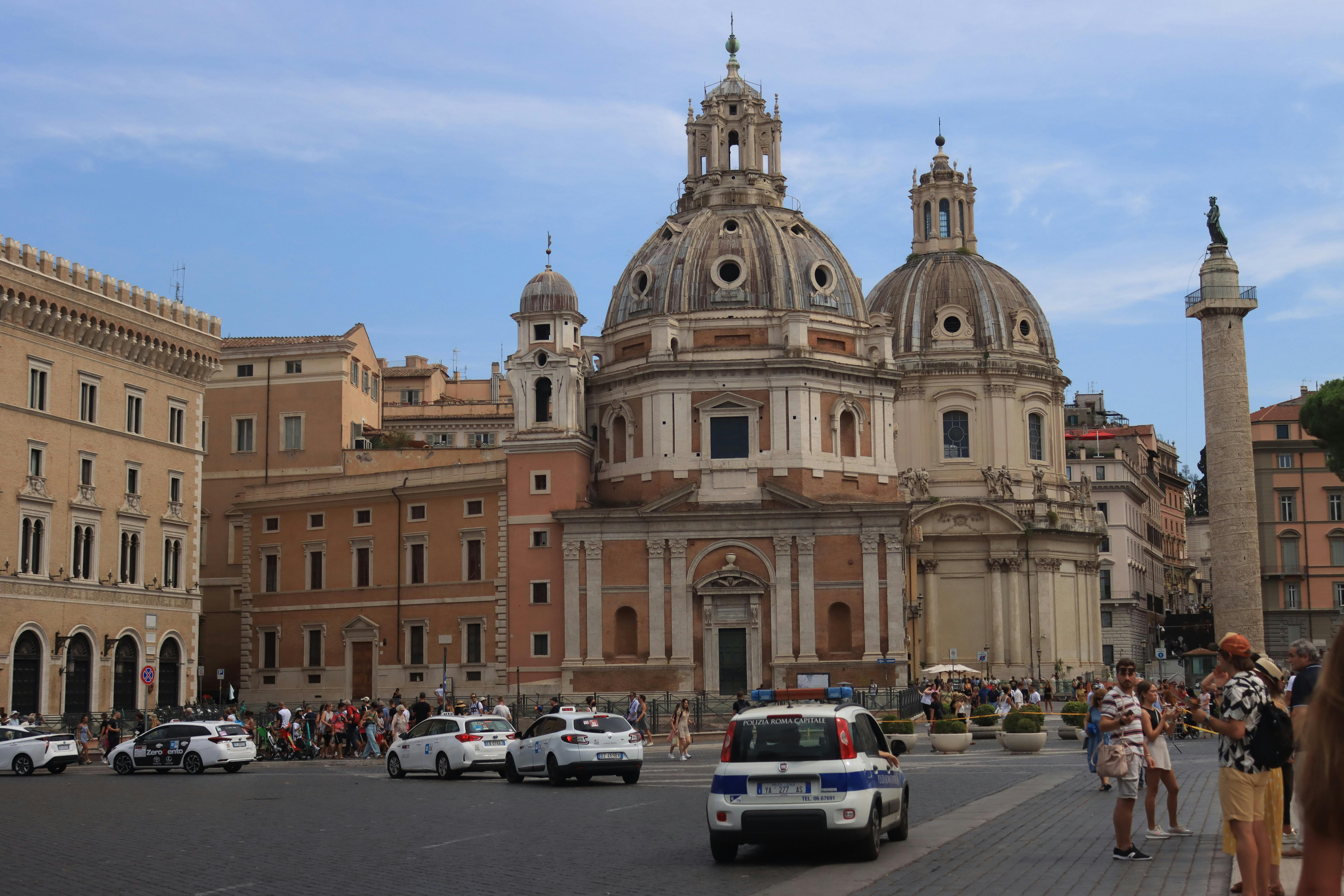
    The city of Rome is very easy to explore on foot as many major sites such as the Trevi Fountain, the Pantheon and the Colosseum are all located in close proximity. A free walking tour brings all of these ancient ruins together and brings a story to the site that will help you understand what you are seeing.

    Local Tip: Book a tour that starts early in the morning. By midday, Rome’s famous plazas are already stuffy! With an early start you can possibly observe the Trevi Fountain while there are only a few other people around.

    Best time to visit:

    April, May, September and October are good times to visit as it is not as crowded as during the summer months.

    Fiumicino airport is directly connected to the city center by a train, taking about 30 minutes.

    8. Marrakech, Morocco

    Marrakech medina

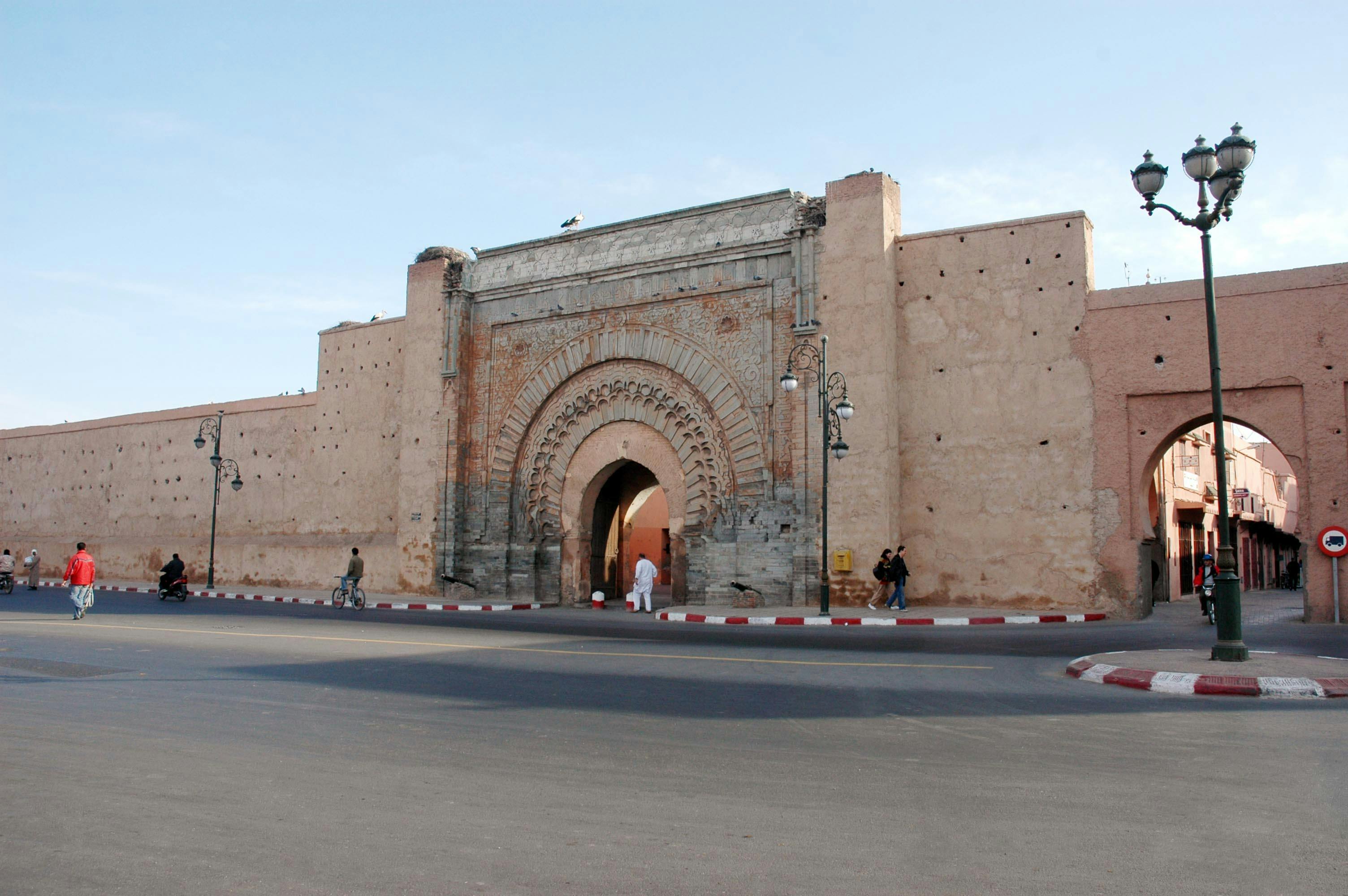
    Marrakech is a little of an unpredictable variety, so it is ideal for a guided walk. The medina is a huge labyrinth of alleys, spice markets, leather shops and the frenetic Jemaa el-Fnaa square. This walking tour is not a history lesson, but rather an experience with a friend.

    Local tip: If you choose to purchase T-shirts, mugs, tippets, etc., let your guide assist you. There’s no set price in the medina, and a local will tell you just how much you should pay for a rug, leather or spices.

    The best time to visit:

    Spring (March to May) and autumn (September to November) are the times when the desert temperature is not too hot. The summer seasons are hot and humid with temperatures often exceeding 100°F (38°C).

    Access:

    Marrakech Menara airport is very convenient and is 15 minutes away by taxi from the medina.

    9. Bangkok, Thailand

    Bangkok Old City temples

    The concept of free walking tours, as seen in Bangkok, really works well outside of Europe. The Old City is explored with local guides past the golden temples, along quiet residential canals and into backstreet markets that are not visited by tourists. The city is awesomely chaotic – and with the help of a local, it becomes a huge lot easier to understand the customs and layout.

    Local Tip: If you’re going to be eating lunch after the tour, inquire of your guide about a particular street food stand. Simple plastic tables along the street typically with no English menu offer the best meals in Bangkok.

    The best time to visit:

    The coolest and driest months of the year are from November to February, when it’s easiest to go for a long walk.

    How to get there:

    The primary international airport is Suvarnabhumi Airport. The center is within 45 to 60 minutes by train or taxi.

    10. Mexico City, Mexico

    Mexico City Zócalo

    Mexico City is quite huge. A walking tour is the key to a manageable, historic tour of this huge city. The typical tour includes a visit to the Zócalo (the central square), the Metropolitan Cathedral, and the ancient ruins of the Aztec civilization which lie next to modern buildings, demonstrating how each period builds on the last.

    Local tip: To eat lunch at a local market shortly after a tour. Your guide will know the best taco stands and will ask them which one they like best within a short walking distance from the end of the tour.

    Best time to visit:

    March through May is warm and dry, prior to the onset of summer rains.

    Access:

    Mexico City International Airport is very near to the city center. It takes about 20-30 minutes by taxi or metro.

    Before you book, here are some of my practical tips:

    • Fair tip: Guides are not paid a salary for these walks. Their tips are what they get paid for! Tipping at least $5 per person, depending on your budget and how much you enjoyed the experience.
    • Make advance reservations: Smaller tours, and popular times fill up rapidly in the peak season. Sign up at a free site, such as GuruWalk or FreeTour.com, to book a free tour.
    • Have cash available: Most guides do not accept cards or mobile payments, particularly if they are in a country where cash is still the major method of payment.
    • Shoes should be sensible: The majority of these cities will be made of old cobblestones, steep hills, or uneven pavement. There is a much greater importance of having good walking shoes than looking good.
    • Punctual: Guides are often on time as they have other tours scheduled. Be sure not to be more than 10 minutes late as you are very likely to miss the group.

    The Bottom Line

    In your first morning of the trip, it’s a smart travel habit to have a free walking tour of a new city. It provides you direction, some great local food spots and some context about the buildings you are interested in; and for whatever tip you think is fair. These tours demonstrate that the quality of the experience can be high without the price tag being high – whether you’re walking through the medieval alleys of Prague, the markets in Marrakech or the history of modern Berlin. It requires a good pair of shoes and a local guide who enjoys sharing his or her home.

  • 10 Amazing Wildlife Destinations for Nature Lovers

    .article-content {
    font-family: Arial, Helvetica, sans-serif;
    line-height: 1.7;
    color: #333;
    max-width: 800px;
    margin: 0 auto;
    }
    .article-content h1 {
    font-size: 32px;
    line-height: 1.25;
    margin: 0 0 18px;
    font-weight: 700;
    }
    .article-content h2 {
    font-size: 24px;
    margin: 32px 0 8px;
    font-weight: 700;
    }
    .article-content p {
    margin: 0 0 16px;
    }
    .article-content ul {
    margin: 0 0 24px;
    padding-left: 20px;
    }
    .article-content li {
    margin: 0 0 8px;
    }
    .destination-card {
    border: 1px solid #eee;
    border-radius: 6px;
    padding: 20px;
    margin: 24px 0;
    background: #fff;
    }
    .destination-title {
    font-size: 22px;
    font-weight: 700;
    margin: 0 0 12px;
    }
    .destination-image {
    width: 100%;
    height: 380px;
    object-fit: cover;
    border-radius: 4px;
    border: 1px solid #eee;
    margin: 0 0 12px;
    display: block;
    }
    .tips-box {
    background: #f2f6f8;
    border-left: 4px solid #3f5a45;
    padding: 14px 16px;
    margin: 24px 0;
    }
    .bottom-line {
    background: #3f5a45;
    color: #fff;
    padding: 20px;
    border-radius: 6px;
    margin: 32px 0;
    }

    Ever seen a nature show, and wanted to say, “Oh, I wish I could see that in real life? The good news is you can! These locations around the world are to observe wild animals in their natural environment, without the presence of a fence or cage.

    Such journeys could be called “eco-tourism”. It’s a fancy term that means traveling without causing harm. This sort of travel does not damage the land or animals, but does pay for the protection of both. Your donations are frequently used directly to save forest, clean beaches, and repel poachers from endangered wildlife.

    Such trips are becoming more and more desirable to most travelers. They’re not looking for some pretty picture of cool animals, they’re looking for an experience that will help keep those animals around for the next hundred years. These are 10 of the best places in the world for wild life experiences.


    1.Costarica | The Country that runs on green power.

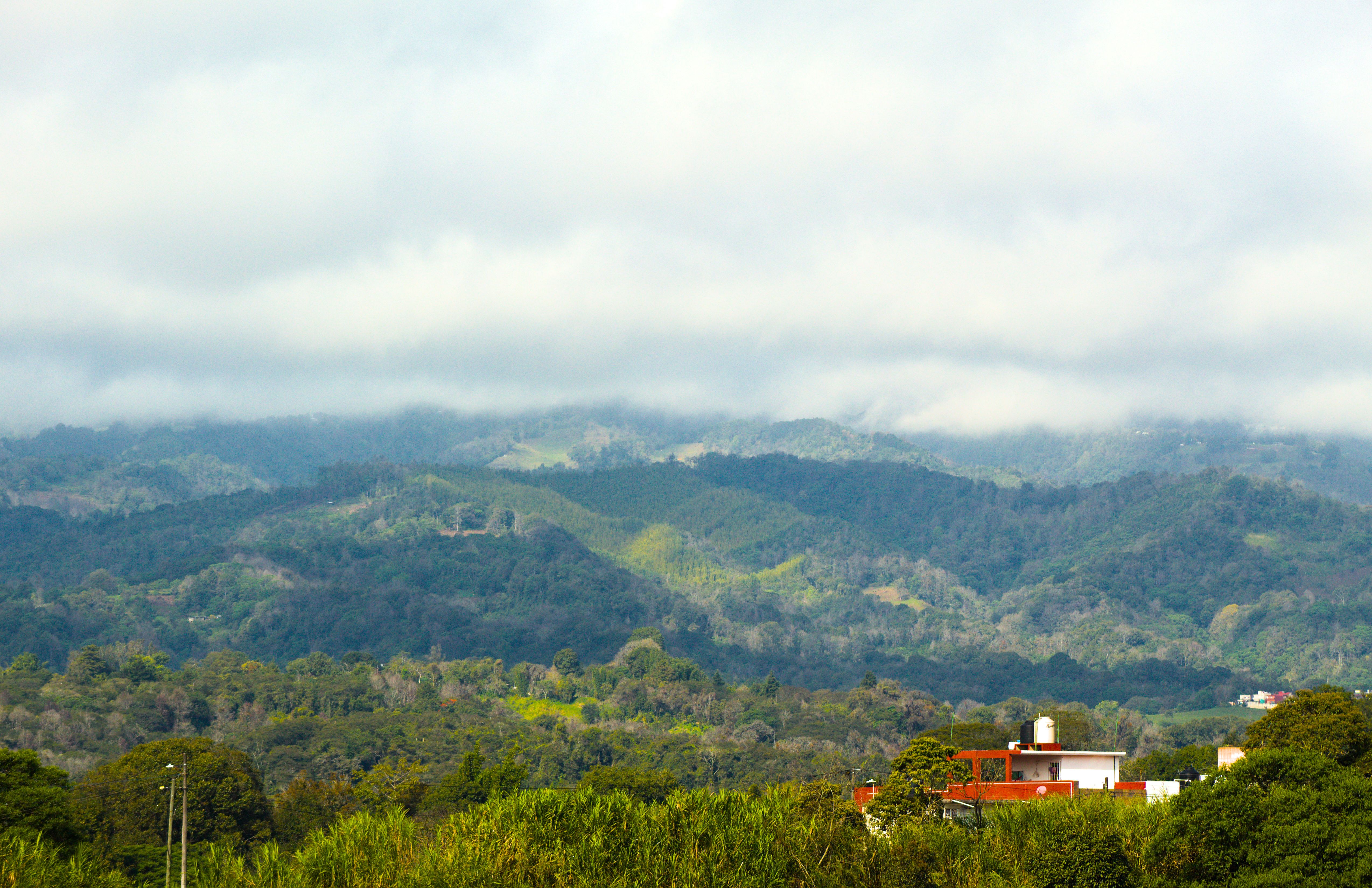
    In Costa Rica, truly it is all about eco-tourism and it’s VERY deserving! Almost 98% of the electric power used in the country is produced from clean sources such as water, wind and solar power. The protected area amounts to approximately one quarter of the total land area – huge for such a small land-locked country.

    Don’t miss out on Monteverde Cloud Forest where you may see the beautiful quetzal. It’s extremely beautiful with its bright feathers, hardly credible.
    When planning to go to Manuel Antonio National Park, be sure to take your camera with you. It’s one of the best destinations in Costa Rica to observe wild life with playfully swinging howler monkeys, brightly colored toucans and lazy sloths.
    Arenal Volcano is also highly-attractive. Following the trails and enjoying the amazing volcanic landscapes you may want to relax afterwards, don’t worry about that you can try the natural hot springs in this area.

    Costa Rica landscape

    2.The Galapagos Islands | Animals found nowhere else on earth!

    The Galápagos Islands are located off the coast of Ecuador and they’re a world-famous place for a reason: many of the animals here are not found anywhere else on earth. It is the same site where Charles Darwin worked out how evolution works, and is now a UNESCO World Heritage Site.

    The entire island group (97%) is a national park. Don’t be afraid of marine iguanas—they never were! Sea lions sleep on the rocks at Tortuga Bay in the sun, as if they own the place (but they do). This place is not overrun with tourists, thanks to strict rules on how many can visit.

    Galapagos Islands

    3. Kenya | Home of Africa’s “Big Five”

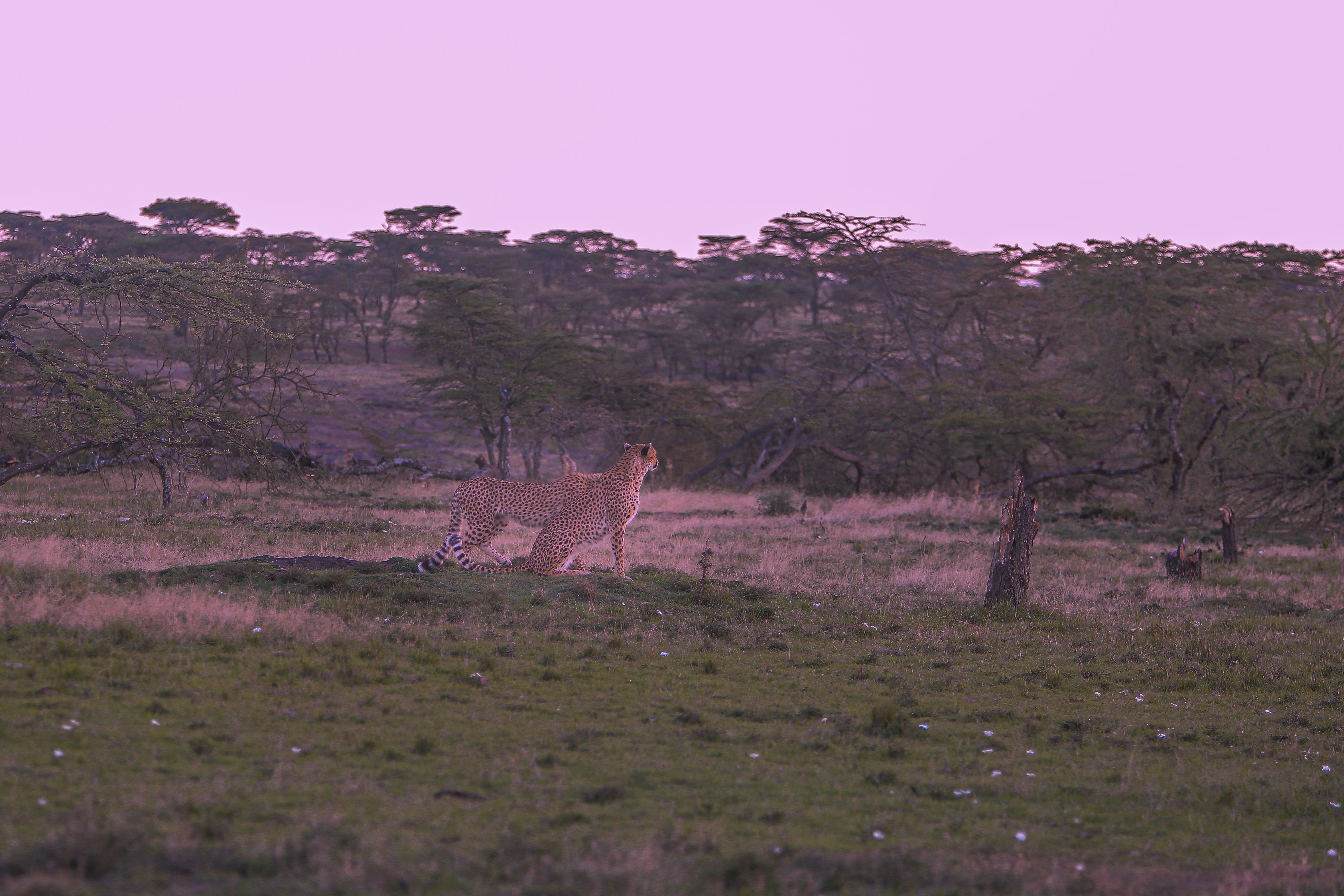
    Kenya is a country that’s often associated with going on a safari in Africa. It’s famous for its huge open spaces, where you can see animals all the way to the horizon. If you’re looking for the best places to go on a safari, Amboseli National Park and the Maasai Mara National Reserve are the top spots. They’re great for catching a glimpse of the “Big 5” – that’s lions, leopards, rhinos, elephants, and Cape buffalo. These parks offer an amazing experience, with vast savannahs and an incredible array of wildlife. Whether you’re a seasoned safari-goer or just looking for a unique adventure, Kenya’s got plenty to offer. From the majestic lions to the graceful elephants, you’ll have the chance to see some of Africa’s most incredible animals up close. So why not start planning your Kenyan safari today and get ready for the ultimate wildlife experience?

    In Kenya, the local communities are really important for protecting the wildlife. The animals and where they live are very special to the people who live nearby, and they make a living from tourists coming to visit. There’s a great place to go on safari that’s not too crowded, called the Shimba Hills National Reserve.

    Kenya wildlife safari

    4. Rwanda | Face to Face With Mountain Gorillas

    Rwanda offers one of the most unforgettable animal encounters on the planet. Visiting Volcanoes National Park is an amazing experience, especially if you’re interested in seeing mountain gorillas up close. If you go on a guided trek, you can actually spend around an hour with a gorilla family, which is really unforgettable. The park is a great place to learn about these incredible animals and see them in their natural habitat.

    This is a very special experience and one that will last a lifetime as there are only approximately 1,000 mountain gorillas remaining in the world.
    The $1,500 price tag for a trek to the gorillas is a significant amount of money, but when you consider where it is going, it’s not so much, anti-poaching patrols, check-ups on the gorillas’ health, salaries for rangers and, crucially, schools and clinics for the surrounding communities. It’s a major contributor to the increase in mountain gorillas, which is the only positive trend when it comes to great apes on the planet. Trekking requires a minimum age of 15 and is best done during the summer (June to September) or winter (December to February).

    Rwanda mountain gorillas

    5. Africa’s Elephant Capital is Botswana.

    Unlike most safari countries, Botswana has less tourists but a larger positive impact. It’s a ‘high value low volume’ approach – fewer visitors, higher prices; less stress on the land and the animals.

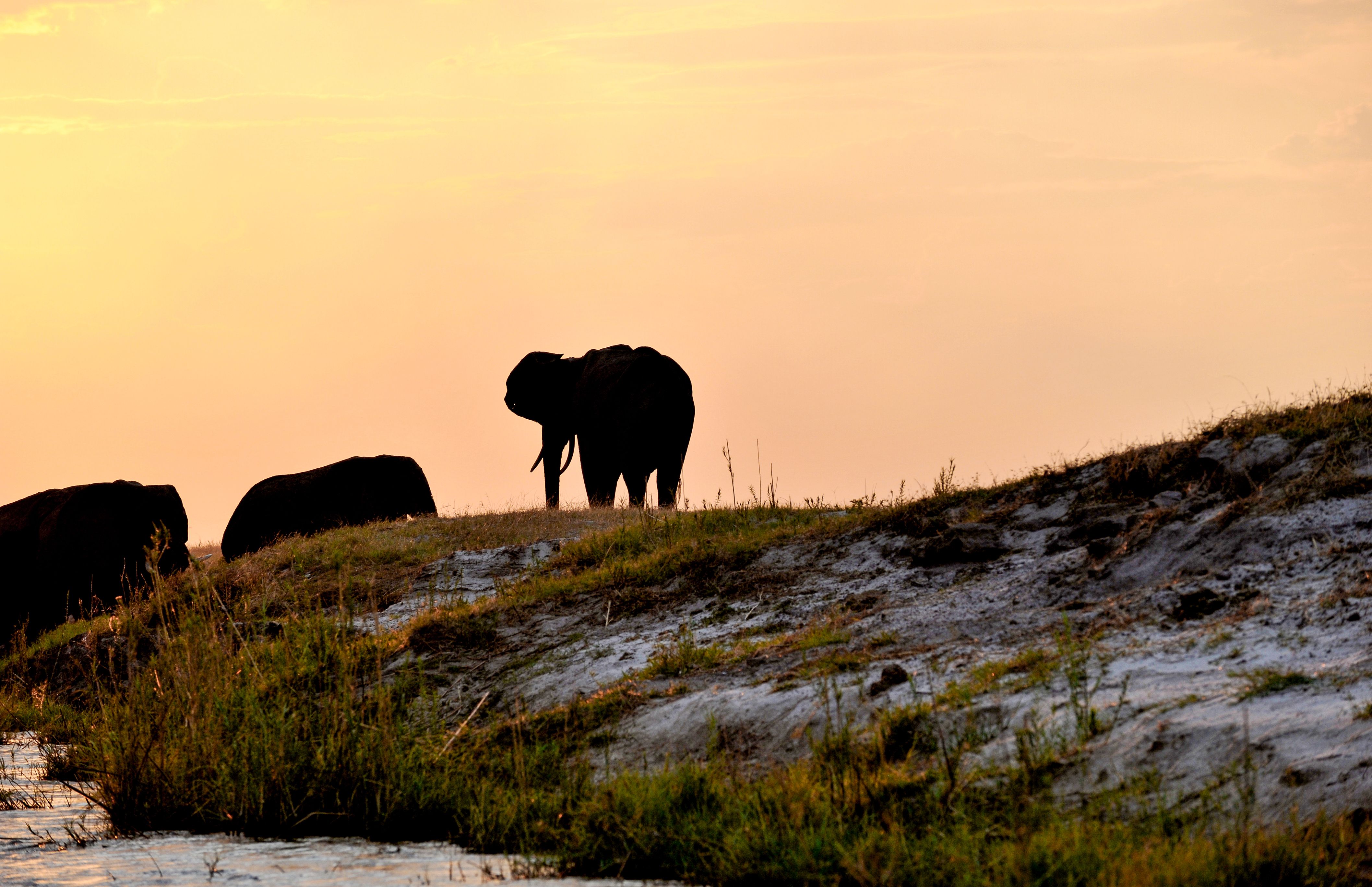
    It’s working. The Okavango Delta is a special place. It is the inland delta on the planet. This is where a river flows out into the desert. The Okavango Delta is home to the Okavango Delta’s elephant population. There are 130,000 elephants that live in the Okavango Delta.

    A big part of the country is dedicated to wildlife. 38 Percent of the entire country is for wildlife. This is one of the percentages of any country that is dedicated to wildlife. The Okavango Delta and the rest of the country have a lot of space for animals to live. In addition to elephants, watch for lions, leopards and one of the most endangered and rare predators in Africa, the African wild dog.

    Botswana elephants

    6.Madagascar | An Island of Animals You Have Never Seen Before

    Madagascar broke away from Africa a very long time ago and the animals that live there have been changing on their own ever since. This means that Madagascar has a lot of strange and unique plants and animals that you cannot find anywhere else on Earth.

    The main animal that people like to see in Madagascar is the lemur. There are more than 100 different types of lemurs and they come in all shapes and sizes. You can find lemurs that’re as small as mice and others that are much bigger. The indri is one type of lemur that makes a loud and haunting sound, like a whale singing in the trees. If you want to see lemurs, you should visit Andasibe-Mantadia National Park. Madagascar’s rainforests are getting smaller quickly so it is very important to visit them in a responsible way. When you visit your money will help to protect the rainforests and the animals that live there.

    Madagascar lemurs

    7. Patagonia | A Place With Big Glaciers and Mountains

    Patagonia is a region that covers the parts of Chile and Argentina. It is one of the places on Earth where you can still see glaciers getting bigger, instead of smaller. Torres del Paine National Park is a popular place to visit with big blue-gray mountains and a lot of wildlife.

    The amazing thing to see in Patagonia is the Perito Moreno Glacier. It is a big piece of ice that sometimes breaks off and falls into the water below. This is something that you will never forget. There are groups in Patagonia that are working hard to protect the plants and animals and to make sure that tourism does not harm the environment.

    Patagonia glaciers

    8. Norway | A Country With Beautiful Fjords and Clean Energy

    Norway is a country that’s very good at taking care of the environment. Most of its energy comes from sources like water and heat from the Earth. This means that Norway is a clean and green country.

    The Geirangerfjord and Nærøyfjord are two of the beautiful fjords in the world. They have cliffs and deep blue water and are perfect for hiking, kayaking or taking a boat tour. If you go north you can visit the Lofoten Islands, which have beautiful scenery, small villages and a good chance of seeing the Northern Lights. Norway also has national parks, like Rondane and Jotunheimen which are great for hiking and seeing wildlife.

    Norway fjords

    9. New Zealand | A Country That Loves Its Wildlife

    New Zealand is a country that has been working hard to protect its environment and wildlife for years. Soon as you arrive you can see how much the country cares about nature. Abel Tasman and Fiordland National Parks are two of the places to go hiking, kayaking and bird-watching.

    You should also visit Zealandia, which’s a special park in the city that is home to many rare birds and animals. You can see birds like the kiwi, kakariki and bellbird well as other animals that are found only in New Zealand. If you are near Auckland you should take a day trip to the west coast, which has ocean views, old rock carvings and a guided walk through the rainforest.

    New Zealand wildlife

    10. Indonesia | A Place With Coral Reefs and Rainforests

    If you like the idea of visiting Bali but do not like the crowds you should visit Raja Ampat instead. This is a group of islands in Indonesia that has some of the beautiful coral reefs and rainforests in the world.

    The water around Raja Ampat is home to more than 1,500 types of fish and the coral reefs are some of the healthiest in the world. On land there are over 600 types of birds living in the rainforest. You can take a boat tour to snorkel, dive or just float and enjoy the scenery. There are guided hikes that let you explore the jungle on foot. Indonesia has built eco-lodges, in Raja Ampat, which are designed to protect the environment and keep the area untouched.

    Indonesia coral reefs

    A Few Tips Before You Book

    • Do your homework on the company you are going with, not the place you are going to. A really eco-friendly trip is about the tour operator or lodge you book with not the country you are visiting. Look for companies that clearly tell you where your money is going.
    • Book flights early and travel light. Sites like Kayak and skyscanner make it easy to compare flight prices across airlines, and booking ahead usually saves you money on the destinations above, many of which aren’t served by dozens of daily flights.
    • Pick accommodation with real reviews. Booking.com and Expedia both let you dig through detailed reviews and photos before you commit — worth doing, especially for remote eco-lodges where it’s harder to just show up and check in person.
    • Get travel insurance. Most of these trips involve remote locations, physical activity, and countries where your regular health insurance won’t cover you. A good travel insurance plan protects you if something goes wrong — a cancelled flight, lost luggage, or a medical issue far from home.

    The Bottom Line

    Every destination on this list proves the same point, travel doesn’t have to hurt the planet. In fact some of the trips you can take are the ones that make a place better than when you got there. Whether you are walking to see gorillas in Rwanda or floating over reefs in Indonesia or watching a glacier break off in Patagonia you are not just doing something on your list of things to do. You are helping to pay for the reason that animal or forest or reef’s still there, for the next person to see too.