Category: travel news

  • Massachusetts Beach Closures July 2026

    .news-article{
    max-width:900px;
    margin:40px auto;
    padding:25px;
    background:#fff;
    border:1px solid #e5e7eb;
    border-radius:12px;
    font-family:Arial,Helvetica,sans-serif;
    line-height:1.9;
    color:#333;
    }

    /* ===== Headings ===== */

    .news-article h2{
    font-size:30px;
    color:#1e3a8a;
    margin:35px 0 18px;
    padding-left:14px;
    border-left:5px solid #2563eb;
    line-height:1.4;
    }

    .news-article h3{
    font-size:22px;
    color:#222;
    margin:28px 0 12px;
    }

    /* ===== Paragraph ===== */

    .news-article p{
    font-size:17px;
    margin-bottom:18px;
    }

    /* ===== Lists ===== */

    .news-article ul{
    margin:20px 0 25px 22px;
    }

    .news-article li{
    margin-bottom:12px;
    font-size:17px;
    line-height:1.8;
    }

    /* ===== Highlight ===== */

    .news-article strong{
    color:#0f172a;
    font-weight:700;
    }

    /* ===== Images ===== */

    .news-image{
    margin:30px 0;
    text-align:center;
    }

    .news-image img{
    width:100%;
    max-width:850px;
    height:auto;
    border-radius:12px;
    display:block;
    margin:auto;
    }

    .news-image em{
    display:block;
    margin-top:10px;
    color:#666;
    font-size:14px;
    font-style:italic;
    }

    /* ===== Horizontal Line ===== */

    .news-article hr{
    border:none;
    border-top:1px solid #e5e7eb;
    margin:40px 0;
    }

    /* ===== FAQ ===== */

    .faq-item{
    margin:25px 0;
    padding:20px;
    background:#f8fafc;
    border-left:5px solid #2563eb;
    border-radius:8px;
    }

    .faq-item h3{
    margin-top:0;
    margin-bottom:10px;
    color:#1e3a8a;
    font-size:20px;
    }

    .faq-item p{
    margin:0;
    font-size:16px;
    line-height:1.8;
    }

    /* ===== Responsive ===== */

    @media (max-width:768px){

    .news-article{
    padding:18px;
    }

    .news-article h2{
    font-size:24px;
    }

    .news-article h3{
    font-size:20px;
    }

    .news-article p,
    .news-article li{
    font-size:16px;
    }

    .news-image img{
    border-radius:8px;
    }

    }

    Sewage Spill, Extreme Heat and Water Safety Warnings
    Massachusetts beach closures July 2026 due to sewage spill and bacteria contamination
    Dozens of beaches across Massachusetts were closed after a major sewage spill and dangerous bacteria levels affected water quality.

    In July 2026, dozens of beaches are closed all over Massachusetts and there is a rare occurrence of extreme heat and major water contamination. A massive leak of sewage from Haverhill to the Merrimack River has been the worst hit area of the North Shore and other places have been warned of high bacterial numbers and a safety advisory for July 4 weekend.

    It’s one of the most disruptive beach seasons in recent memory for travelers and locals planning summer trips. This article describes what is happening, what zones are impacted and what precautions can be taken to be safe.


    Why the Beach Closures?

    The huge beach closures are being caused by a major sewer system malfunction in Haverhill. A major rainstorm on Friday, June 26, 2026, flooded the city’s primary pumping station, which caused a 42-inch sewer force main to break near South Mill Street. The leaky pipe started dumping millions of gallons of raw sewage into the Merrimack River each day.

    During the high flow period, it was estimated that approximately 8 million gallons of raw sewage were entering the Merrimack daily. The water was then contaminated and it was carried downstream to the Atlantic Ocean and impacted beaches in Ipswich, Newburyport, Salisbury, Essex, and further.

    The city of Haverhill temporarily patched the break and stopped the overflow by late June 30, but health officials said the bacteria levels would stay high for a few days. Testing was extended to early July to assess beaches’ reopening.


    The effects of the Closures on summer travel.

    It was a double disaster for sewage pollution, because it occurred when the new sanitation system was in operation. The breaks coincided with a severe hot weather event forecast for Massachusetts, characterized by near triple-digit temperature, the hottest Massachusetts has experienced in many years.

    This meant that:

    • Many were closed beaches, which were most in need of cooling during the high heat.
    • The plans of millions of tourists and local residents who were using the North Shore to spend their summer holiday were thrown off.
    • Families and businesses associated with July 4th celebrations and events, including beach parties or festivals, were uncertain and faced cancellations.
    • When polluted with heat, one of the most popular summer times turned into a public health hazard in the state.
    North Shore beaches affected by the Merrimack River sewage spill
    The Merrimack River sewage spill affected several North Shore communities and led to widespread beach closures.

    What Beaches are closed?

    Dozens of Massachusetts beaches have been closed due to high levels of bacteria in tests by state and local health departments. Unlike the other closures, this one extends beyond one town, and across the North Shore.

    North Shore (Merrimack River Area)

    The worst affected communities are those on the Merrimack River, where the sewage spill had a significant impact:

    Ipswich: All swimming areas at town beaches were closed including Crane, Little Neck, Steep Hill, Clark, and Pavilion beaches.

    Plum Island Beach at 55th Street, End of Island 1 and 2 and Plum Island Point were all still shut.

    Salisbury: Beaches at Broadway Street (Salisbury Beach Center) and at Main (Salisbury Beach) were closed to swimming.

    The high levels of bacteria in the water were linked to the river spill, and multiple beaches at Essex were closed.

    Many water contact areas were closed to swimming, while some North Shore beaches including those inland facing were open to sand and sun.

    Other Massachusetts Beaches

    Beyond the North Shore, Department of Public Health has closed beaches throughout Massachusetts for bacteria, cyanobacteria or harmful algae blooms:

    • Ashby: Damon Pond Beach (DCR) closed.
    • Brewster: Cliff Pond (DCR) closed, Cliff Pond (DCR) @ Main closed, and Flax Pond (DCR) closed.
    • Holden: Eagle lake closed.
    • Kings Beach (DCR) on Eastern Ave, Kimball Rd and Pierce Rd closed, and Lynn Shore Beach (DCR) closed.
    • Manchester: Magnolia East closed.
    • Nantucket: Sesachacha Pond closed.
    • Pembroke: Little Sandy shut down.
    • Quincy: Broady (Baker) closed.
    • Salem: Children’s Island – Back closed.
    • Saugus: Peckham Pond @ Camp Nihan (DCR) had been closed.
    • Swampscott: Kings Beach closed.
    • Wareham: Wareham Lake Shore, Pinehurst, and Briarwood closed.
    • Winchester: Shannon Beach @ Upper Mystic (DCR) closed.
    • Donovans and Grandview both closed at Winthrop.

    By July 2, dozens of others were shut down throughout the state, and closures will change as more tests are performed.


    Water Safety Orders and shellfishing.

    Water safety warnings were also given outside of beach swimming. The spill of Haverhill sewage triggered an emergency shellfishing closure from Salisbury to Gloucester by the Massachusetts Division of Marine Fisheries. This means:

    • The affected zones have shellfishing closures.
    • Technically boating and non-contact activities are OK, but health officials recommend caution.
    • When a swimming advisory is given, swimming is not recommended in these waters.

    The state has warned the public not to go to the closed beaches or eat shellfish found in affected waters.


    Bacteria Testing and Water Quality

    Water testing has been done daily by both private and public entities to monitor contamination. The Merrimack River Watershed Council (MRWC) has been collecting samples at seven locations from Haverhill to the mouth of the Merrimack River. Results showed a rapid increase in unsafe bacteria levels:

    • Monday, June 30: 3 out of 7 sites unsafe, including Ferry Park at West Newbury with an E. coli concentration of more than the EPA limit.
    • Wednesday, July 2: 5 of 7 sites unsafe.Thursday, July 3: 6 of 7 sites unsafe.
    • Wednesday, July 2: 6 of 7 sites unsafe; Haverhill site is more than 15 times the EPA E. coli limit.

    MRWC cautioned unsafe conditions may persist through July 4 weekend and testing will continue daily to monitor conditions.

    Five beaches were reopened in Ipswich, as shellfishing areas continued to be closed, following the results of the bacteria tests, which were below the state limit of 104 colonies/100ml.


    You should have chosen a different one, right?Why this is a repeating issue.

    Haverhill’s big sewer break is not the first wastewater issue that the city has faced. Ten years before the 2026 rupturing, a federal consent decree was reached with Haverhill to end the city’s pollution of the river. The new sewer failure indicates that there have been long-term issues with the sewer system.

    Combined sewer overflows, aging pumping stations, and older pipes have been problems in Massachusetts waterways in the past including the Merrimack. The likelihood of more spills may rise as climate change leads to more heavy rainstorms, such as the June 2026 storm.


    What Travelers Should Do

    If you’re headed to Massachusetts this July, here are some steps you can take to keep yourself safe:

    Check before you go:

    Check the most current list of closed beaches from the Massachusetts Department of Public Health or your town. The closure may be revised daily while the testing is ongoing.

    Don’t swim at closed beaches:

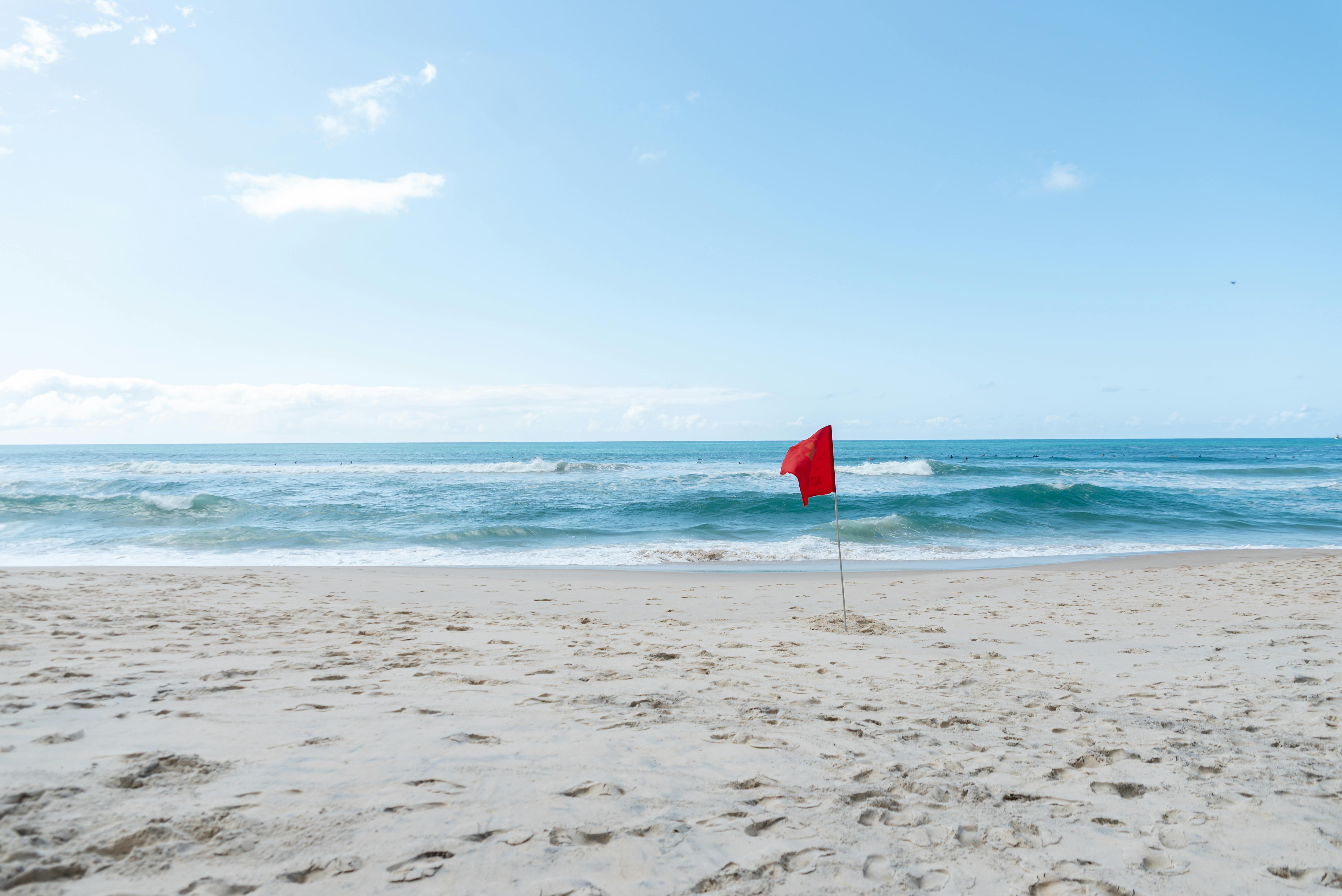
    Do not enter the water, even if the sand and sun areas are open, at closed beaches. After a sewage spill, the bacteria can stay at high levels for weeks.

    Avoid contact with the Merrimack River in impacted areas:

    Do not swim, kayak or come in contact with the Merrimack River from Haverhill to the ocean, until the river is declared safe.

    Avoid eating shellfish in the area:

    The state shellfish closure from Salisbury to Gloucester means that shellfishing and consumption is closed from that location.

    PrePlan for heat risk:

    Seek indoor venues (malls, parks with shade, libraries) where it will be cooler; and reduce outdoor activity during the hottest hours of the day.

    Consider alternative destinations:

    If you are on the North Shore, try to avoid the closed areas and travel to another part of the country where there is no closure by going to the Cape, islands or other coastal towns.


    Community and Business Impact

    The closures have had a significant impact on local communities and businesses. Beach parties, concerts, and festivals were postponed or cancelled at events scheduled to take place over the July 4 weekend. For businesses relying on beach traffic, there was a decrease in traffic, and some were forced to temporarily close.

    The residents were unhappy about the spill taking place when summer tourism was at its highest. Many expressed concern about the “long-term reputation of the North Shore as a safe, family-friendly community.”


    Final Verdict

    Massachusetts has one of its toughest summer beach seasons in years. A huge sewage leak in Haverhill combined with heavy bacteria pollution and high temperatures has resulted in dozens of beaches closing around the state.

    For tourists, the main lesson is to be flexible and informed. Please check local closure announcements before visiting coastal areas, do not go to a beach where the water is contaminated, and make other plans if coastal areas are closed. As testing goes on and repairs are in progress, things can change rapidly, but you must be cautious to stay safe.


    Frequently Asked Questions (FAQ)

    So many Massachusetts beaches are closed in July 2026, why?

    High bacteria counts from the sewage spill in Haverhill into the Merrimack River and other harmful bacteria and algae blooms have led to the closure of beaches.

    What areas will be hardest hit by the closures?

    Many towns throughout the state have closed beaches, but the North Shore is the hardest hit area with towns such as Ipswich, Newburyport, Salisbury and Essex among the many closed beaches.

    Is the sewage spill still ongoing?

    Haverhill city officials have blocked the overflow, but bacteria levels have not reached safe levels in many places and the city is still testing through early July.

    If it’s open can I go to the beach?

    Open beaches are available for sun and sand but do not swim if the beach is closed for water contact. Please look for local notices.

    Is the area’s shellfish safe to eat?

    NO. Shellfishing is closed from Salisbury to Gloucester in Massachusetts due to an emergency closure.
  • Most Expensive Travel Destinations in 2026

    .article-wrapper{
    max-width:950px;
    margin:40px auto;
    font-family:Arial,sans-serif;
    color:#444;
    line-height:1.9;
    }

    .article-wrapper h2{
    font-size:32px;
    color:#1f2937;
    margin:45px 0 20px;
    padding-bottom:10px;
    border-bottom:3px solid #0d6efd;
    }

    .article-wrapper h3{
    font-size:24px;
    color:#222;
    margin:35px 0 15px;
    }

    .article-wrapper p{
    font-size:17px;
    margin-bottom:18px;
    }

    .article-wrapper strong{
    color:#222;
    }

    .article-wrapper ul{
    margin:20px 0;
    padding-left:25px;
    }

    .article-wrapper li{
    margin-bottom:12px;
    font-size:17px;
    }

    .article-wrapper hr{
    border:none;
    height:1px;
    background:#ddd;
    margin:45px 0;
    }

    /* Images */

    .article-image{
    margin:35px auto;
    text-align:center;
    }

    .article-image img{
    width:100%;
    max-width:900px;
    border-radius:14px;
    display:block;
    margin:auto;
    box-shadow:0 6px 20px rgba(0,0,0,.15);
    }

    .article-image p{
    font-size:14px;
    color:#666;
    font-style:italic;
    margin-top:10px;
    }

    /* FAQ */

    .article-wrapper h3 + p{
    background:#f8f9fa;
    padding:15px 18px;
    border-left:4px solid #0d6efd;
    border-radius:8px;
    }

    /* Mobile */

    @media(max-width:768px){

    .article-wrapper{
    padding:0 15px;
    }

    .article-wrapper h2{
    font-size:28px;
    }

    .article-wrapper h3{
    font-size:21px;
    }

    .article-wrapper p,
    .article-wrapper li{
    font-size:16px;
    }

    }

    Most Expensive and Luxury Travel Destinations

    Traveling around the globe is a dream for some, while others might dream about visiting the most expensive, isolated, and luxurious destinations. According to new findings from Squaremouth and Falstaff, the top ten most expensive destinations to travel to in 2026 will be polar expeditions, islands, and luxury safaris.

    So if you’re interested in knowing what the most expensive destination to travel to will be next year or just want to tick something off your bucket list, keep reading.

    Most Expensive Travel Destinations 2026

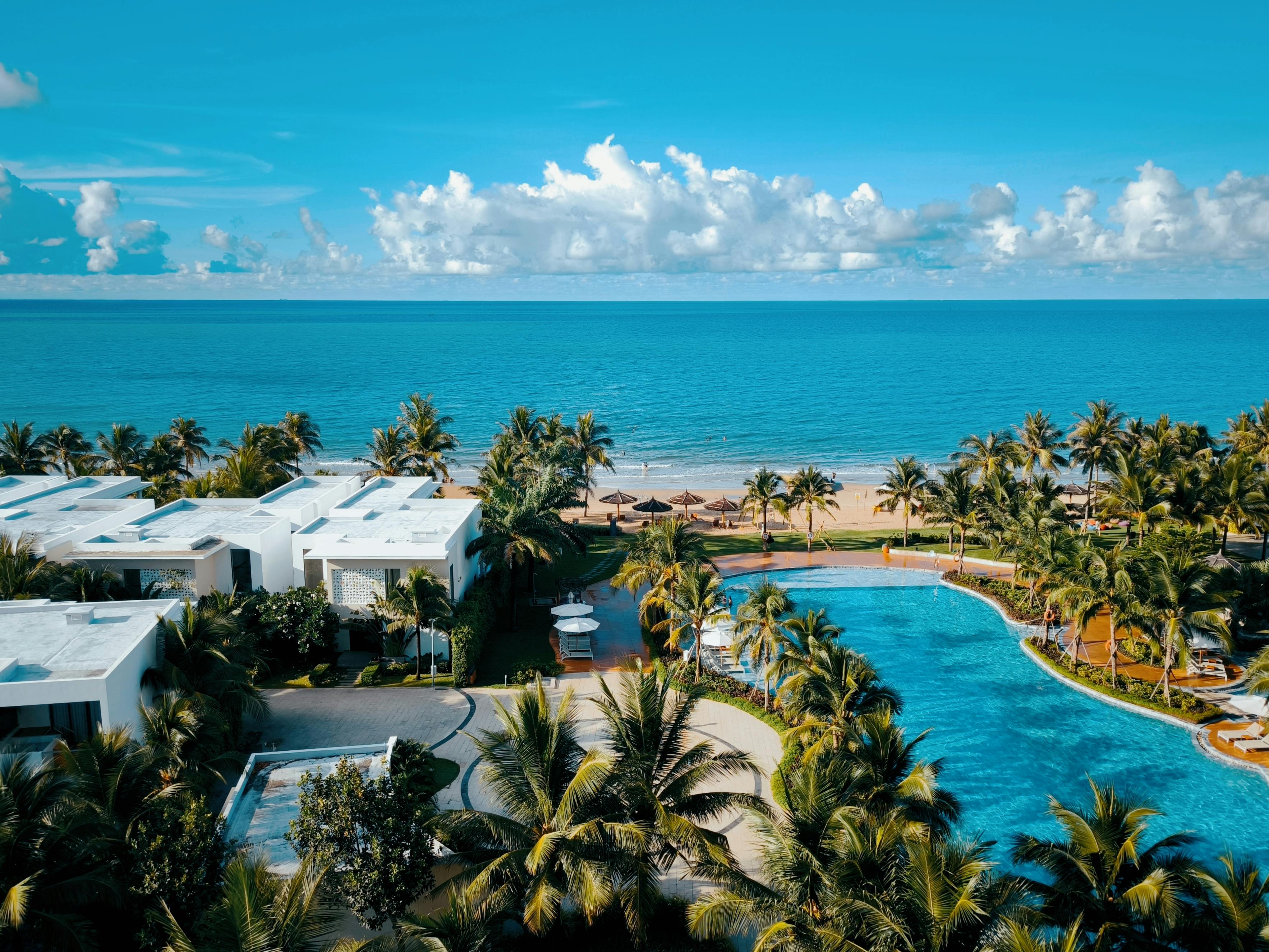
    Luxury islands, polar expeditions and safari destinations dominate the list of the world’s most expensive places to visit in 2026.


    Why are these places so costly?

    According to a study by Squaremouth and Falstaff, the most costly places to stay are not always the bigger city destinations. Rather, they are locations where logistics, housing and specialized transportation increase expenses.

    Polar and Expedition Travel: Antarctica and Greenland are at the top due to the length of flights, limited accommodation and need for guided tours.

    Expensive: The British Virgin Islands, French Polynesia and the Maldives have luxury resorts, imported items and fine dining.

    The cost of Safari and Wildlife Experiences in Botswana, Rwanda, Zimbabwe, and Namibia is high due to the exclusive lodges, conservation fees, and guided wildlife tours.

    Luxury Overwater Villas and Safari Travel

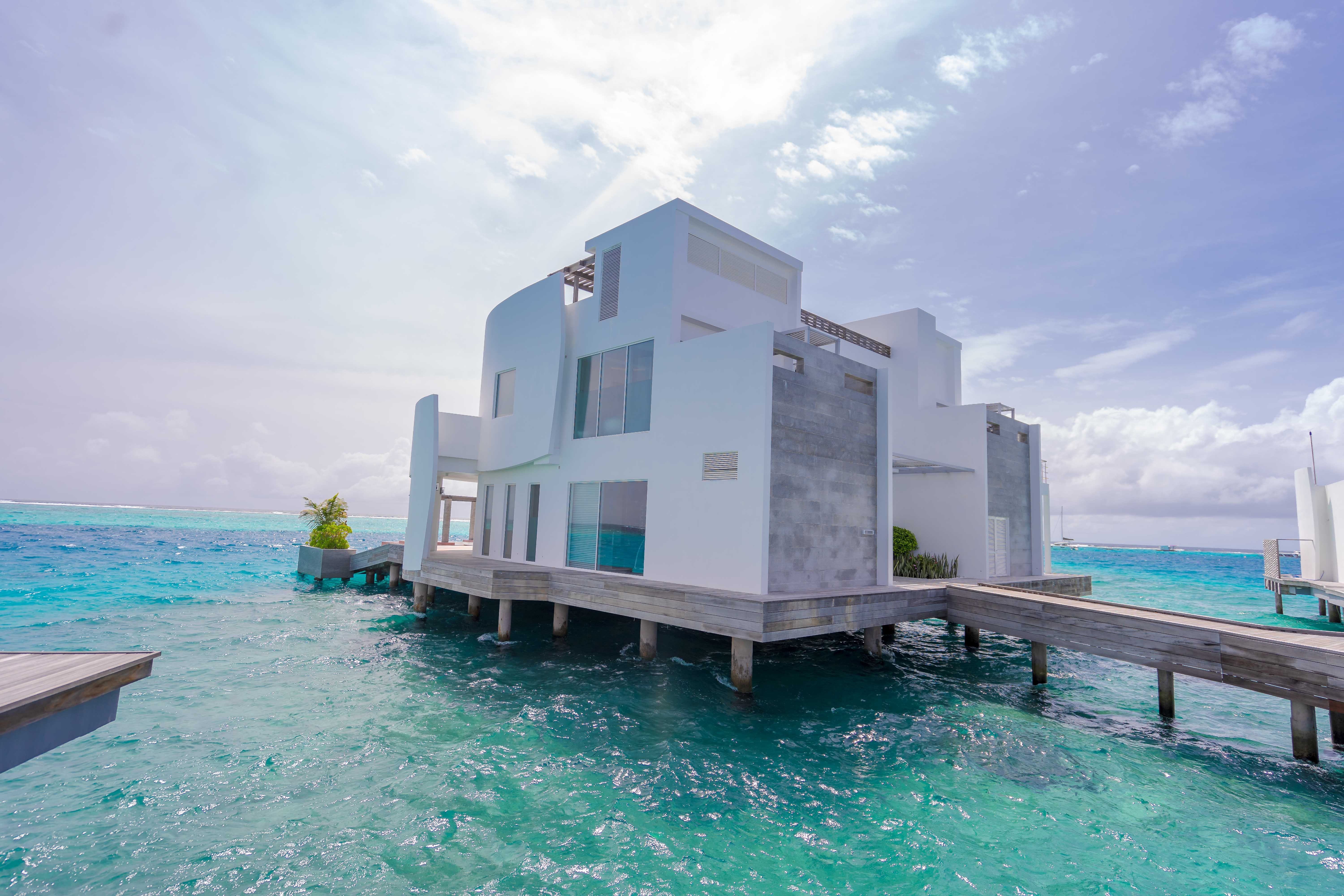
    Luxury resorts, remote locations and exclusive safari experiences contribute to the high travel costs.


    A list of the Top 15 Most Expensive Travel Destinations in 2026 is provided.

    Based on the average price of flights, accommodation, car rentals, meals and other daily expenses, the following 15 destinations represent the most expensive places to travel to in 2026.

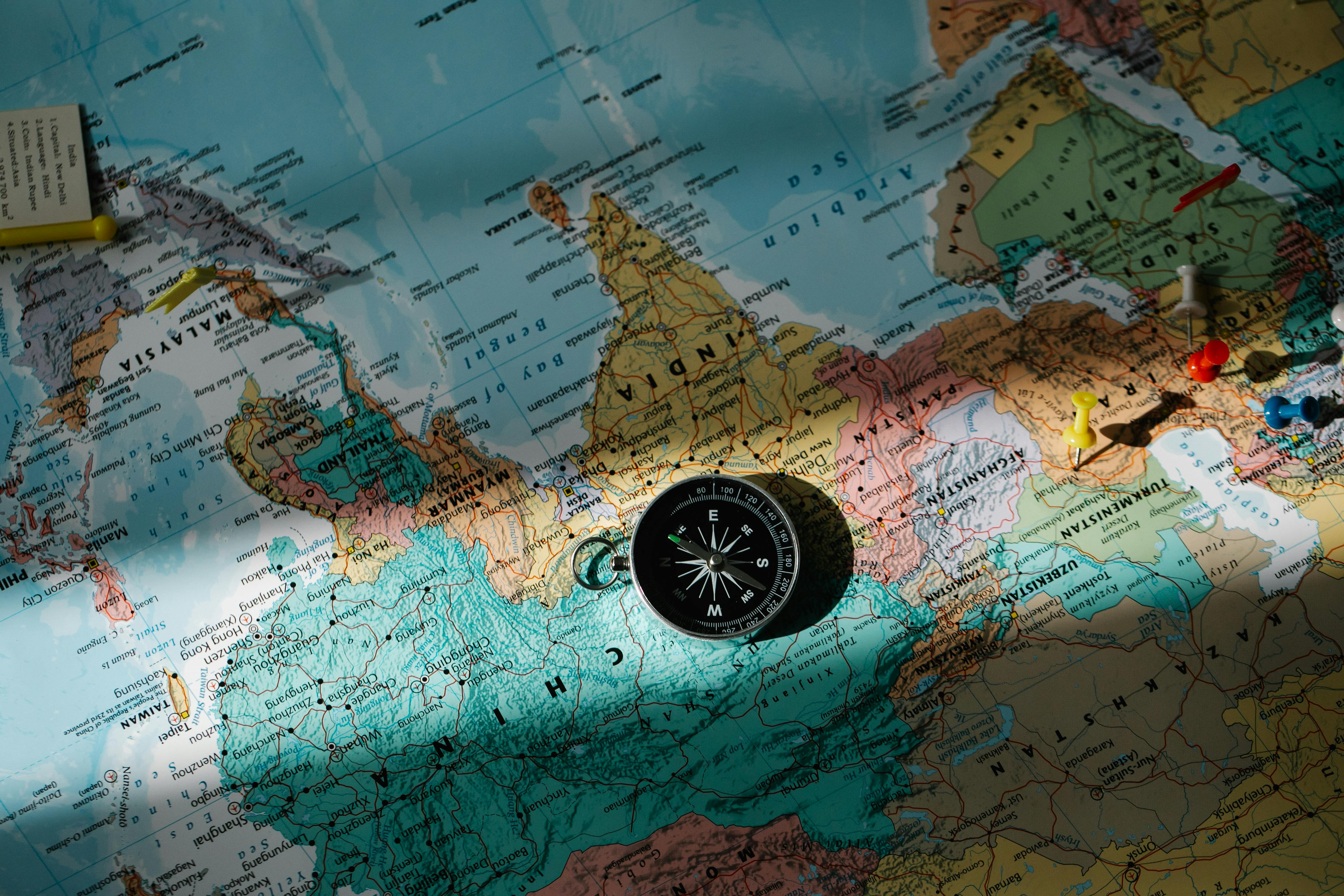
    World Map of Expensive Travel Destinations

    These destinations rank among the world’s most expensive places to visit in 2026.


    1. Greenland

    Average Daily Cost: $1,171

    Expensive as it is because of its remoteness, high-priced flight ($1,357) and car rental ($110 per day), the world’s most expensive car rental. Food and accommodation costs are also high here.


    2. British Virgin Islands

    Average Daily Cost: $925

    What makes it expensive: Among the Caribbean destinations, this one is known for being one of the most expensive hotel places, where the price per a weeknight room is $1,137. It is a preferred place for travelers who want luxury.


    3. French Polynesia

    Average Daily Cost: $756

    Expensive for the presence of two well-known luxurious places – Bora Bora and Tahiti, as well as the availability of the world-famous overwater bungalows.


    4. Antarctica

    Daily Average Cost: $1,511

    Why it is expensive: It is simple accommodation and the most expensive part is the journey to Antarctica, where the average price of the flights is $1,899 and the vast majority of flights are expedition cruises or guided polar tours, which are the most luxurious way to travel.


    5. Maldives

    Daily Average Cost: $1,072

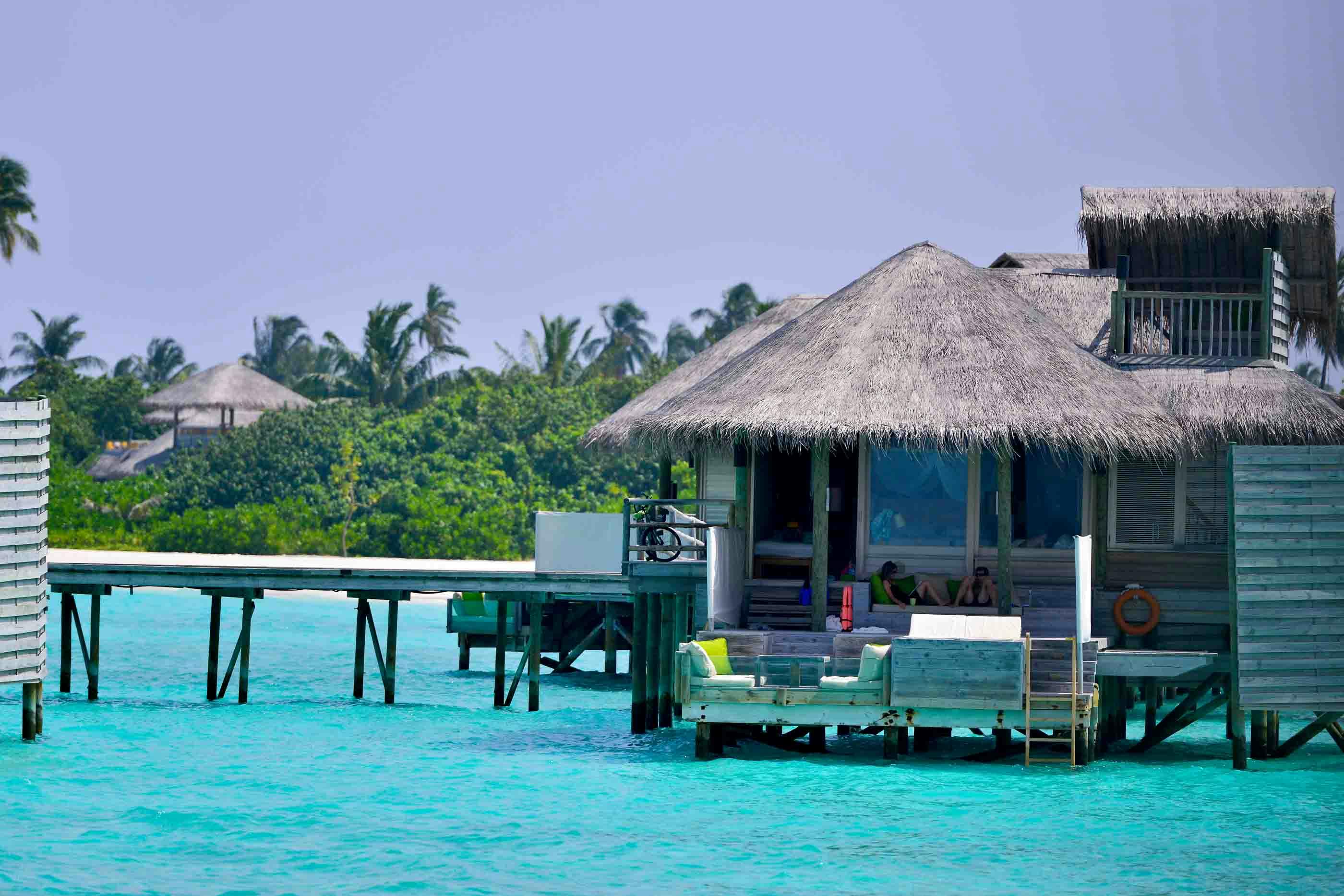
    Why it is expensive: In the Maldives there is nothing else besides the luxury. The price of an overwater villa exceeds $1,000 per day and the meals in underwater restaurants can cost you more than $300 per person.

    Luxury Maldives Overwater Villas

    The Maldives is famous for luxury overwater villas and premium travel experiences.


    6. Switzerland

    Daily Average Cost: $602

    Why it is expensive: It is still a place of luxury and the costs for accommodations, restaurants and transport services are high. Also the price is affected by Alpine resorts and luxurious experiences.


    7. Zimbabwe

    Daily Average Cost: $1,167

    Why it is expensive: It is an ideal safari country and provides unique wildlife tours and lodges, which makes it an expensive experience.


    8. Turks and Caicos Islands

    Average Daily Cost: $878

    Explanation of high cost: Turks and Caicos is one of the most popular destinations amongst rich people due to their privacy and exclusivity needs.


    9. Botswana, Anguilla, Saint Lucia (Tied)

    Average Daily Cost: Angola and Saint Lucia also cost more; however, an average cost of daily visit to Botswana is $1,526.

    • Botswana: Private safari lodges and safari experience.
    • Anguilla: Luxury resorts in the Caribbean islands.
    • Saint Lucia: Luxury small hotels and nature hotels.

    10. Namibia

    Average Daily Cost: $1,300+

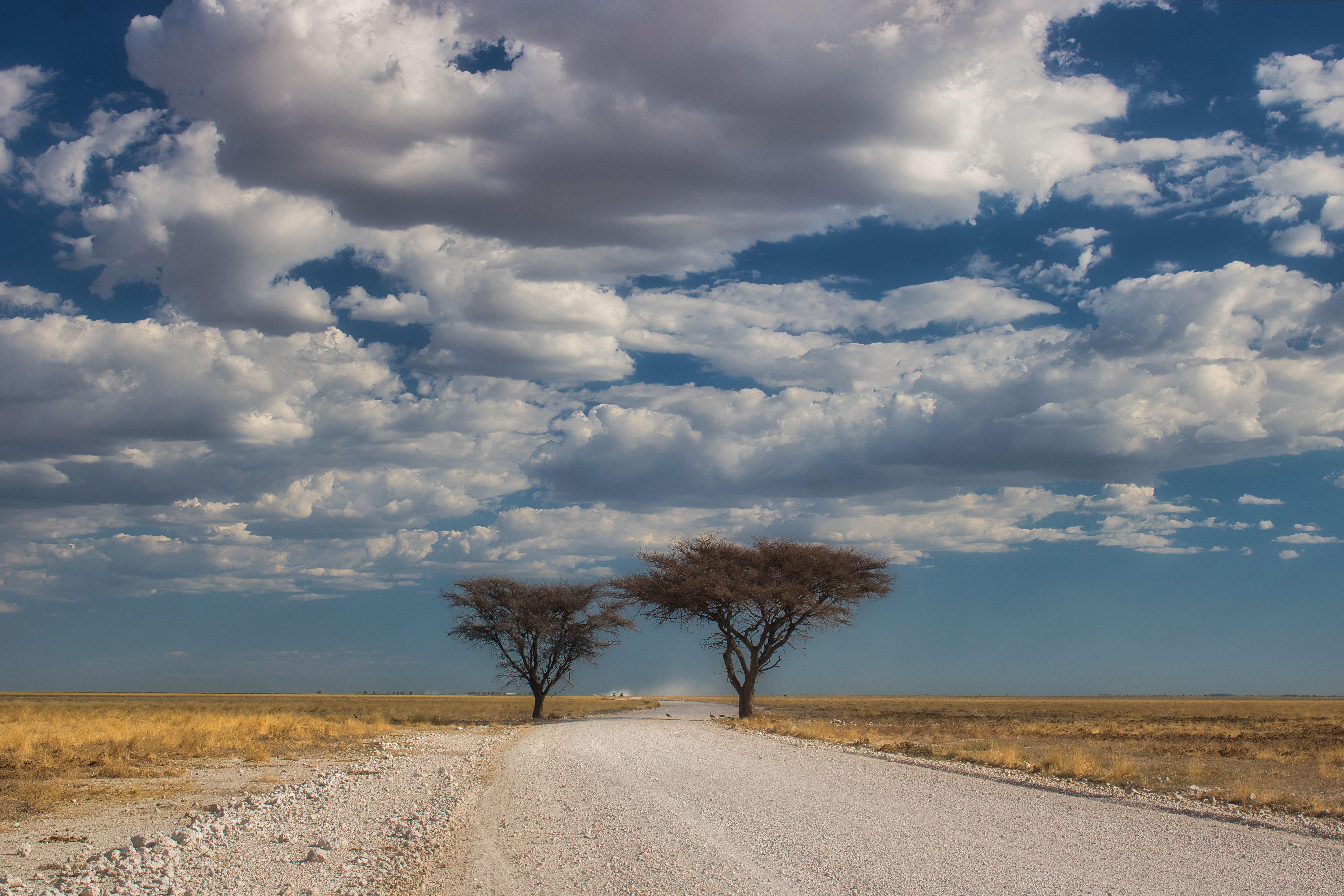
    Reason for such price: Namibia is one of the most exotic destinations for safari with exclusive lodges and guided safaris to wildlife.

    African Safari in Namibia or Botswana

    Luxury safari experiences in Southern Africa are among the most expensive travel adventures.


    11. Iceland

    Average Daily Cost: $1,100+

    Reason for such cost: Iceland is one of the most picturesque destinations with its eco-luxury hotels and high prices for transportation and food.


    12. Norway

    Average Daily Cost: €1000 + around.

    The reason for its high price: Norway has high prices for transportation, dining and high-end experiences. The dramatic landscapes, fjord cruises and luxury eco-lodges also contribute to the cost.


    13. Zambia

    Average Daily Cost: $1,000 or more

    Expensive because it is a good safari destination, Zambia has a number of exclusive lodges and guided wildlife tours. Expensive experiences and conservation fees make it cost more.


    14. South Africa

    Cost Per Day: Approximately $900-$1000 +

    Expensive: One of the best safaris in the world, South Africa has exclusive lodges, guided safaris and premium safaris in the Kruger National Park. The luxury resort facilities, the fine dining and the luxurious transportation also add to the costs.


    15. Canada (Northern Territories)

    Cost Per Day: Approximately $850-$950 +

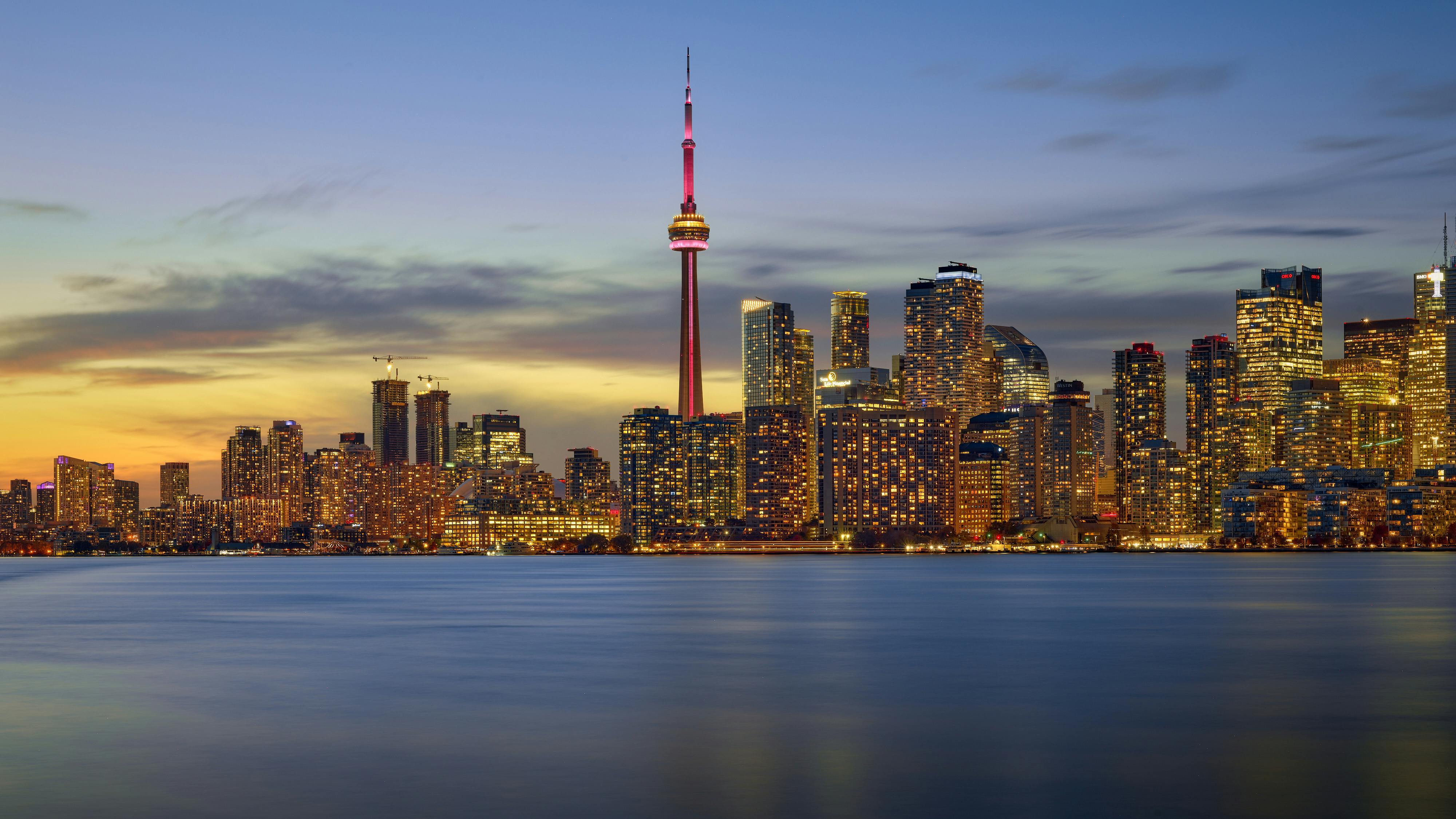
    Very Expensive: It is very expensive to visit Nunavut and Northwest territories because of high airfares, scarcity of accommodation facilities and the requirement of a guide. Wildlife viewing, ice adventure and cultural tour packages also prove to be expensive.

    Northern Canada Arctic Adventure

    Remote Arctic destinations in Canada offer unique experiences but come with high travel costs.


    The most expensive destinations by average cost

    According to the Squaremouth’s index, the top five most expensive destinations by average cost include:

    • Arctic: $4,765 per person (the city of departure is Fairbanks, Alaska)
    • Botswana: $24,411 per trip
    • Rwanda: $24,138 per trip

    Polar expeditions and luxury safaris rank among the world’s most expensive travel experiences.


    Most expensive destination by the cost per day is the Most Expensive.

    In terms of cost per day, the most expensive are:

    • Antarctica: $1,511 per day
    • Botswana: $1,526 per day
    • Rwanda: $1,609 per day
    • Zimbabwe: $1,167 per day

    Why do people still travel there?

    Even with the high price tags, people are ready to travel to such destinations. As per Squaremouth statistics, 43.5% of the US travelers are planning to spend more on their vacations this year and many are considering polar and expedition destinations, beach and island holidays and safaris.

    It is the exclusivity, the experience, and the chance of visiting unique and inaccessible places that give the value for many. From overwater bungalows in the Maldives to safaris in Botswana and expeditions in Antarctica, you will find all at these destinations.

    Luxury Expedition Travel

    Exclusive experiences continue to attract travelers despite the high costs.


    The implications for travellers.

    If you are considering traveling to such destinations, it is important that you plan your travel well and look out for package deals. There are package deals for most of the places which will help you save on airfare, hotel bookings and other activities.

    If you are willing to travel to some cheaper destinations, you may consider the following destinations instead of:

    • Vietnam over Thailand
    • Albania rather than Portugal
    • Croatia over France
    • Zanzibar over Maldives

    Budget-friendly destinations can provide amazing experiences while helping you save money.


    Conclusion

    The polar expedition, holiday on an island, and the luxury safari are some of the top 2026 expensive holiday destinations. They offer everything a traveler needs, either the luxury, privacy, or the unique experiences. However, note that the costs are high, and you need to plan well and budget effectively.

    Luxury Travel Destinations 2026

    Luxury travel offers unforgettable experiences, but careful planning and budgeting are essential.


    Frequently Asked Questions

    Which is the most expensive city in 2026?

    Greenland is the most expensive city at an average of $1,171 per day.

    Why is Antarctica expensive?

    Antarctica is expensive because of the cost associated with travel flights, expedition cruise ships and escorted tours.

    What are some of the most expensive of the islands?

    The British Virgin Islands, French Polynesia and Maldives are among the most expensive islands in the world.

    Which is the most expensive safari?

    Some of the most expensive safaris include Botswana, Rwanda, and Zimbabwe.

    Is there another place than those mentioned above that is less expensive?

    Yes. Consider Vietnam, Albania, Croatia and Zanzibar.

  • Europe Heat Wave Safety Tips, Transport Updates & Wildfire Risks

    Europe Heat Wave Safety Tips, Transport Updates & Wildfire Risks

    .heatwave-article{
    max-width:1000px;
    margin:40px auto;
    font-family:Arial,sans-serif;
    color:#444;
    line-height:1.9;
    }

    .heatwave-article h1{
    font-size:38px;
    color:#222;
    line-height:1.3;
    margin-bottom:25px;
    }

    .heatwave-article h2{
    font-size:28px;
    color:#222;
    margin:45px 0 18px;
    padding-left:15px;
    border-left:5px solid #e74c3c;
    }

    .heatwave-article p{
    font-size:17px;
    margin-bottom:18px;
    }

    .heatwave-article strong{
    color:#222;
    font-weight:700;
    }

    .heatwave-note{
    background:#fff8ef;
    border-left:5px solid #ff9800;
    padding:20px 25px;
    margin:30px 0;
    border-radius:12px;
    }

    @media(max-width:768px){

    .heatwave-article h1{
    font-size:30px;
    }

    .heatwave-article h2{
    font-size:24px;
    }

    .heatwave-article p{
    font-size:16px;
    }

    }

    Europe Heat Wave 2026: Travel Disruptions, Wildfire Risk and the continued importance of air conditioning.

    In 2026, Europe is experiencing a serious heat wave that is impacting more than just the summer. In multiple countries, passengers are receiving red heat warnings, disruptions to transportation and wildfire warnings.

    It’s not just a weather story. It’s a travel story, a public safety story, and a cautionary tale about the dangers of popular destinations when extreme heat hits all at once. The current wave is changing the way all tourists, residents and businesses move, plan and stay safe in Europe.

    What is happening across Europe?

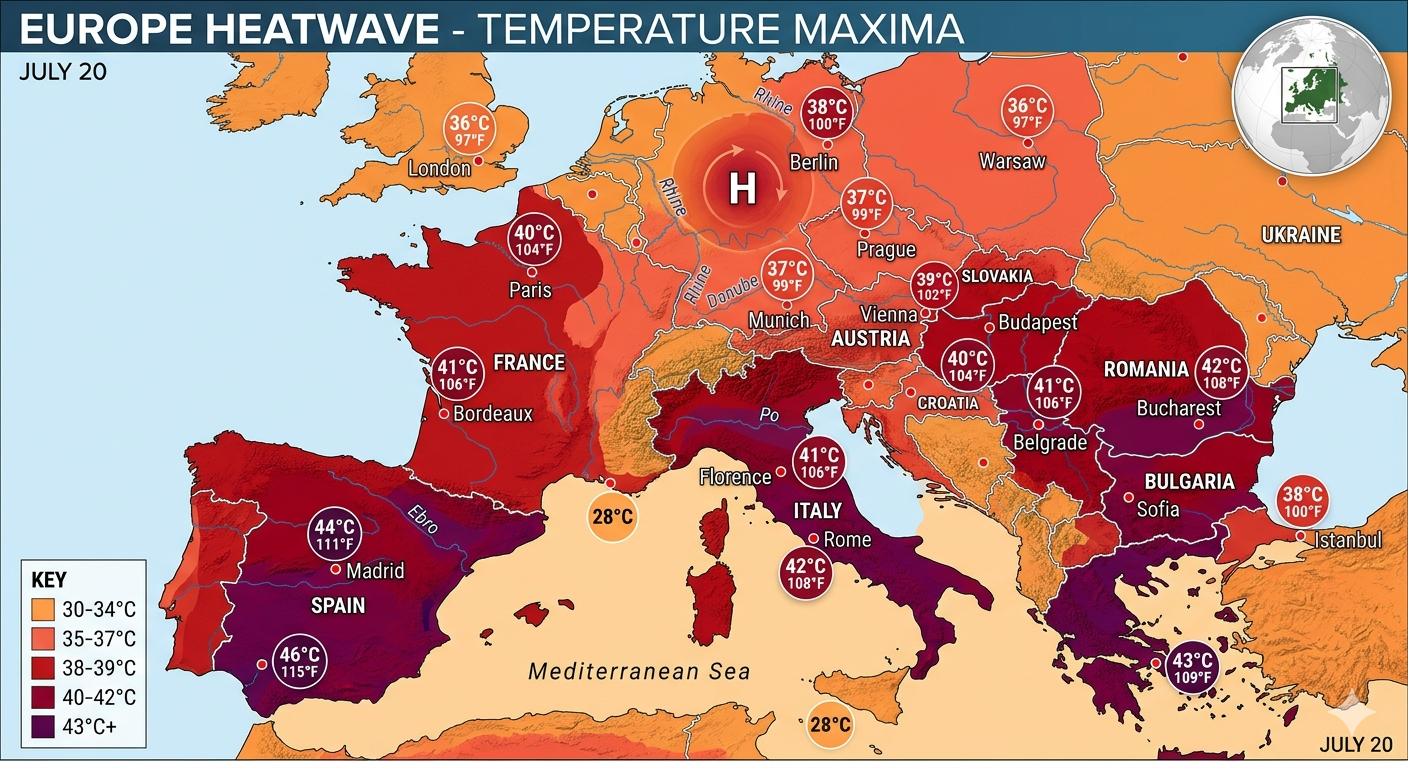
    The heat wave is becoming more severe in many parts of Europe, with some nations declaring red heat alerts and emergency warnings. High temperatures have been reported in France, Spain, Italy, Switzerland, Luxembourg and the UK, with other regions of the continent also feeling the heat as the hot weather continues.

    Temperatures have reached hazardous levels in some areas, posing health risks for older adults, children, workers outside and visitors who do not accustom themselves to the heat. Public officials have issued safety notices, activity restrictions and warnings to stay indoors during peak hours in many areas.

    The size of the event is important because it’s not just a one-city or one-country event. Rather, it’s impacting several travel routes at the same time, making it more difficult for visitors to reschedule trips or just find a cooler place to go.

    .temp-table{
    width:100%;
    border-collapse:collapse;
    margin:30px 0;
    font-family:Arial,sans-serif;
    overflow:hidden;
    border-radius:10px;
    box-shadow:0 4px 12px rgba(0,0,0,.1);
    }

    .temp-table th{
    background:#e74c3c;
    color:#fff;
    padding:14px;
    text-align:left;
    font-size:16px;
    }

    .temp-table td{
    padding:14px;
    border-bottom:1px solid #e5e5e5;
    font-size:15px;
    }

    .temp-table tr:nth-child(even){
    background:#f8f8f8;
    }

    .temp-table tr:hover{
    background:#fff4f2;
    }

    @media(max-width:768px){

    .temp-table{
    font-size:14px;
    }

    .temp-table th,
    .temp-table td{
    padding:10px;
    }

    }

    Country Peak Temperature (Approx.) Heat Alert
    France 🇫🇷 40–44°C (104–111°F) Red Alert
    Spain 🇪🇸 40–43°C (104–109°F) Red Alert
    Italy 🇮🇹 38–41°C (100–106°F) Red Alert
    Switzerland 🇨🇭 34–37°C (93–99°F) High Heat Alert
    Luxembourg 🇱🇺 35–40°C (95–104°F) Red Alert
    United Kingdom 🇬🇧 34–36°C (93–97°F) Amber/Red Alert

    Note: Temperatures are approximate peak values reported during the 2026 European heat wave and may vary by city and date.

    Travelers are feeling it first, because?

    Key Point: The 2026 European heat wave is affecting travel, transportation, public health and daily life across multiple countries at the same time.
    Europe Heat Wave 2026

    Europe is experiencing an intense heat wave in 2026, with high temperatures affecting travel across several countries.

    .article-image{
    max-width:900px;
    margin:35px auto;
    text-align:center;
    }

    .article-image img{
    width:100%;
    height:auto;
    display:block;
    border-radius:12px;
    box-shadow:0 6px 18px rgba(0,0,0,.15);
    }

    .image-caption{
    margin-top:10px;
    font-size:14px;
    color:#666;
    font-style:italic;
    }

    @media(max-width:768px){
    .image-caption{
    font-size:13px;
    }
    }

    Extreme heat is more noticeable to travellers than to the locals, as they are on a tight schedule with a lot of walking, sightseeing and transportation. Even a normal day of city exploring can be physically exhausting and dangerous when temperatures suddenly spike. This is particularly the case in places where outdoor activities are a significant component of the vacation.

    The heat has already impacted travel operations, with reports of delays, cancellations, and overall disruption in various areas. Transport services have been disrupted in some parts of western Europe and travellers have been advised not to travel unless it is necessary in some affected regions.

    This type of disruption can have a rapid impact on hotel arrivals, day trips, rail travel and flights.

    Wildfires Add Another Layer Of Risk

    The heat wave is not only making everyone uncomfortable, it’s also raising the likelihood of wildfires. As the heat and dryness build up, southeastern Europe is already experiencing wildfire outbreaks, according to Reuters.

    Travelers can be impacted by wildfires in a number of ways. They can make the air quality worse, block roads, delay trains, disrupt sightseeing tours and evacuate in certain regions. Smoke and emergency restrictions can impact an entire region even if it is not directly adjacent to the fire.

    That’s one of the reasons why extreme heat should not be taken lightly, even in the summer. When fire conditions arise, the effects can be swift and unpredictable.

    Why Europe is so vulnerable

    Many of the buildings in Europe do not have extensive air conditioning and this is one of the main reasons for this heat wave being so much talked about. CNN’s coverage highlights that Europe is not able to “air condition its way out” of the extreme heat, as AC is not as widely used in homes, apartments, and older buildings as it is in many other parts of the world.

    This poses a significant problem on a hot day. Individuals can spend the day outdoors and then move into buildings that are not well ventilated to cool down during the night. This can make hotels, rentals and transit hubs feel much hotter and less comfortable for visitors.

    The issue is not personal, it’s structural. Architecture, energy systems and the nature of the buildings in many locations were not developed to withstand multiple days of extreme heat. That’s not just a weather event, it’s a long-term climate and infrastructure problem that is being revealed.

    Public Health Concerns

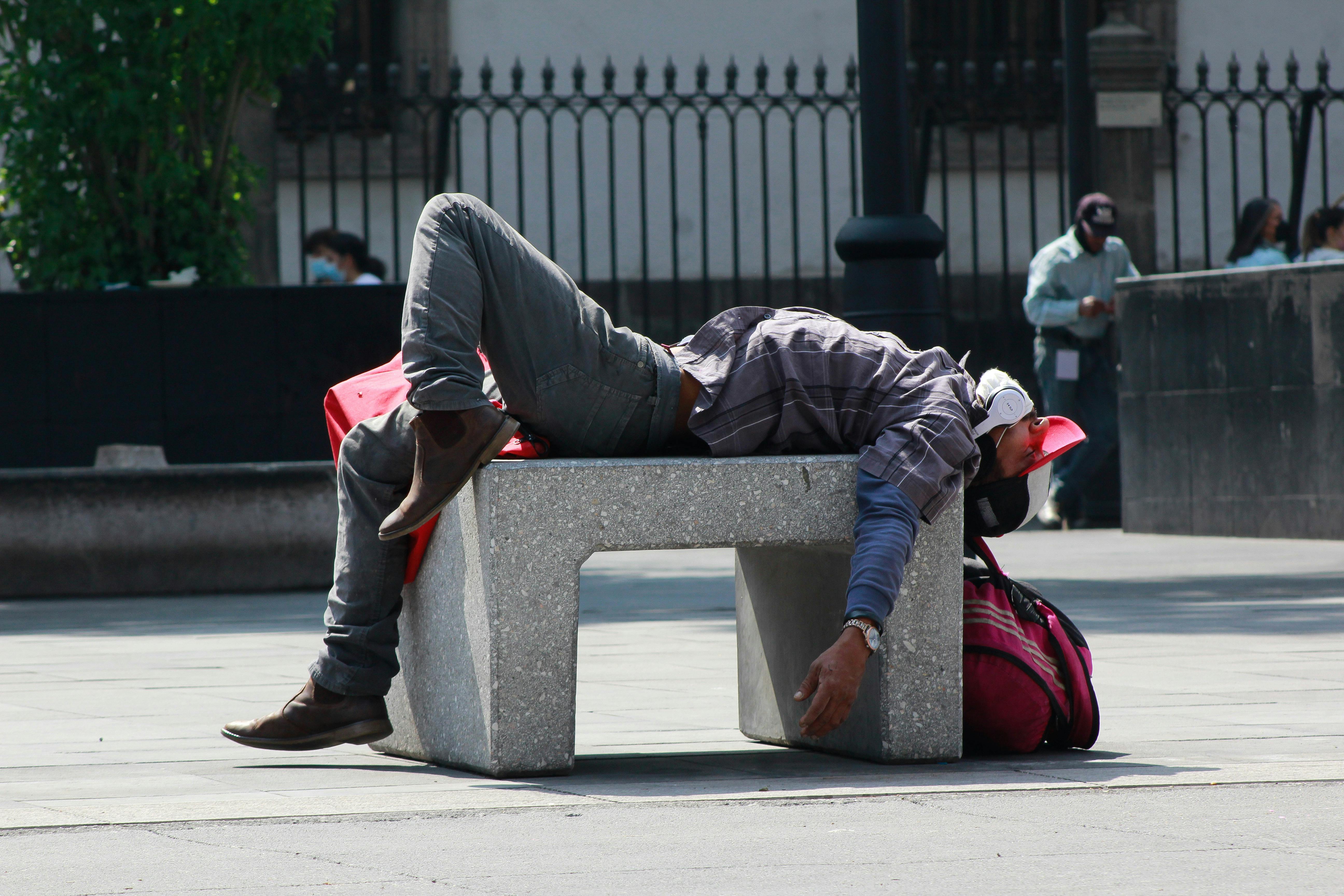
    The human body is stressed by heat waves, particularly if they are prolonged for several days. When temperatures remain high and people are exposed to the outdoors for extended periods, they are more likely to experience dehydration, heat exhaustion, dizziness and heatstroke. The risk can increase even faster for people who are walking a long distance or carrying luggage.

    The risk is frequently overlooked, since the summer season is often a time of leisure, sightseeing and outdoor eating. However, in a significant heat wave, these activities can be dangerous if people don’t take precautions to reduce their risk, such as taking frequent water breaks and avoiding the heat of the day.

    The basic and essential health messages during this time are: drink plenty of fluids, lie in the shade or cool places, and limit outdoor activities during the hottest hours. This is particularly important for individuals with breathing problems, heart disease, or poor air conditioning.

    How transport is being impacted

    One of the first places extreme heat is seen disrupting is the transport system in the highways. Extreme heat can impact rails, stations, and roadways. CNN reporting and regional coverage indicate that the delays and cancellations of travel are already a serious problem in certain areas of Europe.

    This could mean that for tourists, a quick and easy train ride may become a delayed or canceled train ride. It also means that the airport, bus and local transport services might be slower than usual, particularly during the hottest time of day.

    The bottom line is that you will need to be more flexible than usual when traveling. Even the best plans can be upended by a heat wave and a tight schedule may not hold up without some changes.

    What are the most vulnerable areas?

    The heat alerts have been sent to some of Europe’s most popular tourist destinations. As the heat wave rolled out, high-level or red warnings were issued in France, Spain, Italy, Switzerland, Luxembourg and the UK.

    That’s important because these destinations are among the most visited. These are popular summer travel, business and transportation hubs, and experience rush hour during the summer. Warnings can have a chain effect when they reach destinations such as these, affecting booking sites, rail lines, town centers and small businesses.

    Southeastern Europe is also facing significant pressures due to the threat of wildfire, a different but equally significant set of destinations. Parties passing through the Balkans or nearby areas might experience both heat, smoke and road conditions.

    The debate over air conditioning is a larger one.

    The use of air conditioning is often referred to as a comfort concern, but here it is also a public safety concern. If it’s very hot outside, and very warm inside, it’s harder for people to bounce back after being exposed to the heat. It is particularly important in hotel, apartment, rail and public buildings.

    CNN is helping to shed light on how Europe has not just cooled down, as many travelers may think. There is limited adoption of AC systems, particularly in older buildings, and many buildings are still dependent on ventilation, shutters, and design features that are effective in moderate climates but don’t perform well in extreme heat.

    This generates a disparity between climate reality and readiness for infrastructure. This mismatch will probably be one of the largest problems for tourism and urban living in Europe if heat waves are to increase in frequency or in intensity.

    What Travelers should do now:

    It is important that everyone travelling to Europe during this heat wave factor in safety and flexibility into their trips. This begins with checking weather and transport notifications for the local area before heading out every day.

    It also involves alterations in the way you move. If possible, plan walking tours, outdoor visits and long transfers for the morning or evening, rather than the hottest time of the day – the afternoon. Bring water, dress in light-colored clothing and find shelter inside whenever possible.

    When traveling in areas where fire is reported, follow local fire alerts and do not travel on routes that could be impacted by smoke or closures. When fires are close by, conditions may rapidly change even if your destination is still open.

    What does this mean for travel in the summer?

    This is a reminder of how summer traveling is changing in Europe. Climate risk, transport uncertainty, and the constraints on the use of older infrastructure are increasingly defining what was once an easy season of outdoor exploration.

    It does not mean travelers shouldn’t go to Europe at all, but it does mean it’s important to have realistic expectations. Even if the destination is beautiful, if the temperature is extreme and cooling is limited, the trip will need more planning and caution than before.

    This is also an indicator for the travel industry that the need for more effective cooling, safer travel schedules and climate-appropriate travel advice will keep growing. The years to come will be very different from what travelers have come to expect in the next few summers.

    .final-verdict{
    margin:50px 0;
    padding:30px;
    background:#fff8f5;
    border-left:6px solid #e74c3c;
    border-radius:12px;
    box-shadow:0 4px 15px rgba(0,0,0,.08);
    }

    .final-verdict h2{
    margin:0 0 18px;
    font-size:30px;
    color:#222;
    }

    .final-verdict p{
    font-size:17px;
    line-height:1.9;
    color:#444;
    margin-bottom:18px;
    }

    .final-verdict p:last-child{
    margin-bottom:0;
    }

    .final-verdict strong{
    color:#222;
    }

    @media(max-width:768px){

    .final-verdict{
    padding:22px;
    }

    .final-verdict h2{
    font-size:26px;
    }

    .final-verdict p{
    font-size:16px;
    }

    }

    Final Verdict

    The heat wave in Europe for 2026 is very real, broad and has already impacted travel, health and everyday life. The best way to deal with it is to plan carefully and be prepared for disruptions, with red heat warnings, wildfire outbreaks and limited air conditioning on much of the continent.

    The point for travelers is that you have to be flexible, drink plenty of water, and don’t expect a European vacation during the summer to be easy or routine. The extreme heat has been a major talking point to travel this year, and this year’s event has proven it.

    .heatwave-faq{
    margin:50px 0;
    padding:30px;
    background:#fafafa;
    border:1px solid #e5e5e5;
    border-radius:12px;
    }

    .heatwave-faq h2{
    margin:0 0 25px;
    font-size:30px;
    color:#222;
    text-align:center;
    }

    .faq-item{
    padding:20px 0;
    border-bottom:1px solid #ddd;
    }

    .faq-item:last-child{
    border-bottom:none;
    }

    .faq-item h3{
    margin:0 0 10px;
    font-size:20px;
    color:#222;
    line-height:1.5;
    }

    .faq-item p{
    margin:0;
    font-size:16px;
    line-height:1.8;
    color:#555;
    }

    @media(max-width:768px){

    .heatwave-faq{
    padding:20px;
    }

    .heatwave-faq h2{
    font-size:26px;
    }

    .faq-item h3{
    font-size:18px;
    }

    .faq-item p{
    font-size:15px;
    }

    }

    Frequently Asked Questions

    Is it still safe to travel to Europe during the heat wave?

    Yes, but only if you are alert, listen to local warnings, and modify your plans accordingly.

    What is causing the heat wave to disrupt?

    Its impact is occurring across a number of countries simultaneously, stressing local infrastructure, public health and transport systems throughout the summer.

    Why is it that Europe has more problems with extreme heat than others?

    The presence of air conditioning in many buildings and public space is limited.

    Do wildfires fall into the same category?

    Yes. Wildfire outbreaks are more likely to occur during hot and dry weather, particularly in southeastern Europe.

  • Favorite Destinations among the World’s Most Traveled People

    /* ===== Main Container ===== */
    .travel-article{
    max-width:1100px;
    margin:40px auto;
    padding:0 15px;
    font-family:Arial, sans-serif;
    color:#444;
    }

    /* ===== Hero Box ===== */
    .travel-intro{
    background:linear-gradient(135deg,#fff7f2,#ffffff);
    border-left:6px solid #ff6b35;
    padding:35px;
    border-radius:18px;
    box-shadow:0 5px 20px rgba(0,0,0,.08);
    margin-bottom:40px;
    }

    .travel-intro h1{
    margin:0 0 20px;
    font-size:38px;
    color:#222;
    line-height:1.3;
    }

    .travel-intro p{
    font-size:17px;
    line-height:1.9;
    color:#555;
    margin-bottom:18px;
    }

    /* ===== Content Sections ===== */

    .travel-section{
    background:#fff;
    padding:30px;
    margin-bottom:35px;
    border-radius:16px;
    box-shadow:0 5px 18px rgba(0,0,0,.08);
    }

    .travel-section h2{
    margin-top:0;
    color:#222;
    font-size:30px;
    border-left:5px solid #ff6b35;
    padding-left:14px;
    margin-bottom:20px;
    }

    .travel-section p{
    font-size:16px;
    color:#555;
    line-height:1.9;
    margin-bottom:18px;
    }

    /* ===== Lists ===== */

    .travel-list{
    display:grid;
    grid-template-columns:repeat(auto-fit,minmax(240px,1fr));
    gap:12px;
    list-style:none;
    padding:0;
    margin:25px 0;
    }

    .travel-list li{
    background:#f8f8f8;
    padding:14px 18px;
    border-radius:10px;
    font-weight:600;
    border-left:4px solid #ff6b35;
    }

    /* ===== Highlight Box ===== */

    .highlight-box{
    background:#fff7f2;
    border-left:5px solid #ff6b35;
    padding:20px;
    border-radius:12px;
    margin:25px 0;
    }

    /* ===== Ranking Table ===== */

    .rank-table{
    width:100%;
    border-collapse:collapse;
    margin:25px 0;
    }

    .rank-table th{
    background:#ff6b35;
    color:#fff;
    padding:14px;
    text-align:left;
    }

    .rank-table td{
    padding:14px;
    border-bottom:1px solid #eee;
    }

    .rank-table tr:nth-child(even){
    background:#fafafa;
    }

    /* ===== Final Verdict ===== */

    .final-thoughts{
    background:linear-gradient(135deg,#fff8f4,#ffffff);
    border-left:6px solid #ff6b35;
    padding:35px;
    border-radius:18px;
    box-shadow:0 5px 18px rgba(0,0,0,.08);
    }

    .final-thoughts h2{
    margin-top:0;
    font-size:32px;
    color:#222;
    }

    .final-thoughts p{
    font-size:17px;
    line-height:1.9;
    }

    /* ===== Responsive ===== */

    @media(max-width:768px){

    .travel-intro{
    padding:25px;
    }

    .travel-section{
    padding:22px;
    }

    .travel-intro h1{
    font-size:30px;
    }

    .travel-section h2,
    .final-thoughts h2{
    font-size:26px;
    }

    .travel-list{
    grid-template-columns:1fr;
    }

    .rank-table{
    display:block;
    overflow-x:auto;
    white-space:nowrap;
    }

    }

    The World’s Most Traveled People Reveal Their Favorite Destinations

    The world’s most experienced travelers have shared their favorite countries, cities, UNESCO World Heritage Sites, and foodie destinations. Their recommendations include both world-famous attractions and hidden gems that deserve more attention.

    With affordable air travel and remote working becoming more common, international travel is easier than ever. However, only a small group of explorers has visited every country in the world. Many belong to Most Traveled People (MTP), a travel community founded by Charles Veley in 2005 to help travelers track the places they have visited.

    What is Most Traveled People?

    Most Traveled People (MTP) allows members to track countries, capitals, UNESCO World Heritage Sites, restaurants, regions and many other destinations. Travelers who have visited every country can apply for the prestigious UN Grandmaster title.

    Applicants must complete a strict verification process by proving visits to 25 difficult countries including Syria, Kiribati and North Korea, along with another 25 randomly selected countries.

    Accepted Proof Includes:

    • Passport entry and exit stamps
    • Geotagged photographs
    • Alternative documentation for older trips
    • Airport layovers do not count as country visits

    To date, 122 travelers have officially earned the title of UN Grandmaster.

    Europe’s Favorite Destinations

    Following a recent gathering in Portugal, Euronews Travel asked these experienced travelers to reveal their favorite places in Europe.

    Rank Country
    1 Italy
    2 France
    3 Spain
    4 Portugal
    5 Greece

    Italy was also voted the world’s best country for food, while Naples ranked among the top foodie destinations. Rome finished fourth among Europe’s favorite cities and Florence ranked tenth.

    World traveler planning destinations

    Most Underrated Destinations

    • Albania
    • Romania
    • Bosnia & Herzegovina
    • Bulgaria
    • Montenegro
    • Ljubljana
    • Belgrade
    • Sarajevo

    Favorite Countries Around the World

    Although Japan remains one of the world’s favorite travel destinations, Iran surprisingly claimed the number one position. Travelers praised its rich history, architecture, hospitality and cultural heritage.

    Rank Country
    1 Iran
    2 Japan
    3 Italy
    4 China
    5 Brazil

    Iran’s Highlights

    • Persepolis
    • Historic Mosques of Isfahan
    • Persian Gardens
    • Silk Road Caravanserais
    • Persian Cuisine

    Iran was also selected as the world’s most underrated country, followed by Yemen, São Tomé and Príncipe, and Papua New Guinea.

    Outstanding UNESCO World Heritage Sites

    Travelers recommended both iconic landmarks and lesser-known UNESCO sites.

    • Angkor Wat
    • Petra
    • Great Wall of China
    • Rock-Hewn Churches of Lalibela
    • Nan Madol

    Unique Places Worth Visiting

    Some of the world’s most extraordinary natural attractions also received high praise.

    • Canaima National Park (Angel Falls), Venezuela
    • Salar de Uyuni, Bolivia
    • Antarctica

    Final Thoughts

    The experiences of travelers who have explored every country provide valuable inspiration for future adventures. While famous destinations like Italy and Japan remain popular, these seasoned explorers also encourage travelers to discover underrated countries, lesser-known UNESCO World Heritage Sites, and spectacular natural wonders that offer unforgettable experiences.