VIENNA— China Eastern Airlines (MU) has launched a new nonstop route linking Austria with northwest China, marking the first direct air connection between the two regions.
The service connects Vienna with Xi’an, a historic hub known for its cultural and economic significance.
The new route strengthens long-haul connectivity between Europe and inland China while expanding China Eastern’s growing international network.
It also provides Austrian travelers with more efficient access to central and western China without relying on transfers through major coastal gateways.

China Eastern Airlines Begins Vienna Flights
China Eastern operates three weekly flights on the Vienna–Xi’an route, scheduled on Mondays, Thursdays, and Saturdays.
The westbound service departs Vienna at 13:30 local time and lands in Xi’an at 05:50 the following day, ensuring a seamless overnight journey.
The return flight leaves Xi’an at 01:30 and arrives in Vienna at 06:10 local time. These timings are structured to support both business and leisure travelers, while also facilitating onward connections within China and across Asia.
The airline deploys a wide-body Airbus A330 on the route, configured with 18 business-class seats and 245 economy-class seats.
This configuration balances premium comfort with high passenger capacity, reflecting demand for both corporate and tourism travel.
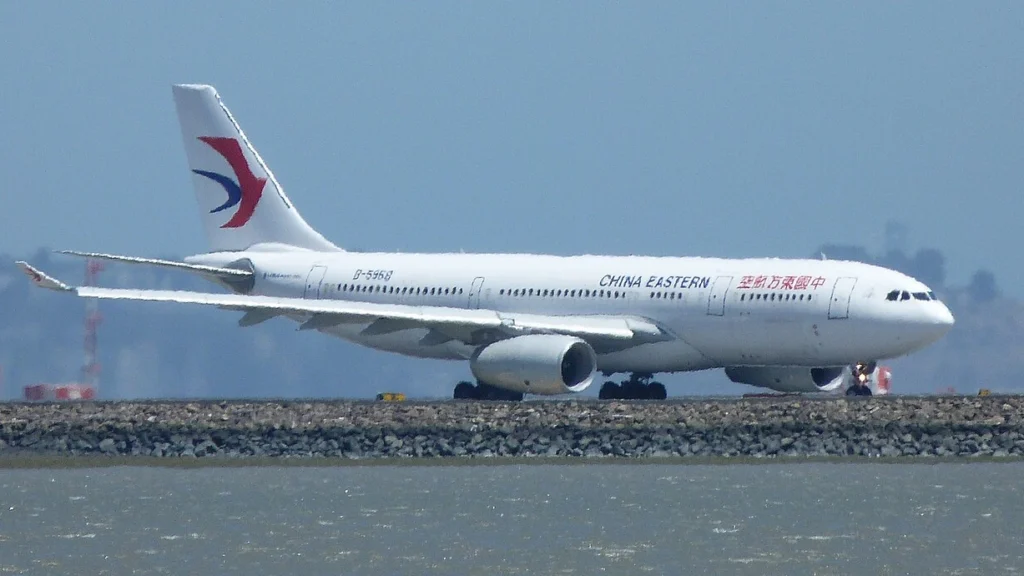
https://commons.wikimedia.org/wiki/File:Airbus_A330-200_(China_Eastern_Airlines)_(18803797538).jpg
China’s Network Expansion
The addition of Vienna further strengthens China Eastern’s European footprint, which already includes key cities such as London, Paris, Rome, Amsterdam, and Frankfurt.
This expansion highlights the airline’s strategy to deepen its presence in major European markets while improving access to secondary Chinese hubs.
Xi’an plays a central role in this strategy as a growing international gateway in northwest China. With the introduction of the Vienna route, the airline now operates 16 international services from Xi’an, connecting the city to 14 global destinations.
By positioning Xi’an as a transfer hub, China Eastern aims to distribute international traffic beyond traditional entry points like Shanghai and Beijing.
This approach supports regional development and enhances travel options for passengers seeking alternative routes into China.

Benefits for Travelers in China Eastern
The new service offers practical advantages for travelers on both sides of the route.
Austrian passengers can now access Shaanxi Province directly, a region famous for cultural landmarks such as the Terracotta Army, as well as a broader network of destinations within China.
China’s visa-free policy for Austrian passport holders further boosts demand, allowing stays of up to 30 days for tourism, business, or transit until the end of 2026. This policy simplifies entry procedures and encourages short-term visits.
For Chinese travelers, the route opens a direct gateway to Austria and the wider Schengen area, although they must obtain a visa before travel.
The connection is expected to support tourism, trade, and cultural exchange between the two regions.
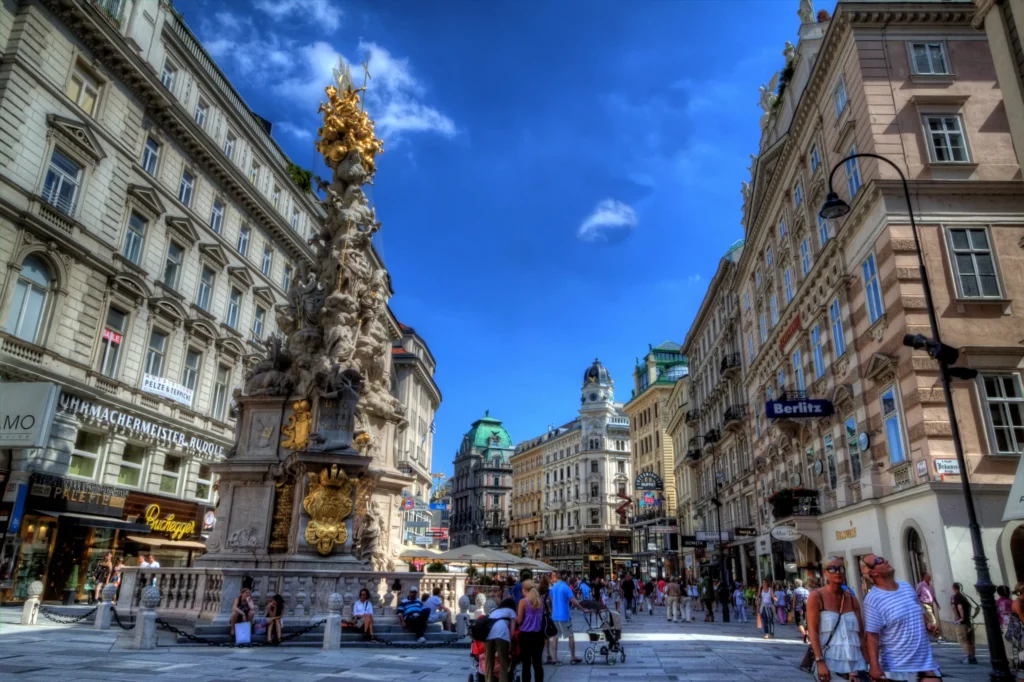
Vienna Travel Guide
Vienna, the capital of Austria, offers travelers an unhurried European experience filled with imperial palaces, world-class museums, and a legendary café culture.
Visitors flying into Vienna International Airport (VIE) can reach the city center within 25 minutes by ÖBB Railjet or S7 Express train, making the Austrian capital one of Europe’s most accessible destinations.
Unlike over-touristed capitals such as Paris or Rome, Vienna draws fewer crowds while delivering equally rich cultural experiences. With more than 100 museums, iconic Christmas markets in winter, and a public transit system that ranks among Europe’s best, the city consistently earns top positions in global livability rankings.
Why Vienna Deserves a Spot on Every Travel Bucket List
Vienna stands apart from other European capitals through its unique blend of imperial history and modern livability. The city traces its roots to the Roman outpost of Vindobona and flourished under the Habsburg dynasty, which shaped much of Central Europe. That imperial legacy remains visible today in grand palaces, sprawling parks, and intricate Baroque architecture.
The 20th century brought significant upheaval to the city, including annexation by Nazi Germany and a four-power occupation after World War II. Austria regained full sovereignty on May 15, 1955, with the signing of the Austrian State Treaty at Belvedere Palace. Today, Vienna serves as a thriving modern capital with a population exceeding two million residents, known for its diverse neighborhoods and exceptional quality of life.
For travelers, the city’s appeal lies in its walkability and relaxed pace. Visitors can spend a morning exploring Klimt’s masterworks at Belvedere Palace, grab a käsekrainer from a street stand at lunch, and settle into a coffeehouse with Sachertorte by afternoon. The city invites slowing down rather than rushing through a checklist.
Top Attractions and Landmarks in Vienna
Belvedere Palace (Schloss Belvedere)
The Baroque Upper Belvedere houses an impressive collection of Austrian art, including Gustav Klimt’s iconic painting The Kiss alongside more than twenty other works by the Viennese master. The museum covers art from the Middle Ages to contemporary works and remains manageable within a single morning visit. Tickets are available online at a discount or at the on-site ticket office, and all entries require a reserved time slot.
Address: Prinz-Eugen-Straße 27, 1030 Wien
Viennese Giant Ferris Wheel (Wiener Riesenrad)
This landmark in the Prater district has graced Vienna’s skyline since 1897, originally built to celebrate Emperor Franz Josef I’s Golden Jubilee. A single rotation lasts approximately 15 minutes. Timing a visit for sunset allows riders to watch the city transition from golden hour light to its illuminated nighttime state. Private carriages are available for dinner or brunch experiences.
Address: Gaudeegasse 1, 1020 Wien
Vienna State Opera (Wiener Staatsoper)
The Wiener Staatsoper ranks among the busiest and most prestigious opera houses globally. Standing room tickets, available for purchase at 10 a.m. on the day of each performance, cost as little as €15 per person. The venue has no official dress code, though many patrons wear evening attire. Even travelers who leave a performance early will find the ornate interior architecture worth the price of admission alone.
Address: Opernring 2, 1010 Wien
St. Stephen’s Cathedral (Domkirche St. Stephan)
Dating back to 1137, St. Stephen’s Cathedral offers one of Vienna’s best panoramic views from the top of its South Tower. The climb involves 343 stairs with only one landing for rest, and the narrow spiral staircase serves as both the ascent and descent route. Early morning visits help avoid congestion. The entry fee is payable only in cash.
Address: Stephansplatz 3, 1010 Wien
Kunsthistorisches Museum Wien
Austria’s largest museum houses an art collection largely amassed by the Habsburgs. Key works include Pieter Bruegel the Elder’s Tower of Babel, Peter Paul Rubens’ Self-Portrait, and Johannes Vermeer’s The Art of Painting. A ticket machine inside the main entrance helps visitors skip the long queues at staffed counters.
Address: Maria-Theresien-Platz, 1010 Wien
Schönbrunn Palace (Schloss Schönbrunn)
The palace grounds alone merit a visit, featuring expansive gardens and the Gloriette triumphal arch with its viewing platform and café (accessible in warmer months). Travelers short on time can opt for the Grand Tour, which covers most of the palace interior in approximately one hour. During winter, a Christmas market operates on the palace grounds.
Address: Schönbrunner Schloßstraße 47, 1130 Wien
Where To Eat in Vienna: Restaurants and Food Spots
Klasse Hasse – Würstelstand
This brightly lit sausage stand serves käsekrainer, Vienna’s signature cheese-filled sausage, in a bun or sliced with pickles. Options include spicy and plain varieties. The stand is cash only.
Address: Lerchenfelder Str. 103, 1070 Wien
Vollpension
A generational café where senior citizens (Omas and Opas) prepare and serve local dishes and homemade cakes in a cozy, living room-style setting. Breakfast options include beer and sparkling wine. Baking classes for apfelstrudel are available with advance booking.
Locations: Multiple across Vienna
Skopik & Lohn
This restaurant serves modern interpretations of traditional Austrian dishes. The Wiener Schnitzel arrives dramatically puffed up, paired with cranberry jam and potato salad. Sharing plates are encouraged, and the beef tartare and Öfferl sourdough make strong starters. Reservations are essential.
Address: Leopoldsgasse 17, 1020 Wien
Buffet Trzesniewski
Operating for over a century, this counter-service spot offers 25 varieties of petite open-faced sandwiches at €1.70 each. The ordering process involves pointing at selections in the display case. Reviewing options on the restaurant’s website beforehand helps streamline the decision-making.
Locations: Multiple across Vienna
Wolke
A Neapolitan pizza spot with a strong vegan menu. A single pizza serves two people comfortably. The restaurant is cash only.
Locations: Multiple across Vienna
SIXTA
Located in the Margareten district, SIXTA serves traditional Austrian dishes including goulash and crown of lamb. The restaurant maintains a largely local wine selection. The pace of service is notably fast.
Address: Schönbrunner Str. 21, 1050 Wien
Vienna’s Best Coffeehouses and Cafés
Vienna’s café culture holds UNESCO Intangible Cultural Heritage status, and the city delivers options ranging from specialty roasters to traditional coffeehouses.
Coffee & Friends operates near City Hall and Belvedere Palace, offering quick and friendly service for travelers on the move. Jonas Reindl Coffee Roasters runs a small-batch roastery behind its café locations, producing carefully crafted specialty coffee since 2014. Baristas United Coffee Shop serves the Landstraße neighborhood and offers coffee workshops for visitors who want to recreate drinks at home.
konzept : greissler combines a neighborhood coffee shop with a storefront selling local food products and unique gifts. Alt Wien caters to enthusiasts with pour-over specials and more than forty varieties of beans available for purchase.
Bakeries and Sweet Treats Worth Seeking Out
Öfferl appears on menus across Vienna, with multiple outposts serving organic sourdough bread and pastries. The pistachio croissant is a standout. Café Konditorei Ingrid Bürger offers Sachertorte that stays perfectly moist, paired best with an einspänner (espresso with whipped cream), in a charming off-the-beaten-path location at Servitengasse 12.
Kaiser’s – Kaiser’schmarrn specializes exclusively in kaiserschmarrn, a sweetened sautéed pancake served with powdered sugar, jam, or ice cream. Café “das Goldstück” is a woman-owned café with a heavily vegan menu and an overflowing pastry case, located at Marxergasse 9.
Bars and Nightlife in Vienna
Traditional Viennese pubs carry the names Beisl or Gasthaus and serve generous pours alongside comfort food. Gasthaus zum Holunderstrauch (Schreyvogelgasse 3) operates on weekdays and is cash only. Schlupfwinkel Abendbeisl (Kleine Neugasse 10) delivers a classic hole-in-the-wall neighborhood pub atmosphere.
For cocktails, Olinda Bar (Schönbrunner Str. 23) in the 5th District serves creative drinks alongside zero-proof options. Katscheli (Karmelitergasse 7) functions as a café by day and bar by night, with a solid spritz menu. Katscheli is cash only.
Unique Shopping Spots in Vienna
Weinskandal (Ungargasse 28) stocks Austrian wines in a tucked-away alley location with knowledgeable staff. WE BANDITS (Lindengasse 20) curates sustainably and ethically made fashion alongside secondhand pieces. KITSCH BITCH operates two locations a block apart, selling bold accessories and Vienna-themed souvenirs including the local “Bussi Baba” (kisses and bye-bye) merchandise.
Loden-Plankl (Michaelerplatz 6) is Vienna’s oldest loden specialist, selling traditional and contemporary garments made from felted, fulled wool that is waterproof and built to last. WIER IM HOF (Neubaugasse 27/15) blends streetwear, accessories, and locally produced drinks in a welcoming concept store environment.
Where To Stay: magdas HOTEL
magdas HOTEL (Ungargasse 38, 1030 Wien) was Austria’s first Social Business Hotel. The property provides refugees with employment and hospitality training while offering guests a sustainable accommodation option. Rooms feature modest design with unique, handcrafted furnishings. The Landstraße neighborhood location offers easy access to public transit, local restaurants, and essential amenities.
Practical Travel Tips for Visiting Vienna
Getting From the Airport to the City
Travelers arriving at Vienna International Airport (VIE) should skip the heavily advertised City Airport Train (CAT) and take the ÖBB Railjet or S7 Express train instead. The saving exceeds €10 per person with only about five extra minutes of travel time. Passengers holding a multi-day transit pass need only purchase the €2.10 add-on ticket (€1.10 for children). Without a pass, standard fares run €4.50 for adults and €2.30 for children.
Public Transit
Vienna’s Metro, trams, and buses cover every major attraction, placing most destinations within 30 minutes of travel. The WienMobil app allows travelers to purchase and activate multi-day passes digitally, eliminating the need for paper tickets. Google Maps provides reliable navigation, though delays and line closures may require route recalculation.
Currency and Payments
Austria uses the Euro. Several smaller restaurants and pubs operate on a cash-only basis, so carrying some cash remains necessary. Apple Pay and Google Pay work widely and often more reliably than physical chip cards at payment terminals. Visa and Mastercard enjoy broad acceptance, while American Express and Discover see limited use. Withdrawing cash from bank-operated ATMs (Raiffeisenbank, Bank Austria) provides better exchange rates and fraud protection.
Tipping
Tipping is expected when dining out. Locals typically tip between 5% and 15%, with 10% or rounding up to an even number being most common. Diners tell the server the desired total before handing over payment rather than leaving cash on the table.
Language
German is the official language, though Austrian German differs noticeably from textbook German. English is widely spoken across the city. Useful phrases include “Grüß Gott” (hello/greeting), “bitte” (please), “danke” (thank you), and “entschuldigung” (excuse me). Greeting staff when entering a shop is considered good etiquette.
Food and Dietary Needs
Traditional Viennese cuisine centers on hearty meat and carb combinations. Must-try dishes include käsekrainer, Wiener Schnitzel, tafelspitz, apfelstrudel, spaetzle, and kaiserschmarrn. Vienna stands out as one of Europe’s most vegan- and allergen-friendly cities, with dedicated vegan restaurants and allergen codes marked on most menus.
Key coffee orders include melange (similar to a cappuccino), kleiner/großer Schwarzer (single/double espresso), and einspänner (espresso with whipped cream).
Safety
Vienna ranks consistently high in global safety indexes. Standard urban awareness applies, including agreeing on prices before purchases and buying event tickets only from reputable vendors.
Stay tuned with us. Further, follow us on social media for the latest updates.
Join us on Telegram Group for the Latest Aviation Updates. Subsequently, follow us on Google News


