Published on
December 20, 2025
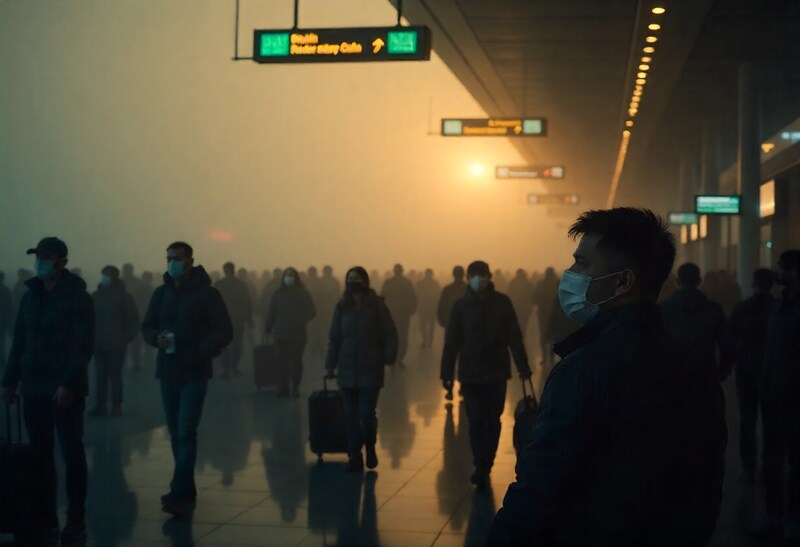
Delhi has plunged into severe travel turmoil as over one hundred seventy flights are cancelled and seven hundred delayed, primarily due to a toxic blend of hazardous air quality and dense fog. These extreme weather conditions have caused near-zero visibility at the city’s airport, leading to widespread cancellations and delays, and making travel almost impossible. With the air quality reaching “severe” levels and fog continuing to disrupt flight operations, the capital’s transportation systems are in crisis, stranding passengers and creating a nightmare for travelers.
Delhi is currently enduring some of its most challenging weather conditions this year, with a deadly combination of dense fog and severe air pollution impacting daily life. The situation has led to widespread disruptions, particularly in aviation, as the capital grapples with a “severe” air quality status and near-zero visibility.
The India Meteorological Department (IMD) issued an “orange alert” on Saturday, December 20, indicating hazardous conditions across the city. This alert followed the Air Quality Index (AQI) entering the “severe” category, with readings exceeding 400. Areas such as Vivek Vihar and Anand Vihar recorded pollution levels as high as 434 and 430 respectively, prompting concerns about public health and safety.
Flight Cancellations and Delays
One of the most heavily affected sectors has been aviation. The dense fog, which reduced visibility to near zero in several key areas, triggered what can only be described as a chaotic day at Indira Gandhi International (IGI) Airport. Flight operations have been severely impacted, with over one hundred seventy flights cancelled—88 outgoing and 89 incoming. The cancellations were primarily due to the Low Visibility Procedures (LVP) being implemented at the airport, which restricts take-offs and landings under such extreme weather conditions.
In addition to the cancellations, over seven hundred flights have been delayed, further compounding the chaos. Passengers faced long waiting times, with delays stretching up to 49 minutes for outgoing flights. As the fog persisted throughout the day, additional delays and cancellations were anticipated, particularly with airlines such as IndiGo and Air India Express, who are adjusting their schedules in response to the ongoing weather disruptions.
Air Quality Reaches Dangerous Levels
Alongside the aviation chaos, Delhi’s air quality has reached alarming levels. The AQI, which had been hovering in the “very poor” category for most of the week, broke the 400 barrier on Saturday, plunging into the “severe” category. This marked the city’s worst air quality of the year so far.
This sharp rise in pollution levels has been attributed to a combination of factors, including stagnant wind conditions, which have failed to disperse the toxic smog enveloping the city. With limited movement in the atmosphere, the pollutants have remained trapped, leading to dangerously high levels of particulate matter in the air. As a result, the situation is expected to worsen in the coming days, with air quality forecasted to remain in the “severe” range throughout Sunday and Monday.
Health and Safety Concerns
The impact of these hazardous air conditions is being felt across all sectors of society, with public health being a primary concern. The elderly, children, and those with pre-existing respiratory conditions are particularly vulnerable to the high levels of pollutants in the air. Many residents have been advised to stay indoors, and schools in some areas have been closed to minimize exposure.
Authorities have also issued warnings regarding outdoor activities, with citizens being urged to limit time spent outside and to wear protective masks. Despite efforts by the government to curb pollution, Delhi continues to face challenges related to its deteriorating air quality. The toxic smog is not only a health risk but is also contributing to the ongoing disruption of everyday activities, including travel.
Looking Ahead: The Future of Air Quality in Delhi
The air quality in Delhi remains a pressing issue that requires long-term solutions. While immediate measures, such as restrictions on vehicle emissions and industrial activity, are being implemented, the city’s reliance on construction and agriculture—both of which are significant contributors to particulate matter—makes it difficult to rapidly address the underlying causes of pollution.
Looking forward, the city needs comprehensive strategies that integrate green technologies, enhanced air quality monitoring, and better urban planning to tackle the root causes of pollution. Air pollution in Delhi is not a new issue, but the severity of the current conditions has once again underscored the urgent need for sustained action to safeguard public health and restore normalcy to the city’s transportation networks.
Delhi is in travel chaos as over one hundred seventy flights are cancelled and seven hundred delayed due to toxic air quality and dense fog, making travel almost impossible. The severe weather conditions, including hazardous air and near-zero visibility, have crippled the city’s aviation system.
As the fog continues to blanket Delhi and pollution levels remain dangerously high, residents and travelers alike are advised to stay informed about air quality levels and flight status updates. With aviation operations under strain and the air quality showing little sign of improvement, it’s clear that the coming days will be challenging for all in the capital.