ATLANTA- Delta Air Lines (DL) cut 6 long-haul routes from March 2025 to January 2026 while recording its best long-haul year yet.
The carrier transported 16.1 million long-haul passengers in 2025, according to the US Department of Transportation. This result beat the 2024 record by 5 percent and gave Delta nearly one in seven of all US long-haul passengers.
Airline networks never stay the same. Delta Air Lines plans several new long-haul routes in 2026, including the unusual addition of Atlanta (ATL) to Riyadh. At the same time, the airline removed six underperforming or temporary long-haul services to sharpen network efficiency.
Reported by Simple Flying using OAG data, these moves show how carriers balance expansion with profitability.
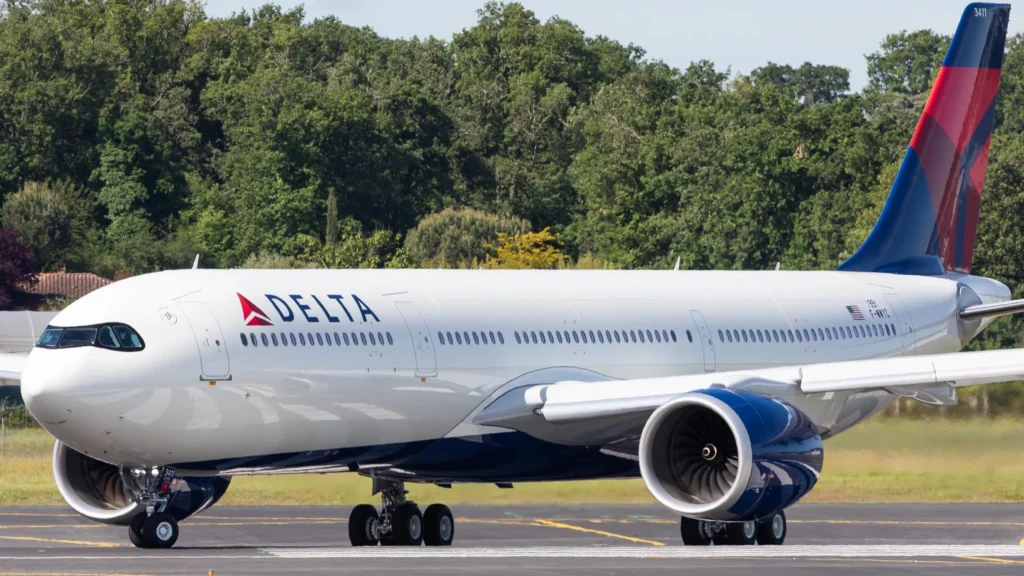
Delta Air Lines Network Adjustments
Delta Air Lines (DL) runs one of the largest long-haul networks in the world. Analysis of OAG schedules from January 2025 shows six long-haul routes ended permanently.
This count excludes one-off flights, other time-limited links, and postponements. One route from Boston (BOS) to Tel Aviv remains temporarily suspended due to the regional conflict, with no confirmed return date.

Routes Ended in March 2025
Delta Air Lines (DL) stopped flying Orlando (MCO) to London Heathrow (LHR) in March 2025. The service began in October 2024 as a supplement to its transatlantic joint venture with Virgin Atlantic.
Delta operated the route mainly four times weekly on the Airbus A330-900 with departures from Orlando around or after midnight.
This highly unusual schedule for a US carrier produced a 63.4 percent load factor overall and only 60.1 percent in the first three months of 2025.
Flights between Boston (BOS) and São Paulo Guarulhos (GRU) also ended in March 2025. Delta introduced the route in January as a short-term replacement for joint venture partner LATAM, in which it holds a stake.
Delta was never designed to serve this route for long. The final flight departed on March 27 using the A330-300 three times weekly and carried 15,378 passengers at an 80.4 percent load factor. LATAM resumed service on March 31.
In the same January to March period of 2024, LATAM carried 20,060 passengers at 86.7 percent load factor using higher-capacity aircraft.
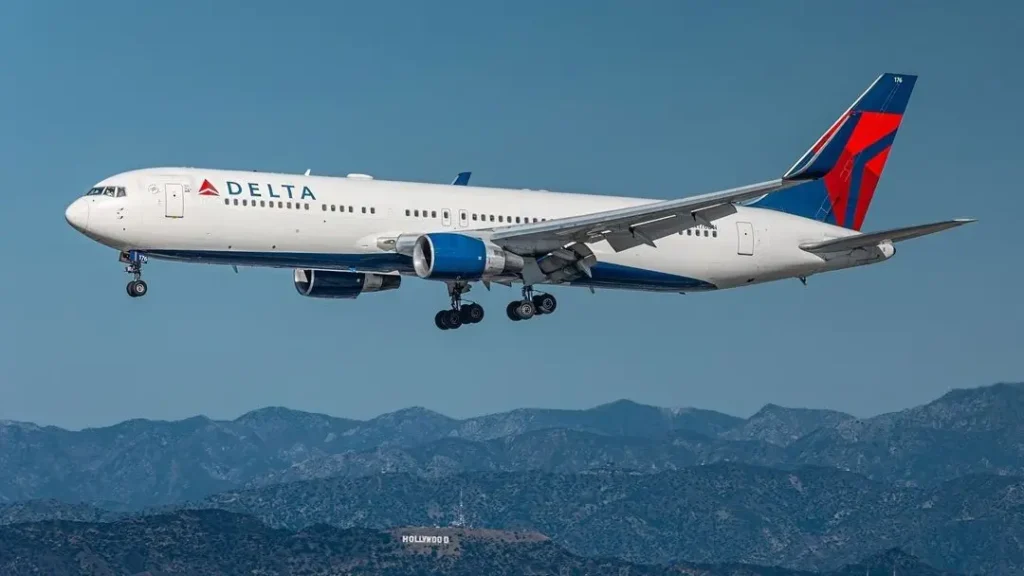
Routes Ended from June to October 2025
In June 2025, Delta Air Lines (DL) ceased operations on Los Angeles (LAX) to Papeete (PPT). The 3,558-nautical-mile seasonal route has been operated since December 2022 with three weekly flights on the Boeing 767-300ER.
Delta targeted outbound tourist traffic but competed with Air France (AF), a joint venture partner whose flights begin and end in Paris Charles de Gaulle (CDG), and Air Tahiti Nui.
United and French Bee serve the market from San Francisco with French Bee flights linking to Paris Orly.
Delta achieved a 67.4 percent load factor while carrying 58,454 passengers. About four in ten passengers connected onward within the United States. United from San Francisco posted a 61.4 percent load factor in 2024 and improved only to 72.2 percent in 2025 despite its large domestic network.
Delta Air Lines (DL) ended New York JFK to London Gatwick (LGW) flights in September 2025. The airline thus exited the UK’s second-busiest airport again.
JetBlue (B6) and British Airways (BA) also stopped serving the pair as all three carriers consolidated services around London Heathrow (LHR).
In October 2025, the final New York JFK to Geneva (GVA) flight departed. Delta had resumed service to the Swiss city in 2023 after a multi-decade absence.
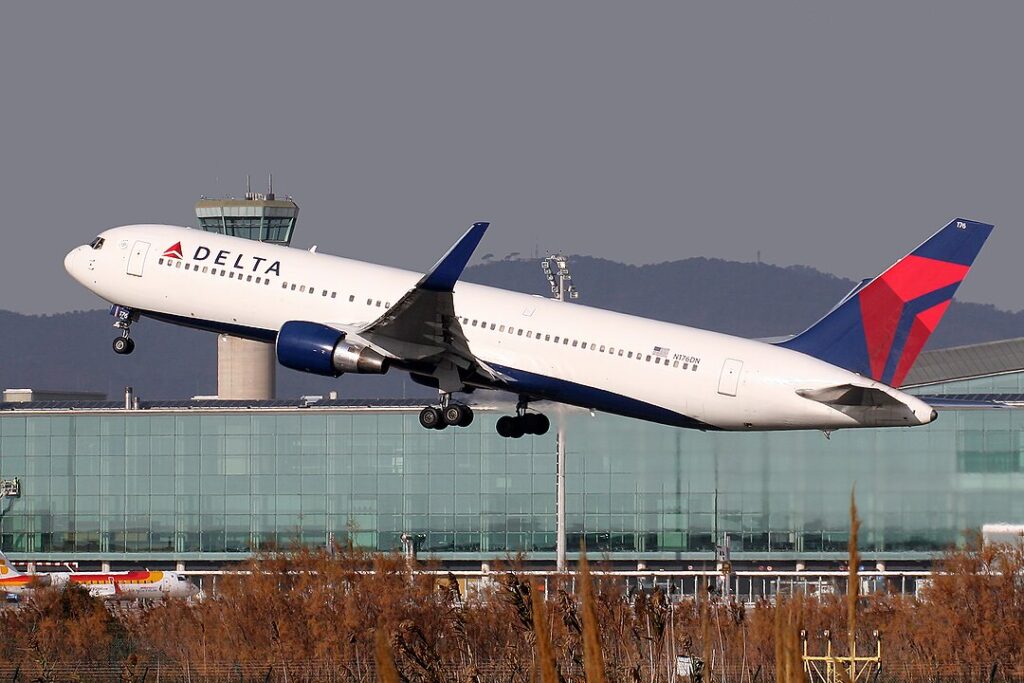
Route Ended in 2026
Delta Air Lines (DL) operated its final New York JFK to Brussels (BRU) flight on January 5, 2026. The route ran for many years with daily service until frequency dropped to 4 weekly in 2025.
Few flights operated in January 2025 and none in February, a traditionally difficult month for transatlantic travel.
Capacity fell 49.4 percent from 2024 levels. Passenger numbers dropped 51.9 percent from 258,660 in 2024 to 178,592 in 2025. Load factor declined from 83.2 percent to 79.2 percent, even though peak summer months stayed below 83.1 percent.
Brussels Airlines (SN) continues to serve the market and added only 2.5 percent more seats. It will likely gain share and improve performance following Delta’s exit.
These targeted cuts allow Delta Air Lines (DL) to redirect capacity toward stronger routes and upcoming opportunities while maintaining record-long-haul traffic levels.
Stay tuned with us. Further, follow us on social media for the latest updates.
Join us on Telegram Group for the Latest Aviation Updates. Subsequently, follow us on Google News


