ATLANTA- Delta Air Lines (DL) built its reputation over two decades as the most profitable and operationally reliable airline in the United States.
Now, structural cracks in its premium positioning, product quality, and leadership are opening the door for United Airlines (UA) to take the top spot.
From coffee brands to champagne choices, Delta’s in-flight experience is falling behind rivals. Meanwhile, United is quietly building a stronger financial foundation — one that could make it the world’s dominant carrier by the end of the decade, View from the Wing flagged.
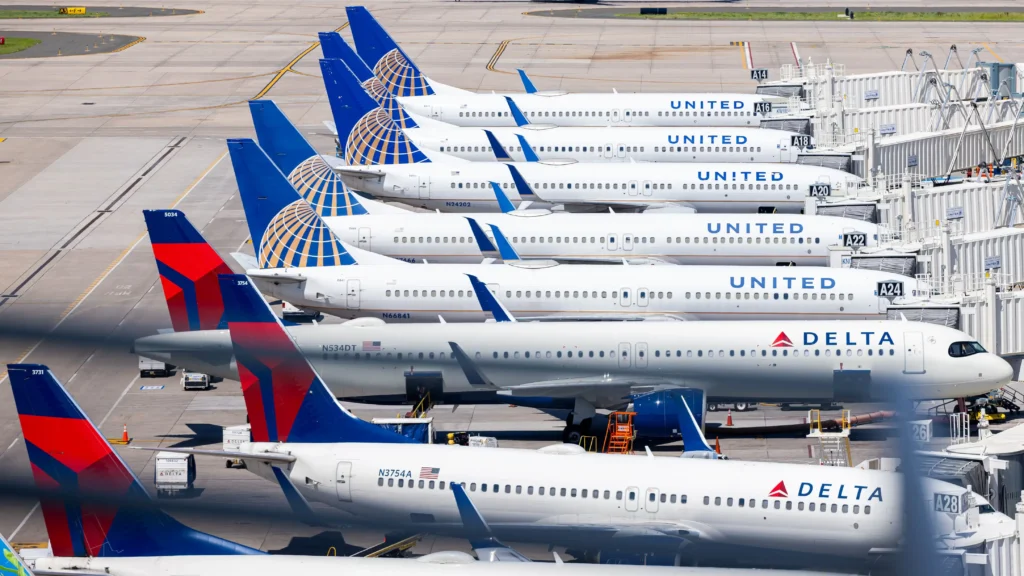
Delta’s Premium Image Is Fading as United Gains Ground
Delta’s in-flight coffee is served by Starbucks — a mass-market brand that sits well below what competitors now offer. Alaska Airlines (AS) serves Stumptown at Seattle-Tacoma International Airport (SEA), its key hub.
United Airlines (UA) offers Illy across its network, and American Airlines (AA) is rolling out the Lavazza system-wide. For an airline marketing itself as the premium choice, Delta’s coffee selection sends the wrong message.
The champagne situation tells a similar story. Delta recently upgraded to Taittinger, but industry observers note it is the weakest inflight choice among major U.S. carriers. American serves Bollinger, which performs robustly at altitude and in dry cabin air.
United pours Laurent-Perrier, a consistently clean and pleasant option inflight. Taittinger, while refined on the ground, is too light and delicate to hold up in the cabin environment.
These choices reflect a broader pattern: Delta prioritizing marketing over substance. High-profile moves like partnering with Tom Brady or renting The Sphere in Las Vegas to announce a DraftKings deal — one that was not even finalized and has yet to launch over a year later — point to a brand coasting on its image rather than investing in genuine product improvement.
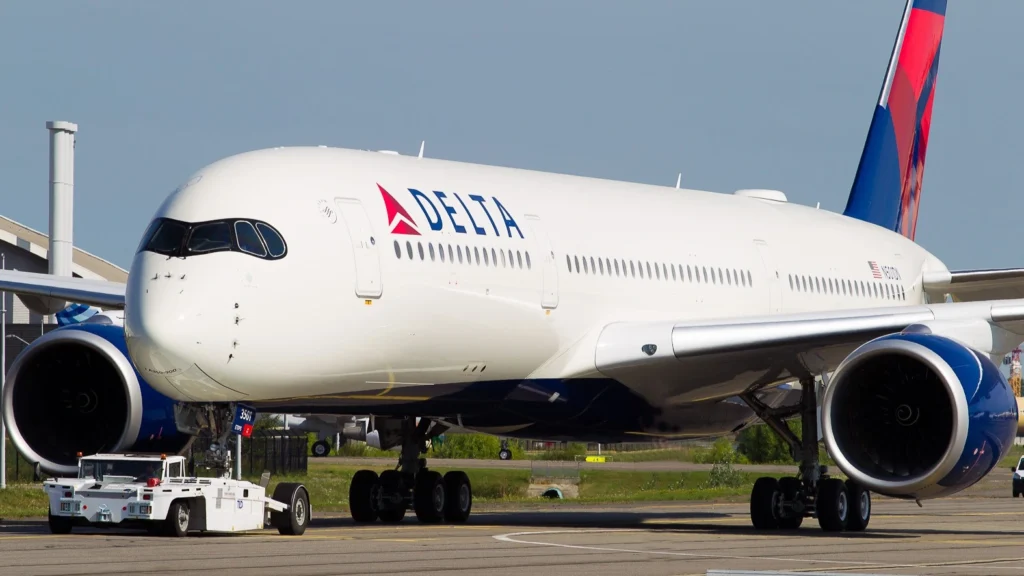
Operational Decline After Key Leadership Exits
Delta’s operational edge has visibly weakened since the departure of Chief Operating Officer Gil West during the pandemic. West was widely credited with building Delta into what was known as “the on-time machine.” That consistency has not returned.
The airline has experienced more frequent operational meltdowns in recent years. The CrowdStrike IT outage exposed deeper vulnerabilities, and CEO Ed Bastian’s decision to remain in Paris during the crisis drew sharp criticism.
President Glen Hauenstein, the architect of Delta’s commercial success under former CEO Richard Anderson, is also set to depart — removing another foundational pillar of the airline’s strategic leadership.
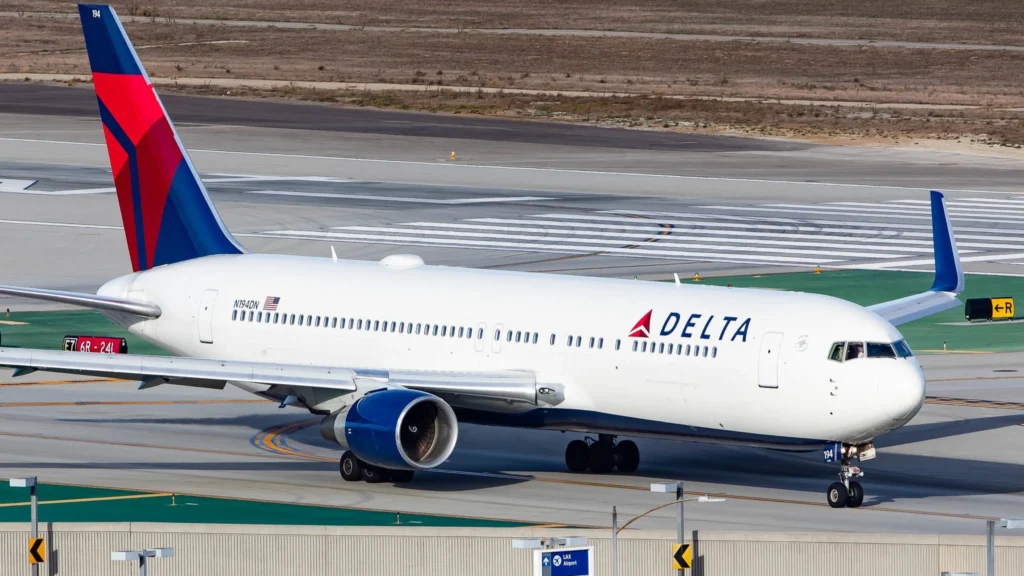
Product Reality Does Not Match the Premium Promise
Delta’s long-haul product is average at best. Its Boeing 767 cabins are widely regarded as uncomfortable, and inflight food quality on long-haul routes does not consistently match — or exceed — what American now offers.
Delta’s airport lounges remain a genuine strength over those of American and United. Its workforce culture is also a notable advantage.
As a non-union carrier, Delta avoids the constraints that prevent other airlines from managing low-performing staff, and above-market pay keeps employee satisfaction high.
However, more recently hired flight attendants have not matched the service standards of longer-tenured staff, and this gap is creating conditions favorable to union organizing through the Association of Flight Attendants (AFA-CWA) — a development that could erode one of Delta’s last remaining structural advantages.
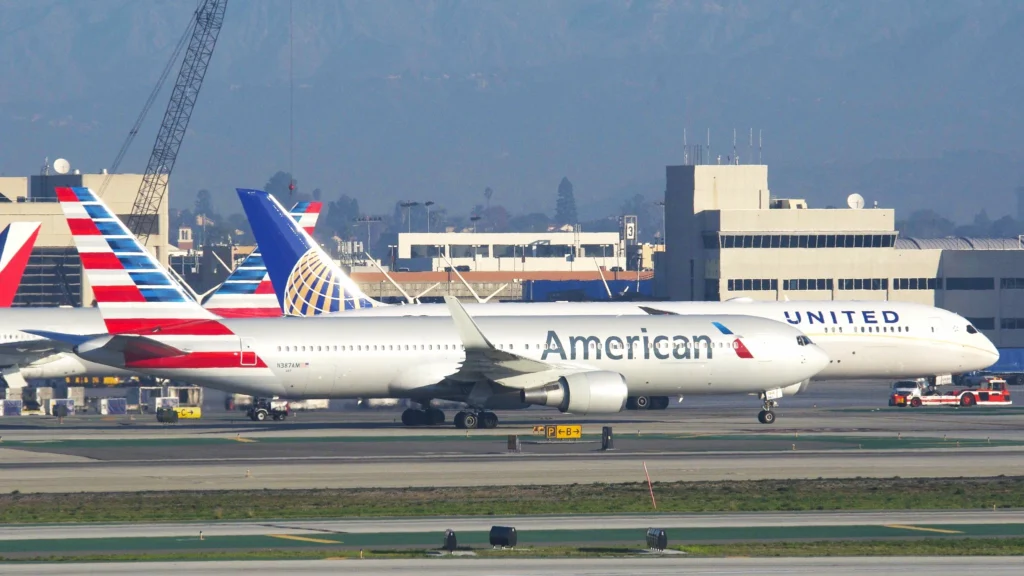
United’s Financial Position Is Quietly Stronger
Delta remains the most profitable U.S. airline on paper, but the underlying numbers tell a more nuanced story. United Airlines currently generates more revenue from actual flying operations.
Delta’s profit advantage is almost entirely explained by its American Express (AXP) co-brand credit card arrangement, which the airline reports at approximately 40% margin.
Factor in Delta’s Maintenance, Repair and Overhaul (MRO) business — which sells technical services to other carriers — and Delta’s core airline economics look considerably weaker relative to United’s.
Delta’s card revenue advantage, while significant today, is not guaranteed to grow. United holds a co-brand deal with Chase that comes up for renegotiation in 2029.
If United secures competitive economics on that renewal — particularly if it expands its presence at John F. Kennedy International Airport (JFK) through a potential JetBlue (B6) acquisition or partnership — it could surpass Delta in total profitability while also gaining ground on high-value card spend in the New York market.
Whoever acquires JetBlue will gain a platform to challenge Delta’s Amex card revenue dominance and accelerate growth in South Florida — two areas where Delta currently holds a meaningful lead.
The Deals That Built Delta May Have Peaked
Richard Anderson and Glen Hauenstein assembled one of the most strategically sound airlines in history. Their slot deal with Doug Parker for New York, the Amex co-brand renegotiation triggered by Costco dropping Amex, and their Atlantic and Pacific airline partnerships created durable competitive advantages.
Delta also built equity stakes in key partner carriers, giving it unusual control across its global network.
However, those advantages may have reached their ceiling. Delta does not appear to be getting meaningfully better, and by several measures, it is getting worse.
The upside from its legacy deal-making looks largely exhausted, while United is actively building the infrastructure — financial, operational, and commercial — to move ahead.
Stay tuned with us. Further, follow us on social media for the latest updates.
Join us on Telegram Group for the Latest Aviation Updates. Subsequently, follow us on Google News


