ATLANTA- Delta Air Lines (DL) is reassessing its widebody fleet roadmap after confirming a major Boeing order that will not begin deliveries until the next decade. The timing has reopened questions around capacity, replacement cycles, and delivery gaps.
With no widebody aircraft scheduled to arrive for several years, Delta’s leadership is reportedly evaluating another aircraft order. The discussion centers on maintaining operational stability from core hubs such as Atlanta (ATL) while managing an aging long-haul fleet.
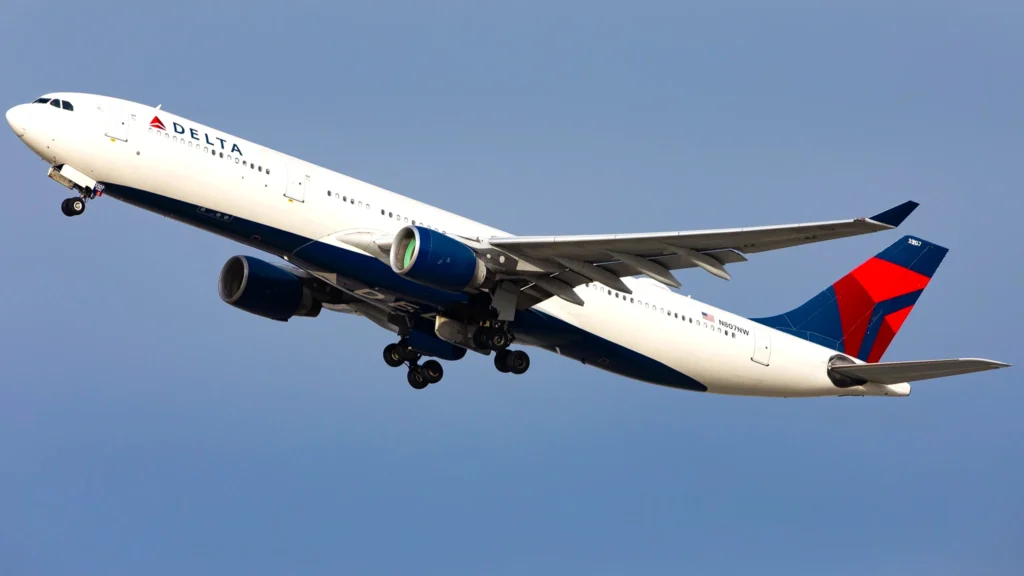
Delta New Widebody Aircraft Order
Delta Air Lines recently placed a firm order for 30 Boeing 787-10 aircraft, with options for an additional 30 units.
Deliveries are scheduled to begin in 2031, marking a notable Boeing win for an airline whose recent widebody renewal has leaned heavily toward Airbus.
While the order strengthens Delta’s long-term international capacity, it does not address a clear delivery gap. Between the final Airbus A350-1000 arrivals and the first Boeing 787-10 delivery, Delta is not expected to receive any new widebody aircraft for roughly three years.
Confirmed Widebody Deliveries and Timelines
Delta’s next-generation widebody commitments are clearly defined:
- 39 Airbus A330-900neo aircraft are currently in service
- 40 Airbus A350-900 aircraft in service, with four additional units on order
- 20 Airbus A350-1000 aircraft on firm order, scheduled for 2027 and 2028, with options for 20 more
- 30 Boeing 787-10 aircraft on order, delivering from 2031 onward
The A350-1000 fleet is primarily intended for ultra-long-haul growth, including potential new routes to Asia, the Middle East, and India. These aircraft are not direct replacements for much of Delta’s existing widebody capacity, OMAAT reported.
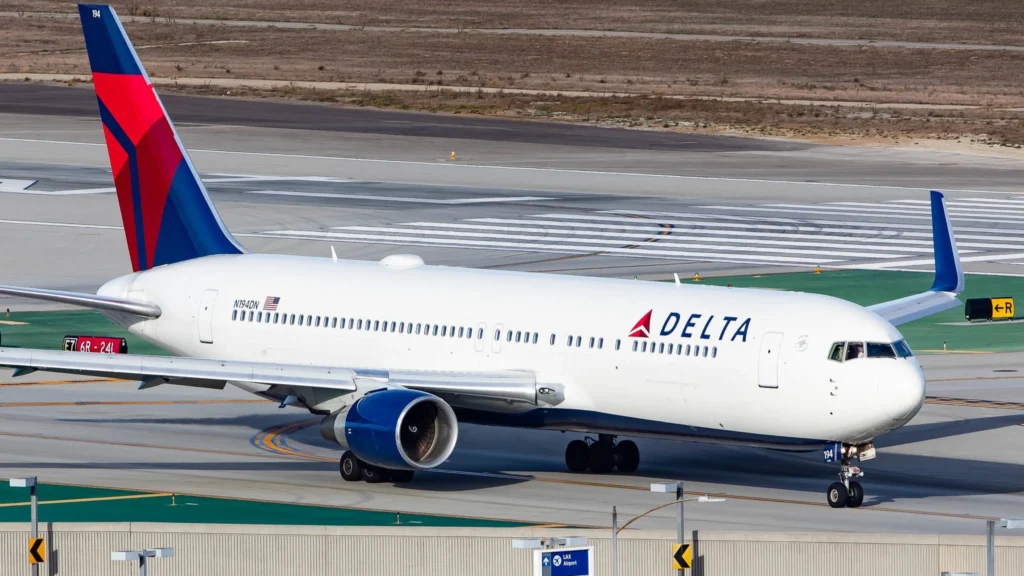
Aging Aircraft Still Supporting the Network
Delta continues to rely on a large group of older widebody aircraft:
- 11 Airbus A330-200 aircraft with an average age of 21 years
- 31 Airbus A330-300 aircraft with an average age of 17 years
- 38 Boeing 767-300ER aircraft with an average age of 29 years
- 21 Boeing 767-400ER aircraft with an average age of 25 years
Many of these aircraft remain in active service across transatlantic and domestic long-haul routes. Delta has historically extended aircraft life cycles through heavy maintenance programs and interior upgrades, including planned cabin refreshes for the A330-300 fleet.
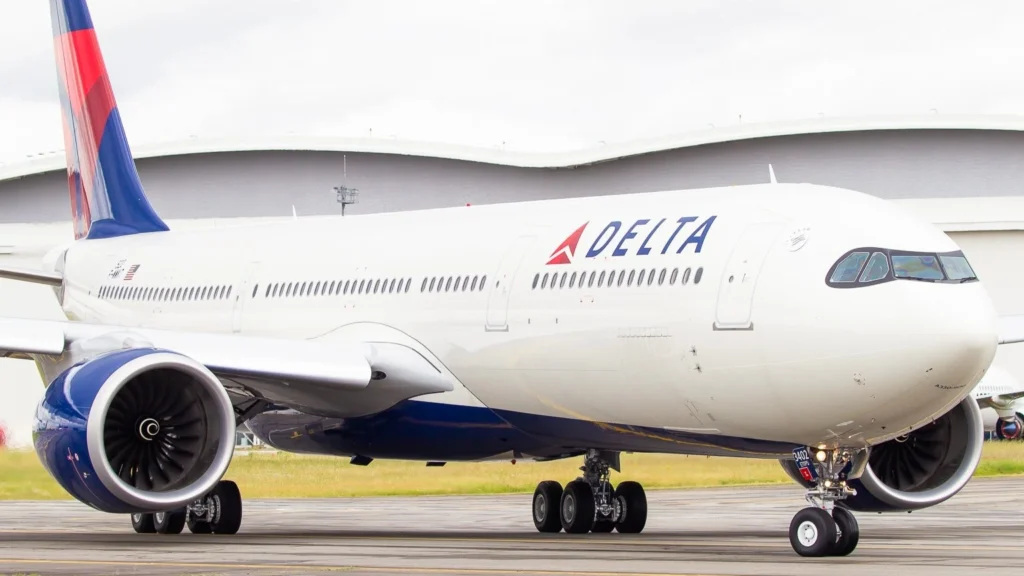
Why the A330-900neo Is the Most Logical Gap Filler
If Delta moves forward with another widebody order in the near term, the Airbus A330-900neo stands out as the most practical option. The aircraft is already part of Delta’s fleet, fits existing pilot and maintenance infrastructure, and offers better near term delivery availability than the A350 or 787 families.
Additional orders for the A350-1000 or exercising Boeing 787-10 options remain plausible, but both would primarily address post-2031 needs rather than the immediate delivery gap.
Separating Fact From Market Signals
Confirmed facts include Delta’s existing aircraft orders, fleet composition, and delivery timelines. Reports suggesting another aircraft order stem from industry sources and market observers, indicating internal evaluation rather than a finalized decision. No manufacturer selection or contract has been announced.

Bottom Line
Delta Air Lines has secured long term widebody growth through Boeing 787-10 and Airbus A350 programs, but a mid term delivery gap remains unresolved. To sustain capacity from hubs such as Atlanta (ATL), additional widebody aircraft will be required over time.
If Delta acts before the end of the decade, the Airbus A330-900neo appears to be the most viable short-term solution, while larger aircraft options remain part of a longer horizon strategy.
Stay tuned with us. Further, follow us on social media for the latest updates.
Join us on Telegram Group for the Latest Aviation Updates. Subsequently, follow us on Google News


