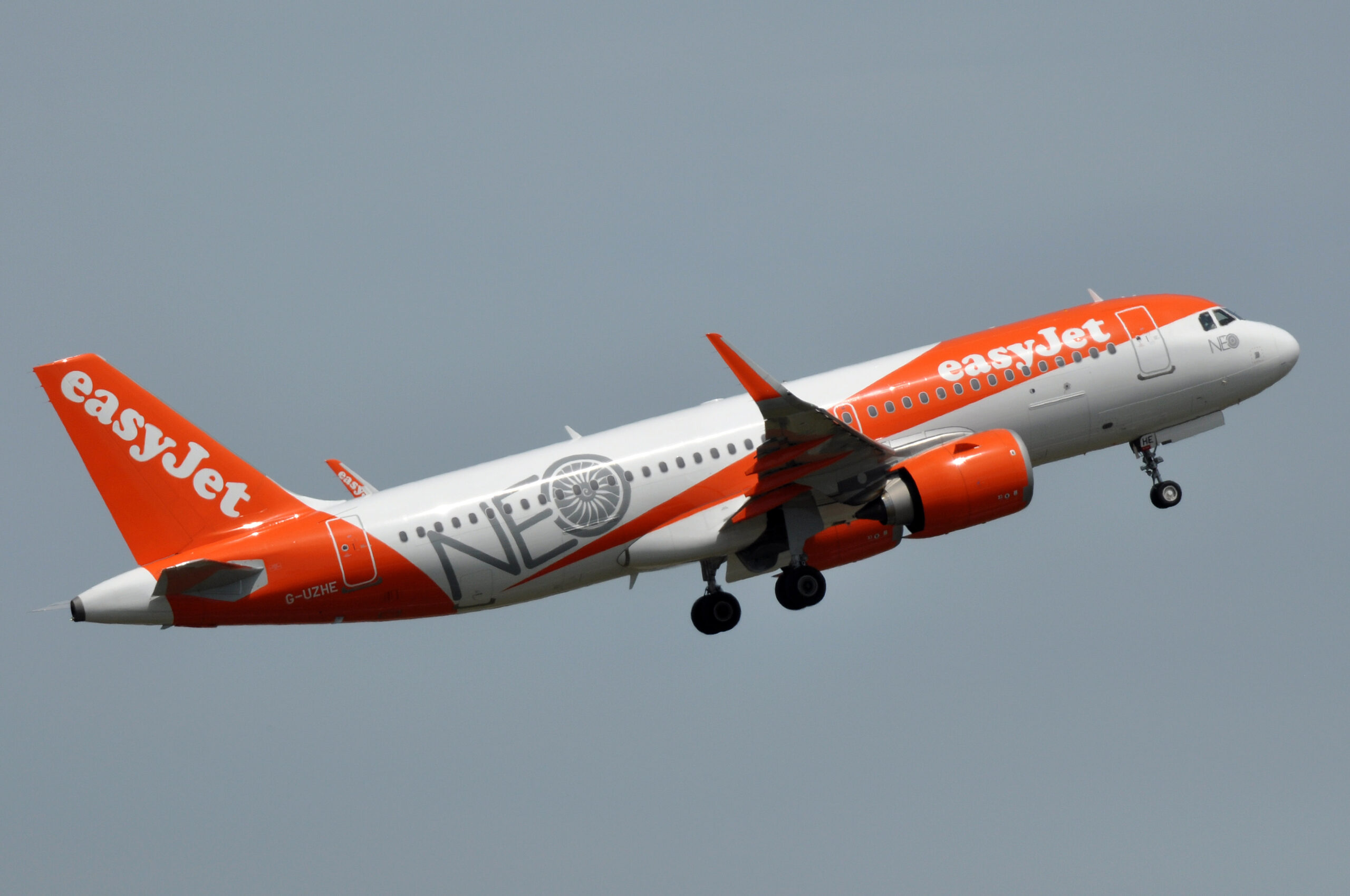
MILAN- Italy witnessed a serious in-flight safety incident after an easyJet (U2) aircraft experienced an engine fire while carrying passengers during a domestic service. The Airbus A320-200 was operating a scheduled flight from Milan Malpensa Airport (MXP) to Lamezia Terme Airport (SUF) when the event occurred.
The aircraft was in its descent phase when the right engine reportedly emitted flames, prompting immediate action from the flight crew. Despite the visible severity of the failure, the aircraft landed safely with passengers and crew onboard, avoiding injuries and further escalation.

In-Flight Engine Failure
The incident involved flight U2-3557, which departed Milan Malpensa on December 27 under normal operating conditions. The engine malfunction occurred as the aircraft began its approach into Lamezia Terme, a critical phase of flight requiring heightened precision and coordination.
Upon detecting the abnormal engine behavior, the pilots shut down the affected engine in line with standard emergency procedures.
The aircraft continued its descent on a single engine and touched down approximately 23 minutes later, arriving only two minutes behind its scheduled landing time.
Video footage later circulated online showed fragments and apparent debris from the damaged engine.
Aviation safety analysts described the event as an uncontained engine failure, a classification that indicates internal components breached the engine casing.
Crew Response And Landing
The flight crew maintained full control of the aircraft throughout the emergency, following established protocols designed for engine-out operations. Emergency services were positioned at Lamezia Terme Airport as a precautionary measure ahead of the landing.
The aircraft exited the runway safely, and all occupants disembarked without injuries. The calm and procedural response by the cockpit crew played a decisive role in preventing further risk during the high-workload landing phase.
An easyJet spokesperson later confirmed that the captain executed a routine priority landing consistent with manufacturer and regulatory guidance.
The airline reiterated that safety remains its highest operational priority across its fleet.
Aircraft Inspection Process
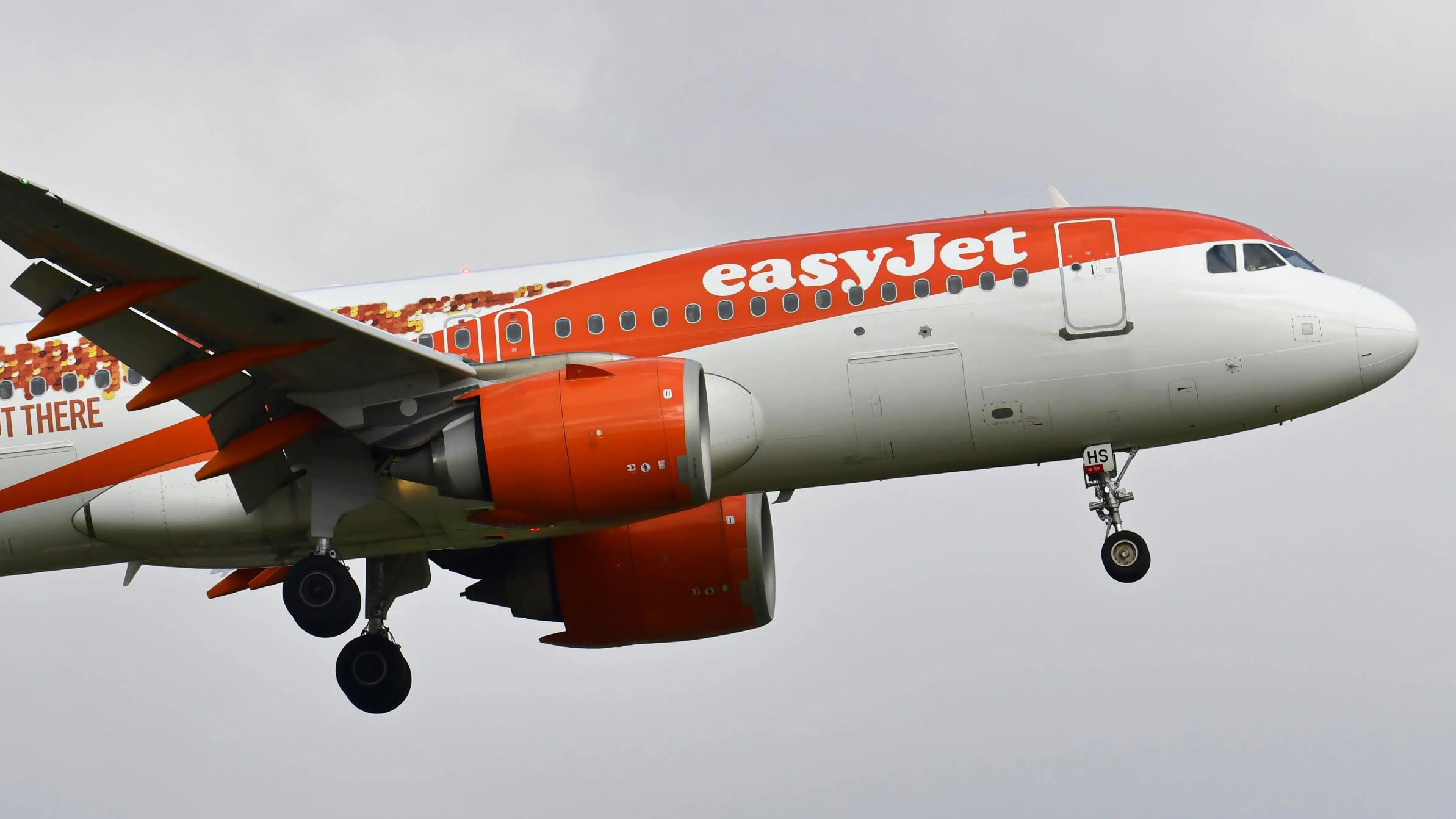
Following the incident, the Airbus A320-200 remained grounded at Lamezia Terme for six days. During this period, maintenance teams conducted extensive inspections to assess structural impact, engine damage, and debris-related risks.
The damaged engine underwent replacement and necessary repairs before the aircraft was cleared for return to service.
The jet involved is approximately ten years old, placing it within the typical operational age range for narrowbody aircraft in European short-haul service.
Events involving uncontained engine failures remain rare but are treated with the highest level of scrutiny. Aviation authorities and operators use such incidents to reinforce inspection regimes and refine response procedures.
Bottom Line
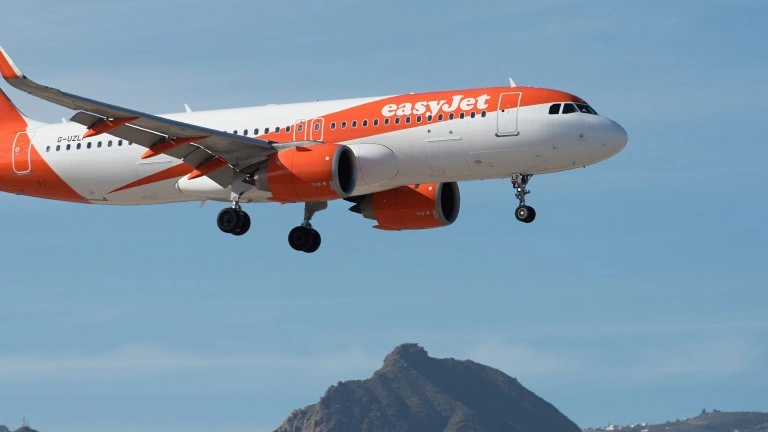
The safe outcome of the easyJet engine fire incident highlights the effectiveness of pilot training, aircraft certification standards, and emergency procedures.
While the visual impact of an engine failure can be alarming, the controlled landing and absence of injuries underscore aviation’s layered safety systems working as designed.
Stay tuned with us. Further, follow us on social media for the latest updates.
Join us on Telegram Group for the Latest Aviation Updates. Subsequently, follow us on Google News


