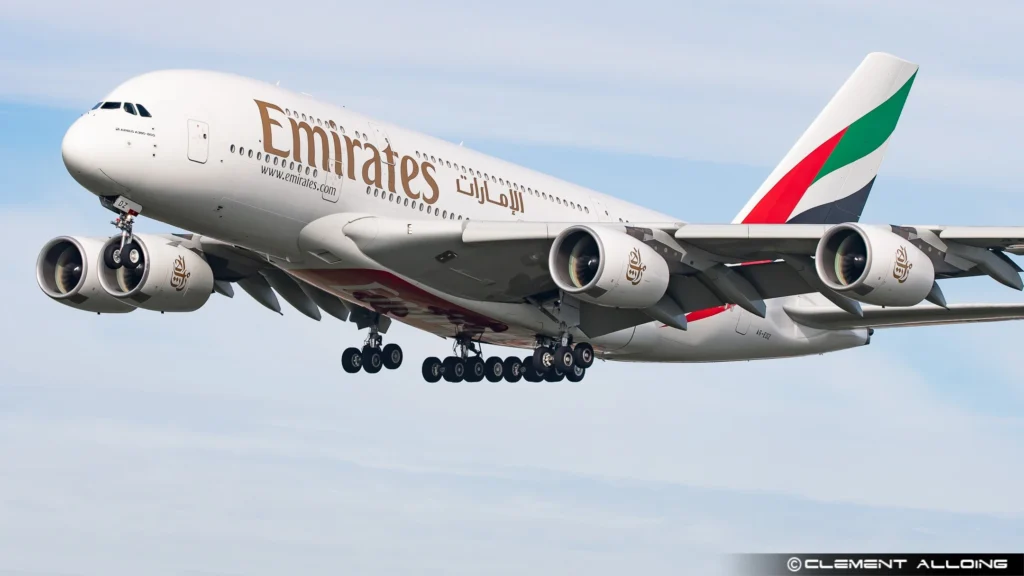
DUBAI- Emirates (EK) operates the world’s oldest active Airbus A380, registered A6-EDF, which crossed the 20-year mark in February 2026. The superjumbo first flew on February 19, 2006, and now serves passengers on routes out of Dubai International Airport (DXB) alongside more than 100 other A380s in the carrier’s fleet.
A6-EDF was the seventh A380 to roll off the production line and holds the distinction of being the oldest superjumbo still carrying fare-paying passengers. Despite spending over five years in storage during and after the coronavirus pandemic, the aircraft is not expected to retire until the 2030s.
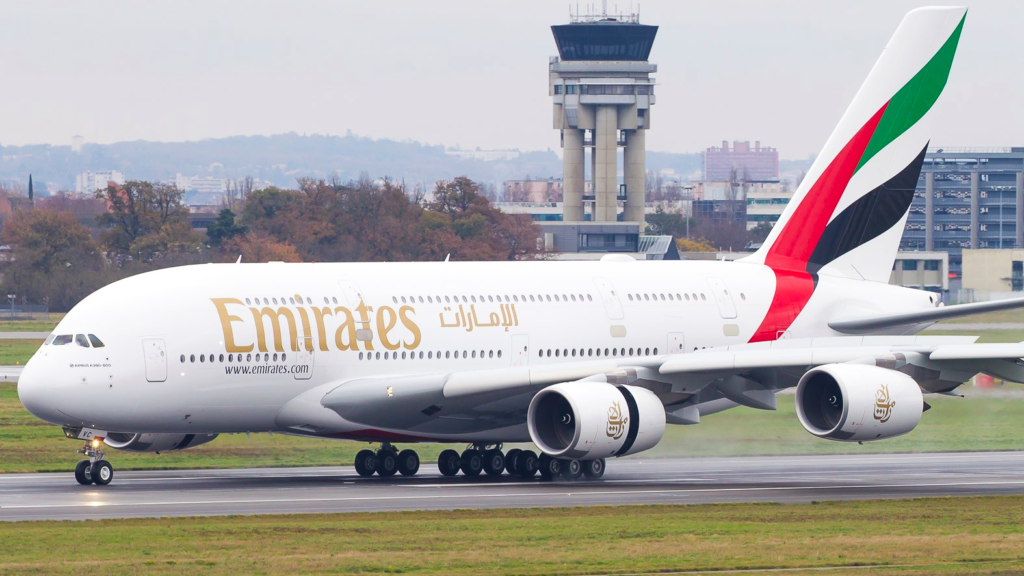
Emirates Flying the Oldest A380 in the World
A6-EDF did not reach Emirates immediately after its maiden flight. Fleet data from Planespotters.net confirms that Airbus delivered the aircraft to Emirates in December 2009, nearly four years after its first flight.
Of the first six A380s produced, none remain in active passenger service. The first airframe (F-WWOW) still operates as an Airbus test aircraft, while those with serial numbers two through six have been scrapped, stored, or preserved in museums.
Since joining the Emirates fleet, A6-EDF has logged 45,087 flight hours across 7,407 cycles as of January 31, 2026. These figures are modest for a 16-year-old widebody, largely because the aircraft sat idle for more than five years during the pandemic era, Simple Flying flagged.
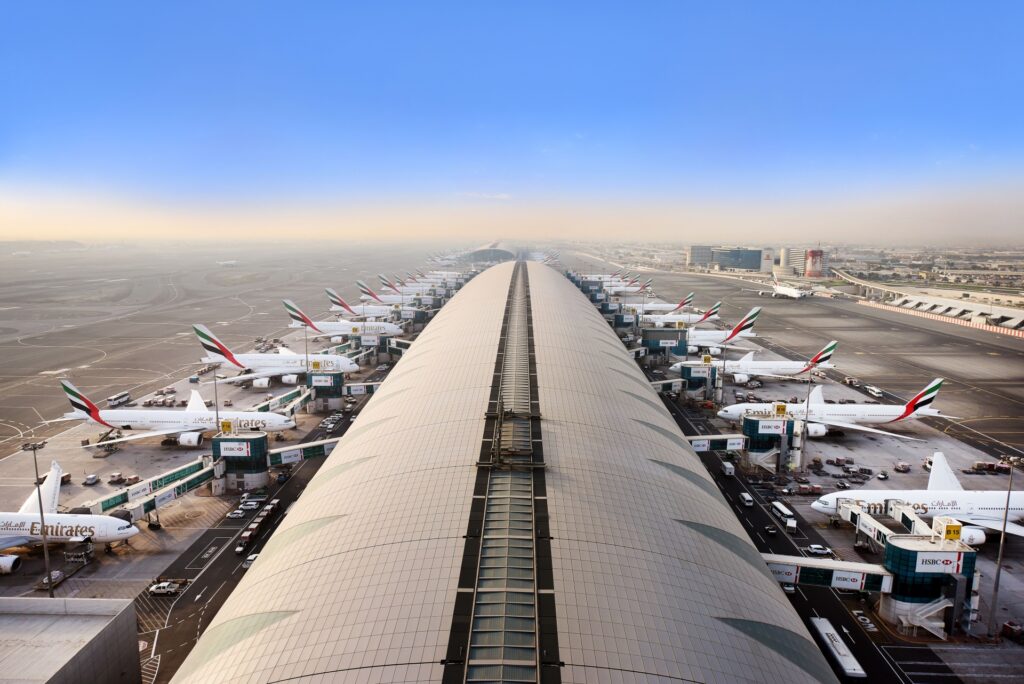
Five Years In Storage Across Two Dubai Airports
The coronavirus pandemic grounded A6-EDF on March 24, 2020, when Emirates moved it to Dubai World Central Airport (DWC).
It remained stored at DWC until December 30, 2023, when it was relocated to Dubai International Airport (DXB).
The aircraft stayed at DXB until April 5, 2025, before finally returning to active flying. This extended period of inactivity is a key reason why Emirates does not plan to retire the aircraft anytime soon, as the airframe has significantly lower wear compared to similarly aged jets.
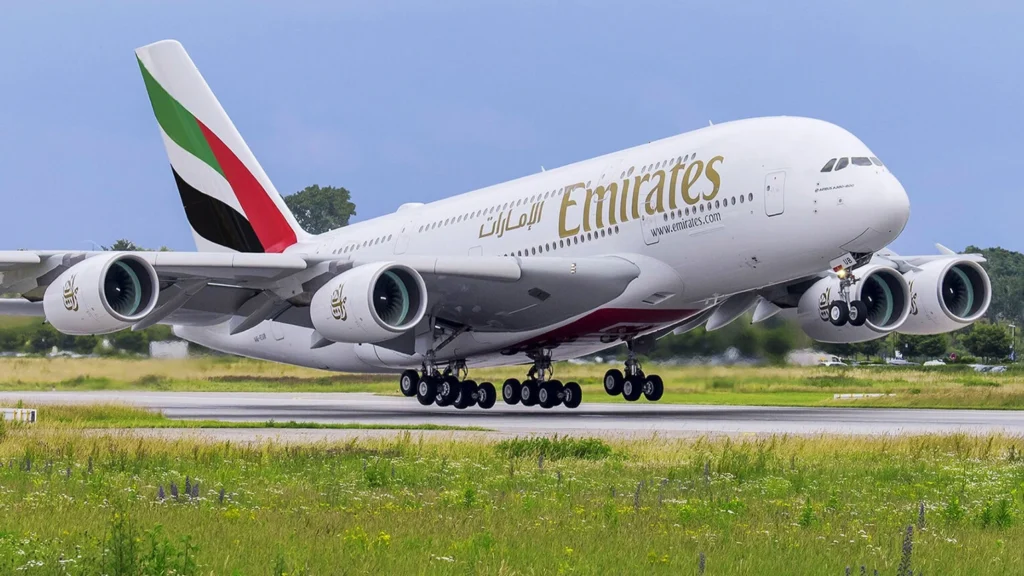
Where A6-EDF Flies Today
Flightradar24 data from April 2026 shows Emirates deploying A6-EDF across a diverse set of routes from DXB.
The aircraft has operated short flights of just over two hours to King Abdulaziz International Airport (JED) in Jeddah, as well as medium-haul sectors to Cairo and Bangkok.
On the Bangkok routing, A6-EDF continues onward to Hong Kong on a two-and-a-half-hour second leg.
At the longer end of the spectrum, the aircraft has flown sectors exceeding eight hours to destinations including Denpasar (DPS) in Bali, Casablanca, London, and Paris. This range of deployments reflects the operational flexibility Emirates draws from its massive A380 fleet.
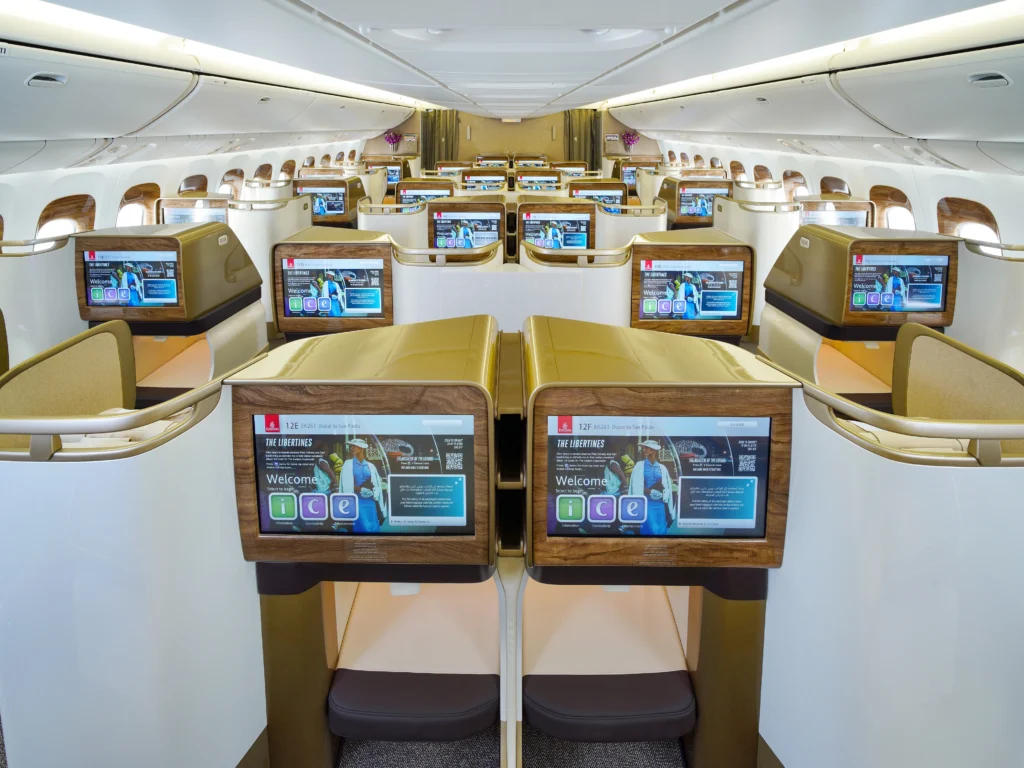
Cabin Configuration And Passenger Experience
Emirates operates 117 A380s with seating configurations that range from 468 seats across four classes to 615 seats in a two-class layout. A6-EDF sits in the middle of this spectrum with a 517-seat arrangement.
The lower deck accommodates 427 economy class passengers in a 3-4-3 layout. The upper deck houses 14 first-class suites and 76 business-class suites, both arranged in a 1-2-1 configuration that gives every premium passenger direct aisle access. Interior data from aeroLOPA confirms this three-class setup.
The A380’s Role In Emirates’ Strategy
Emirates committed early and heavily to the A380 program. In 2008, Emirates Chairman Ahmed Bin Saeed Al-Maktoum highlighted the airline’s belief in the aircraft’s potential, citing its large double-deck capacity and strong operating economics.
That strategy has held firm, with Emirates remaining the world’s largest A380 operator by a wide margin and continuing to add new routes for the type. With retirement for A6-EDF not expected until the 2030s, the superjumbo still has years of service ahead.
Stay tuned with us. Further, follow us on social media for the latest updates.
Join us on Telegram Group for the Latest Aviation Updates. Subsequently, follow us on Google News


