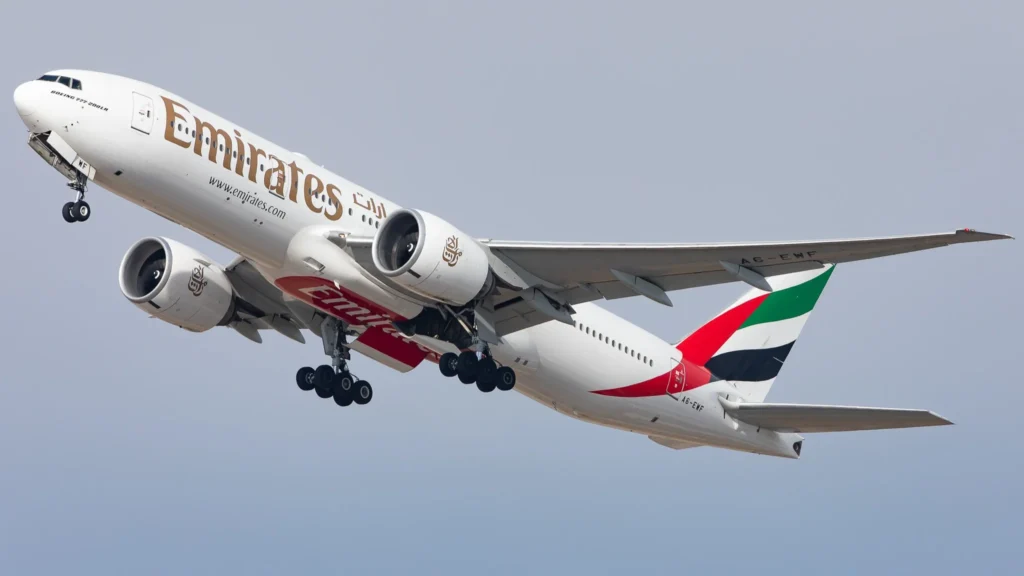
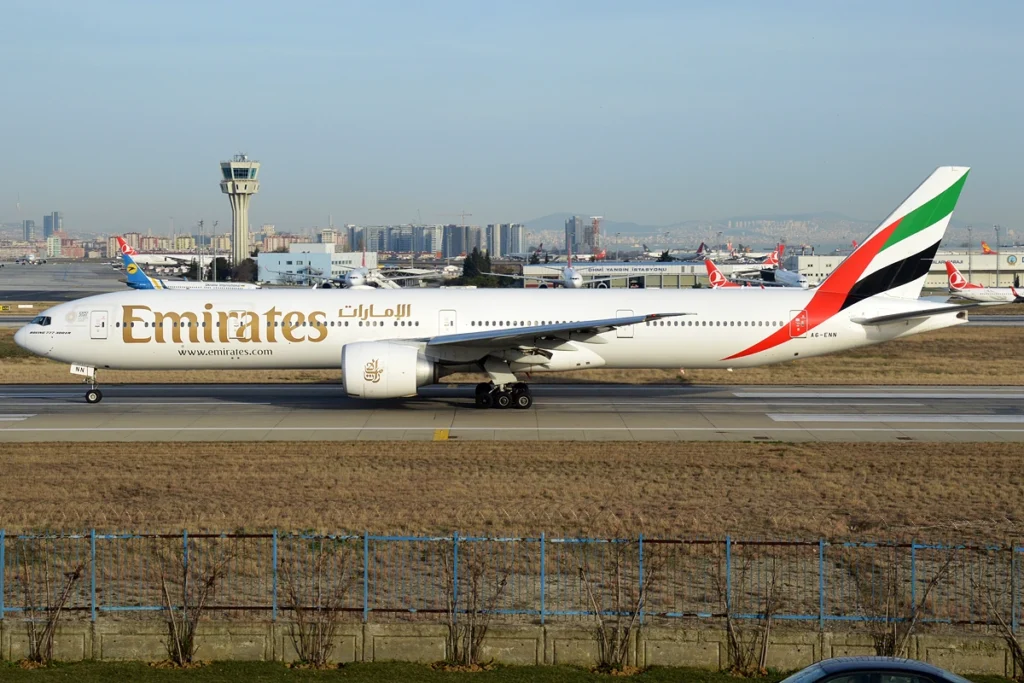
DUBAI- Emirates (EK) has secured takeoff and landing slots at Berlin Brandenburg Airport (BER) for planned flights from Dubai (DXB), even though German regulators have not yet approved the route. The early slot reservation shows the airline expects clearance after years of lobbying.
The proposed Dubai (DXB) to Berlin (BER) service would use a Boeing 777 starting in December 2026. Approval is still required because a decades-old Germany and UAE air service agreement limits how many German cities UAE airlines can serve, Bloomberg reported.
Emirates Secures Berlin Slots
Emirates (EK) has moved forward with operational planning for Berlin service by obtaining coordinated slots at Berlin Brandenburg Airport (BER), according to slot records reported by Bloomberg. Airport slots give airlines the right to operate arrivals and departures at fixed times and are usually requested only when a carrier is serious about launching a route.
The filing shows Emirates intends to operate the route with a Boeing 777 beginning in December 2026. Slot coordination does not replace regulatory approval, but it indicates network planning, fleet allocation, and schedule modeling are already underway.
Airlines rarely secure slots this far in advance without strong internal confidence that traffic rights will be granted. Still, the route cannot launch until German authorities formally approve it.
Bilateral Air Agreement Restricts UAE Carrier Access
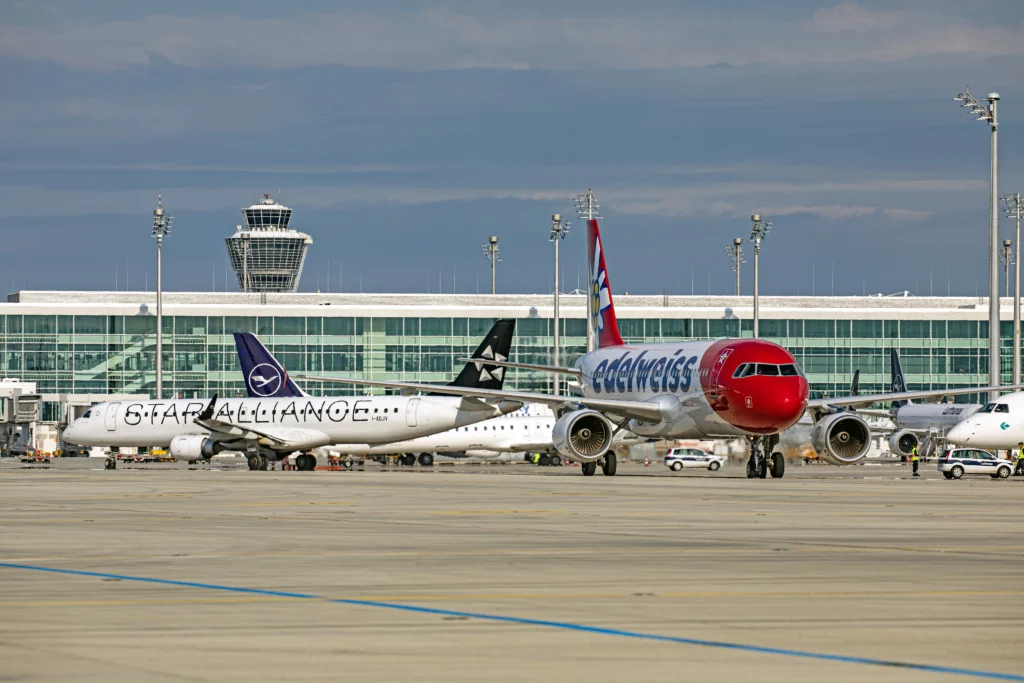
Market access remains controlled by a decades-old bilateral air services agreement between Germany and the United Arab Emirates. Under this agreement, UAE airlines can serve only four German cities.
Emirates currently operates long-haul services to Frankfurt (FRA), Munich (MUC), Düsseldorf (DUS), and Hamburg (HAM). Berlin has remained outside the permitted list despite repeated requests from the airline over many years.
Any change requires government-level authorization, not just airport or airline-level coordination. That makes regulatory approval the deciding factor for the Berlin route.
Lufthansa Opposition Shapes Policy Debate
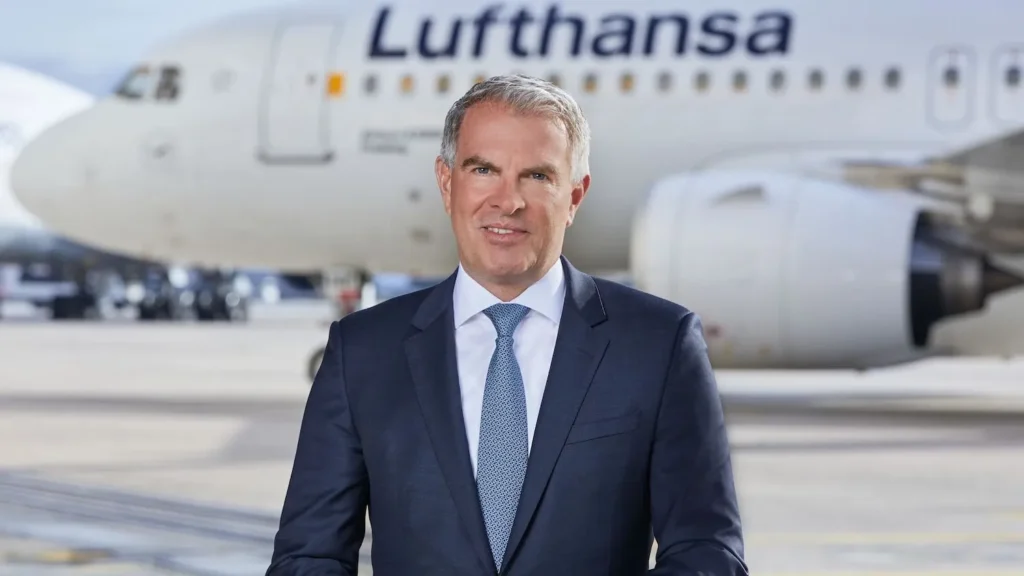
Lufthansa (LH) has consistently opposed expanded flying rights for Emirates and other Gulf carriers. The airline argues that Middle Eastern carriers are government-controlled and can absorb losses to support aggressive expansion, which it says distorts competition.
Lufthansa prefers to concentrate German long-haul traffic through its main hubs in Frankfurt (FRA) and Munich (MUC), while operating mostly short-haul routes to and from Berlin (BER). This hub strategy is central to its network economics and competitive positioning.
The Lufthansa Group has acknowledged demand for Dubai service from Berlin. Its low-cost subsidiary Eurowings (EW) has previously operated Berlin to Dubai flights using Airbus A320 aircraft on a narrowbody configuration.
In public statements, Lufthansa has urged European lawmakers to counter the competitive threat from Middle Eastern airlines and prioritize European carrier competitiveness, PYOK flagged.
Qatar Airways and Broader German Market Access
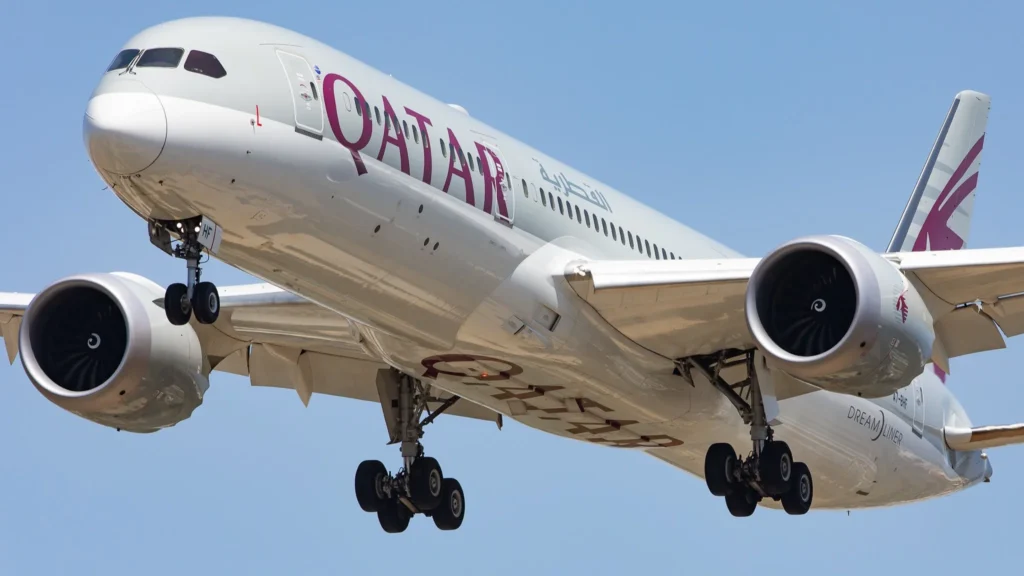
Qatar Airways (QR) already operates flights between Doha (DOH) and Berlin (BER). It secured rights to serve five German cities under its bilateral framework.
These cities include Düsseldorf (DUS), Hamburg (HAM), Frankfurt (FRA), Munich (MUC), and Berlin (BER). This broader access gives Qatar Airways more flexibility in the German market than Emirates currently has.
The comparison highlights how bilateral agreements differ by country and airline, directly shaping route networks.
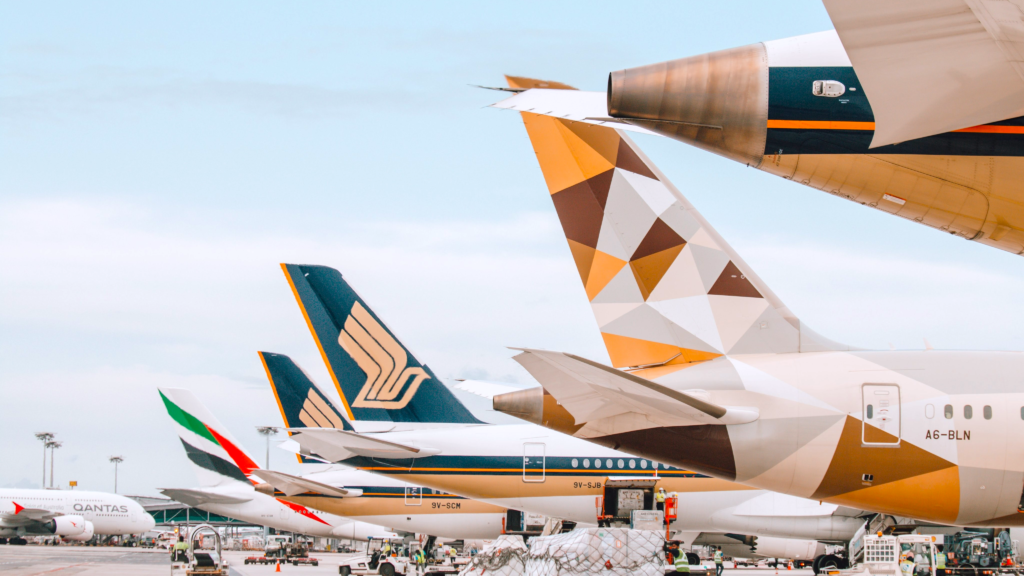
Etihad and AirBerlin Regulatory Workaround History
Etihad Airways (EY) previously found a workaround to German access limits by taking an equity stake in AirBerlin. Through this partnership, AirBerlin operated long haul flights to Abu Dhabi (AUH) on Etihad’s behalf.
This structure allowed Etihad to expand its presence in Germany without holding direct traffic rights for additional cities. The strategy ended in 2017 when AirBerlin entered insolvency after financial losses and failed equity investments across several partner airlines.
The collapse closed a major indirect access path for Gulf carriers seeking German expansion through local operators.
Approval Decision Still Pending
Germany’s Ministry of Transport states that no final decision has been made on Emirates’ request to add Berlin flights. The review involves bilateral rights, competition policy, and aviation market considerations.
Until approval is granted, the Berlin slots remain reserved but not usable for commercial service. If regulators approve the request, Emirates can activate the route quickly using the already secured timings.
Stay tuned with us. Further, follow us on social media for the latest updates.
Join us on Telegram Group for the Latest Aviation Updates. Subsequently, follow us on Google News