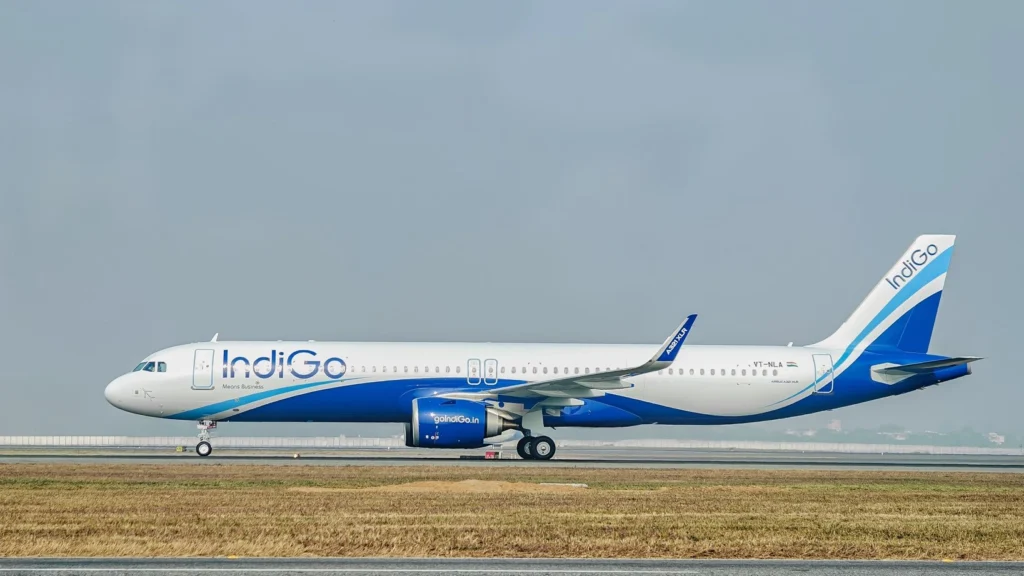
BENGALURU- IndiGo (6E), India’s largest airline by market share, is reportedly planning to launch a non-stop flight from Bengaluru (BLR) to Perth (PER) using its newly inducted Airbus A321XLR aircraft.
The route, covering approximately 3,482 nautical miles (6,449 km) with an estimated flight time of eight hours, falls within the A321XLR’s maximum range of 4,700 nautical miles (8,700 km) but sits near its real-world operational limits.
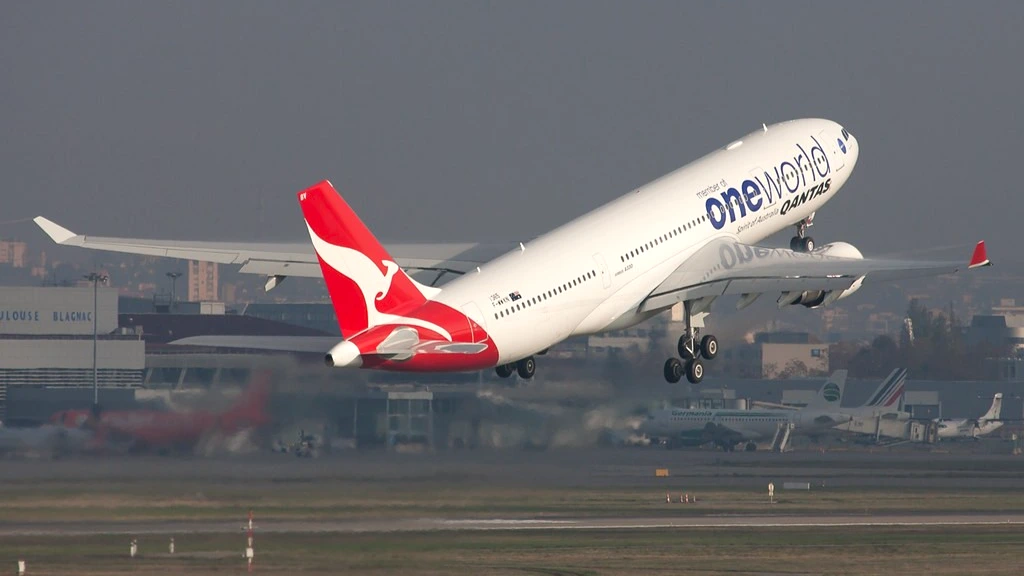
The move could position IndiGo (6E) in direct competition with Qantas (QF), which currently operates the only direct Australia-India service from Sydney (SYD) to Bengaluru (BLR) using Airbus A330-200 aircraft.
Qantas (QF) has also identified Perth (PER) to Bengaluru (BLR) as a feasible future A321XLR destination, but its lie-flat configured XLR deliveries are not expected until 2028.
IndiGo Airlines Eyes Perth Flight with A321XLR
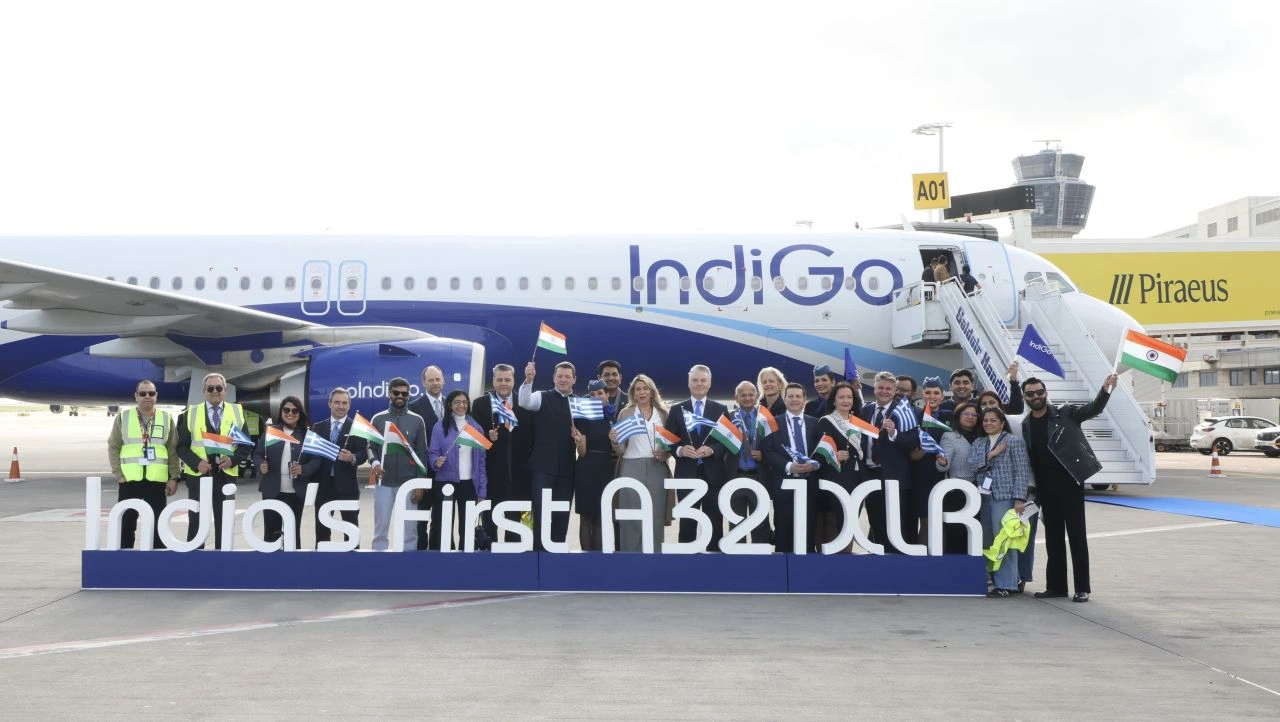
IndiGo received its first Airbus A321XLR (registration VT-NLA) on January 7, 2026, becoming the first Indian airline to operate the type. The aircraft entered commercial service on the Delhi (DEL) to Athens (ATH) and Mumbai (BOM) to Athens (ATH) routes later that month, operating three times weekly on each sector.
The airline holds a firm order for 40 A321XLR aircraft, with nine deliveries expected during calendar year 2026.
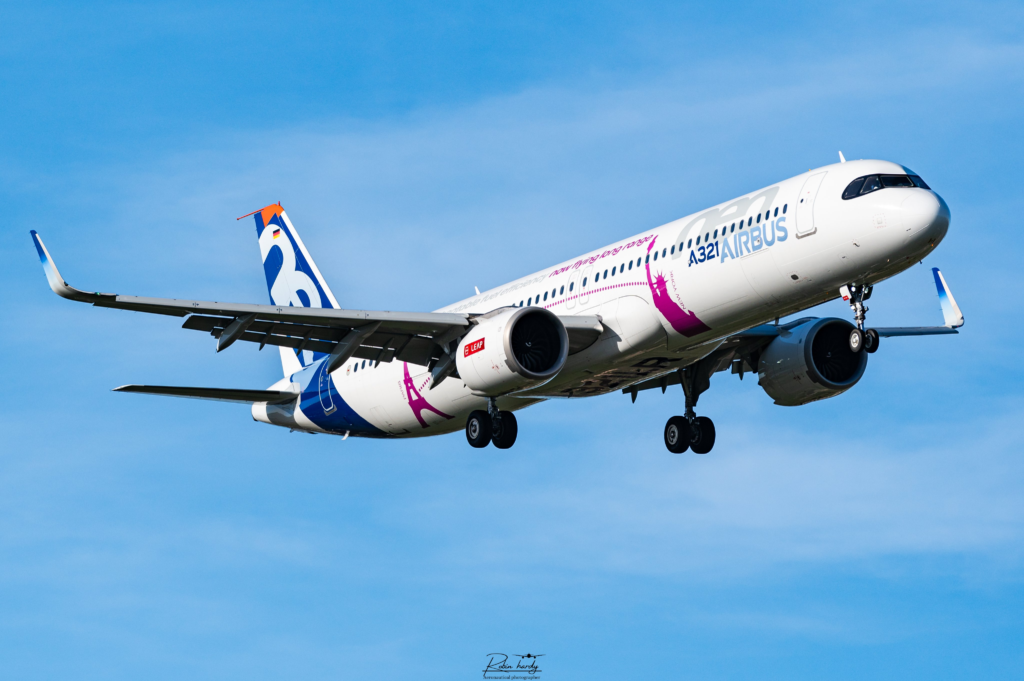
The A321XLR extends the range of the proven A320 family by adding a permanent Rear Centre Tank (RCT) with 12,900 litres of additional fuel capacity. This enables an extra-long range of up to 4,700 nautical miles while retaining narrowbody operating economics.
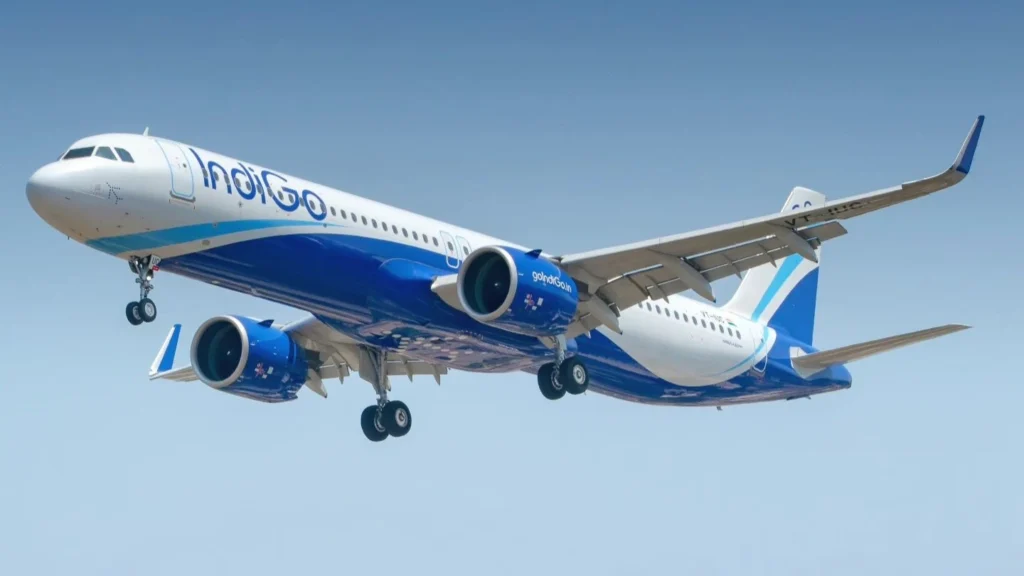
IndiGo has configured its XLR with 195 seats in a dual-class layout: 12 IndiGoStretch seats in a 2×2 configuration with 44-inch pitch, and 183 economy seats with 31-inch pitch. Both cabins feature Recaro seating, in-seat power, and wireless streaming entertainment via Bluebox.
The reduced seat count compared to IndiGo’s standard A321neo (222-232 seats) is a deliberate trade-off. Fewer passengers mean lower weight, which is critical for achieving the aircraft’s maximum range on routes like Bengaluru to Perth.
Range Feasibility: Tight but Technically Possible
The Bengaluru (BLR) to Perth (PER) sector measures approximately 3,482 nautical miles. The A321XLR’s brochure range of 4,700 nautical miles assumes optimal conditions, including light payload, favourable winds, and maximum fuel load.
In real-world operations, airlines typically plan for a practical range that is lower than the theoretical maximum.
IndiGo already operates the world’s longest scheduled A321XLR route: Delhi (DEL) to Istanbul (IST), which covers approximately 3,200-3,400 nautical miles with a block time exceeding 10 hours. The Bengaluru to Perth route would stretch even further, making it one of the most demanding sectors for the aircraft type.
Industry observers have noted that the route may require payload restrictions on certain days, depending on wind conditions and aircraft weight.
Eastbound flights from India to Australia typically benefit from favourable jet stream patterns, but westbound return flights could face headwinds that reduce effective range.
A fully loaded flight with maximum passengers and cargo may not always be operationally feasible, though the route remains technically within the aircraft’s capability envelope.
ALSO READ: IndiGo Adds New A321XLR Flights to One of the Most Visited Cities in the World
Qantas Already Has Its Eyes on the Same Route
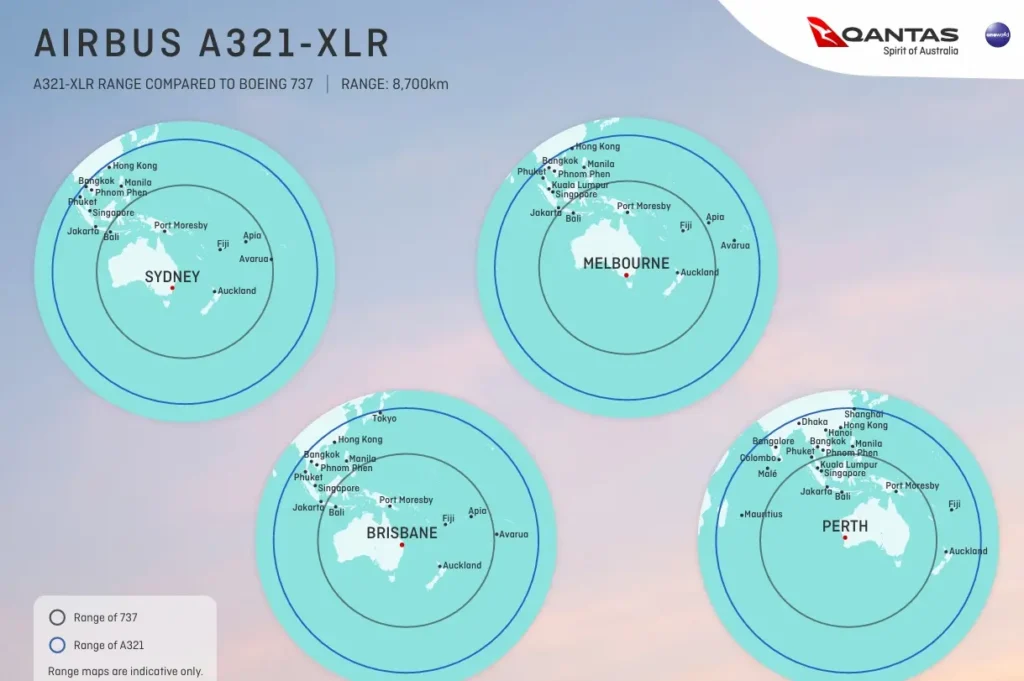
Qantas (QF) has publicly identified Perth (PER) to Bengaluru (BLR) as a potential future route for its own growing A321XLR fleet.
The Australian flag carrier has ordered 48 A321XLR aircraft, of which 16 will feature lie-flat business class seats and seatback entertainment. These premium-configured aircraft are expected from 2028.
Qantas CEO Vanessa Hudson has stated that the A321XLR will allow the airline to open new routes, including Perth to India. The airline already operates a codeshare agreement with IndiGo, which enables Qantas passengers to connect to IndiGo’s domestic Indian network from Bengaluru. This partnership has been instrumental in filling the existing Sydney to Bengaluru A330 service, where connecting passengers account for approximately 40% of total traffic.
However, the Perth-Bengaluru local passenger market remains relatively small. Booking data indicates roughly 12,000 round-trip local passengers annually, making it only the sixth-largest Perth-India market.
If IndiGo launches the route first, it could establish an early mover advantage and build demand before Qantas enters with a potentially superior onboard product.
Can Passengers Endure 8+ Hours in IndiGo Economy?
One of the most debated aspects of IndiGo’s long-haul strategy is whether passengers will accept extended flights on a low-cost carrier’s economy cabin.
The A321XLR is a single-aisle aircraft, and even with the improved 31-inch pitch on IndiGo’s configuration, the experience differs significantly from widebody travel.
IndiGo has addressed some of these concerns with its XLR-specific enhancements. The aircraft includes hot meals (vegetarian by default, with non-vegetarian options available via pre-booking), wireless streaming entertainment, universal power outlets, and USB charging at every seat. The IndiGoStretch cabin offers a premium alternative with 44-inch pitch and enhanced amenities.
The airline’s existing experience on the Delhi/Mumbai to Athens routes, which operate at flight times of seven to eight hours, provides a useful benchmark. Reports indicate these services have operated with strong load factors in both directions, suggesting travellers are willing to accept the trade-off of a less spacious cabin in exchange for competitive fares and non-stop convenience.
XLR Fleet Expansion Holds the Key
The timeline for a Bengaluru to Perth launch depends heavily on IndiGo’s A321XLR delivery schedule and its strategic priorities.
The airline has confirmed that after Athens, subsequent XLR deliveries will first be deployed on existing routes such as Istanbul (IST) and Denpasar/Bali (DPS) to replace wet-leased widebody capacity and address payload-restricted operations.
Industry sources suggest that IndiGo needs to build sufficient XLR fleet depth before committing aircraft to entirely new routes.
The airline currently expects nine XLR deliveries in 2026, but whether enough aircraft will be available by year-end to support a Perth service remains uncertain.
The priority will likely be to backfill existing long-haul routes that are currently operating with sub-optimal aircraft types or facing payload restrictions.
A Bengaluru to Perth service would also represent IndiGo’s first route to Oceania, opening an entirely new regional market for the carrier. The strategic value extends beyond Perth itself, as success on this route could pave the way for future services to other Australian cities as more XLR aircraft join the fleet.
ALSO READ: IndiGo Deploys A321neo on These 4 International Routes and More
A Race Between India’s Largest and Australia’s Flag Carrier
The Bengaluru-Perth corridor represents an emerging aviation market where both IndiGo and Qantas see opportunity.
For IndiGo, it offers a chance to demonstrate the A321XLR’s capability on a genuinely long-haul mission and establish a foothold in Australia.
For Qantas, it extends the India strategy that began with Sydney-Bengaluru in 2022 and complements its existing codeshare network with IndiGo.
The outcome may ultimately depend on which airline can deploy the right aircraft at the right time. IndiGo has the advantage of earlier XLR deliveries and lower operating costs.
Qantas brings brand strength in the Australian market and a superior premium product, particularly once its lie-flat XLR configuration arrives in 2028.
For travellers between India and Western Australia, the prospect of non-stop connectivity on either carrier would mark a significant improvement over the current one-stop options via Southeast Asian hubs.
Stay tuned with us. Further, follow us on social media for the latest updates.
Join us on Telegram Group for the Latest Aviation Updates. Subsequently, follow us on Google News


