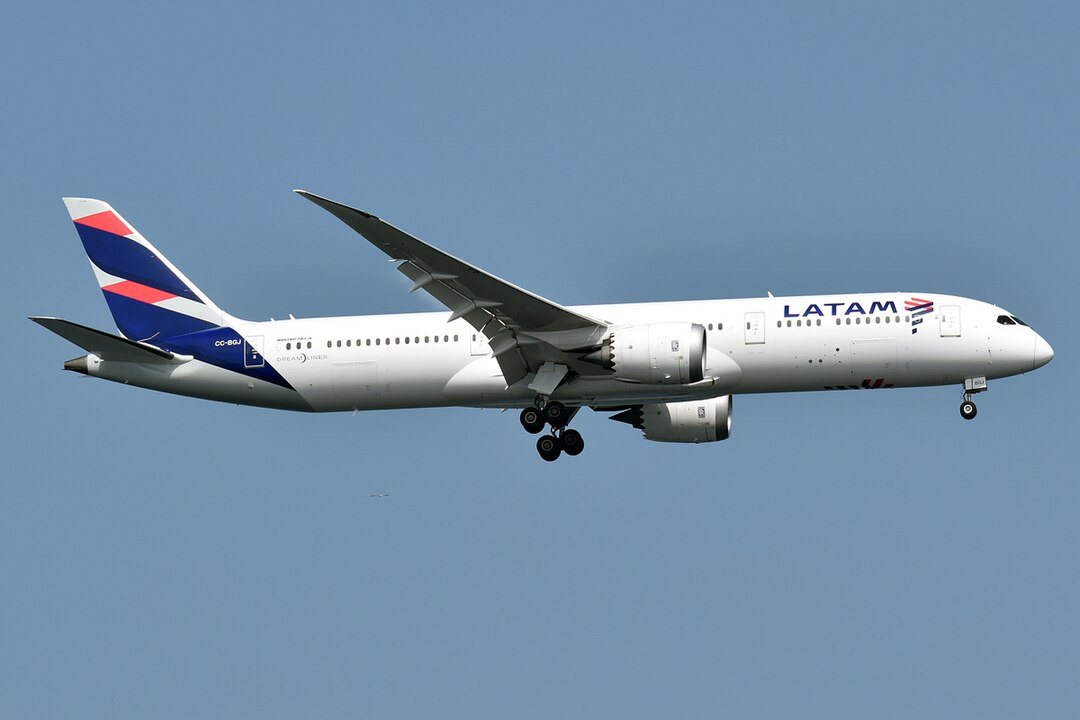
SYDNEY– A LATAM Airlines (LA) Boeing 787‑9 Dreamliner (registration CC‑BGG) experienced an unexpected inflight upset on 11 March 2024 while climbing through cruise altitude on a service from Sydney Airport (SYD) to Auckland (AKL).
The event occurred at about 41,000 feet and has since been attributed to an unsecured seat switch on the captain’s seat that was inadvertently activated by cabin crew.
Chilean aviation investigators from the JIA report that the cap of a rocker switch controlling the pilot’s seat had not been properly secured with adhesive, a measure recommended years earlier but not applied to the affected seat.
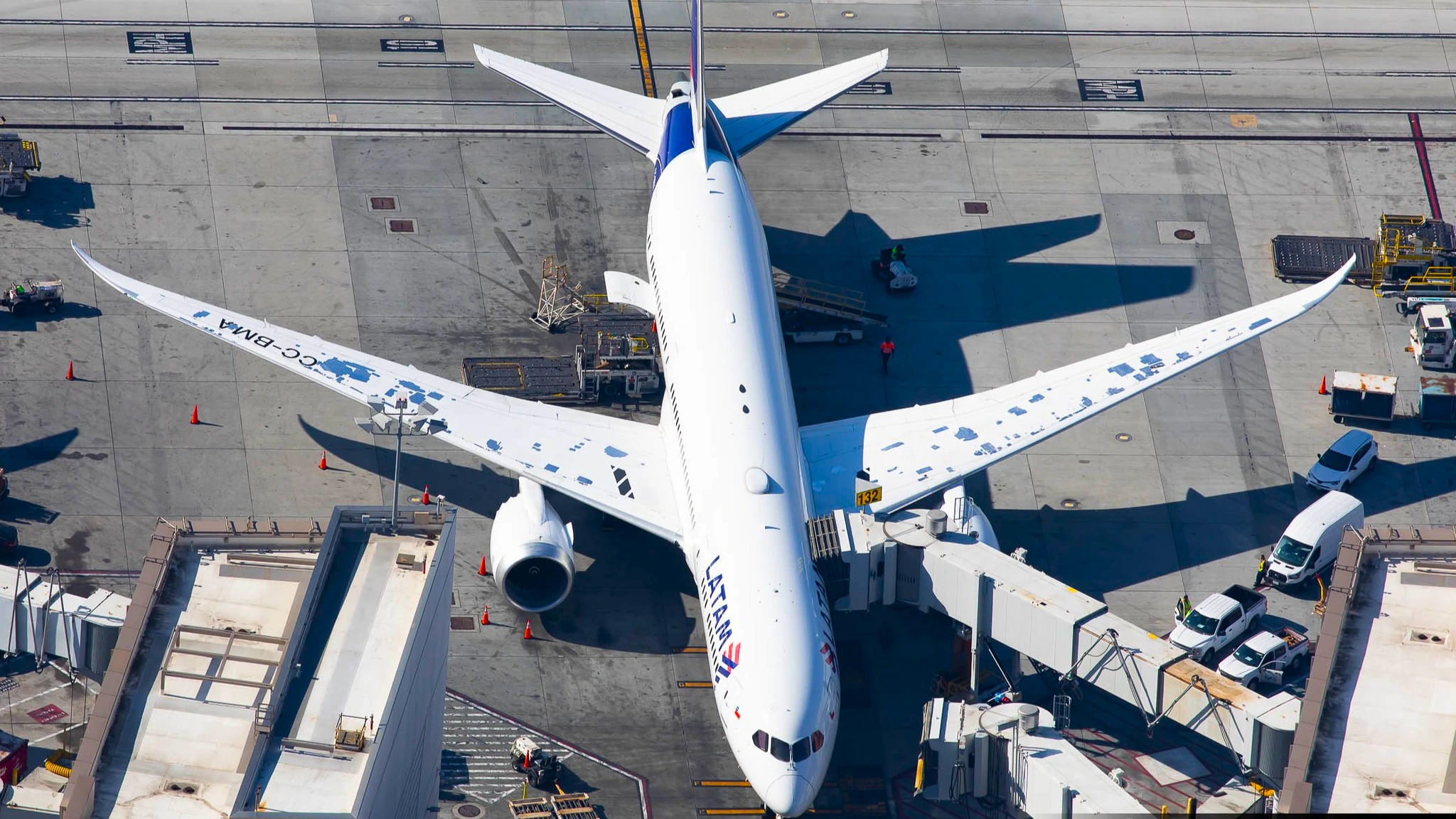
LATAM 787 Incident Overview
The flight attendants had completed the meal service when the cabin manager and one of the pilots were engaged in conversation in the flight deck.
Another flight attendant entered the cockpit to collect service trays and brushed against the upper rear side of the captain’s seat.
In doing so, the attendant applied force to a hinged guard flap designed to protect the seat‑adjustment rocker switch.
Because the switch cap was loose, the guard flap moved the cap and depressed the rocker switch, causing the captain’s seat to shift forward.
At the time, the captain was turned slightly to the right with his legs crossed. His legs became trapped against the control column when the seat moved unexpectedly. The seat displacement generated enough force to disengage the autopilot and initiate a rapid descent.
The aircraft pitched down sharply, descending at more than 3,000 feet per minute, according to investigators.
During the upset, the flight attendant described being lifted toward the cabin ceiling and briefly suspended before the first officer regained control. The recovery from the beginning of the seat shift to a stable flight path took approximately 12 seconds.
Injuries and Aftermath
Once the Dreamliner landed safely at its destination, three occupants required hospital treatment for injuries classified as serious, Flight Global reported.
Two of the injured were passengers, and one was a cabin crew member. The airline and regulatory bodies coordinated medical attention and further examinations as part of the post‑flight response.
The event prompted scrutiny of seat‑adjustment systems on Boeing 787 aircraft. Investigators highlighted that the issue of loose rocker switch caps was not new.
Documentation from the seat manufacturer, Ipeco, dated at least seven years ago, recommended that the cap be secured with adhesive.
Boeing had also issued guidance advising operators to incorporate that service bulletin after an earlier report of an uncommanded seat movement.
Despite this, at the time of the LATAM flight, the recommended fixes had not been applied to the captain’s seat involved in the incident.
Following the event, the United States Federal Aviation Administration published an urgent airworthiness directive requiring implementation of additional service bulletins.
The FAA noted it had received further reports of uncommanded pilot seat movement, with at least three linked to loose rocker switch caps.

Safety and Industry Response
Aircraft seating systems form a critical interface between pilots and flight controls and must meet stringent safety standards.
The broader aviation community, including airlines, manufacturers, and regulators, must prioritize adherence to service directives to prevent recurrence.
LATAM Airlines and Boeing have been working with authorities to mitigate risks associated with seat controls and ensure that all recommended modifications are implemented across affected fleets.
Stay tuned with us. Further, follow us on social media for the latest updates.
Join us on Telegram Group for the Latest Aviation Updates. Subsequently, follow us on Google News