Indonesia’s top meteorologists are warning the nation that extreme heat is to be expected this rainy season.
The newly appointed head of the Indonesian Meteorology, Climatology, and Geophysics Agency (BMKG) has shared detailed explanations as to what can be expected as La Niña arrives over the archipelago.
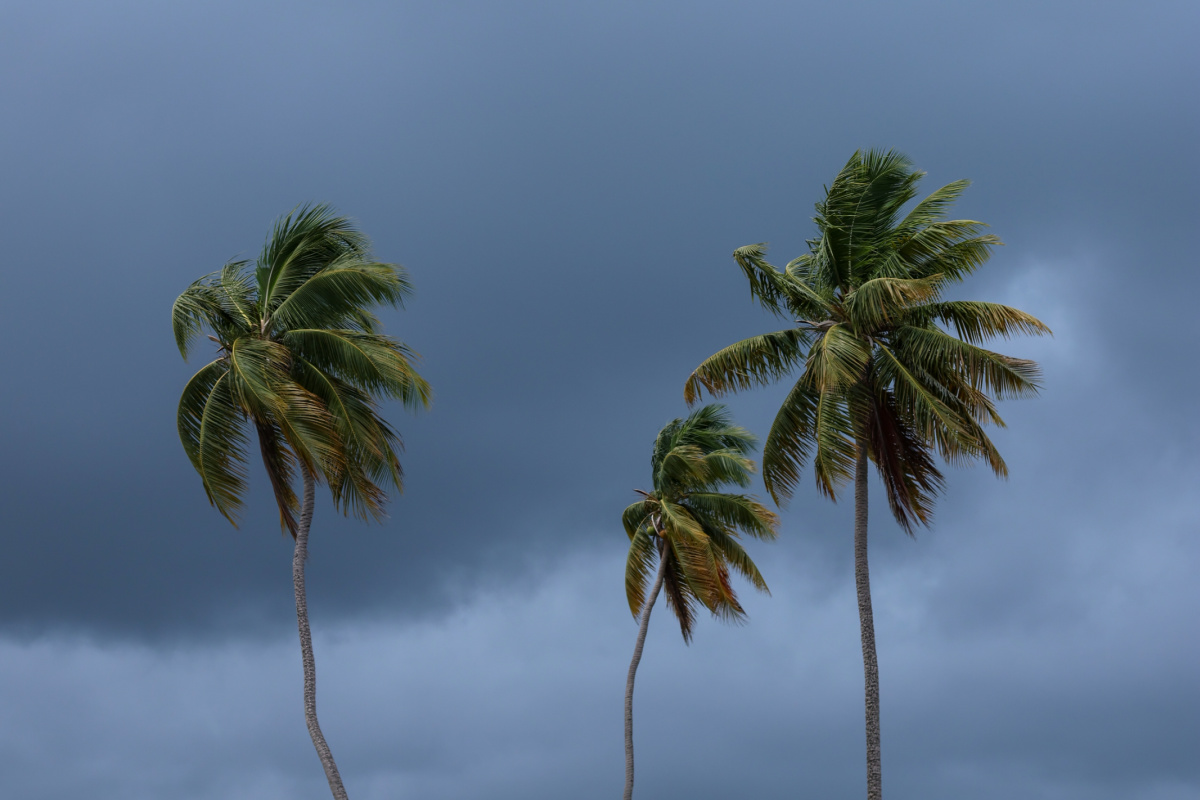
Speaking to reporters, the newly appointed Head of the Meteorology, Climatology, and Geophysics Agency (BMKG), Teuku Faisal Fathani, has called on provincial and local governments, as well as communities and each member of the public, to be aware of the potential risks posed by the La Niña climate phenomenon that will be observed over the country in the coming months.
Those in Indonesia, as well as those traveling to the country in the coming months, are being warned of tropical cyclones, flooding, and extreme heat, all of which are above and beyond the typical conditions observed at this time of year.
Fathani started out by highlighting the regions forecasted to be most intensely impacted by La Niña, including the risk of very high rainfall in Java, Bali, West Nusa Tenggara, East Nusa Tenggara, South Sulawesi, and Southern Papua.
Fathani told reporters, “A weak La Niña phenomenon is currently occurring and is predicted to persist until March 2026. However, its impact on increasing rainfall is not considered significant during the peak of the rainy season.” He added, “A weak La Nina will persist until early 2026, but its impact on rainfall during the peak of the rainy season will not be significant. However, high rainfall during this period still requires vigilance.”
He confirmed that, as forecasted projections stand, between February and April 2025, most provinces in Indonesia are expected to see rainfall intensity weaken and return to normal before the dry season begins. However, February is a long way off, and communities and government agencies are being urged to heed warnings and prepare for the worst-case scenario between late November and the end of December 2026.
Fathani shared, “The combination of global and regional factors such as weak La Niña and negative Dipole Mode (-1.61) causes the atmosphere to remain unstable and supports the formation of convective clouds in a number of regions.”
Adding “This increases the potential for heavy rain accompanied by strong winds, especially in North Sumatra, West Java, Central Java, Yogyakarta, East Java, Banten, West Nusa Tenggara, and South Sulawesi.”
Speaking separately, the Indonesian Minister of Public Works (PU) Dody Hanggodo, explained that the government is working to ensure that all agencies are as prepared as possible.
He shared, “The Meteorology, Climatology, and Geophysics Agency (BMKG) has warned that rainfall intensity in various regions of Indonesia will increase significantly, potentially causing flooding and landslides in several areas. Therefore, I emphasize the importance of mitigation measures and preparedness from all levels of government, both central and regional.”
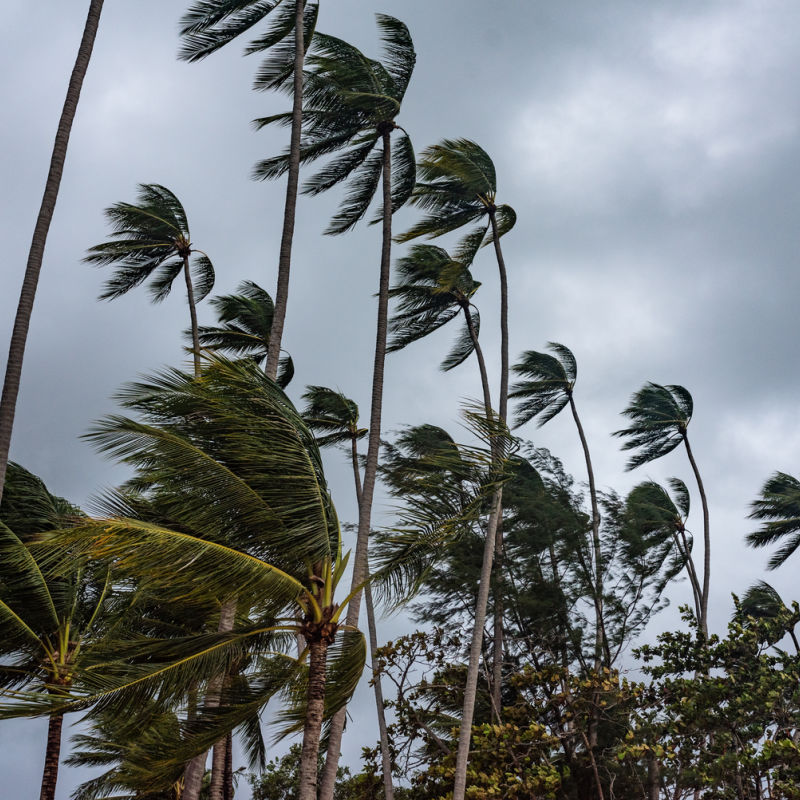
Adding “This isn’t just information, but our shared responsibility. We must work in a coordinated manner and not act in isolation. Collaboration between agencies, including the central and regional governments, the Indonesian National Armed Forces (TNI), the Indonesian National Police (Polri), and the community, is essential to ensure a swift, precise, and effective response on the ground.”
He concluded, “As directed by the President, the government must always be present and responsive to emergency situations. We may not be able to completely control nature, but we can ensure that the infrastructure we have built is resilient and functions well in the face of these challenges.”
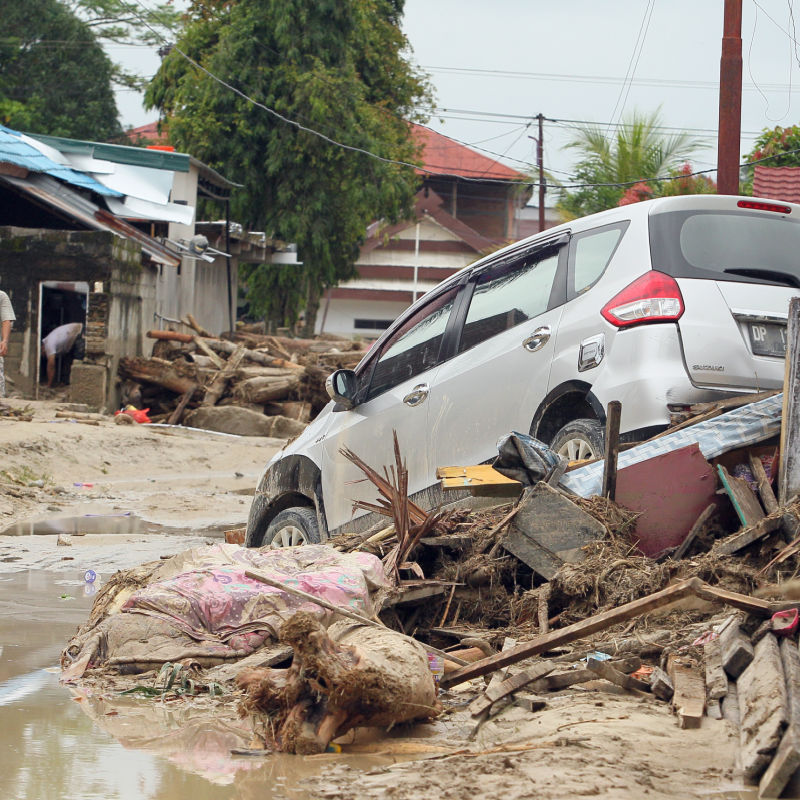
For tourists traveling to Bali, these warnings are not a call to change plans, but rather an opportunity to prepare for every eventuality prior to travel.
These warnings from the Meteorology, Climatology, and Geophysics Agency highlight the importance of comprehensive travel insurance. In September, the Bali Provincial Government declared a ‘force majueure’ during the worst flooding the island had experienced in 70 years.
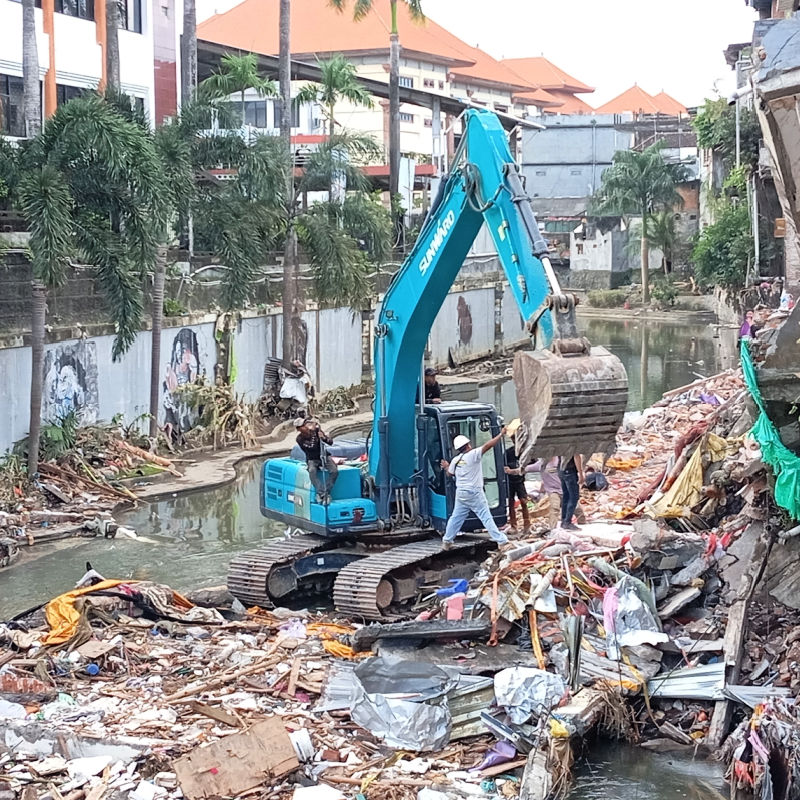
Tourists should have their itinerary ideas list filled with some rainy day activities and contact their hosts directly to understand what disaster mitigation protocols are in place and what support will be available to them in the event of an emergency.
Discover more from The Bali Sun
Subscribe to get the latest posts sent to your email.


