Published on
February 23, 2026
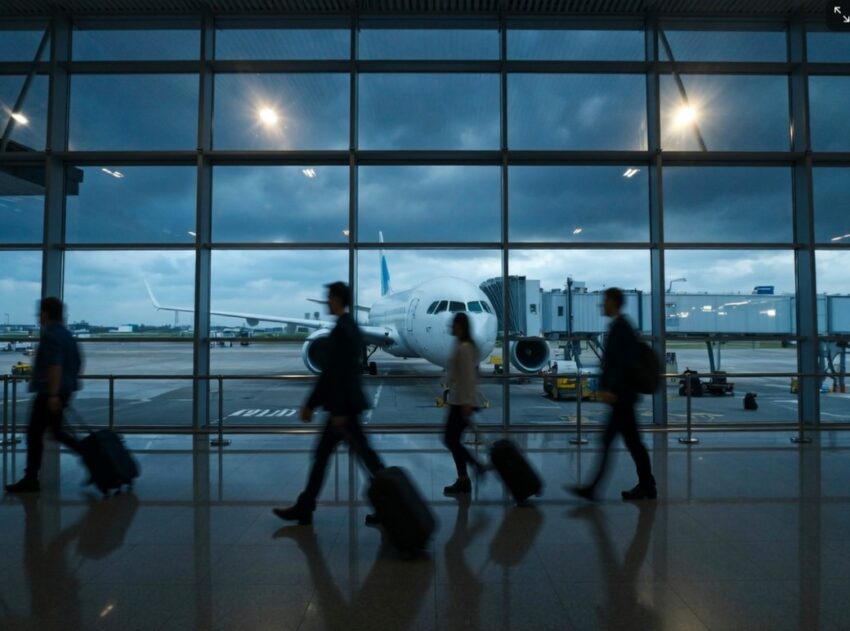
Image generated with Ai
In February 2026, Mexico faced chaos when drug cartels clashed with federal forces, causing widespread travel disruptions. Major airports like Guadalajara International Airport, Licenciado Gustavo Díaz Ordaz, and Cancún International were affected by roadblocks, burning vehicles, and escalating violence. While the airports remained open, flights were delayed and cancelled, and passengers faced uncertainty. Authorities deployed law enforcement to secure travel hubs. Yet, the power of criminal groups was evident as tourists and locals feared for their safety. In Puerto Vallarta, Manzanillo, and Mexico City International, shelter-in-place orders were issued. Tourism felt the sting, with airlines and hotels facing financial setbacks. Government advisories urged travellers to avoid non-essential movement and stay updated on flight schedules. Despite the power of the cartel’s impact, Mexico continues efforts to restore order and rebuild its tourism reputation. The long-term effects remain uncertain, but security measures will likely remain a focus.
In February 2026 the peaceful face of Mexico was ripped apart by a coordinated crackdown on drug cartels. The government announced operations. Criminal groups retaliated with fiery roadblocks. Burning buses and trucks were placed on highways. Access to airports was severed. Flights were delayed and cancelled. A shelter in place order was issued to consulate staff. Violence spread across Jalisco and Quintana Roo. Cars were halted. Travellers were trapped in airports and hotels. News described the mayhem. Tension escalated everywhere quickly. Official advisories emphasised the seriousness and told citizens to stay put. Chaos was fuelled by raw power and fear[1][2].
Guadalajara International Airport was caught at the heart of the turmoil. Access roads were blocked by burning vehicles. Passengers were stranded. Flights were delayed and cancelled. Chaos was felt in terminals. The airport remained open but operations were crippled. Law enforcement was deployed. Travellers were told to remain calm. The sense of power wielded by criminal groups was terrifying. Airport staff kept working. Officials warned about petty crime and told travellers to protect belongings. People who tried to reach the airport were stopped. Loudspeakers announced delays. Authorities insisted that the airport was not closed but passengers felt trapped and fearful[1][3].
Puerto Vallarta’s airport, officially known as Licenciado Gustavo Díaz Ordaz International Airport, was turned into a scene of terror. Roadblocks with burning vehicles closed the roads. People could not reach the terminals. Flights were delayed and cancelled. A shelter in place order was issued to residents and travellers. Taxi and rideshare services were suspended. Travellers were told to monitor media and check flight schedules. The airport remained open but passengers were trapped inside. Local businesses shut doors. Families waited with anxious eyes. The power of the cartels to paralyse a tourist hub was displayed. Fear was palpable in every corner[1][4].
Cancún International Airport, the gateway to the Caribbean resort region, was spared direct violence but was engulfed by uncertainty. Authorities warned that roadblocks could spread. Travellers were told to keep a low profile and monitor local media. Many checked flight schedules before leaving hotels. Access roads were guarded by security forces. The airport remained open but the mood was tense. The power of the crisis was felt as tourism fears surged. Flights operated but delays mounted. Police patrols increased. Hotels arranged shuttles for guests. Panic lingered everywhere. Officials reminded travellers to avoid showing signs of wealth and to protect belongings[1][5].
The small Aeropuerto Internacional de Manzanillo felt the tremors of the crackdown. Roadblocks on the surrounding highways slowed traffic. Flights were delayed. Travellers waited in small terminal halls. Cargo deliveries were disrupted. The airport remained open but resources were strained. The power dynamic between the state and criminals played out. Security forces patrolled the perimeter. Families huddled together. Rumours spread quickly. Passengers were urged to check flights before leaving shelters and to avoid showing valuables. Local police received support from the military. At night, the terminals glowed with emergency lights. The rural hub witnessed fear and resilience in equal measure[2][5].
Advertisement
Advertisement
In Mexico City International Airport, the nation’s busiest hub, operations continued but anxiety was high. Travellers watched news screens with fear. The airport was not closed but the spectre of violence loomed. Law enforcement presence increased. Passengers were cautioned to guard their belongings as petty crime risk remained high. Officials urged travellers to avoid showing signs of wealth. The power struggle between security forces and organised crime was discussed in whispers. Soldiers were stationed nearby. Even as flights departed, passengers felt vulnerable. Checkpoints were set up outside terminals too. The capital’s gateway turned into a symbol of vigilance and resilience[3][6].
The government’s immediate response to the crisis was swift. Staff at U.S. consulates were ordered to shelter in place. Travel advisories were issued urging citizens to stay indoors. Taxis and ride shares were suspended in affected areas. Airports were not closed but caution was necessary. Messages urged a low profile. The power of government messaging aimed to calm the population. Social media channels were monitored to counter rumours. Embassy hotlines provided guidance. Press conferences were held. Similar orders were echoed by Canadian officials who told travellers to monitor media and follow instructions. Sheltering in place became a lifeline for safety[7][5].
Advertisement
Advertisement
Criminal groups erected roadblocks across multiple states. Burning buses and trucks were used to stop traffic. Highways leading to airports were turned into battlefields. Travellers were forced to stop in the middle of the road. Drivers abandoned vehicles. The roads were littered with debris. Helicopters hovered overhead as security forces tried to clear passage. The power of the blockade halted supply chains. Flight schedules collapsed as passengers were unable to reach airports. The scenes of chaos were unmatched in recent history. Roads were dark at night. Emergency crews struggled to remove burning hulks. The destruction of infrastructure amplified fear everywhere[1][2].
The mayhem had a profound impact on international flights. Airlines cancelled services to and from affected regions. Tourists were stranded in hotels and airports. Cruise ship passengers were delayed. The image of Mexico as a safe destination was damaged. Travel agencies scrambled to assist clients. The economic power of tourism was threatened by criminal violence. Airlines faced costly rescheduling. Flight crews were caught in the chaos. Travel insurance claims surged. Travel plans were ruined. Visitors who had planned beach holidays were left feeling unsafe. Hotels saw cancellations almost overnight. The crisis demonstrated how quickly tourism can be halted by insecurity[1][2].
During the crisis travellers were urged to stay safe. Advisories instructed them to keep a low profile and avoid unnecessary movement. People were told to monitor local media and follow instructions from officials. Travellers were reminded to check flight schedules before heading to the airport. The power of these advisories lay in their clarity. Officials warned about petty crime in airports and bus stations. Carrying expensive jewellery was discouraged. Passengers were told to safeguard valuables and documents. People were told not to resist criminals if robbed. Safety tips were posted on embassy websites. Even when flights resumed, caution was emphasised[5][8].
Security at airports and transit hubs was visibly tightened. Soldiers and federal police were deployed to guard entry points. Patrols walked through terminals carrying rifles. Checkpoints were established at road entrances. Vehicles were searched. The power of the state was on display. Passengers underwent additional screenings. Cameras monitored every corner. Security dogs sniffed luggage. These measures reassured travellers but made others nervous. The deployment of the navy, army and national guard underscored the seriousness of the threat. Curfews were enforced around certain airports. Public buses were escorted by armed vehicles. Helicopters patrolled overhead to deter attacks. power lights stayed on[6].
The crisis highlighted the influence of organised crime in Mexico. Drug cartels orchestrated roadblocks, fires and intimidation. Their actions paralysed regions. Highways were blocked by burning buses. Airports were surrounded by fear. The power of these organisations was undeniable. Their reach extended beyond rural areas into tourist centres. The government responded with military force. Analysts explained that cartels use terror to disrupt daily life. Residents understood the risks. Organised crime has long controlled smuggling routes and local economies. Their presence at airports exposed vulnerabilities. Communities were held hostage. Businesses shuttered. The events of February 2026 showed the country’s ongoing struggle[2][6].
The heavy response to the crisis was characterised by coordinated law enforcement and military operations. Troops, marines and police were deployed across multiple states. Checkpoints and patrols were established. Arrests were made. The aim was to dismantle cartels and restore order. The power of the state was projected through convoys and helicopters. Roadblocks were cleared under armed guard. Consular staff were protected by security details. Operations continued day and night. Vehicles were inspected. Command centres coordinated responses across regions. Citizens observed the surge. The presence of federal and state forces demonstrated that the government would not yield to criminal intimidation[6][7].
The attacks had a strong economic impact. Airlines lost revenue from cancelled flights. Hotels faced a surge of cancellations. Restaurants closed temporarily. Tourism, a major economic power in Mexico, suffered a blow. Local vendors were deprived of customers. Transportation companies had to reroute vehicles. The cost of security operations was high. Insurance premiums may rise. The travel industry relies on stability. Airlines had to rebook passengers and provide refunds. Cruise lines considered rerouting ports. Souvenir sellers lamented empty streets everywhere. This crisis showed that violence can undermine entire sectors. Long term damage could occur if confidence is not restored quickly[1][2].
Images of burning vehicles and stranded tourists were broadcast constantly. Headlines screamed of chaos. Social media platforms amplified rumours. Many viewers were frightened. Public reaction was a mixture of anger and fear. Voices demanded stronger action against cartels. The crisis was used by some outlets to push narratives. The power of media to shape perception was evident. Officials urged citizens to rely on verified advisories. Calls for calm were repeated. Photos of soldiers at airports went viral globally. Interviews with stranded families drew sympathy. Government press briefings were live‑streamed everywhere. The intense coverage was unmatched and influenced how people reacted[2][5].
After several days the situation gradually stabilised. Roadblocks were cleared. Burning vehicles were removed. Security operations continued but the immediate threat eased. Authorities lifted shelter in place orders. Flights resumed normal schedules. Travellers cautiously returned to airports. The power of resilience was visible. Airlines offered rebooking assistance. People ventured out of hotels. Government advisories were updated to reflect improved conditions. Taxi services restarted. Businesses reopened their doors. Tourists cautiously began exploring again. Buses resumed service slowly. Police maintained patrols everywhere. Still, officials urged caution and monitoring of media. The process of returning to normal showed how fragile stability can be[1][7][5].
In the aftermath of the crisis, calls for long‑term security measures were made. Authorities discussed strengthening intelligence and surveillance. Cooperation between federal, state and agencies was emphasised. The power of information sharing was highlighted. Investments in infrastructure resilience were proposed. Training for airport staff was planned. Drills were scheduled. Community engagement was considered vital. The events served as a warning that complacency can be costly. The national conversation turned toward addressing underlying causes of organised crime and improving socioeconomic conditions. Experts recommended emergency funds for the travel industry. New technologies such as biometric screening were suggested. Ongoing vigilance was urged[6].
This crisis did not occur in isolation. Mexico has long faced security challenges in its travel sector. Drug cartels have previously targeted highways and public transportation. Airports have been sites of crime and theft. Travellers have been warned to safeguard belongings and avoid showing signs of wealth. The power of criminal organisations to disrupt travel is part of a broader pattern. Authorities have periodically deployed military and police to maintain order. Past incidents have included hijackings, robberies and kidnappings. Statistics show rising travel warnings. Previous years saw similar disruptions during cartel crackdowns. The February 2026 crisis fits into this context[3][6].
Looking Ahead: Travellers’ Vigilance and Resilience
Going forward, travellers will need to remain vigilant. Monitoring local media and following advisories will remain important. Travellers should maintain a low profile and avoid displaying wealth. Carrying secure copies of documents and staying in groups can help. The power of resilience will guide travellers through uncertainty. Communities that depend on tourism will continue to welcome visitors. The government will likely invest in security. Travellers can empower themselves by staying informed. The events of February 2026 showed that safety is a shared responsibility. Keeping emergency numbers handy and knowing embassy contacts will be prudent. Rebuilding trust will take time together[5][8].
Category‑wise Summary of Incidents
| Airport | Disruption description | Official advisories and orders |
| Guadalajara International Airport | Roadblocks blocked access; flights delayed and cancelled; passengers stranded; increased law enforcement presence | U.S. security alert noted road blockages and flight cancellations in Guadalajara while clarifying that airports were not closed[1] |
| Puerto Vallarta Airport (Licenciado Gustavo Díaz Ordaz) | Burning barricades halted travel; flights cancelled; shelter‑in‑place order; taxis and ride shares suspended | Canadian advisory reported shelter‑in‑place order and suspension of taxis and rideshares[4] |
| Cancún International Airport | Uncertainty and heightened security; flights operated with delays; travellers advised to monitor media; police patrols increased | Advisories urged low profiles, monitoring local media and checking flight schedules[5] |
| Manzanillo Airport | Highways blocked; delays in flights; travellers urged to check with airlines; limited resources; support from military | Travel advisories warned of roadblocks and advised travellers to monitor media and stay sheltered[2][5] |
| Mexico City International Airport | No closure but heightened fear; increased policing; checkpoints outside terminals; vigilance urged due to petty crime | Canadian advisory highlighted petty crime in airports and recommended safeguarding belongings[3] and noted deployment of military and police[6] |