CHIBA— Narita International Airport (NRT) operator has informed Japan’s government that it may initiate compulsory land acquisition to accelerate long-delayed expansion works. The move comes as passenger demand surges, driven by record inbound tourism and increased cargo traffic.
Narita International Airport (NRT) President Naoki Fujii met Transport Minister Yasushi Kaneko to discuss ongoing challenges in securing land. He warned that delays in acquisition could push back the planned March 2029 opening of new and expanded runways.
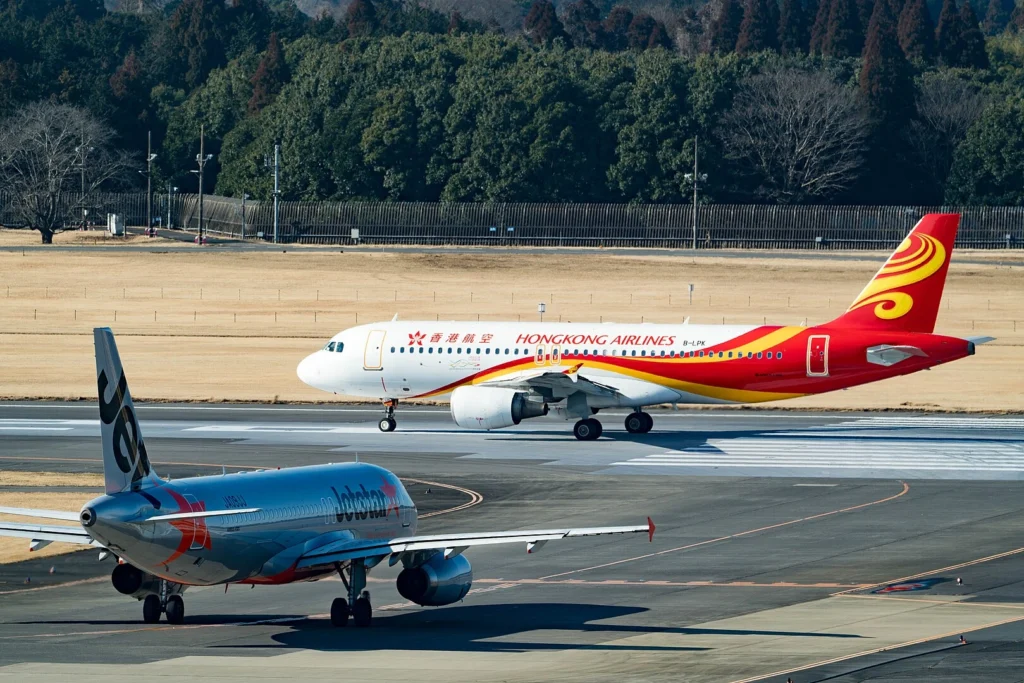
Narita Airport Expansion Challenges
The airport’s expansion project, often described as its “second opening,” aims to significantly boost capacity. However, land acquisition remains incomplete, with only 89.7 percent of the required 1,099 hectares secured as of late March.
Several landowners continue to resist selling their properties, citing dissatisfaction with compensation terms. This resistance has slowed progress despite ongoing negotiations and government backing.
Fujii emphasized that without securing the remaining land parcels, construction timelines will remain uncertain. He indicated that invoking Japan’s land expropriation law is now under consideration to overcome the impasse.
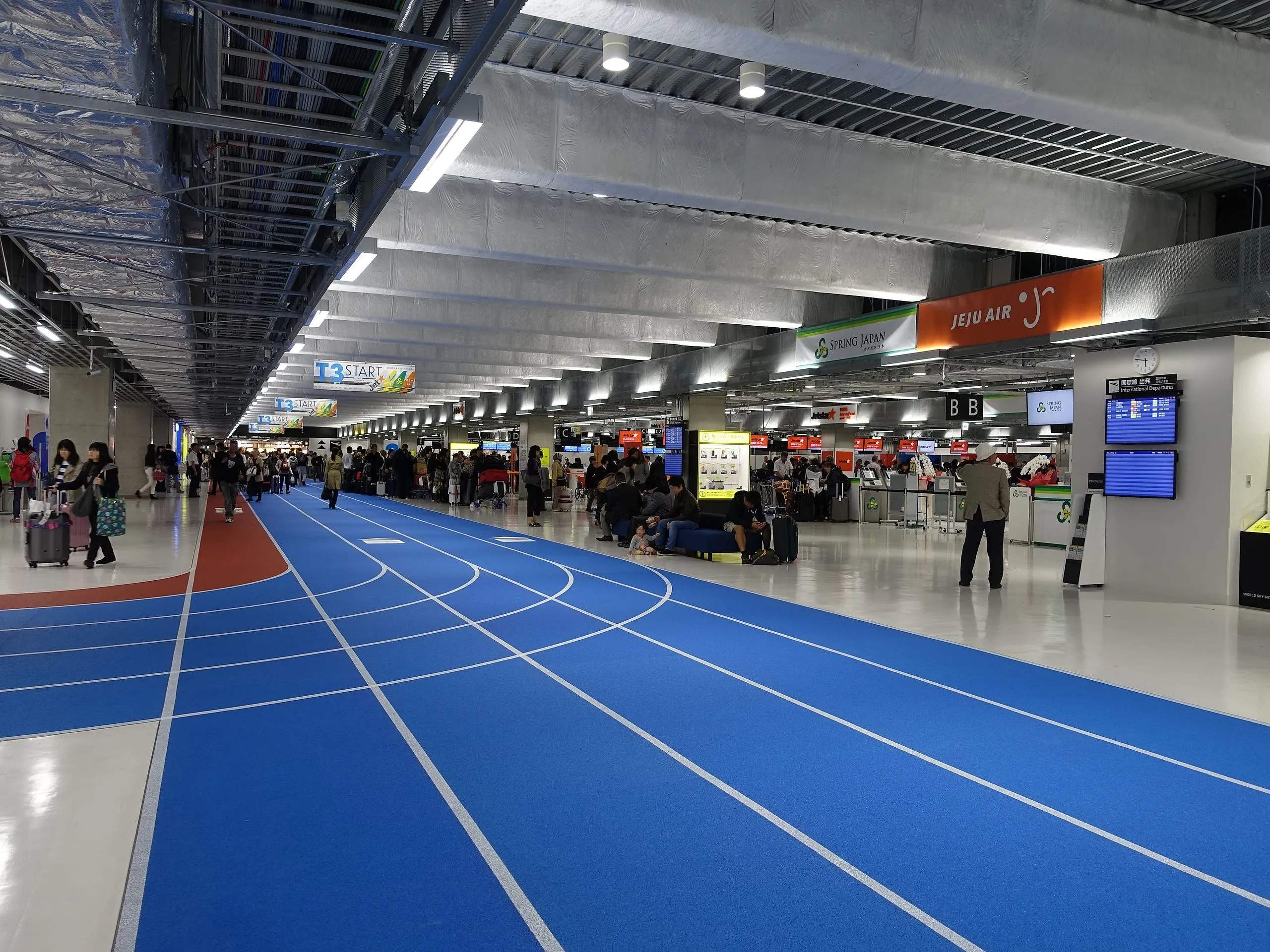
Government Response to Land Expropriation
Transport Minister Kaneko acknowledged the importance of the airport’s expansion for national connectivity and economic growth. He expressed understanding of the potential need for compulsory acquisition under Japanese law.
At the same time, Kaneko urged the airport operator to prioritize dialogue with local residents, who will be most affected by the expansion. He stressed that voluntary agreements should remain the preferred path, even as legal options are evaluated.
This balanced approach reflects the government’s effort to avoid repeating past conflicts.
According to The Mainichi, Narita Airport’s original construction in 1978 faced intense protests due to forced land acquisition, leaving a lasting legacy in the region.
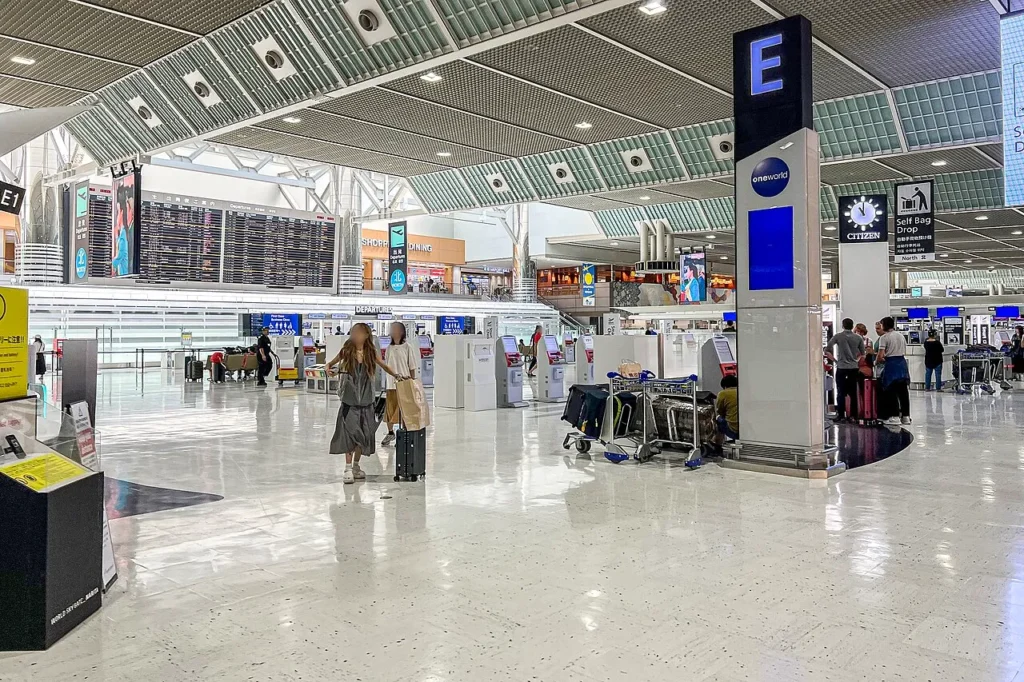
Narita’s Capacity Growth Plan
Construction of a new 3,500-meter Runway C and the extension of the existing 2,500-meter Runway B by 1,000 meters began in 2025. These upgrades aim to address rising passenger volumes and expanding logistics demand.
Once completed, the airport’s total area will nearly double to 2,297 hectares. Annual aircraft movements are expected to increase from 340,000 to 500,000 slots, significantly enhancing operational capacity.
Fujii stated that the operator aims to prioritize the opening of the extended Runway B by fiscal 2029, provided land acquisition hurdles are resolved. This phased approach could help partially meet demand even if full expansion faces delays.
Stay tuned with us. Further, follow us on social media for the latest updates.
Join us on Telegram Group for the Latest Aviation Updates. Subsequently, follow us on Google News


