UNITED STATES— A viral passenger account from a domestic US flight has sparked widespread discussion about cabin air quality after an onboard odor reportedly persisted for the duration of a five-hour journey.
The flight became uncomfortable when one traveler allegedly experienced repeated gastrointestinal issues. Cabin crew intervened by distributing face masks and spraying air freshener, a response that raised questions about why the smell failed to dissipate despite modern aircraft filtration systems.
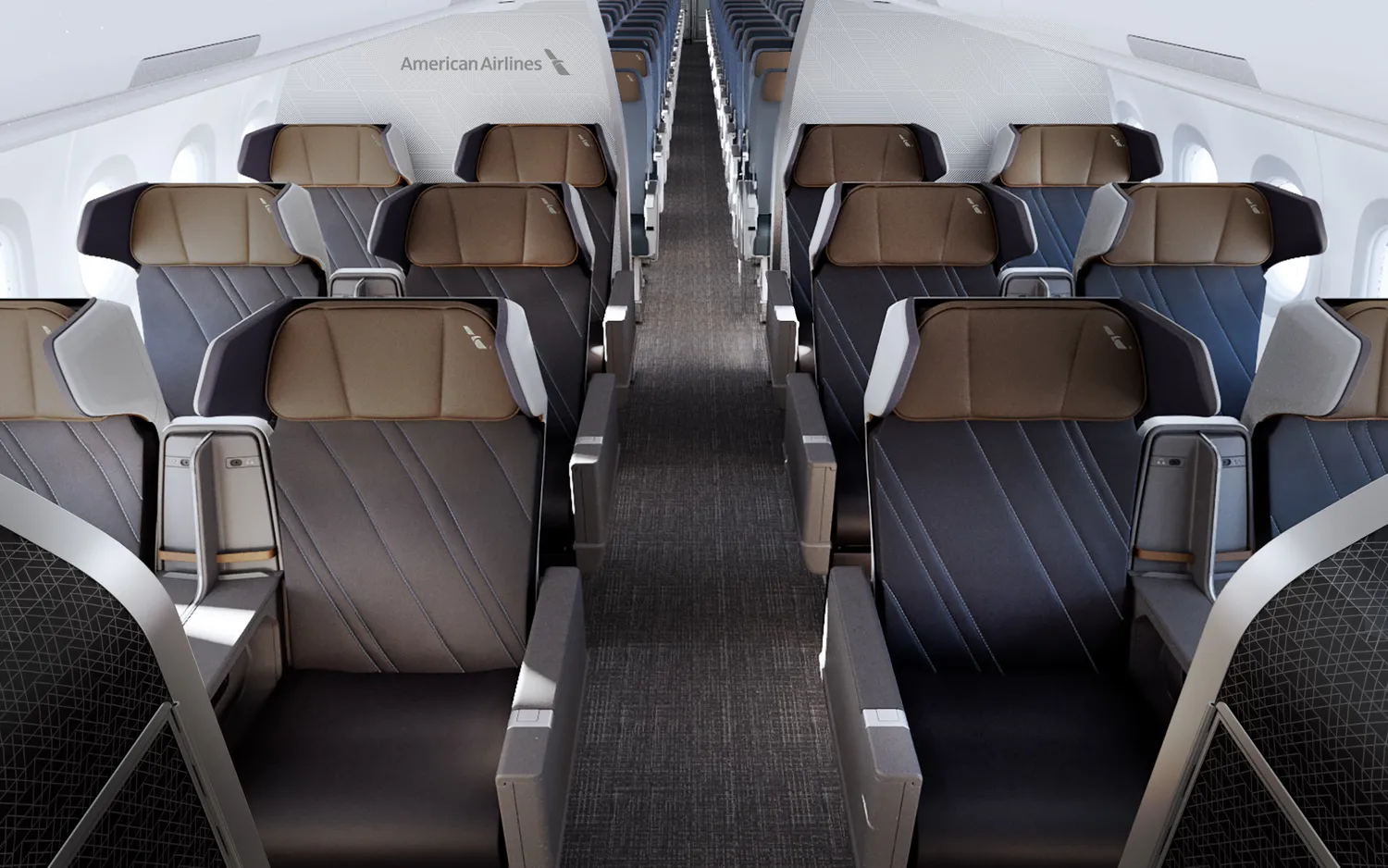
Passenger Creates 5-Hour Ordeal
Commercial aircraft cabins rely on a mix of fresh and recirculated air to maintain comfort and safety. At cruising altitude, most modern jets supply approximately 50 percent fresh outside air and 50 percent recirculated air that passes through high-efficiency particulate air filters.
Cabin air is fully refreshed every two to three minutes, equating to roughly 20 to 30 air changes per hour. This rapid turnover is designed to reduce airborne particles and pathogens, not to eliminate odors caused by gaseous compounds.
Airflow in the cabin typically moves from ceiling vents down toward the floor rather than front to back. This design limits how far particles travel but does not prevent smells from lingering near their source, Viewfromthewing reported.
HEPA Filter Limits
HEPA filters are highly effective at removing solid and liquid particles, including dust, aerosols, bacteria, and most virus-carrying droplets. These systems capture up to 99.97 percent of particles above a specific size threshold, making modern cabins comparatively clean from a health perspective.
However, odor molecules behave differently because they are gases rather than particles. Most gaseous compounds pass directly through HEPA filters, which explains why unpleasant smells can remain noticeable even when air circulation functions normally.
Some aircraft feature limited odor-absorbing components, such as carbon-based filters, but these systems are not universal. As a result, repeated odor release in a confined seating area can overwhelm ventilation dilution.
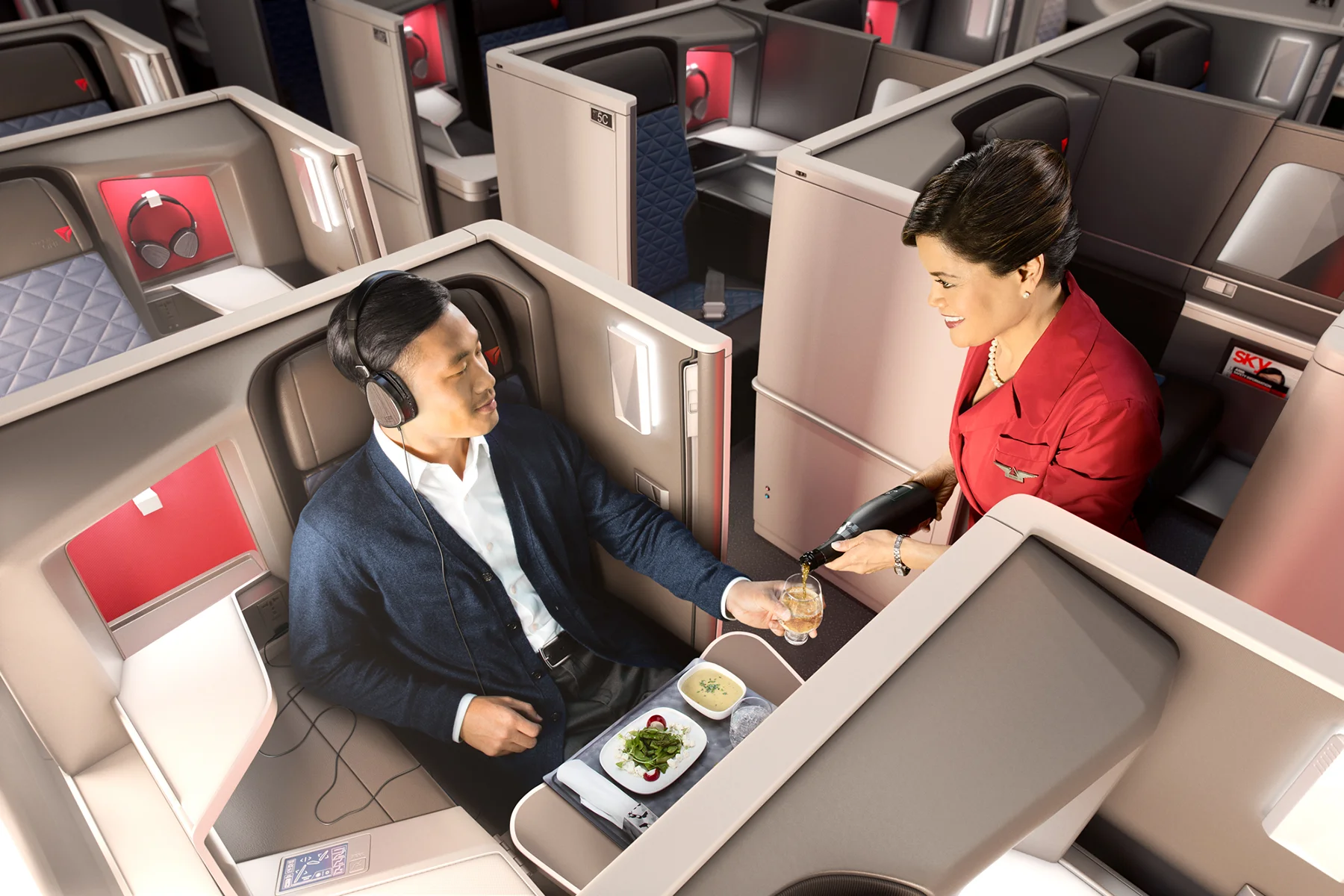
Why Smells Persist
Physiological changes during flight contribute to increased gas production among passengers. Lower cabin pressure causes gases in the digestive system to expand, making flatulence more frequent even in healthy individuals.
On a full aircraft, this effect multiplies across dozens or hundreds of passengers. When emissions occur repeatedly from the same location, the ventilation system reduces intensity but cannot fully eliminate the smell before it reappears.
Seat materials may also play a role. Fabric upholstery absorbs odors more effectively than leather, which can allow smells to linger longer in premium cabins or newer interiors.
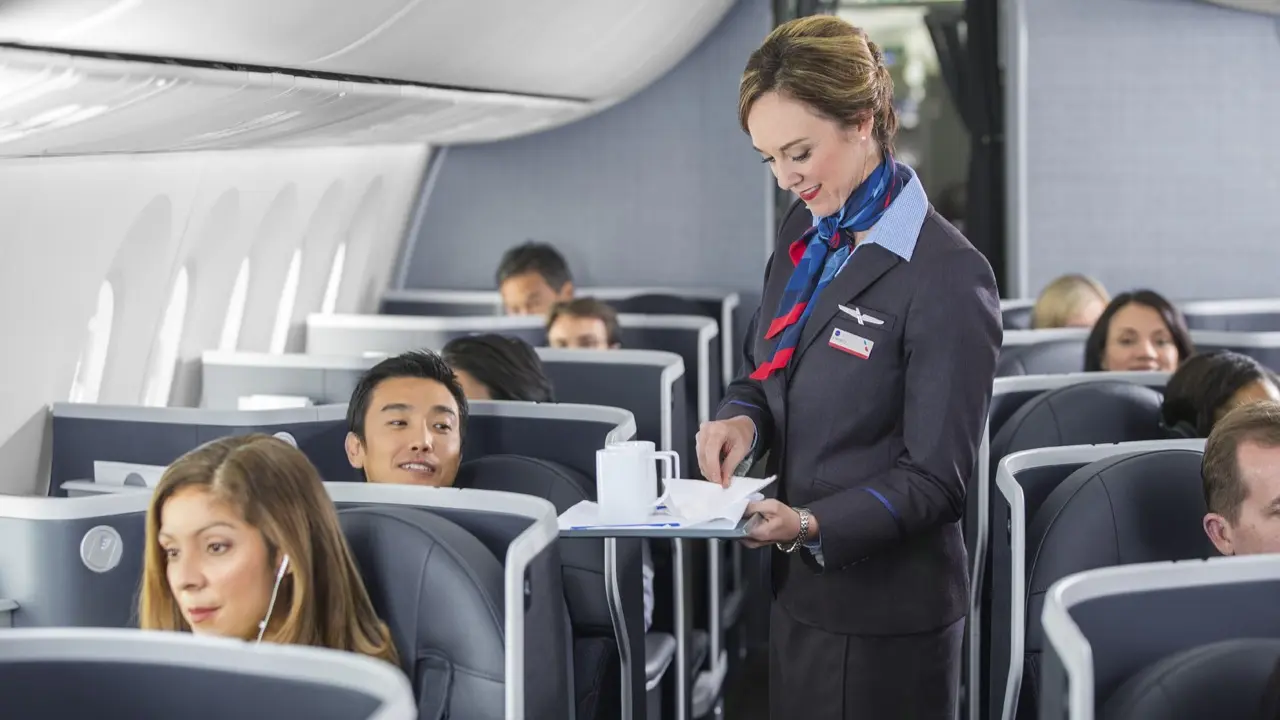
Bottom Line
The five-hour odor incident highlights a common misunderstanding about aircraft air filtration. While modern jets excel at controlling airborne illness, they are not designed to neutralize persistent gaseous smells.
When odors recur continuously, even the best ventilation systems cannot provide immediate relief, leaving crew and passengers to rely on masks, air fresheners, and patience.
Stay tuned with us. Further, follow us on social media for the latest updates.
Join us on Telegram Group for the Latest Aviation Updates. Subsequently, follow us on Google News


