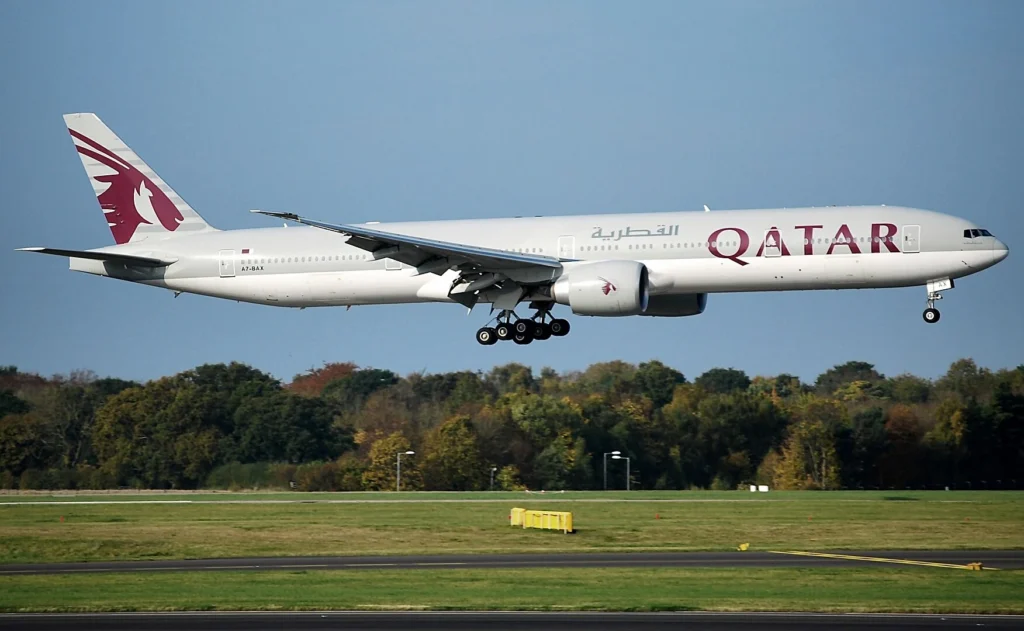
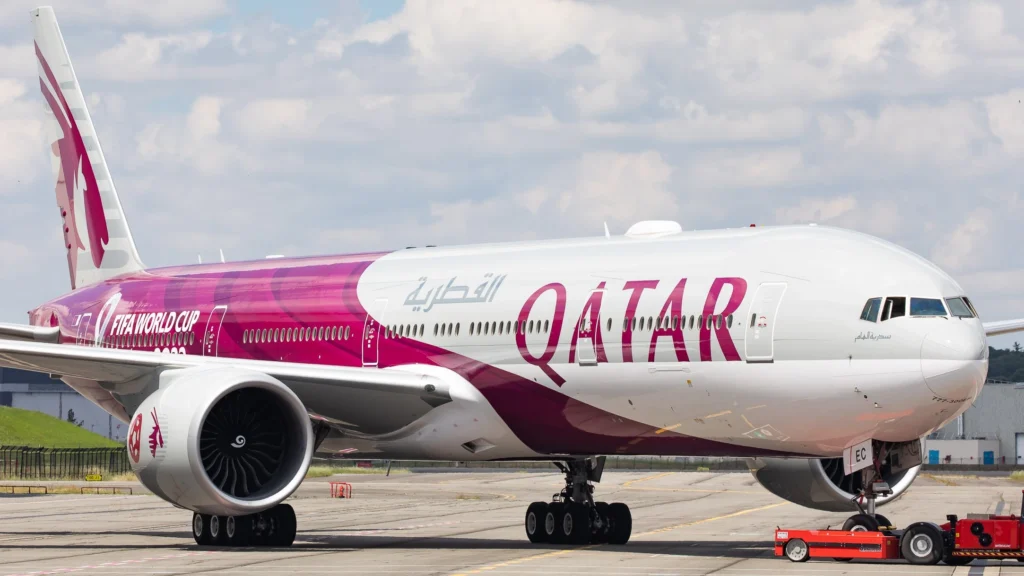
DOHA- Qatar Airways (QR) will launch new flight operations to Caracas (CCS), Venezuela, and Bogotá (BOG), Colombia, starting 22 July 2026. The carrier becomes the first Gulf airline to serve Venezuela and the first to operate direct flights from the Middle East to both capital cities.
The new twice-weekly service will operate from Hamad International Airport (DOH) in Doha. This addition marks the 15th and 16th destinations served by Qatar Airways (QR) in the Americas region, reinforcing its previously announced commitment to expand global connectivity.
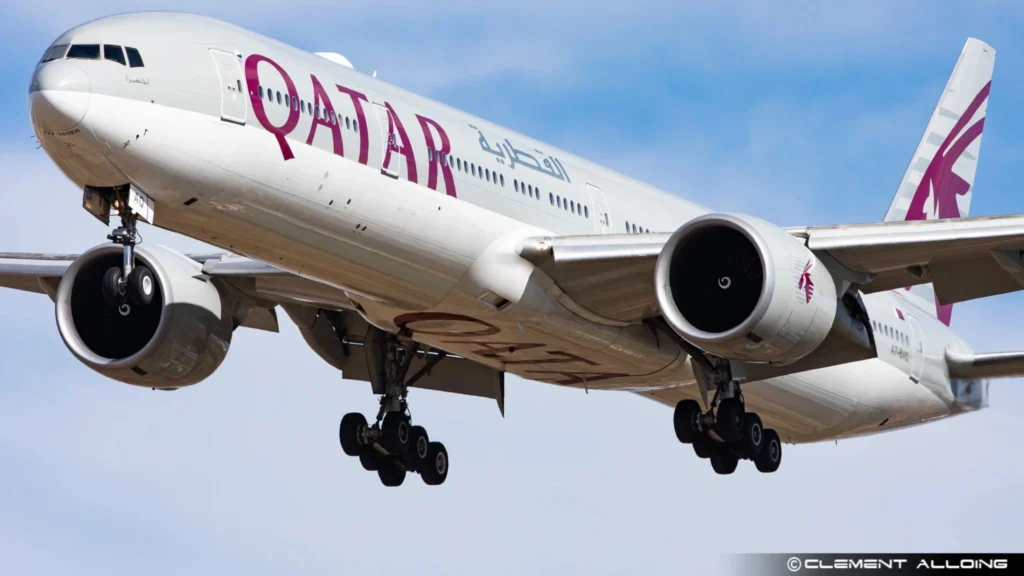
Qatar Airways Two New Destinations
Qatar Airways will operate two weekly flights to both Caracas and Bogotá, strengthening links between the Middle East and northern South America.
The route makes Venezuela accessible to Gulf-based travellers for the first time through a direct one-stop connection and gives Colombian travellers a new gateway to Asia, Oceania, and the Levant.
The schedule has been designed to enable smooth onward transfers through Hamad International Airport to key markets, including Australia, China, Japan, Lebanon, South Korea, and the United Arab Emirates. Passengers gain greater flexibility and seamless connection options across the carrier’s worldwide network.
The launch builds on the airline’s South American operations that began in 2010 with its inaugural service to São Paulo, Brazil. With Caracas and Bogotá added, Qatar Airways now serves 16 destinations across the Americas.
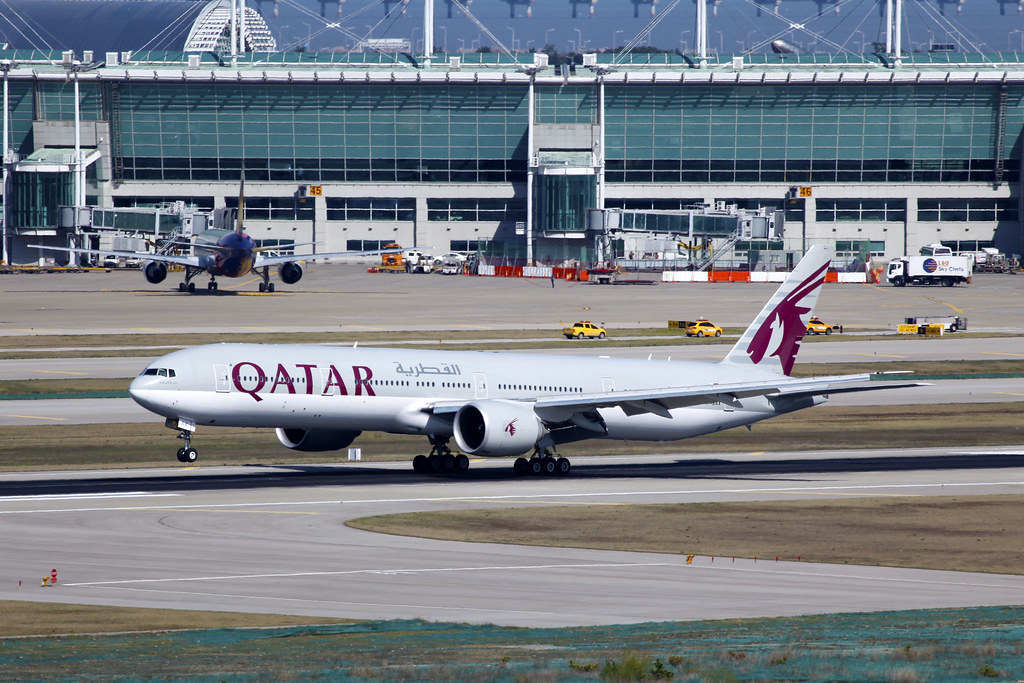
Flight Schedule and Routing
The new route operates every Wednesday and Sunday under a single flight number, QR783, with a tag-stop format linking both cities.
- Doha (DOH) to Bogotá (BOG): Flight QR783, Departure 07:30, Arrival 16:05
- Bogotá (BOG) to Caracas (CCS): Flight QR783, Departure 17:35, Arrival 20:40
- Caracas (CCS) to Doha (DOH): Flight QR783, Departure 22:40, Arrival 19:55 (+1)
The structure allows passengers to board in Doha and reach either Bogotá or Caracas on the same flight number, while the return leg operates as a direct service from Caracas back to the hub.
Global Network Rebuild
Qatar Airways is restoring its network to more than 160 global destinations this summer.
The Caracas and Bogotá additions form part of a broader push to deepen the carrier’s reach into underserved long-haul markets. Bookings are available through qatarairways.com and the airline’s mobile app.
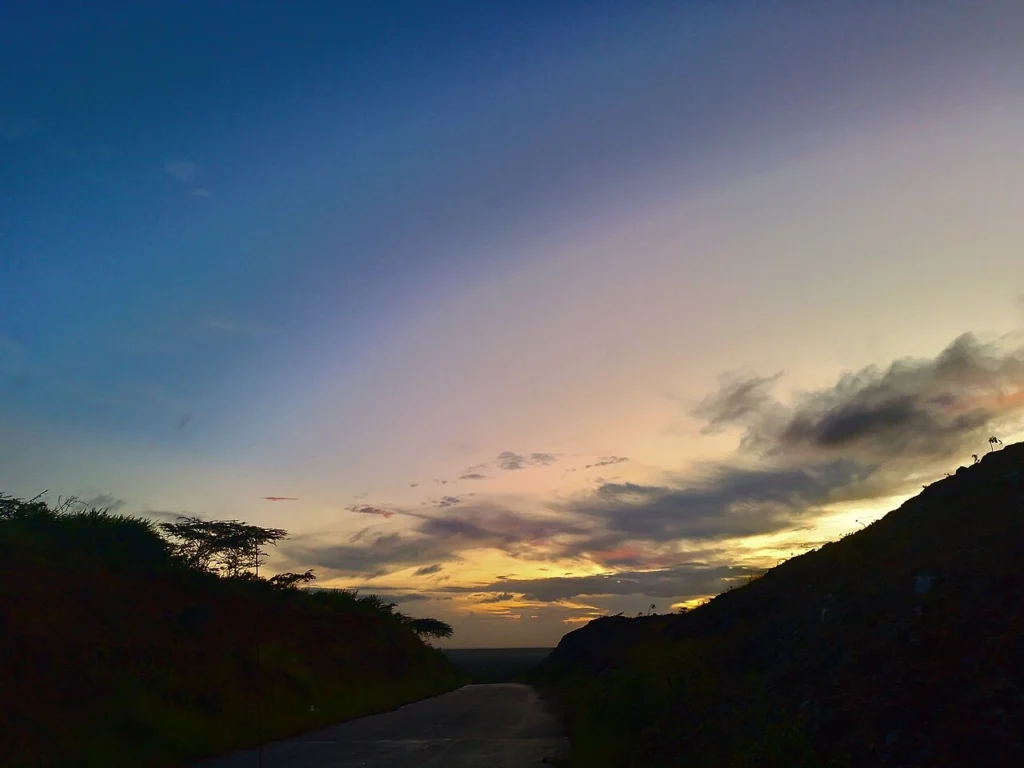
https://commons.wikimedia.org/wiki/File:Atardecer_en_la_Pen%C3%ADnsula_de_Paraguan%C3%A1,_Falc%C3%B3n_-_venezuela.jpg
Venezuela Travel Guide
Venezuela has re-emerged as one of South America’s most authentic travel destinations, offering the longest Caribbean coastline, the world’s tallest waterfall, and an unspoiled corner of the Amazon. Improving security, a dollarized economy, and a visa-on-arrival policy for most nationalities make the country accessible again after nearly a decade of crisis.
International travelers reach Caracas (CCS) via Iberia (IB) and Air Europa (UX) from Madrid (MAD), TAP Air Portugal (TP) from Lisbon (LIS), and Turkish Airlines (TK) from Istanbul (IST), with additional connections from Moscow (SVO), Mexico City (MEX), Panama City (PTY), and Bogotá (BOG).
Domestic carriers Avior Airlines (9V), Conviasa (V0), and Laser Airlines (QL) link Caracas (CCS) with key destinations such as Porlamar (PMV) on Margarita Island and Los Roques (LRV).
Understanding Venezuela as a Travel Destination Today
Venezuela carried a reputation as one of the most dangerous countries in the world for nearly two decades. Express kidnappings, muggings, and roadside assaults shaped daily life, with streets in major cities clearing after 6 PM. The collapse of the Venezuelan Bolívar, hyperinflation of nearly 10,000 percent by 2019, and the dollarization of the economy reshaped this landscape entirely.
Three factors drove the security improvement. The Government conducted aggressive raids on organized crime networks in specific shanty towns. Kidnapping became financially unviable as wealthy Venezuelans moved assets to bank accounts in Madrid and Miami, while ordinary citizens carried no cash worth stealing. A large share of criminal actors also migrated to Colombia, Ecuador, and Peru during the economic collapse.
Travelers should still apply standard Latin American precautions, including avoiding visible valuables and limiting solo movement after dark.
Visa Requirements for Venezuela
Most nationalities receive a free 90-day visa on arrival at international airports and land borders. American and Canadian passport holders are the exception and must apply through the Venezuelan embassy in either Mexico City (MEX) or Panama City (PTY). The process can take up to five months and the requirements change frequently.
Money, Currency, and Daily Budget
The Venezuelan Bolívar (VES) trades at roughly 36 VES to 1 USD, and the economy has fully dollarized. The US dollar functions as the primary currency for all transactions, with change under 1 USD typically returned in Bolívares.
Travelers should bring all funds in cash, preferably in small denominations. ATMs dispense only Bolívares and cap withdrawals around 25 USD equivalent. A persistent cash shortage means small businesses outside Caracas often cannot break larger notes. Locals rely on Pago Móvil, a domestic instant-payment app tied to Venezuelan bank accounts, which tourists cannot access.
Card acceptance is consistent in Caracas but unreliable elsewhere. Mastercard support varies by issuer, with some cards working and others failing without explanation.
Budget estimates vary sharply by region. Caracas remains expensive, with basic hotels in the Chacao district costing 100 USD per night and local meals averaging 15 USD. Touristy destinations such as Los Roques, Canaima, Los Llanos, the Orinoco Delta, and Roraima require daily budgets around 150 USD. Mérida and Margarita Island offer accommodation from 30 USD and meals around 4 USD. Cities like Valencia provide rooms for 20 USD and intercity buses rarely exceed 10 USD.
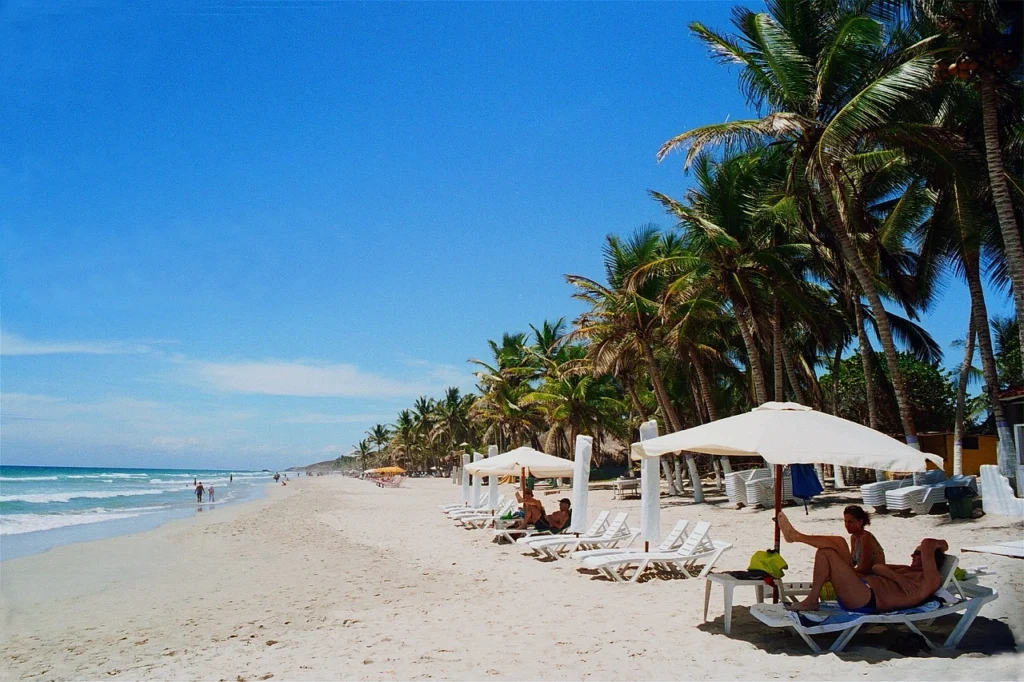
Best Time to Visit Venezuela
The rainy season runs from July to October. Waterfalls in Canaima National Park, including Angel Falls at 979 meters, run at peak volume during these months. Rainfall arrives in heavy bursts rather than continuous downpours.
The dry season runs from November to April. Coastal islands and Los Llanos wildlife safaris perform best in this window, with optimal conditions for spotting giant anteaters and five-meter anacondas. Canaima receives less water late in the dry season, so March and April are not recommended for the waterfalls.
Domestic tourism peaks during Carnaval (February or March), Easter, Christmas holidays, and July 5th and 24th. Travelers should avoid Los Llanos, Canaima, Margarita, and Los Roques during these dates.
Top Experiences Across Venezuela
Canaima National Park hosts Angel Falls, accessible only by domestic flight into Canaima Airport (CAJ). Tours typically start at 150 USD per day.
Los Llanos offers anaconda safaris and supports one of the largest populations of giant anacondas outside the Amazon basin.
Caribbean coastal towns such as Choroní and Chacao retain authentic Venezuelan culture free from mass tourism.
Mérida preserves traditional Andean colonial villages and remains one of the most affordable tourist regions.
Margarita Island, served by Santiago Mariño International Airport (PMV), offers Caribbean beaches at lower prices than Los Roques.
Getting Around Venezuela
Each town operates its own bus terminal connecting to other cities. Caracas runs three main stations. Terminal La Bandera serves westbound routes including Valencia, Maracaibo, Los Llanos, Mérida, and Amazonas State. Terminal Antonio José de Sucre covers eastern destinations including Barcelona, Bolívar State, and Santa Elena. Terminal Privado Aeroexpresos Ejecutivos offers premium coach service at higher prices with advance booking required.
Domestic flight tickets on Avior Airlines (9V), Conviasa (V0), and Laser Airlines (QL) cannot be booked online and must be purchased at airport offices or through local travel agencies. Routes outside Los Roques and Margarita operate on limited schedules, requiring advance planning.
Shared taxis, locally called carrito a plaza, fill gaps where buses run infrequently. Local rideshare apps Yummy Rides and Ridery operate in most cities and offer long-distance options.
Accommodation Options
International booking platforms list few options outside Caracas. Travelers should search Google Maps for local guest houses, called posadas, which average 20 USD per night without breakfast. Touristy regions such as Los Llanos, Delta del Orinoco, Canaima, and Los Roques operate primarily through lodges with full-board arrangements due to their remote locations.
Internet and Connectivity
Venezuela operates one of the slowest internet networks in Latin America. Most hotels and posadas provide functional Wi-Fi, and many Canaima lodges have installed Starlink receivers. Digitel SIM cards are available at official stores in Chacao, Caracas. Coverage drops significantly in Canaima and parts of Los Llanos and Mérida. Airalo offers eSIM packages for Venezuela, though local SIMs remain preferable for making domestic calls.
Language and Local Culture
Spanish is the official language, and English proficiency is rare across all sectors including tourism. Basic Spanish skills are essential for independent travel. Up to 40 indigenous languages are spoken across the country.
Venezuelans are highly social, family-oriented, and welcoming to foreign visitors. The country has seen minimal backpacker traffic for three decades, which generates strong curiosity toward independent travelers. Social attitudes remain traditional, particularly regarding topics such as homosexuality, though there are no legal restrictions.
Local Cuisine
Pabellón Criollo is the national dish, combining black beans, rice, shredded meat, and plantain. Breakfast typically centers on bakery items, with cachito de jamón y queso as the most popular pastry. Cachapa, a slightly sweet corn pancake filled with cheese, and stuffed arepas are widely available. Polar is the dominant beer brand and rarely costs more than 1 USD per bottle.
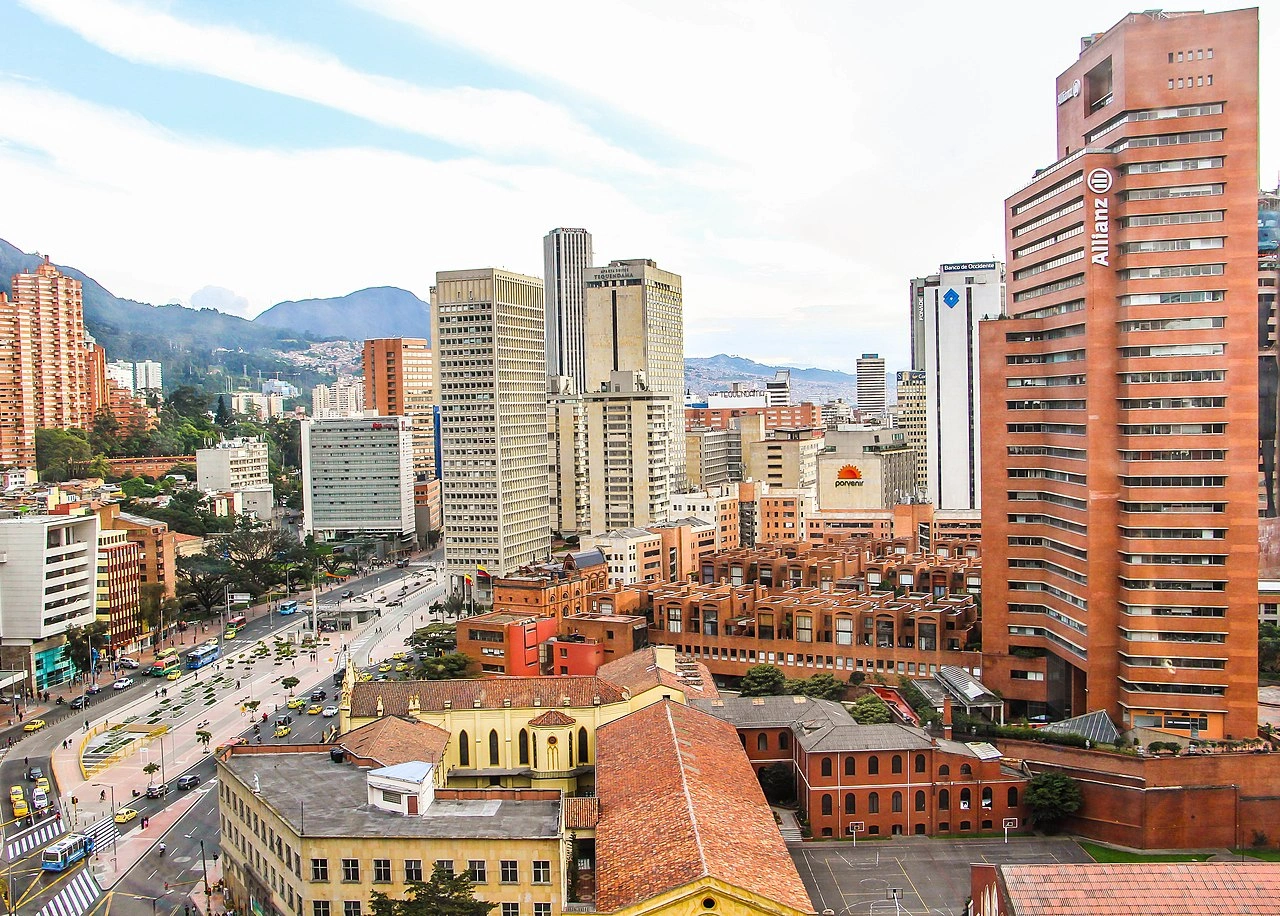
Bogota Travel Guide
Bogotá serves as Colombia’s capital and largest city, yet many travelers treat it as a brief stopover on the way to Medellín or Cartagena. The city offers museums, street art, food tours, mountain scenery, and a strong local character that rewards visitors who stay longer than two days.
Travelers reach the city through El Dorado International Airport (BOG), served by carriers including Avianca (AV), LATAM Colombia (LA), American Airlines (AA), and Delta Air Lines (DL). The airport sits about 15 kilometers west of central Bogotá and connects the capital to hubs such as Miami (MIA), Madrid (MAD), and Mexico City (MEX).
Why Bogotá Deserves More Than a Quick Stopover
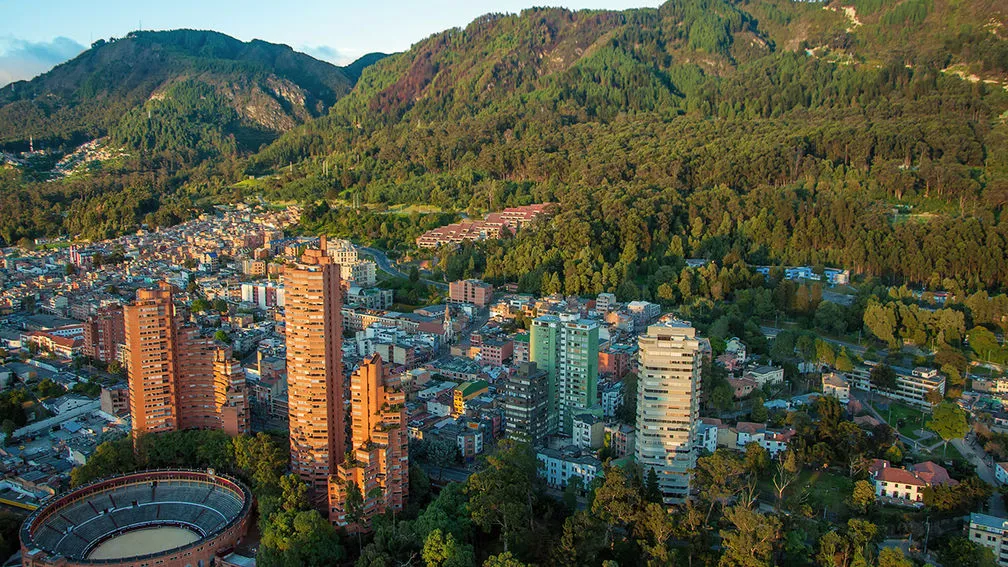
Bogotá sits at the base of two mountains, each crowned with a church, and retains a distinct Colombian identity that some other tourist hubs have lost to gentrification. The city contains walking tours, food experiences, active nightlife districts, and a growing foodie scene. As reported by PYOK, travelers who skip Bogotá based on comparisons to Medellín miss one of South America’s most layered urban destinations.
Top Attractions in the City
Monserrate Church
Visitors can climb 1,500 steps to reach Monserrate Church for panoramic views across the city. A funicular offers an easier alternative for those who skip the climb. Early mornings help travelers avoid both heat and crowds.
Street Art in La Candelaria
La Candelaria and the Las Aguas area near the TransMilenio station hold dense concentrations of murals and graffiti. The Free Graffiti Tour Bogotá provides context for the works and the artists behind them.
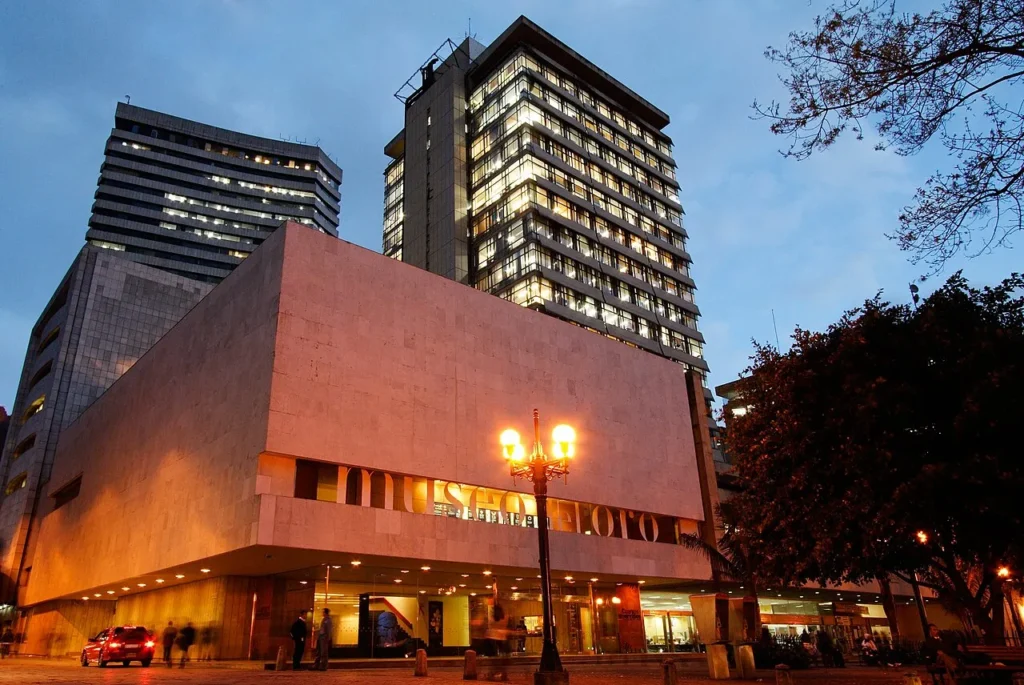
Botero Museum
The Botero Museum displays 123 works donated by Colombian artist Fernando Botero. Free public access remains a permanent condition of the donation.
Gold Museum (Museo del Oro)
The Museo del Oro houses an extensive collection of gold artifacts that trace Colombia’s pre-Columbian history. Admission is free every Sunday.
Bike Tours
Bogotá Bike Tours offers guided rides starting at 45,000 COP and rents bikes at 30,000 COP for four hours. Most tours include fruit and coffee tastings as part of the experience.
Day Trips Outside Bogotá
Catedral de Sal (Salt Cathedral)
The Salt Cathedral sits 200 meters underground in the town of Zipaquirá, built inside the tunnels of a former salt mine. Up to 3,000 worshippers attend Sunday services there. Travelers reach the site by taking the TransMilenio to Portal Norte and then boarding a local bus to Zipa.
La Chorrera Waterfall
Colombia’s tallest waterfall lies about an hour outside Bogotá. Buses to Tercer Milenio cost as little as 7,500 COP each way, well below the 250,000 to 500,000 COP charged by guided tours.
Lake Guatavita
Lake Guatavita lies 60 kilometers north of Bogotá and holds sacred status for the region’s indigenous communities. The site is widely linked to the legend of El Dorado.
Cultural and Historical Landmarks
Plaza Bolívar
The main square contains the Palace of Justice, the Cathedral of Bogotá, the mayor’s office, and the Capitol Building. Several of these buildings date back to the 16th century.
National Museum of Colombia
Built in 1823 and converted into a museum in 1946, the National Museum holds more than 20,000 pieces, with some artifacts dating as far back as 10,000 BCE.
Cathedral Metropolitan Basilica
The Roman Catholic cathedral covers 5,300 square meters, making it the largest in Colombia and one of the largest in South America. The current structure was built between 1807 and 1823.
Iglesia de San Francisco
Built between 1557 and 1621, San Francisco Church features a gilded 17th-century altar. The building was one of the few structures left standing after the 1948 riots that followed the assassination of presidential candidate Jorge Eliécer Gaitán.
Safety Guidance for Visitors
Local advice in Colombia includes the phrase “No dar papaya,” which warns travelers against flaunting valuables. Common precautions include keeping phones out of sight on public transport, securing bags during meals, and using ATMs inside banks rather than on the street.
Travelers should avoid hailing taxis directly from the street because of incidents known as “paseo millonarios,” in which drivers force passengers to withdraw cash at multiple ATMs. Apps such as Tapsi, Easy Taxi, and Uber offer safer alternatives. The emergency number in Bogotá is 123.
Getting Around the City
The TransMilenio bus rapid transit system serves as the main public transport network. A TuLlave card costs 5,000 COP, and each ride costs 2,300 COP. Passengers can make two transfers within one hour and fifty minutes. The same system links El Dorado International Airport (BOG) to the city center at the standard fare.
A taxi from the airport to La Candelaria should cost no more than 50,000 COP. Trips to the northern districts should not exceed 65,000 COP.
Best Time to Visit
Bogotá keeps a steady mild climate throughout the year due to its altitude. The drier months run from December to March, with average temperatures near 14°C (57°F). The warmest period falls between May and June, with averages around 20°C (68°F). July and August attract the largest crowds because of Bogotá Carnival, which pushes accommodation prices higher.
Where to Stay
La Candelaria remains the most popular district for travelers, with reasonably safe daytime conditions. Zona Rosa and Chapinero offer safer alternatives but sit farther from central attractions and cost more. Recommended hostels include Viajero Hostels Bogotá, Botánico Hostel, The Cranky Croc, and Masaya.
About Qatar Airways
Qatar Airways was named the ‘World’s Best Airline’ for an unprecedented ninth time at the 2025 World Airline Awards by Skytrax. The carrier holds the title across multiple previous years, including 2011, 2012, 2015, 2017, 2019, 2021, 2022, and 2024.
The airline has also received recognition for ‘World’s Best Business Class’ and ‘World’s Best Business Class Airline Lounge’. It was named ‘Best Airline in the Middle East’ for the 13th time. Cirium awarded the carrier its Platinum performance recognition for reliability and operational performance.
Qatar Airways currently flies to over 150 destinations worldwide through its Doha hub, Hamad International Airport (DOH). The airport has been recognised as the ‘Best Airport in the Middle East’ for 11 consecutive years and ‘World’s Best Airport Shopping’ for the third consecutive year by Skytrax. Hamad International was also named ‘World’s Best Airport‘ in 2021, 2022, and 2024.
The carrier was the first Middle East airline certified to the highest level of IATA’s Environmental Assessment (IEnvA) programme. As an inaugural signatory to the Buckingham Palace Declaration in March 2016, Qatar Airways became the first airline globally certified to the industry standard for preventing illegal wildlife trafficking in aviation.
Stay tuned with us. Further, follow us on social media for the latest updates.
Join us on Telegram Group for the Latest Aviation Updates. Subsequently, follow us on Google News