Published on
December 23, 2025
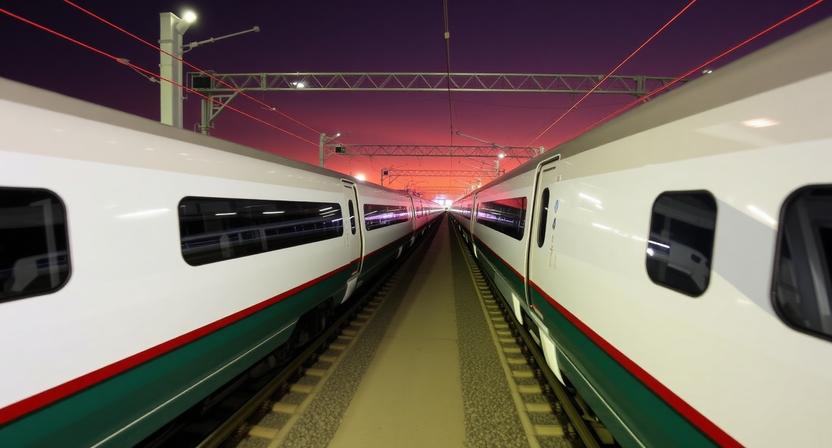
In a major step forward for regional connectivity, however, Saudi Arabia’s Cabinet has now formally endorsed the high-speed electric railway connecting Saudi Arabia and Qatar. The high-speed rail line with a distance of 785 kilometers is set to begin operations in June 2026 and will connect Riyadh and Doha through a direct and efficient transport network that cuts travel time between the two cities to a mere two hours and increases economic and touristic activities in both countries.
This is one of the objectives of Saudi Arabia’s “Vision 2030” and Qatar’s “National Vision 2030”, which also focus on tourism development and transportation. The new train services not only provide avenues for business and tourism visits but also act as an environmentally friendly mode of transportation and can be a major factor in changing the face of transport within the Gulf States.
A Game-Changer for Regional Tourism and Economic Connectivity
The introduction of this high-speed railway will have a long-term impact on tourism and economic development in both Saudi Arabia and Qatar. By offering a direct connection between the capitals, the railway will make cross-border travel easier, more efficient, and affordable, attracting a growing number of tourists from both domestic and international markets. With travel time between Riyadh and Doha significantly reduced, visitors will be able to explore both cities and surrounding regions more freely, enhancing multi-destination tourism.
Qatar’s tourism sector, known for its luxury offerings and cultural experiences, will benefit from the increase in regional tourism. Likewise, Saudi Arabia’s tourism appeal, with its blend of ancient history, modern infrastructure, and growing tourism offerings, will be enhanced as easier travel across borders attracts more visitors. The railway will act as a catalyst for tourism diversification in both nations, allowing tourists to experience a wider variety of destinations and attractions within the Gulf region.
Long-Term Impact on Tourism: A Gateway for Global Travelers
The launch of the high-speed railway is expected to serve as a gateway for more global visitors to explore the Middle East, making it a central component in Saudi Arabia’s and Qatar’s tourism strategies. By offering quick access to key cities, the railway will make regional travel more appealing, particularly for tourists seeking to explore multiple destinations in the Gulf.
As tourism growth in the Middle East continues, the railway will play a critical role in ensuring regional connectivity, contributing to both local tourism and global travel. With direct access to major tourist attractions, from the ancient ruins of Petra in Jordan to Dubai’s modern skyscrapers, the railway opens up new possibilities for tourists seeking to travel easily within the region.
The Role of High-Speed Rail in Promoting Sustainable Tourism
The high-speed electric railway is also a major step toward sustainable tourism in the Middle East. By providing an eco-friendly alternative to air and road travel, the railway supports green tourism initiatives, reducing carbon emissions associated with transportation. This commitment to sustainable travel aligns with global efforts to combat climate change and supports the tourism industry’s role in environmental conservation.
The introduction of electric trains with high efficiency and low environmental impact sets a precedent for sustainable tourism infrastructure in the Gulf region. As more countries in the region invest in green transport systems, the railway will become a model for sustainable mobility, encouraging other nations to prioritize eco-friendly solutions in their tourism development plans.
Future Impact: A Key Driver of Regional Economic Growth
Beyond tourism, the high-speed railway will boost regional economic integration. The improved transportation link will help to facilitate the movement of goods, services, and business professionals across Saudi Arabia and Qatar, strengthening their economic ties and enhancing their ability to attract international investments. This efficient connectivity will support trade, commerce, and cultural exchange, further driving economic growth in both nations.
For the tourism industry, the railway’s ability to connect major urban centers with cultural and natural attractions will help diversify offerings and attract longer stays from tourists looking for both urban exploration and nature-based tourism. As tourists increasingly seek unique, immersive travel experiences, the railway’s ability to serve as a gateway to multiple destinations will be crucial in meeting this demand.
Paving the Way for a New Era of Travel and Tourism in the Gulf
A big leap forward, this train connecting the two nations has proved to be an innovative project for the development of the region, especially in the aspect related to tourism. This train, which has modern infrastructure, eco-friendly technology, and the capability of connecting important cities, shall long be remembered as an important milestone in the development of the Gulf region, particularly for the aspect of tourism.
As this railway introduces opportunities for multi-destination travel, tourism expansion, and sustainable tourism in the Middle Eastern region, it will improve other nations’ interest in the region adopting high-speed transport and tourism infrastructure as an example. The future implications of this project will create a legacy in the tourism of both the Kingdom of Saudi Arabia and the State of Qatar, as they will both become leaders in tourism globally, concentrating on sustainable tourism and efficiency.



