ATLANTA- A British Airways (BA) passenger flying from London Heathrow (LHR) to Atlanta (ATL) had his return booking cancelled after engaging with scam accounts on X. The airline later demanded more than 17,000 dollars to rebook him on the same itinerary.
The incident began after the traveller reported a lost jacket from his inbound British Airways flight in Atlanta. Attempts to retrieve the item led him to social media, where scammers posing as customer support gained access to his reservation details.
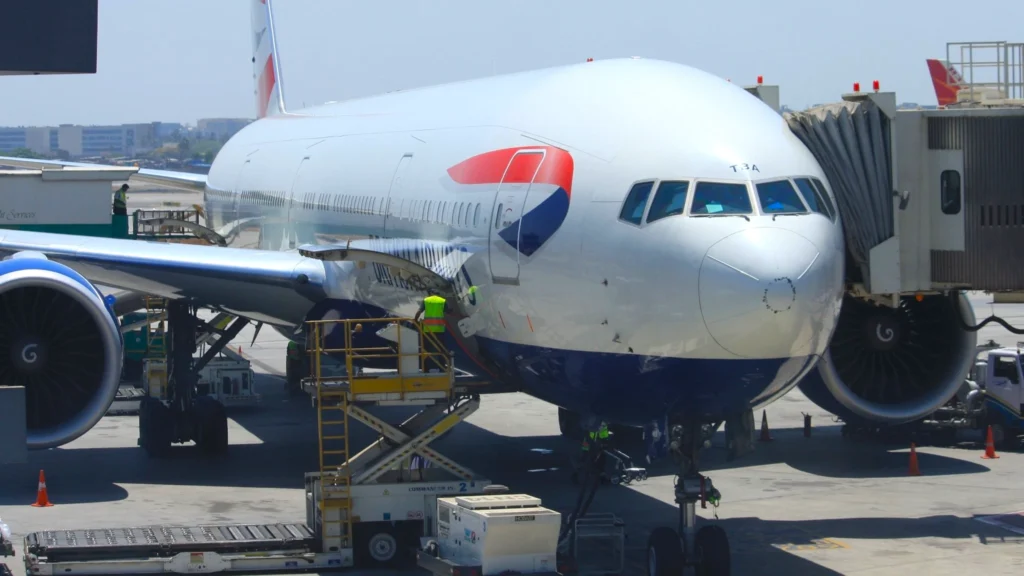
British Airways Passenger Scammed
The traveller completed the outbound leg on October 27, 2025, and realised after arrival that he had left a jacket onboard. British Airways directed him to the airport lost and found, and the airport redirected him back to the airline. When that failed, he posted on X hoping for official guidance. Several impersonator accounts presented themselves as support teams and asked him to share his contact details and booking information.
One scammer contacted him on WhatsApp and offered compensation. They pushed him to install a money transfer application and enter a verification code that would have triggered a payment to the scammers.
He recognised the fraud and stopped responding, but not before providing reservation data. The scammers then cancelled the return portion of his itinerary out of spite.
British Airways sent a cancellation notification, but the passenger dismissed it as part of the scam. At check-in for the return flight, he learned he no longer had a booking. The carrier refused to reinstate the ticket and told him he needed to purchase a new one.
Walk-up business class pricing reached more than 17,500 dollars for a one-way fare, so he repurchased travel in premium economy for approximately 5200 dollars. His travel insurance declined the claim, and an American Express dispute is ongoing, ViewfromtheWing reported.
ALSO READ: British Airways 787 Returns to London After 9 Hours, Triggering £112K Compensation
Growing Risks from Airline Impersonation Scams
This case reflects a broader pattern of fraudulent travel agents and impersonator accounts that prey on travellers seeking quick support.
Scam operators often buy Google ads or manipulate search results for airline phone numbers, making it appear as though customers are calling official support lines. They charge service fees for simple changes or collect payment for new tickets during irregular operations.
Similar incidents have occurred across multiple carriers. Fake support lines claiming to represent Delta, United, JetBlue, Hawaiian, and Singapore Airlines have issued illegitimate charges or facilitated unauthorized itinerary changes. Some operations even place their number under search results linked to specific airports, so customers believe they are calling a local airline office.
Because of this, travellers are increasingly advised to verify airline contact information directly on the airline’s official site and confirm that social media accounts are authenticated and active.
Why Resolution Usually Works Differently
When scammers cancel a booking, most airlines work to restore the ticket after confirming that the customer fell victim to fraud. Delta has previously reinstated itineraries and absorbed the cost as a goodwill measure.
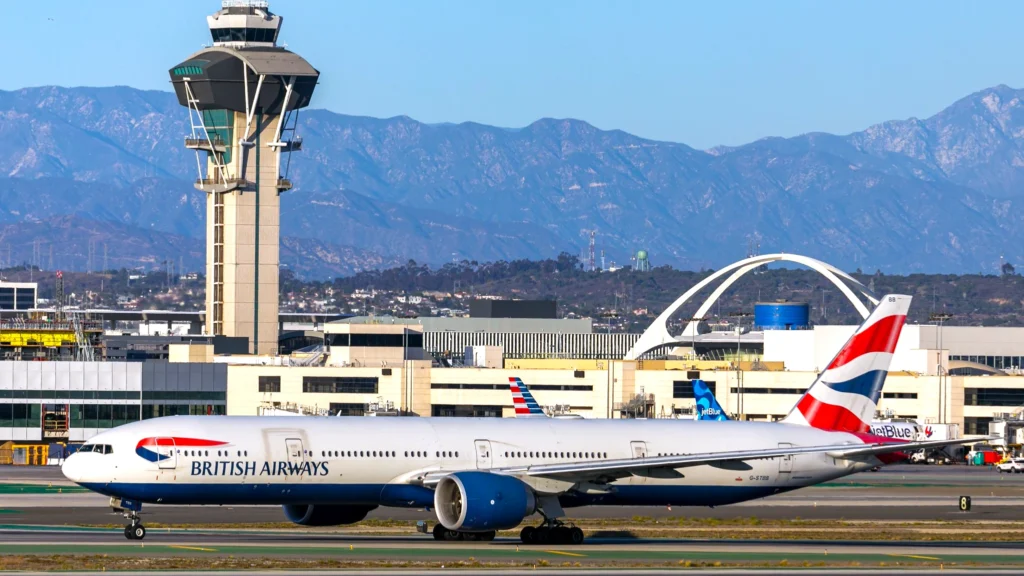
British Airways took a different stance in this case, stating that the responsibility lay with the passenger for sharing booking details with an unauthorised party.
The airline’s refusal to restore the original fare resulted in a financial penalty far beyond the initial ticket cost. Consumer advocates note that passengers in this situation can file a complaint with the United States Department of Transportation to challenge involuntary denial of boarding or post-purchase price increases.
While outcomes vary, the process can move the case beyond front-line customer service teams and elevate it to a regulatory review.
Protective Steps for Travellers
Trusted contact channels help prevent similar problems. Key actions include:
- Use only phone numbers listed on an airline’s official website.
- Verify social media accounts for authenticity.
- Avoid sharing booking references or personal details through unverified messaging apps.
- Review cancellation notifications carefully, even when dealing with ongoing scam attempts.
These measures reduce exposure to impersonation schemes that exploit confusion, especially during lost items, schedule disruptions, or customer service escalations.
Stay tuned with us. Further, follow us on social media for the latest updates.
Join us on Telegram Group for the Latest Aviation Updates. Subsequently, follow us on Google News


