NEW YORK- An influencer purchased the American Express (Amex) Platinum Card believing airport lounges offered access to wealthy, well-connected travelers. Her experience inside a major US airport lounge revealed a far more routine and disengaged reality.
The viral moment underscores the gap between social media–driven luxury travel expectations and how airline lounges actually function for most passengers.
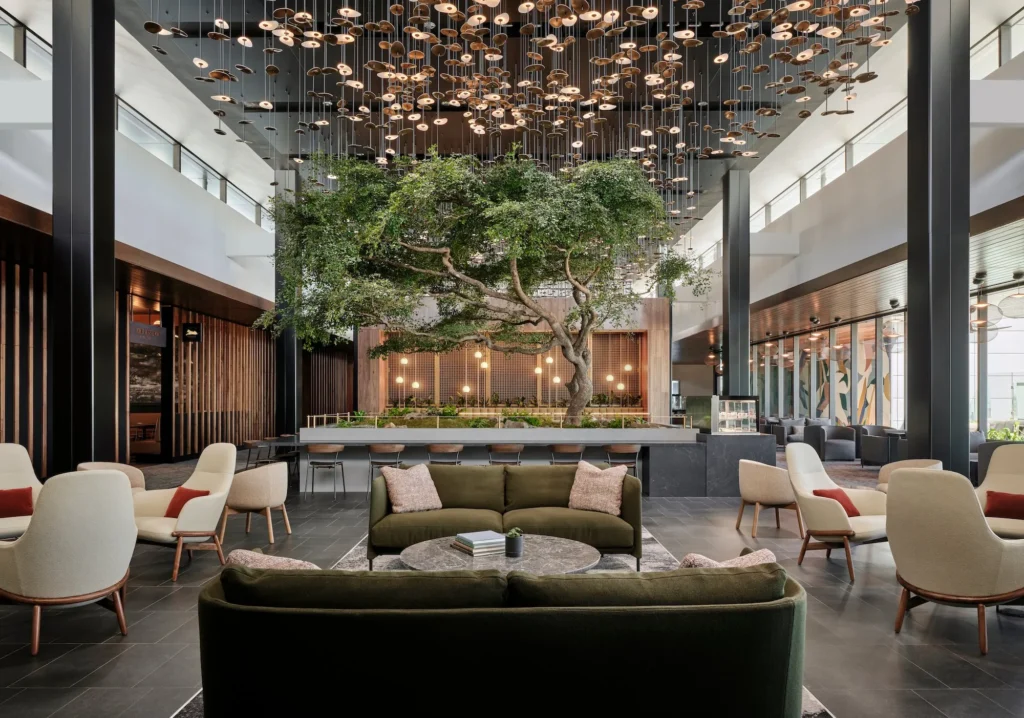
Amex Platinum Airport Lounges Networking
Florida-based content creator Nikki Pindor (@nikkipindor) shared her experience after entering an airport lounge using her Amex Platinum Card at a US airport terminal. The intent was simple: network with rich people while traveling.
Instead, the lounge environment reflected standard passenger behavior. Travelers were eating, scrolling through phones, resting quietly, or sleeping between flights.
In the video, one passenger used a backpack as a pillow on a couch, another had feet propped up on furniture, and several people stood near the food station selecting muffins, donuts, and coffee.
The on-screen text read, “Got an Amex Platinum to network with rich ppl in airport lounges, but everybody here is just eating and sleeping.”
The caption concluded, “0 connections were made.” The video surpassed 114,000 views, resonating with viewers familiar with aspirational travel myths.
According to BroBible, this outcome reflects a long-standing misunderstanding of what airport lounges are designed to provide.
The American Express Platinum Card carries an $895 annual fee, increased from $695 in September 2025.
While the price suggests exclusivity, it does not meaningfully limit access. The card includes statement credits and benefits that can exceed the annual fee for frequent travelers.
Cardholders gain entry to more than 1,550 lounges worldwide through the American Express Global Lounge Collection.
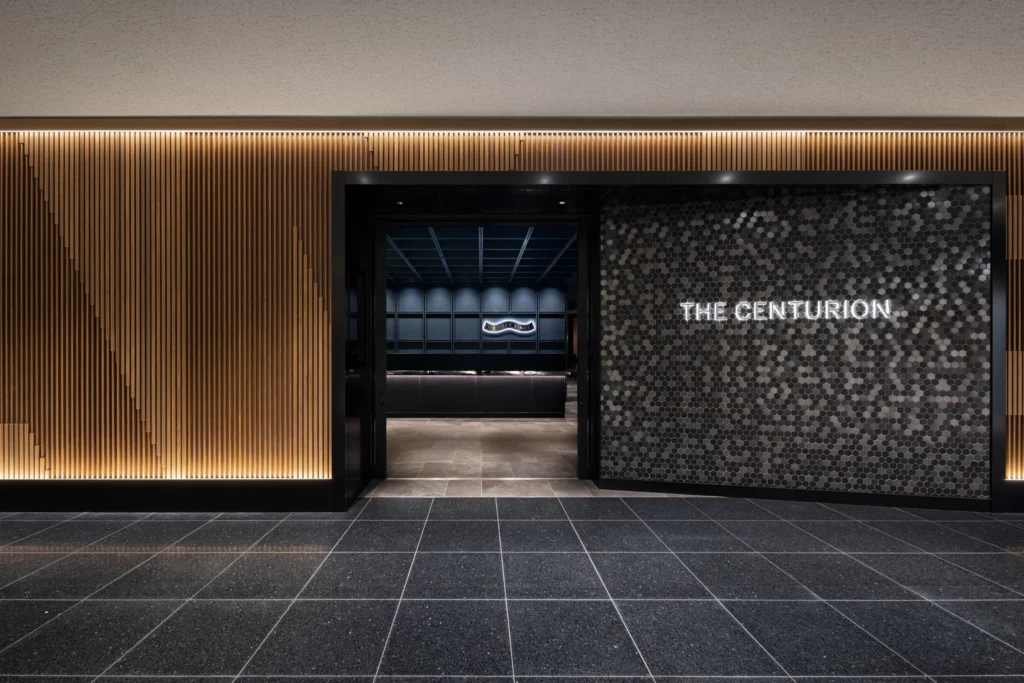
This includes Centurion Lounges, Delta Sky Club lounges with a cap of 10 visits per year when flying Delta Air Lines (DL), Priority Pass Select lounges with separate enrollment, and additional partner locations.
Despite the premium branding, these lounges are widely accessible. Most passengers are not executives seeking conversation but travelers managing fatigue, work obligations, or tight connections.
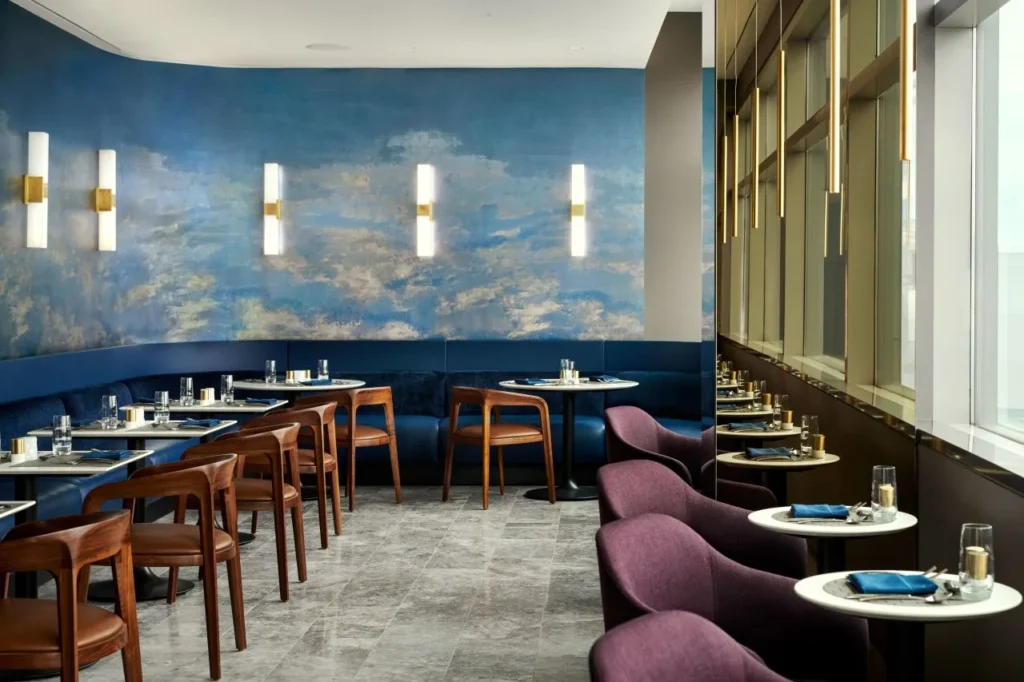
United Clubs and the Day Pass Myth
Some social media advice promotes buying lounge day passes as a strategy to meet high-income travelers. United Airlines’ (UA) United Clubs are often cited as examples.
In practice, United Clubs frequently stop selling day passes during peak hours and may not accept passes issued through co-branded credit cards when lounges are crowded.
Even when access is available, passengers tend to remain focused on personal downtime rather than social engagement. The environment prioritizes quiet seating, food service, and Wi-Fi, not interaction.
Income Does Not Drive Social Interaction
While the median traveler is financially better off than the average American, and the median lounge passenger is typically wealthier than the average terminal passenger, this does not translate into openness to networking.
Travelers who have cleared Transportation Security Administration checkpoints, especially those with TSA PreCheck, have already passed a security filter, but that does not change social norms.
Airport lounges are transitional spaces. Passengers are between obligations, often tired, and usually uninterested in initiating conversations with strangers.
Higher levels of exclusivity do exist within aviation, but not in credit card–accessible lounges.
Airline-operated premium lounges such as United Polaris Lounges or the Qantas First Lounge at Los Angeles International Airport (LAX) require first-class tickets or elite oneworld Emerald status.
Even in these environments, privacy remains the priority. Wealth and status in aviation often correlate with discretion rather than sociability.
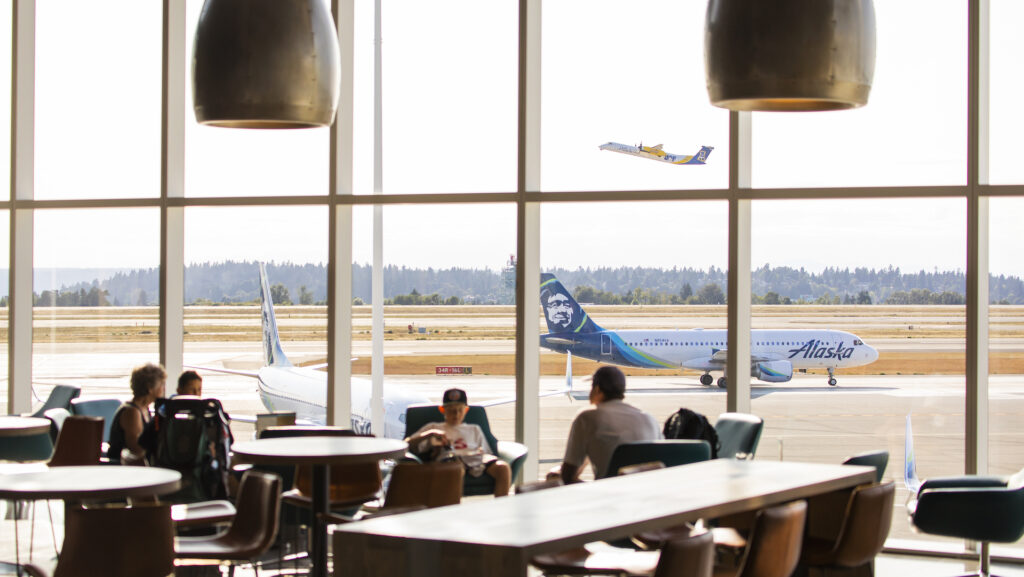
Connection in Air Travel
Ironically, more marriage proposals and weddings have been observed involving Southwest Airlines (WN) than with other US carriers.
The airline’s open seating model has historically allowed passengers to choose seats freely, increasing the chance of organic interaction.
With Southwest transitioning toward assigned seating, even this unintended social dynamic may diminish. The contrast highlights that connection in travel is driven by circumstance and timing, not ticket price or lounge access.
The incident reflects a broader pattern of viral life hacks promising access to wealth or influence through surface-level strategies.
Airport lounges are marketed as premium experiences, but they function primarily as comfort zones, not networking hubs.
Pindor’s experience demonstrates that luxury branding does not override human behavior. Travelers value rest and privacy over conversation, regardless of income or card status.
Stay tuned with us. Further, follow us on social media for the latest updates.
Join us on Telegram Group for the Latest Aviation Updates. Subsequently, follow us on Google News


