SINGAPORE- A passenger endures extreme stress when a premium business class ticket issued by Singapore Airlines (SQ) suffers a misconnection.
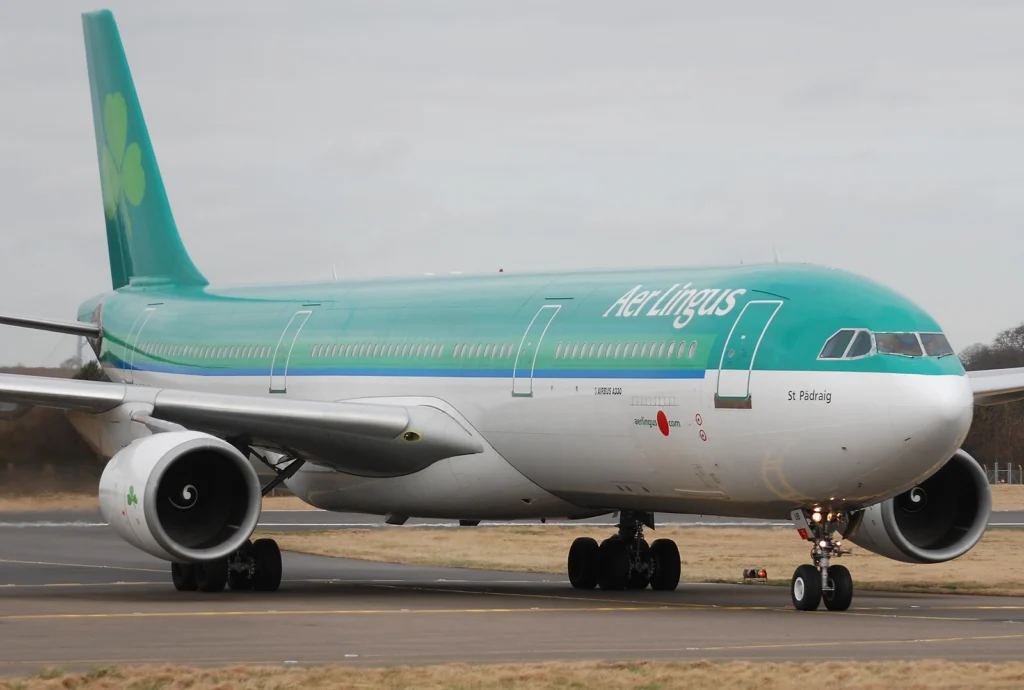
A delay on the first leg operated by Aer Lingus (EI) from Dublin (DUB) to Paris (CDG) sparks chaotic rerouting, a day-late arrival in Auckland (AKL), and ongoing disputes over compensation and miles.
Singapore Airlines Interline Ticket Collapsed
A traveler named Jamie books a cash business class itinerary through Singapore Airlines (SQ) from Dublin (DUB) to Auckland (AKL).
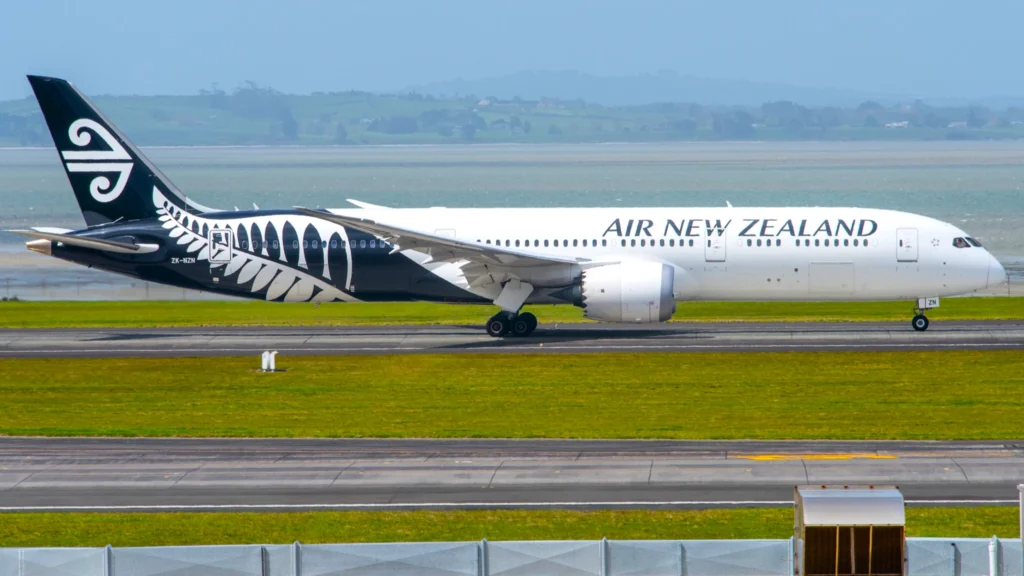
The planned route features Aer Lingus from DUB to Paris (CDG), Singapore Airlines from CDG to Singapore (SIN), and an SQ codeshare operated by Air New Zealand (NZ) from Singapore to Auckland. Connections allow only 1 hour 45 minutes in CDG and 1 hour 10 minutes in Singapore.
A 2-hour delay on the Aer Lingus flight prompts staff at Dublin to deny check-in and initiate rerouting.
Jamie asks if he should contact Singapore Airlines (SQ) for help, but the staff insist firmly that he should not. He requests rerouting on the original SQ path or similar options via mainland Europe or the UK, yet staff ignore these suggestions.
Staff first provide an overnight hotel in Dublin and reroute him the next day via Qatar Airways (QR). Upon airport return, however, a flight manager reveals he lacks a reservation.
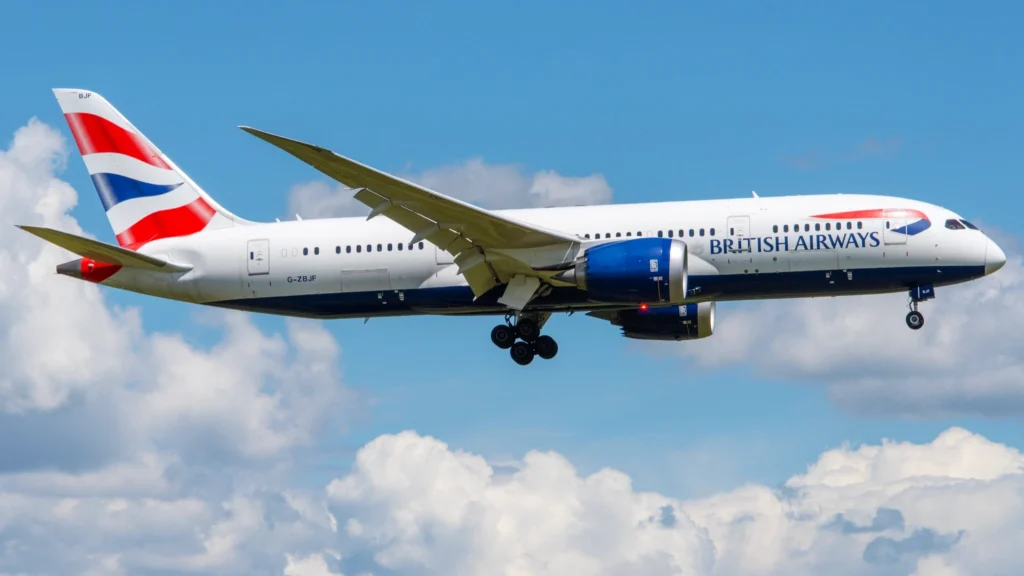
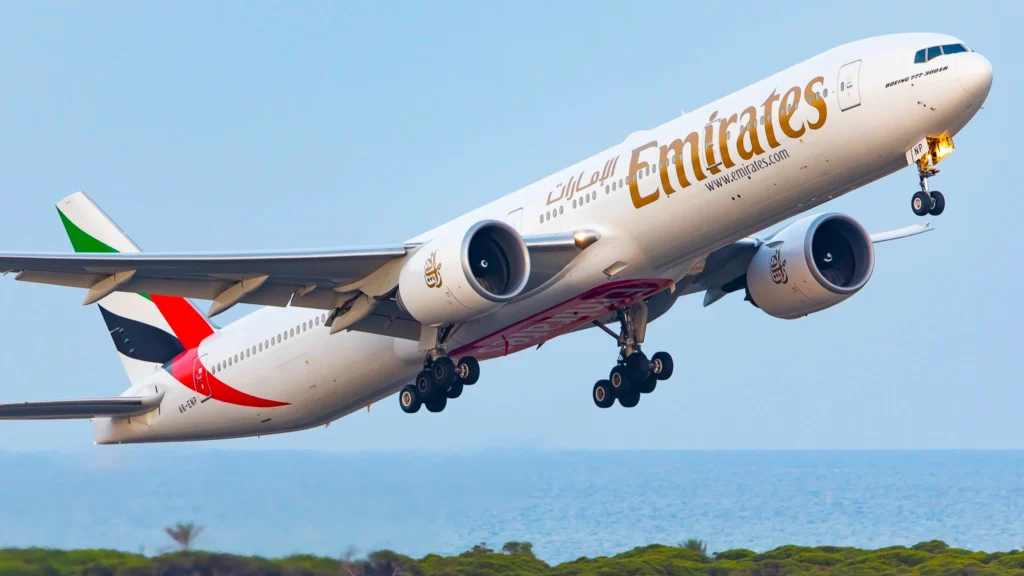
After further discussion, staff issue a new routing: Aer Lingus to London Heathrow (LHR), British Airways (BA) to Dubai (DXB), and Emirates (EK) to Auckland. They print confirmation but issue boarding passes only for the first two segments, stating the final pass must come at LHR.
At LHR, British Airways lounge agents cannot access flights beyond DXB. One agent remarks, “how could you expect me to print a boarding pass if you’ve made two separate bookings.”
Jamie, usually reserved despite extensive travel experience, breaks down in tears on the BA flight due to overwhelming stress. Crew members calm him and explain the issue likely arises because British Airways and Emirates do not interline.
The flight lands 30 minutes late in DXB. Jamie navigates a complex terminal transfer involving substantial running and multiple security checkpoints, taking over an hour.
At the Emirates transfer desk, agents state the flight has closed and Aer Lingus failed to check him in for the final segment. After a tense call, staff reopen check-in since he carries only hand luggage. He reaches AKL over a day late and completely exhausted.
Singapore Airlines never contacts him during the disruptions. Post-travel, SQ sends a blunt email denying responsibility, refusing EU261 assistance, and stating he cannot claim Air New Zealand Airpoints despite reasonable efforts to fly the original segments.
According to OMAAT, a further dispute arises with Air New Zealand. Singapore Airlines uses “U” class for business fares, but NZ treats it as Premium Economy and rejects credits, even with proof of business booking and seat selections.
Responsibility and Industry Rules
Industry standards hold the airline causing a misconnection responsible for rerouting to the final destination. Aer Lingus (EI) bears this duty here.
The rerouting choices prove deeply flawed. Booking via British Airways (BA) and Emirates (EK), which lack interline agreements for seamless through-checks, creates unnecessary complications.
While ticketing agreements may allow such paths, they prioritize cost over passenger convenience.
Singapore Airlines (SQ), as issuing carrier, faces no legal rerouting obligation but could provide better support. The handling falls short of expectations for a premium ticket. Aer Lingus qualifies for EU261 compensation claims due to the EU departure, though enforcement remains difficult.
Similar Situations
Travelers minimize risks by avoiding tight connections across multiple loosely partnered airlines on long-haul routes. Airlines sell these tickets, so passengers commit no error in booking them, yet disruptions expose coordination weaknesses.
In disruptions, passengers escalate requests at the airport, push to retain original routings, and contact the issuing carrier directly despite advice against it.
They verify new bookings online immediately and repeatedly. Travelers reject reroutings involving non-interlining carriers with short connections and demand viable alternatives.
Longer layovers and fewer airline changes enhance reliability.
Key Takeaways
Interline agreements facilitate complex bookings during normal operations but collapse under irregular conditions. More carriers and shorter connections raise failure risks dramatically.
This case illustrates a worst-case scenario for multi-airline tickets. Airlines struggle to accept accountability or deliver smooth solutions in such disruptions, leaving passengers to bear significant stress despite paying premium fares.
Stay tuned with us. Further, follow us on social media for the latest updates.
Join us on Telegram Group for the Latest Aviation Updates. Subsequently, follow us on Google News