SINGAPORE- Immigration and Checkpoints Authority of Singapore will roll out a No Boarding Directive from January 2026 to prevent ineligible travelers from flying into the country.
The move follows a sharp rise in refused entries and introduces airline-level screening before departure, shifting border enforcement upstream.
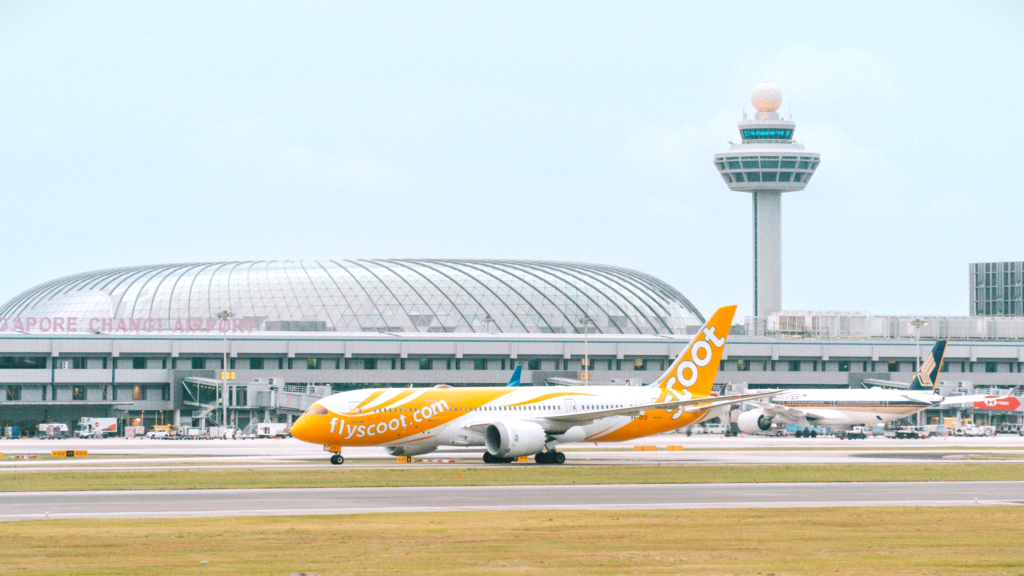
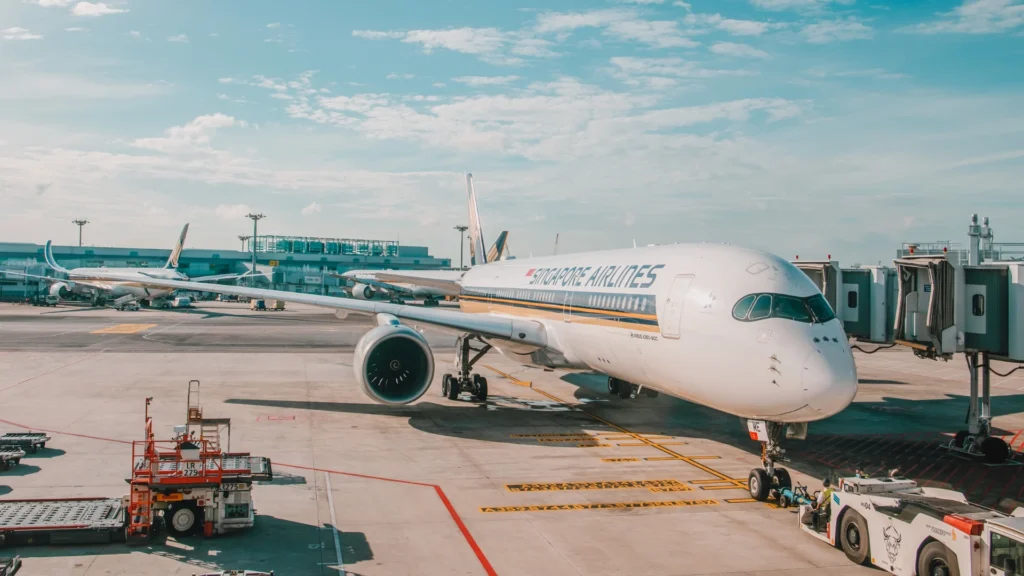
From January 2026, selected airlines, including Singapore Airlines (SQ), Scoot (TR), Emirates (EK), Turkish Airlines (TK), and AirAsia (AK), will begin enforcing the directive for passengers traveling to Singapore. The checks apply to arrivals at Singapore Changi Airport, Singapore (SIN), with more airlines joining from March 2026.
Singapore Denied Entry to 41,800 Travelers
ICA data shows that around 41,800 foreigners were refused entry at Singapore checkpoints in the first 11 months of 2025. This figure is nearly 26 percent higher than all of 2024 and 46 percent higher than 2023.
The increase reflects both higher travel volumes and stronger detection capabilities.
ICA has expanded its clearance model to identify high-risk travelers earlier, reducing reliance on last-minute checks at arrival counters.
How the No Boarding Directive Works
Under the NBD framework, airlines will receive boarding instructions after passenger data is screened through ICA systems. Travelers deemed ineligible for entry will be stopped at check-in and denied boarding before departure.
ICA Deputy Assistant Commissioner Joe Tan said NBDs will only be issued when authorities are fully certain that a traveler is prohibited from entering Singapore. Travelers flagged as high risk are not automatically denied entry. Instead, they are subject to deeper checks if they reach Singapore without an NBD.
Passengers issued an NBD who still intend to enter Singapore must seek ICA approval before booking a new flight, The Straits Times reported.
Technology Driving Stricter Entry Screening
ICA attributes many refused entries to new security layers at checkpoints. These include automated immigration lanes with counter-forgery detection and multi-modal biometric screening using facial and iris recognition.
The systems can detect impersonation, multiple identities, and travelers banned due to criminal or security concerns. Advance passenger information and data analytics also allow ICA to flag persons of interest before arrival.
According to ICA, these tools reduce human error and improve consistency compared to manual passport inspections.
Learning From the US and Australia
Singapore’s approach mirrors systems that are already yielding results overseas. The United States uses the Secure Flight program, which screens passengers against real-time watchlists managed by federal agencies.
Australia operates a similar model through its Movement Alert List, administered by the Department of Home Affairs.
Both systems allow authorities to prevent high-risk travelers from boarding flights rather than stopping them after arrival.

Impact on Airport and Land Checkpoints
While NBDs mainly apply to air and sea travel, ICA said land checkpoints remain secure.
Foreign travelers entering by land must still submit arrival cards, allowing ICA to access advance information for screening.
ICA emphasized that the directive strengthens border control without weakening enforcement at any entry point.
Reducing Pressure on Frontline Officers
Before advanced automation, officers had seconds to assess travelers while managing long queues. ICA officers said this environment increased stress and fatigue.
The rollout of passport-less clearance at automated lanes by September 2024 reduced processing time per traveler while improving security accuracy.
Officers can now focus on investigation and assessment rather than routine clearance.
Stay tuned with us. Further, follow us on social media for the latest updates.
Join us on Telegram Group for the Latest Aviation Updates. Subsequently, follow us on Google News


