For many years, Guam and Saipan were preferred options for Korean families seeking short-haul beach holidays, supported by convenient flight times and established tourism infrastructure.
However, South Korean media report that this trend is shifting.
Exchange-rate movements, higher fuel surcharges, and rising airfares have made traditional destinations less competitive, particularly for families sensitive to overall travel costs.
 |
|
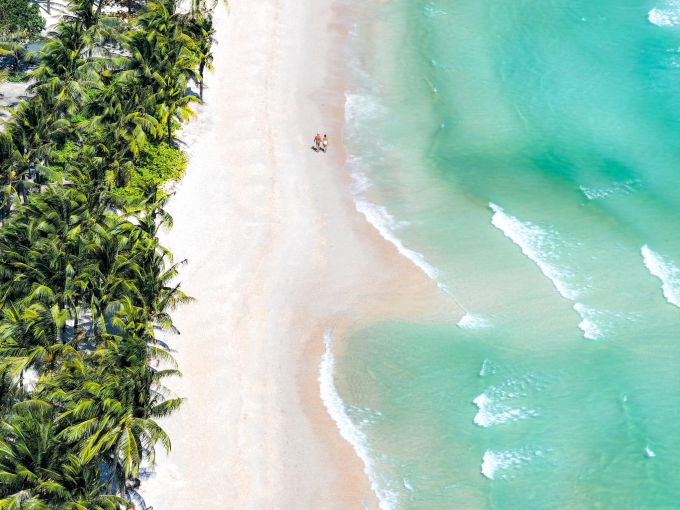
Kem Beach on Phu Quoc. Photo by Fabl Belek |
Vietnam has emerged as an alternative, with Phu Quoc drawing increasing attention. In the most recent year, about 4.3 million South Korean visitors traveled to Vietnam, accounting for nearly 20% of total international arrivals.
While Da Nang has traditionally been popular among Korean tourists, media reports suggest interest is gradually expanding to southern destinations such as Phu Quoc.
The presence of Korean visitors is visible across the island, including Korean-language signage and the popularity of Korean music in tourism areas.
 |
|
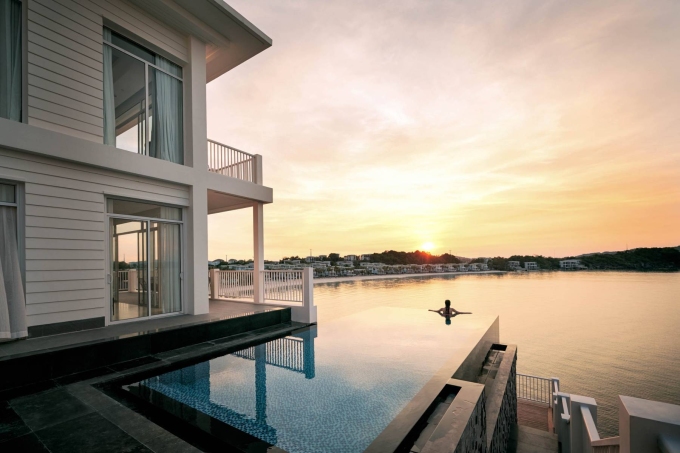
View from Premier Village Phu Quoc Resort. Photo courtesy of Sun Group |
According to The Korea Herald, affordability is a key factor behind the shift.
One traveler interviewed by the publication said a round-trip airfare package for six family members to Phu Quoc cost about 2 million won (US$1,350), lower than comparable trips to Guam or Saipan.
Daily expenses are also considered relatively moderate, with services such as childcare support at hotels helping to reduce the burden on families traveling with young children.
Beyond pricing, the reports highlight the island’s suitability for multi-generational travel, a segment that is expanding in South Korea.
Many resorts are designed to accommodate extended families, offering private spaces that allow different generations to stay together while maintaining privacy.
For example, Premier Village Phu Quoc Resort, located at Ong Doi Cape, features private pool villas designed for family stays. Resort representatives told Korean media that a large share of guests are from South Korea.
 |
|
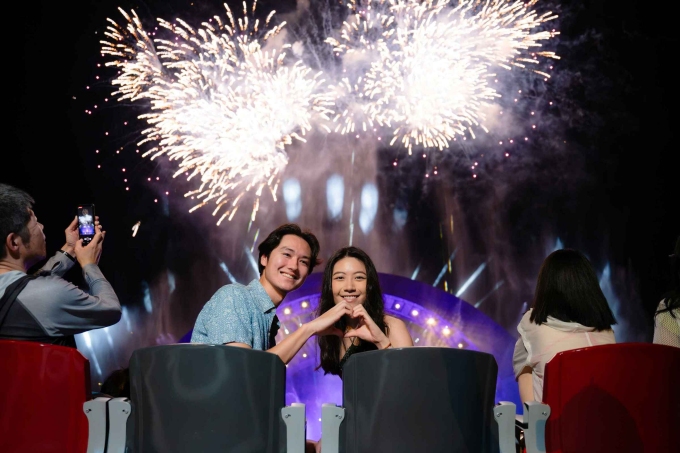
Fireworks during “Kiss of the Sea” show in Phu Quoc. Photo courtesy Sun Group |
Resorts are also investing in child-focused amenities. JW Marriott Phu Quoc Emerald Bay Resort & Spa was noted for its themed design concept, which includes spaces inspired by fictional narratives to enhance children’s experiences.
Beyond accommodation, southern Phu Quoc has developed a broader entertainment offering, including infrastructure and attractions built by Sun Group.
Among the attractions frequently cited is the Hon Thom Cable Car, recognized as the world’s longest three-wire sea-crossing cable car. The nearly 8-kilometer route connects Sunset Town with Hon Thom Island and provides panoramic views of the coastline.
The route leads to Sun World Hon Thom, which includes Aquatopia Water Park and other large-scale attractions. Media reports note that visitors can access a range of activities within a single area.
Evening entertainment includes shows such as “Kiss of the Sea” and “Symphony of the Sea”, followed by regular fireworks displays.
 |
|
Korean visitors enjoy a fireworks show in Phu Quoc. Photo courtesy of Sun Group |


