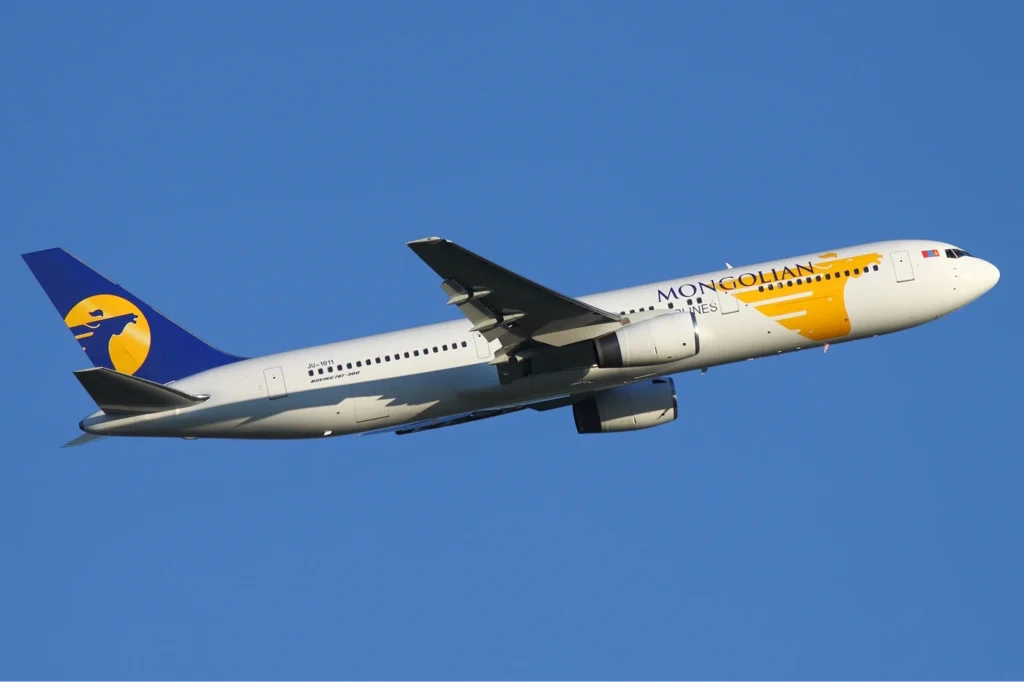
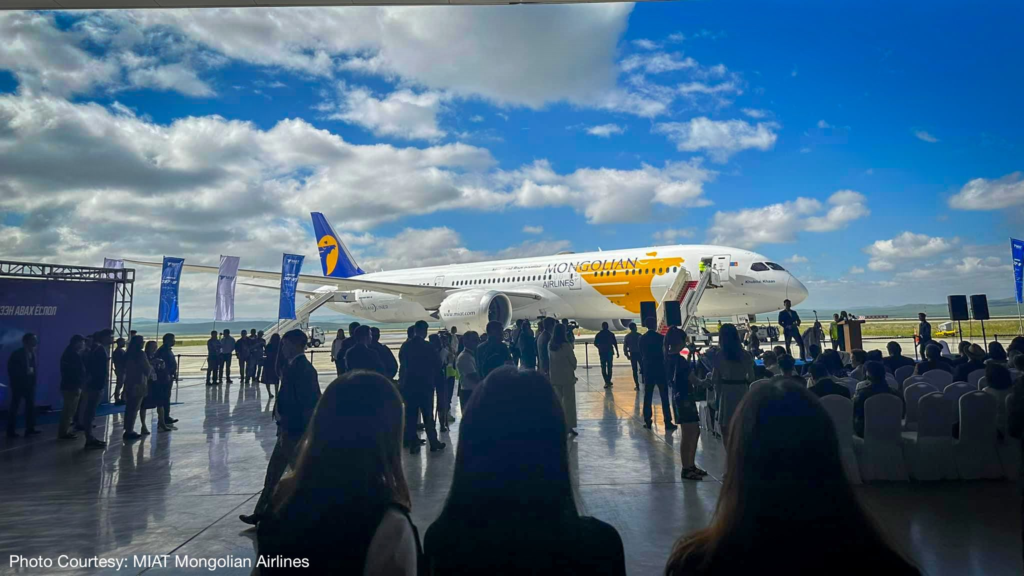
SINGAPORE- MIAT Mongolian Airlines (OM) has launched new non-stop flights connecting Singapore Changi Airport (SIN) and Ulaanbaatar Chinggis Khaan International Airport (UBN), re-establishing direct air service between the two countries after more than a decade.
The route operates twice weekly, reducing travel time between Singapore and Mongolia to just seven and a half hours and marking MIAT’s return to Changi since 2015.
MIAT Airlines Resumes Singapore Flight
MIAT Mongolian Airlines (OM) has reintroduced Singapore to its network with twice-weekly non-stop flights between Singapore (SIN) and Ulaanbaatar (UBN).
The airline initially operates the route using a 168-seat Boeing 737-8 MAX, before upgrading to its 252-seat Boeing 767-300ER from December 2025.
This new service eliminates the need for time-consuming connections through Beijing, Seoul, or Hong Kong, cutting travel duration by nearly three hours each way.
The schedule operates on Tuesdays and Saturdays, departing Singapore at 19:25 and arriving in Ulaanbaatar at 02:55 the next day. The return flight leaves Ulaanbaatar at 09:30 and lands in Singapore at 16:55.
MIAT will operate from Terminal 4 at Changi Airport, where Business Class passengers and eligible members can access the Blossom Lounge via Priority Pass or DragonPass.
Aircraft and Onboard Experience
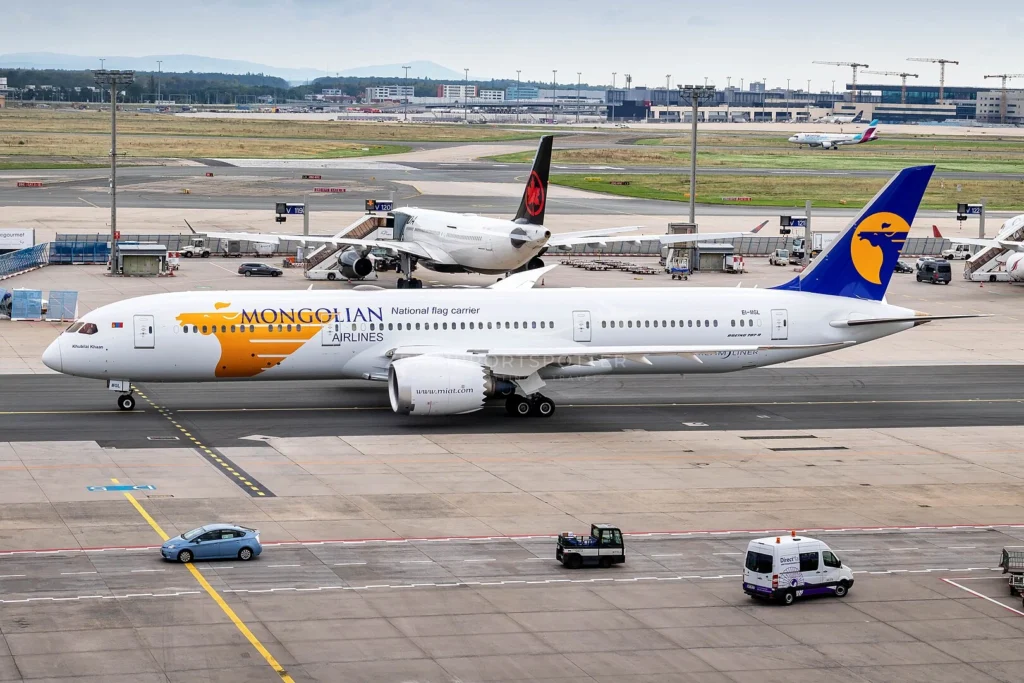
The Boeing 767-300ER will become the dedicated aircraft for this route from December 2025. Despite its age, MIAT’s 767 is one of the newest passenger variants built, delivered in 2013.
The Business Class cabin offers an unconventional 2-1-2 layout with partially lie-flat seats. The middle “throne” seats provide dual aisle access, catering well to solo travelers. Economy Class features a 2-3-2 configuration, providing couples with comfortable window pair seating.
While the onboard product is simple compared to premium carriers, the shift to a wide-body aircraft improves comfort for the seven-hour flight.
Fares and Frequent Flyer Options
Introductory round-trip fares for December 2025 start at S$845 in Economy Class and S$2,945 in Business Class. MIAT operates its own loyalty program, Blue Sky Mongolia, although it does not currently support mileage redemption or accrual through partner airlines.
Passengers seeking to redeem miles from other frequent flyer programs must still rely on connecting routes via Asiana, Korean Air, or Air China.
Visiting Mongolia: Visa-Free Entry and Adventure Travel
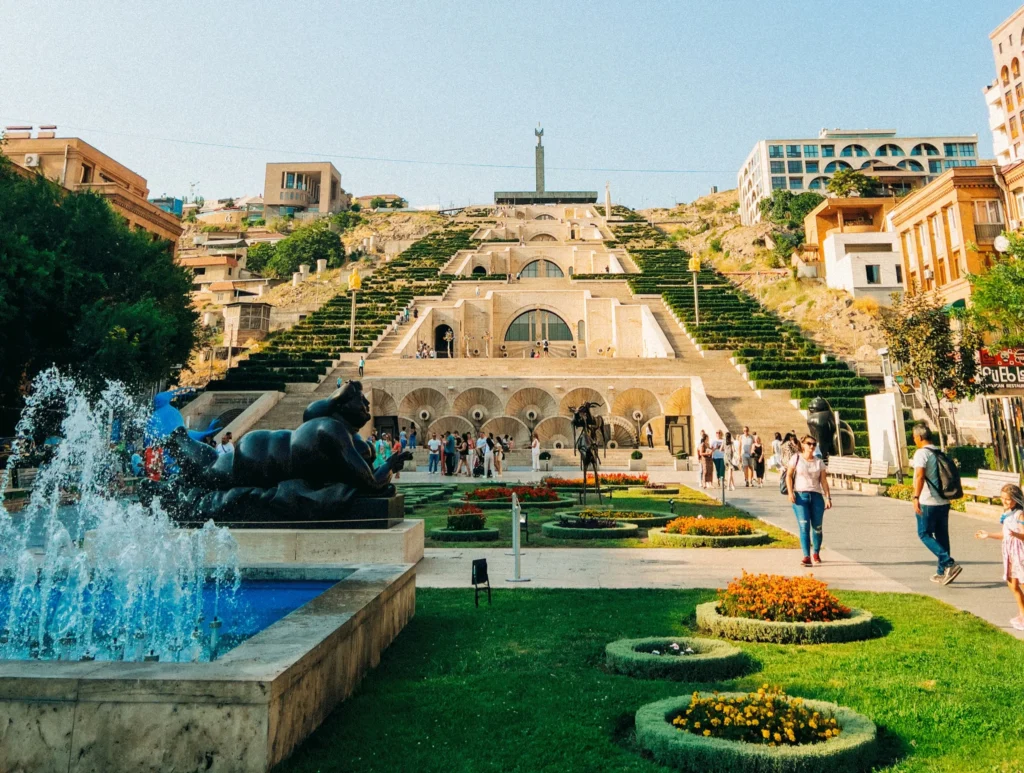
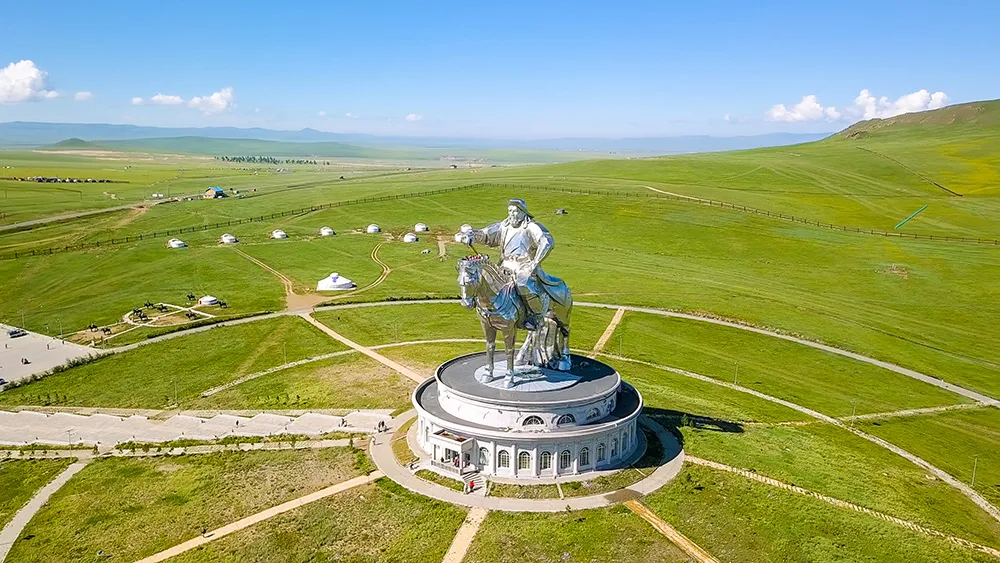
Mongolia remains one of Asia’s most untouched destinations, known for its vast landscapes, nomadic heritage, and outdoor adventures in the Gobi Desert.
Singapore citizens can visit visa-free for up to 30 days. The same applies to travelers from Malaysia, Australia, and the UK, among others.
With MIAT’s non-stop flights, the journey from Singapore to Ulaanbaatar now takes just 7.5 hours, making Mongolia far more accessible to travelers seeking unique cultural and nature-based experiences.
Life and Culture on the Steppe
Visiting Mongolia feels like stepping back in time. Nearly a quarter of the population still lives as nomads, herding livestock across vast plains and surviving on the land much as their ancestors did. This lifestyle, rooted in self-sufficiency and respect for nature, defines the Mongolian identity.
The countryside offers travelers an unmatched sense of space and solitude. From horseback riding across Central Mongolia to spending nights in a ger with nomadic families, visitors experience an authenticity that few places can match. The local hospitality is genuine, often expressed through shared meals and stories under endless skies.
Living in Ulaanbaatar contrasts sharply with rural life. The city is busy, imperfect, and often unpredictable, but it’s also where Mongolia’s modern identity takes shape. From vibrant markets to cozy cafés, it’s a place where tradition meets change.
When to Visit Mongolia
Summer, from June to August, is the best time to visit. Temperatures range from 25°C to 32°C, ideal for outdoor exploration. July, during the Naadam Festival, is peak season when hotels in Ulaanbaatar (UBN) are often fully booked. Travelers should plan months in advance to secure accommodation and tours.
Autumn brings golden landscapes and cooler weather. Nomadic families begin moving to their winter camps, and festivals like the Golden Eagle Festival in Bayan-Ölgii (ULG) offer a unique cultural spectacle.
Winter is harsh yet beautiful. Ulaanbaatar becomes the world’s coldest capital, but activities like dog sledding in Gorkhi-Terelj National Park and witnessing the Gobi Desert’s snow-covered dunes make it worth the challenge.
Spring, though still cold, hosts the Camel Festival in the Gobi Desert and the Ice Festival on Lake Khuvsgul, both offering rare glimpses into local life and resilience.
Getting to Mongolia
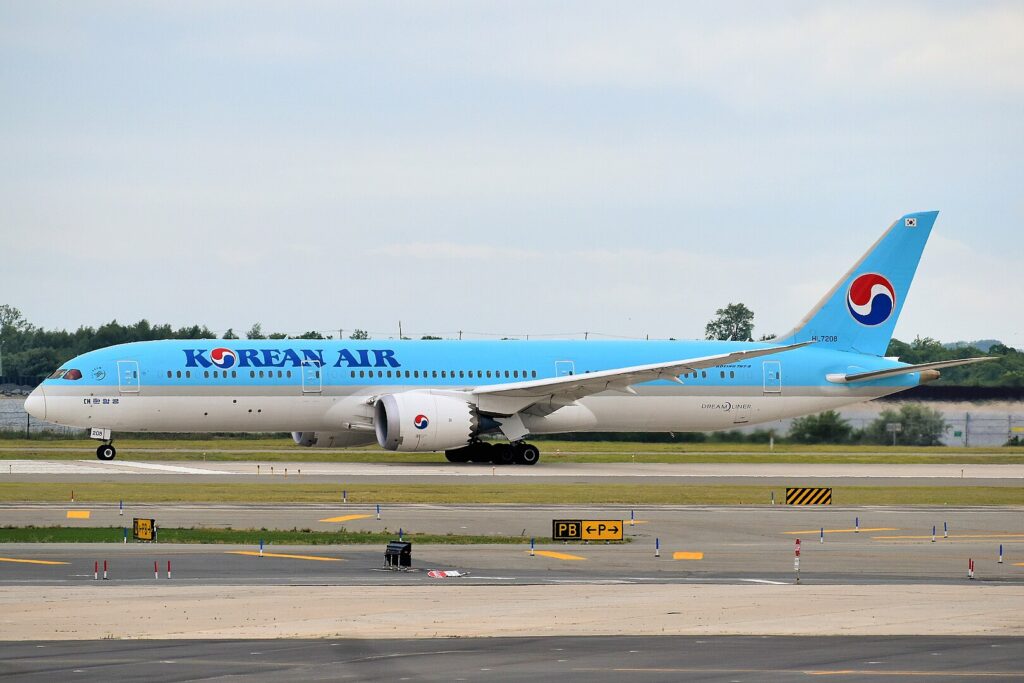
Flights to Mongolia are mainly operated by MIAT Mongolian Airlines (OM), Korean Air (KE), Turkish Airlines (TK), Air China (CA), Jeju Air (7C), and Hunnu Air (MR). From Europe, direct connections via Frankfurt are common, while most travelers from the U.S. connect through Seoul or Istanbul.
Domestic flights can be booked through MIAT, Aero Mongolia (M0), or Hunnu Air (MR). However, due to limited schedules and payment challenges, many travelers prefer booking through local tour agencies.
For an overland adventure, the Trans-Siberian Railway connects Ulaanbaatar with Moscow and Beijing, offering one of the most scenic rail journeys in the world.
Getting Around Ulaanbaatar
Taxis are common but rarely metered. Locals simply flag down passing cars, paying about 1,500 MNT per kilometer. The UBCab app works similarly to Uber, but cash payment is still standard. For public transport, buses require a prepaid U Money Smart Card, available at kiosks and convenience stores.
Travelers can also rent cars from Avis or Sixt, though road conditions outside Ulaanbaatar can be challenging. Hiring a local driver is more practical for countryside trips, costing around 200,000 MNT per day plus fuel and meals.
Essential Travel Tips
- Currency: Mongolian Tugrik (MNT). Cash is king, especially outside the capital. Visa cards are preferred over Mastercard.
- SIM Cards: Best purchased at the State Department Store in Ulaanbaatar. Unitel and MobiCom offer reliable coverage.
- Power Supply: 230V sockets compatible with both U.S. and European plugs. Carry adapters and power banks.
- Visa Policy: Over 60 countries, including the U.S. and most of Europe, enjoy visa-free entry for up to 30 days.
- Health & Safety: Always carry travel insurance. Reliable hospitals in Ulaanbaatar include UB Songdo, Intermed, and SOS Clinic.
Language, Religion, and Etiquette
Mongolian is the official language, written in Cyrillic script. English is spoken mainly in the capital. Buddhism dominates religious life, often blended with ancient Shamanic traditions that emphasize respect for nature.
Travelers should always accept food or drink with their right hand and finish what’s offered, as food is sacred on the steppe. Sharing vodka or airag (fermented mare’s milk) is common but should be done responsibly.
Festivals and Cultural Highlights
- Naadam Festival: July, Ulaanbaatar – wrestling, archery, and horse racing.
- Golden Eagle Festival: October, Bayan-Ölgii – traditional hunting with eagles.
- Camel Festival: March, Gobi Desert – races and local contests.
- Ice Festival: March, Lake Khuvsgul – games on frozen water.
These festivals showcase Mongolia’s living traditions and make any trip unforgettable.
Bottom Line
The reintroduction of direct flights between Singapore (SIN) and Ulaanbaatar (UBN) by MIAT Mongolian Airlines (OM) marks a milestone for both countries. It strengthens air connectivity, supports tourism, and offers a convenient gateway to Mongolia’s wide-open landscapes.
The route’s transition from the Boeing 737-8 MAX to the Boeing 767-300ER will bring a more spacious travel experience, reinforcing MIAT’s growing international presence.
Stay tuned with us. Further, follow us on social media for the latest updates.
Join us on Telegram Group for the Latest Aviation Updates. Subsequently, follow us on Google News


