Air travel has become more widespread than ever, connecting millions of passengers to destinations across the globe. Yet, the growth in passenger numbers has not always translated to a smoother airport experience. Terminals are busier, queues are longer, and delays—both minor and major—have become a familiar part of travel life.
Passenger expectations are also rising. Travelers today demand efficiency, clarity, and speed, which makes even small hiccups feel significant.
While individual disruptions such as flight delays or cancellations are frustrating, the root of stress often lies in the everyday operational realities of airports—capacity limitations, accessibility challenges, and systems strained under consistent demand.
Below is a detailed ranking of the 10 most stressful airports worldwide in 2026 (as reported by CN Traveler), highlighting the unique factors that contribute to passenger strain at each location.

10. Amsterdam Schiphol Airport, Netherlands
Schiphol Airport (AMS) has long been recognized for operational efficiency, yet 2026 shows the effects of sustained pressure. Staffing shortages and limited capacity at security and passport control have caused processing times to lengthen.
Despite these challenges, the airport continues to handle significant passenger growth, testing its ability to maintain smooth and timely operations.
9. Frankfurt Airport, Germany
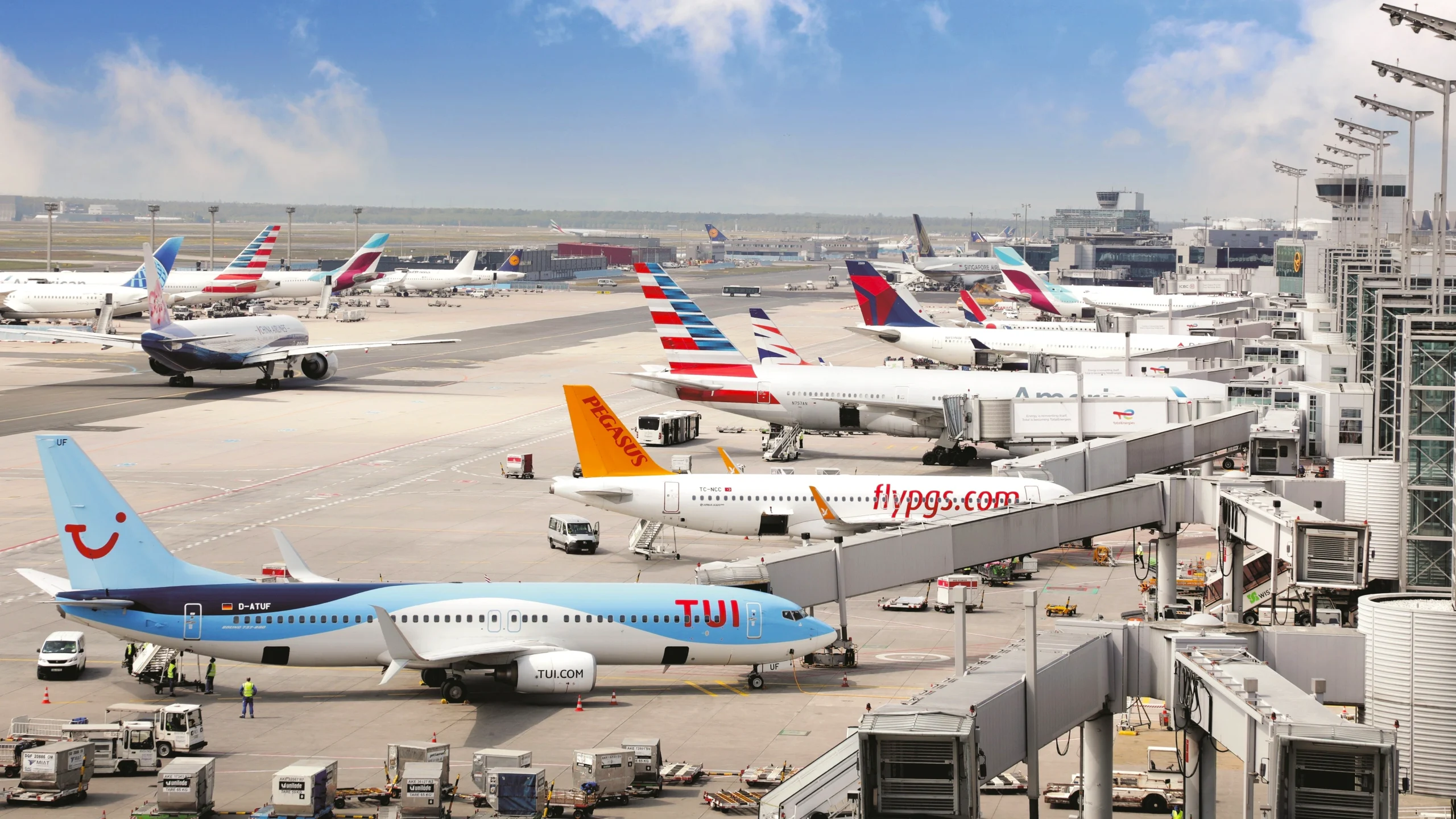
As one of Europe’s busiest transit hubs, Frankfurt’s (FRA) stress levels are influenced by high volumes of long-haul and connecting flights.
Passengers frequently face tight transfer windows and extensive security checks. Peak travel periods amplify congestion, and even minor delays can cascade, impacting both arrivals and departures.
8. London Gatwick Airport, UK
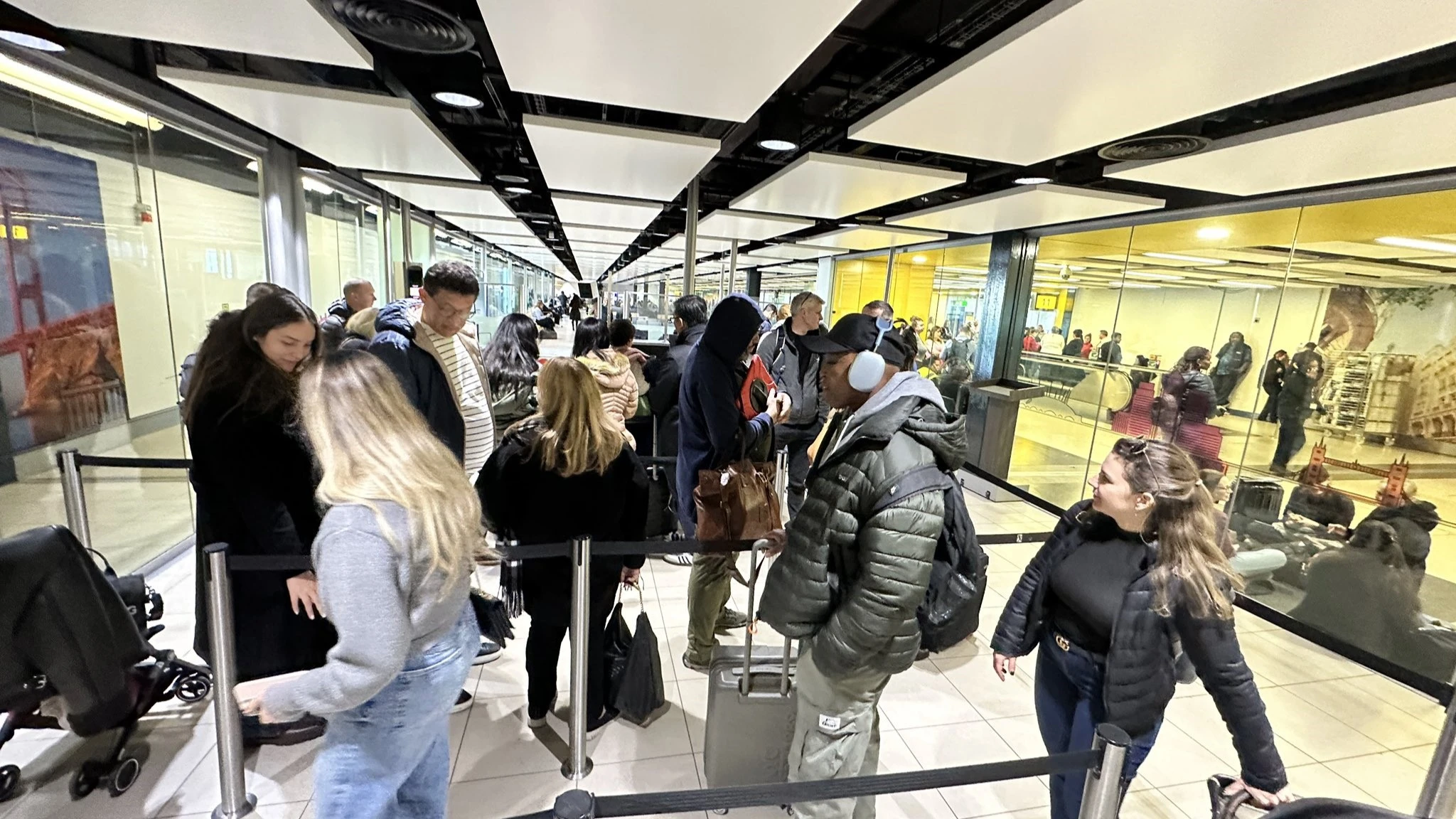
London Gatwick (LGW) operates with a single runway while accommodating both short-haul and long-haul flights, which creates continuous operational pressure.
Delays or disruptions quickly ripple across schedules, especially during summer holidays or peak travel weekends. Passengers often experience bottlenecks at check-in and security during busy periods.
https://commons.wikimedia.org/wiki/File:Terminal_corridor_at_Los_Angeles_International_Airport_(July_2022).jpg
7. Los Angeles International Airport
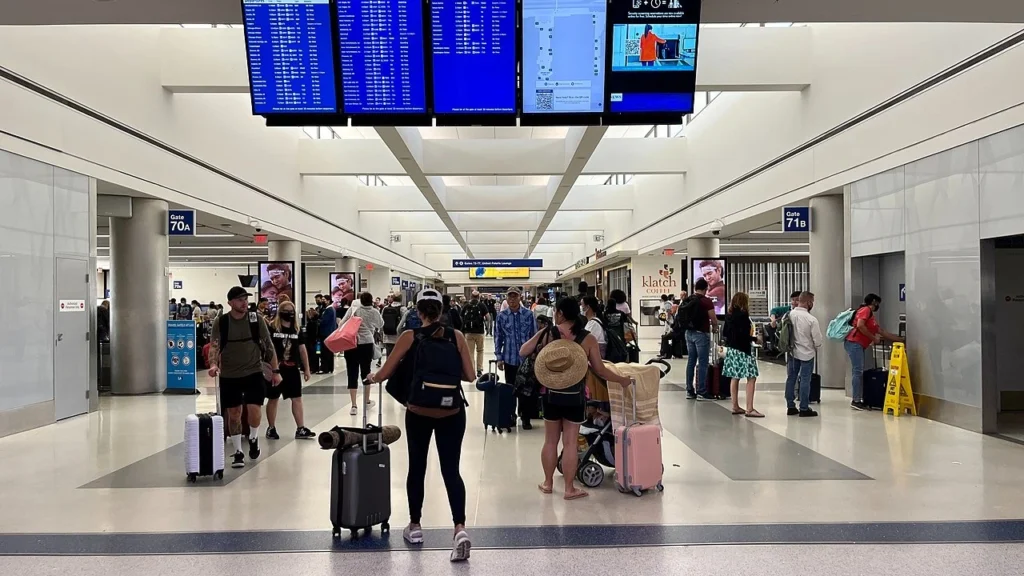
Los Angeles Airport (LAX) ranks high in stress primarily due to accessibility and layout issues. Road congestion around the airport, expansive terminals, and limited airside connectivity complicate transfers.
International passengers, in particular, face long walks and multiple checkpoints, which can make navigating the airport challenging, even for frequent travelers.
6. O’Hare International Airport, US (ORD)
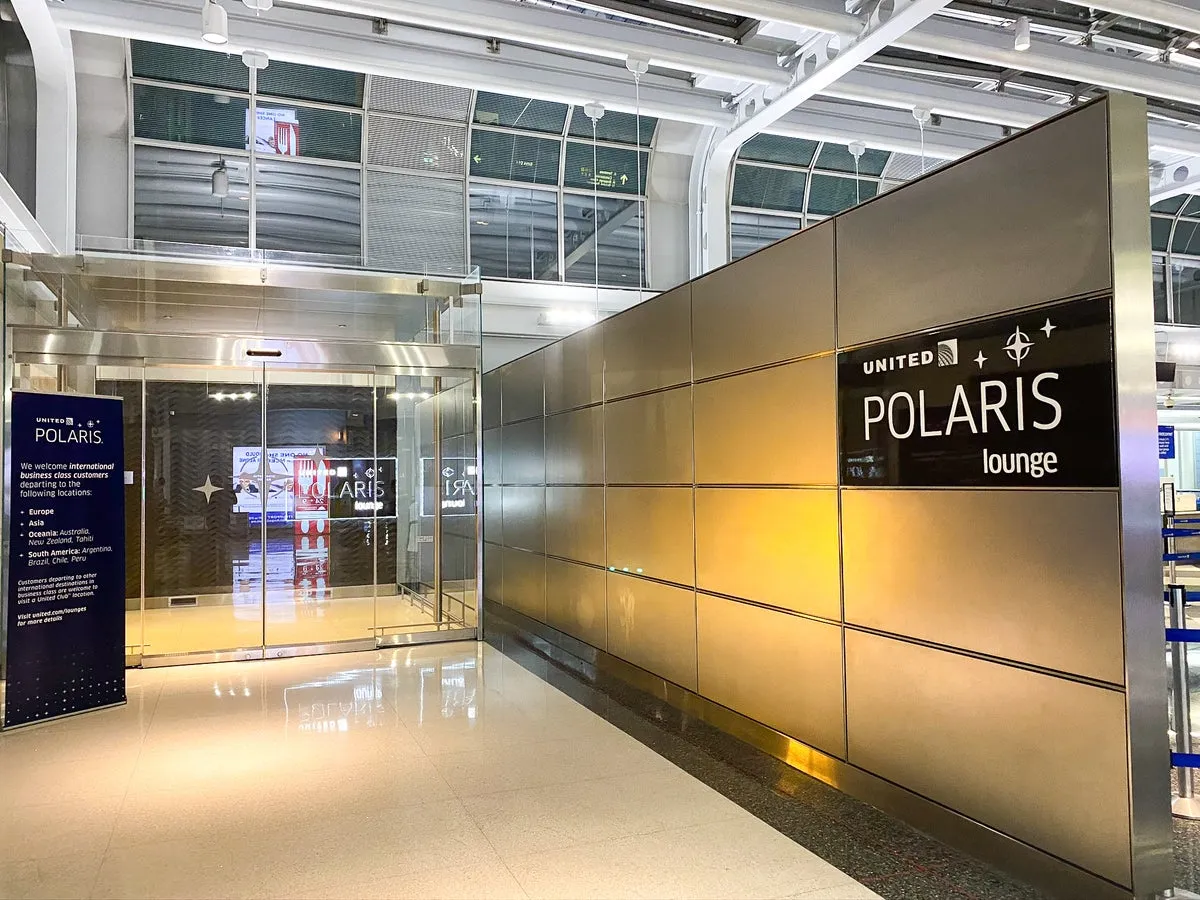
Chicago O’Hare (ORD) experiences stress from a combination of weather-related disruptions and high traffic volumes. Winter storms can cause widespread delays, affecting both domestic and international connections.
Passengers frequently encounter long waits, congestion in terminals, and flight reroutes, all contributing to an elevated stress experience.
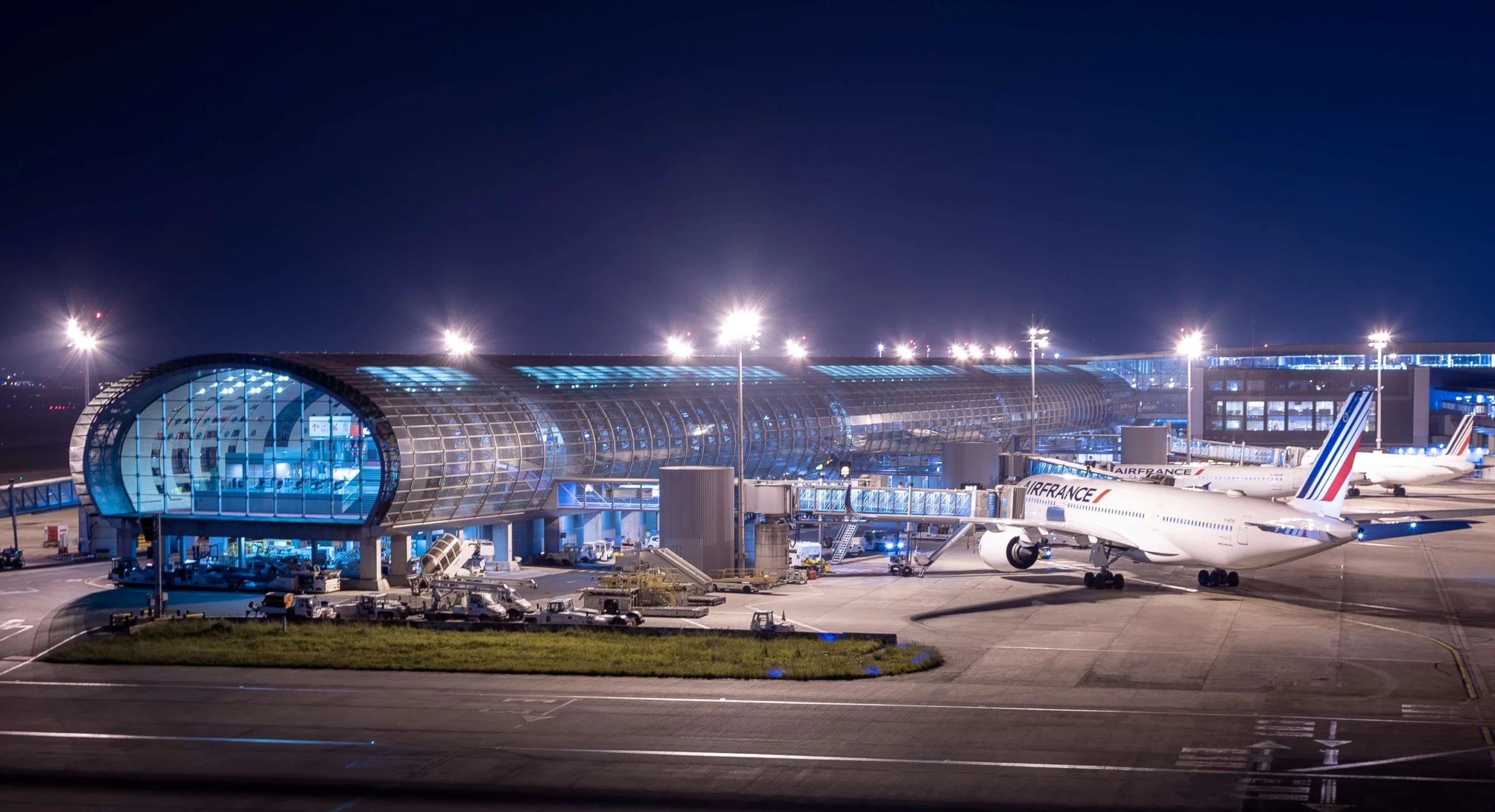
5. Charles de Gaulle Airport, France (CDG)
Paris Charles de Gaulle’s complex terminal layout is a consistent source of stress. Long walking distances, multiple security checkpoints, and crowded corridors make transfers time-consuming.
Seasonal surges, particularly during summer and holiday periods, magnify these operational challenges, affecting both efficiency and passenger satisfaction.

4. John F. Kennedy International Airport (JFK)
JFK’s scale and traffic intensity place constant pressure on infrastructure. Multiple terminals, operated by various airlines, serve heavy international and domestic flights, resulting in frequent congestion and delays.
Even ongoing redevelopment projects struggle to alleviate the persistent strain on check-in, security, and baggage handling.

3. Manchester Airport
Manchester Airport (MAN) faces continuous congestion despite redevelopment efforts. Peak periods see long queues, delayed baggage processing, and operational bottlenecks across terminals.
Travelers often cite the airport’s ongoing construction projects as a factor in temporary disruptions, adding to the stress of navigating this northern UK hub.
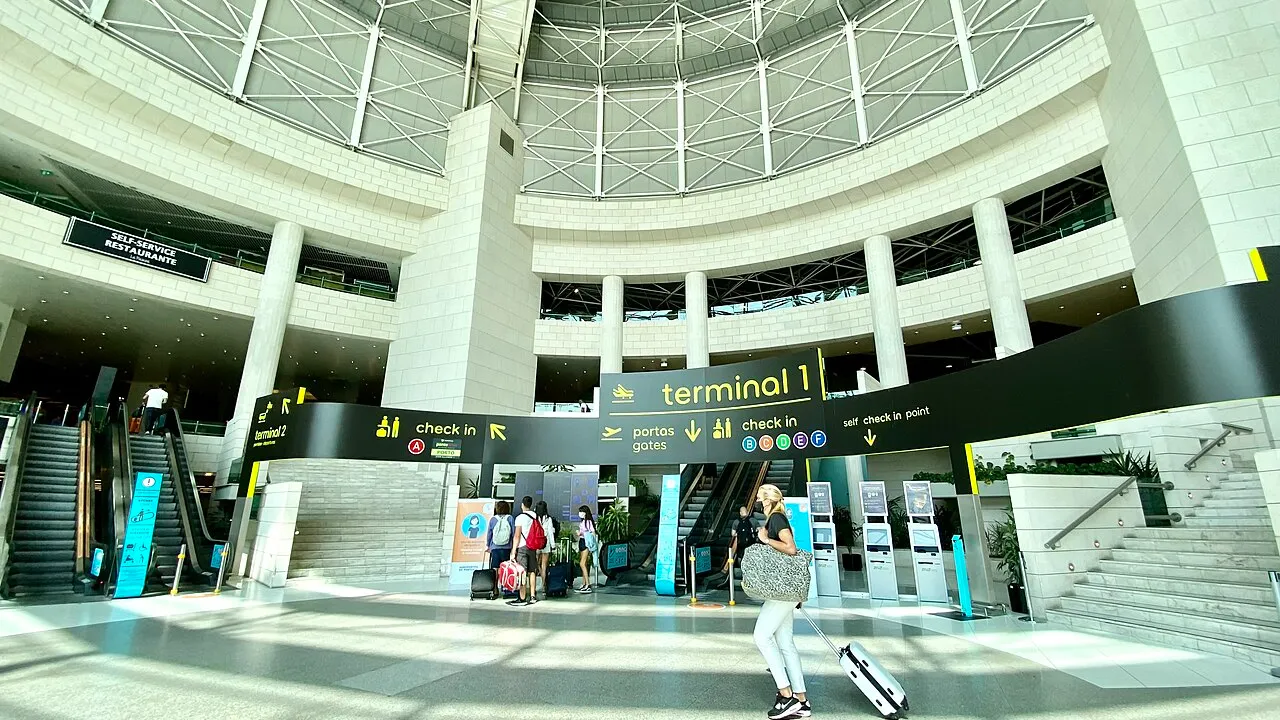
https://commons.wikimedia.org/wiki/File:Aeroporto_Humberto_Delgado_(Portela_Airport)_Lisbon,_Portugal_(51325016679).jpg
2. Humberto Delgado Airport, Lisbon
Lisbon’s primary airport struggles to accommodate a growing passenger base. Originally designed for far fewer travelers, it now faces congestion at security and immigration checkpoints.
Seasonal peaks exacerbate existing capacity constraints, leaving travelers with extended waiting times and a heightened sense of pressure.
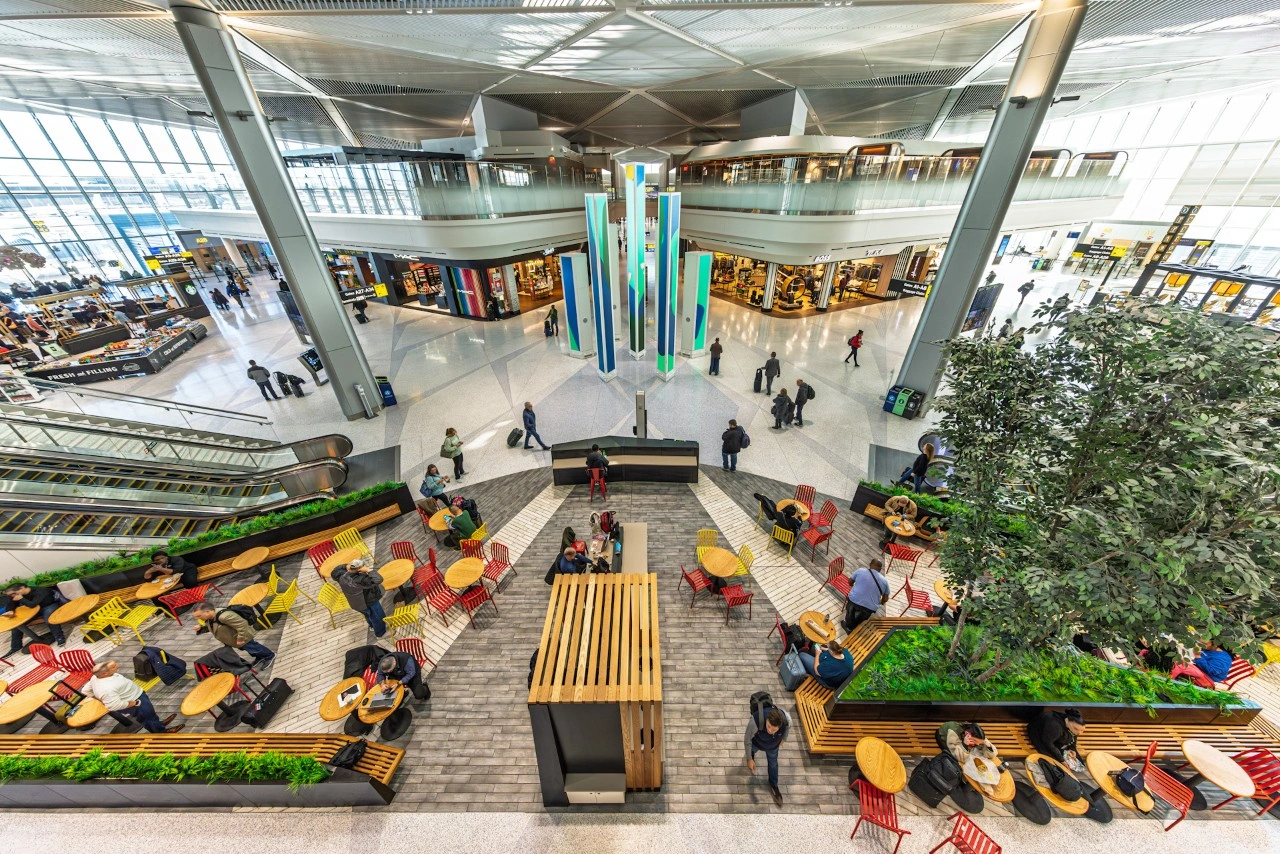
1. Newark Liberty International Airport
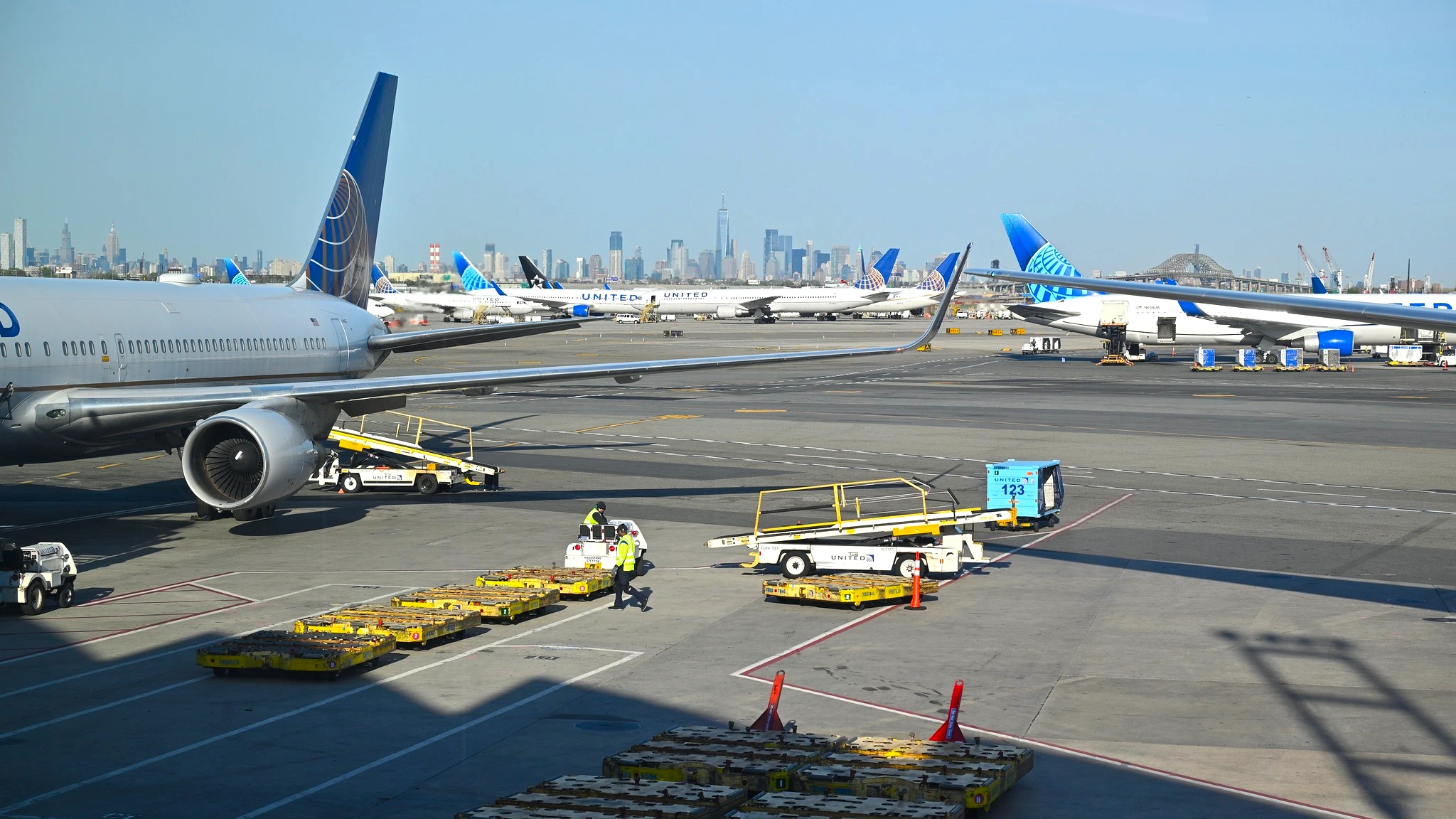
Topping the list, Newark Airport (ERW) combines high passenger volumes with limited runway capacity, creating a perfect storm for delays. Its proximity to New York City increases traffic both on the ground and in the air.
Congestion within terminals and challenges accessing the airport make it consistently the most stressful airport for travelers, particularly during peak travel windows.
Bottom Line
While flight disruptions often grab headlines, daily operational pressures at airports play a larger role in passenger stress.
From overcrowded terminals to long walking distances, security bottlenecks, and weather-related delays, these factors affect the travel experience on a constant basis.
Understanding the most stressful airports allows travelers to plan better, manage expectations, and approach their journeys with greater preparation.
Stay tuned with us. Further, follow us on social media for the latest updates.
Join us on Telegram Group for the Latest Aviation Updates. Subsequently, follow us on Google News


